
 Nana Banana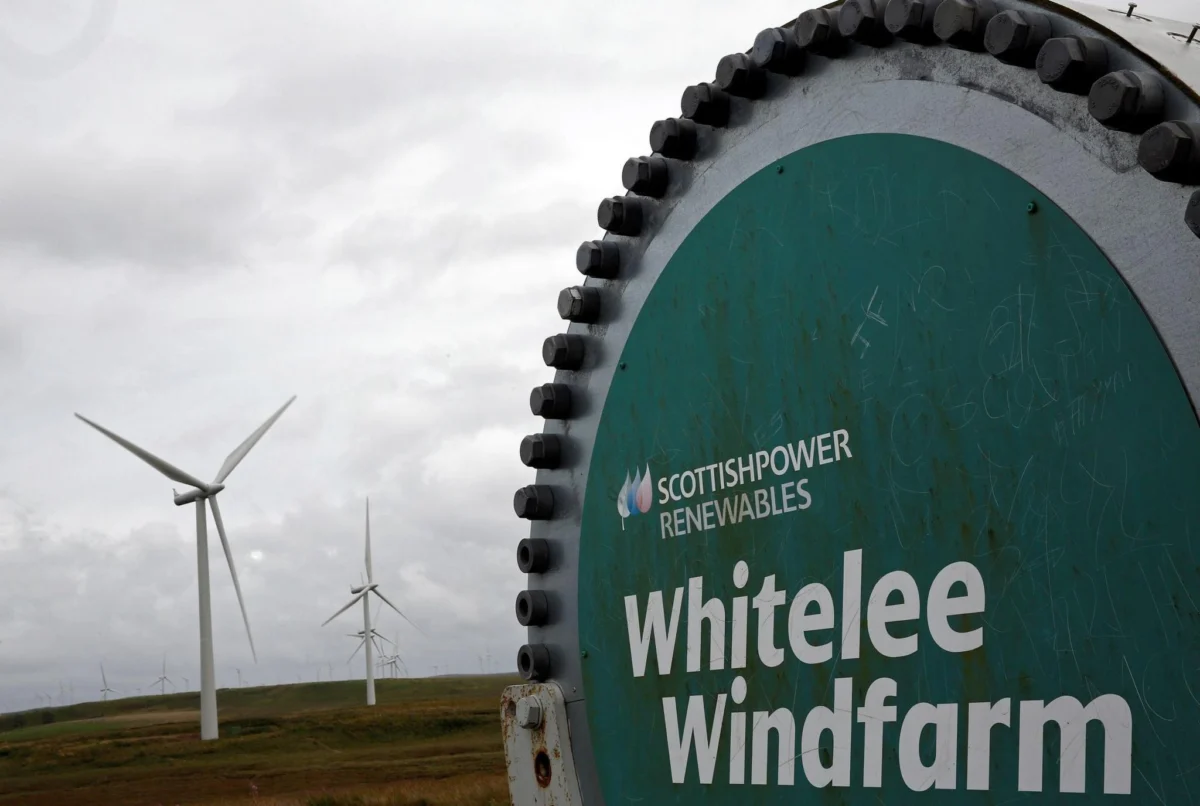
The current Whitelee Windfarm, a landmark within Scotland’s renewable energy landscape, has been a cornerstone of the nation’s clean power generation since its commissioning in 2008 and official opening by then-First Minister Alex Salmond in 2009. Initially comprising 140 turbines, the site expanded over the years to its present configuration of 215 operational units. It currently boasts a capacity of 539 megawatts (MW), sufficient to power an estimated 350,000 homes. The forthcoming repowering project is set to almost double this capacity to a formidable 1 gigawatt (GW), capable of supplying clean electricity to approximately 650,000 homes, underscoring a dramatic leap in efficiency and contribution to the national grid.
This massive undertaking, anticipated to span a decade with full operational status by 2035, represents a proactive strategy by Scottish Power Renewables to address the natural lifespan of its aging assets while simultaneously embracing cutting-edge wind turbine technology. As Charlie Jordan, chief executive of Scottish Power Renewables, highlighted, this "critical moment in the push for home-grown clean, green energy" necessitates safeguarding and enhancing existing clean capacity rather than allowing it to diminish as equipment reaches its end-of-life. The repowering model ensures a continuous and amplified supply of renewable power, crucial for meeting ambitious climate targets.
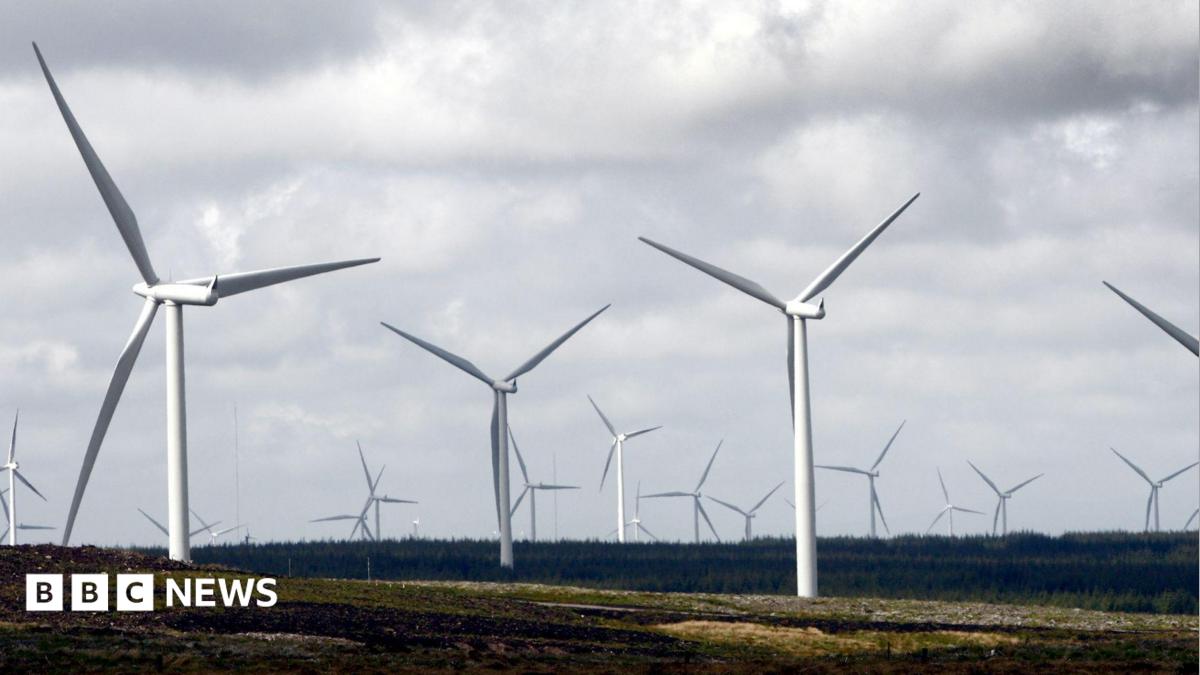
The decision to replace a larger number of older, smaller turbines with fewer, more powerful ones is driven by significant advancements in wind turbine technology. Modern turbines feature much greater hub heights, allowing them to access stronger, more consistent winds found at higher altitudes. Coupled with significantly longer rotor blades, these new generation turbines can sweep a larger area, capturing substantially more energy from each rotation. This translates not only to increased power output per turbine but also to improved capacity factors, meaning they generate electricity more consistently and closer to their theoretical maximum capacity. The reduction in the total number of turbines, despite their increased individual size, aims to optimize the use of the available land while minimizing visual impact where possible, a frequent consideration in large-scale wind developments.
An application for this transformative project has already been submitted to the Scottish government’s energy consents unit, with a comprehensive planning application expected to follow by the end of next year. The £1.5 billion investment underscores the scale of commitment to this green energy future and is projected to inject a substantial £330 million into the Scottish economy. This economic benefit will materialize through various channels, including direct employment in construction and maintenance, opportunities for local supply chain businesses, and broader economic activity stimulated by such a significant infrastructure project.
Whitelee Windfarm holds a unique place not just as an energy generator but also as a public amenity. Located on Eaglesham Moor, it spans an impressive 83 square kilometers (32 square miles), an area nearly half the size of neighbouring Glasgow. This vast expanse is crisscrossed by a network of footpaths and tracks, making it a popular destination for walkers, cyclists, and dog owners who enjoy the unique experience of wandering amidst the towering turbines. The site also features a well-regarded visitor centre, educating the public on renewable energy and the natural environment. Scottish Power Renewables has committed to a three-phase approach for the repowering, specifically designed to ensure that the site remains largely accessible to the public throughout the extensive rebuilding period, minimizing disruption to this cherished recreational space.
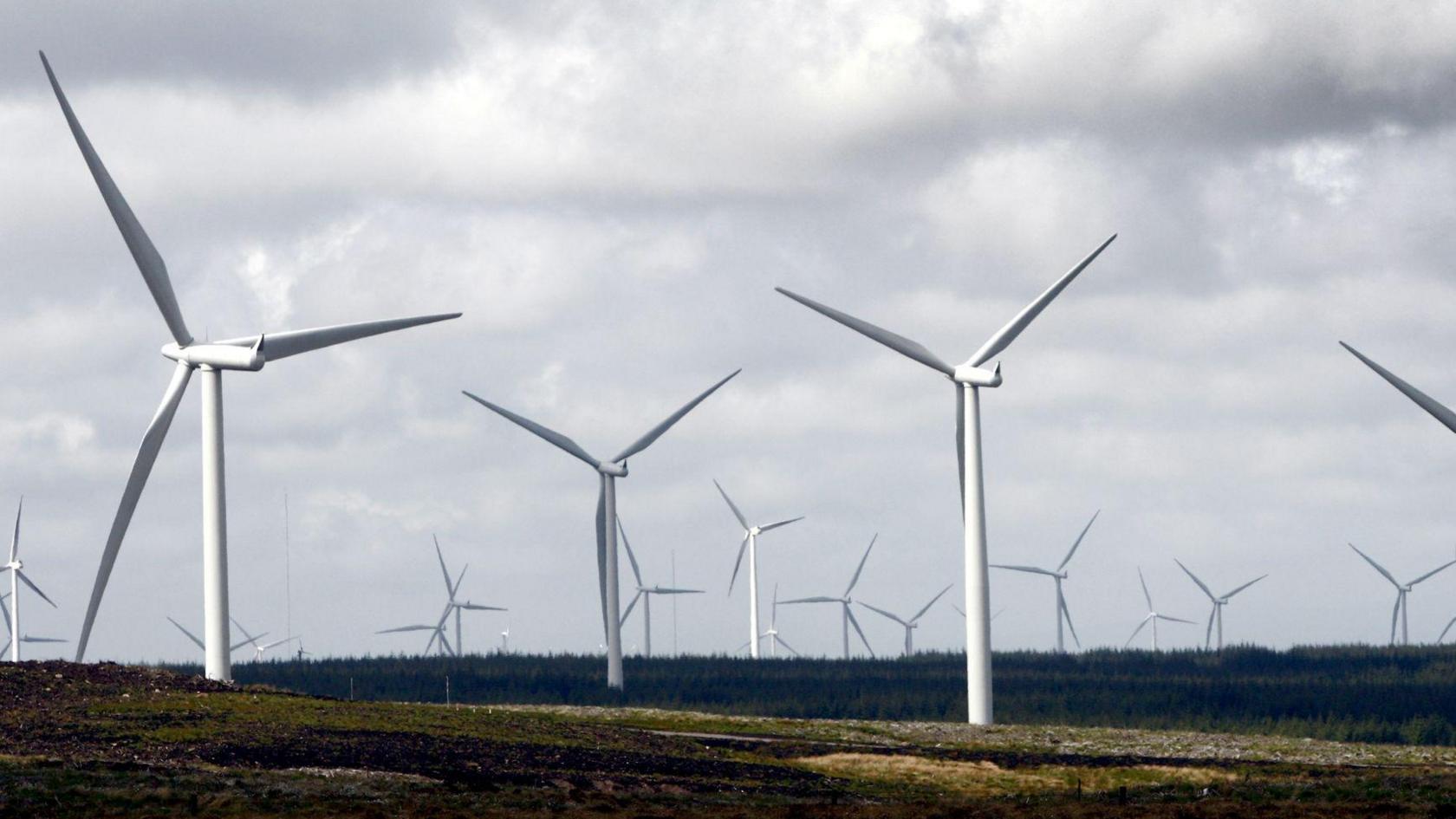
The repowering of Whitelee is not an isolated incident but rather a leading example of a broader trend emerging across the UK’s renewable energy sector. Analysts at Regen predict that over half of Great Britain’s current wind farm capacity will reach the end of its operational life within the next decade. This forecast highlights a significant pipeline of future repowering projects, positioning Whitelee as a vanguard in demonstrating how to upgrade and optimize existing wind energy assets. The successful repowering of Hagshaw Hill in South Lanarkshire last year, where 26 older turbines were replaced by 14 larger, more efficient units, provides a tangible precedent for the efficacy of this approach.
A crucial aspect of the Whitelee repowering project is its commitment to sustainability beyond just clean energy generation. Scottish Power Renewables has pledged to recycle an impressive 99% of the materials from the decommissioned turbines. This commitment addresses a growing concern within the wind industry regarding the end-of-life management of turbine components, particularly the large, composite blades which have historically posed recycling challenges. Achieving such a high recycling rate signifies advanced dismantling techniques and robust recycling pathways for materials like steel, copper, concrete, and potentially even innovative methods for breaking down composite blade materials, contributing significantly to a circular economy model within the energy sector.
The implications of this repowering project extend far beyond the local moorland. For Scotland, it reinforces its position as a leader in renewable energy and brings it closer to its ambitious net-zero emissions target by 2045. By substantially increasing its clean electricity output, Whitelee will play a vital role in decarbonizing the electricity grid, reducing reliance on fossil fuels, and enhancing the nation’s energy security. The project serves as a powerful testament to the ongoing innovation in renewable technology and the strategic importance of investing in the longevity and efficiency of existing green infrastructure. As the UK strives to meet its own 2050 net-zero targets, the repowering of sites like Whitelee will be instrumental in delivering the sustained, large-scale renewable energy generation required for a sustainable future. This monumental undertaking at Whitelee Windfarm is not just a rebuild; it is a re-envisioning of a crucial national asset, poised to deliver even greater environmental and economic benefits for decades to come.




 Roy Suryo

 Nakalama John
 atisusanti
 Ramos Leo
