Nana Banana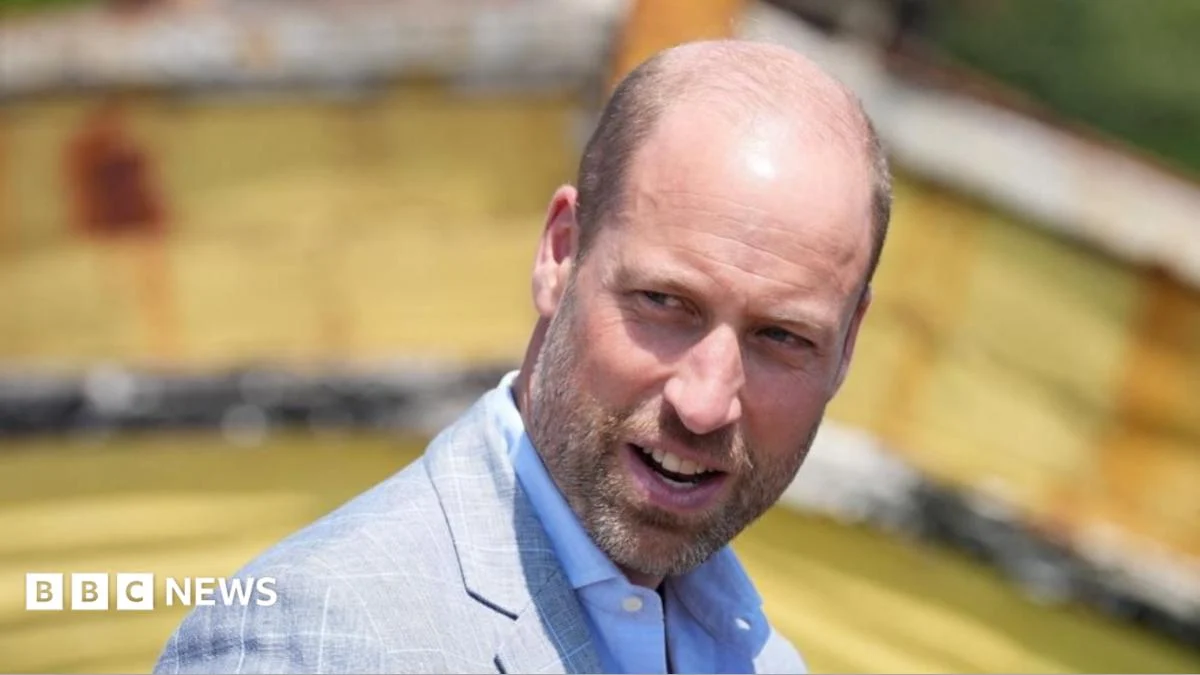
Wildfires raging across the United Kingdom and continental Europe serve as a "stark reminder of the challenges posed by an increasingly extreme climate," the Prince of Wales, William, has articulated. His statement underscores the escalating environmental crisis gripping the continent, as unprecedented heatwaves fuel devastating blazes from the Iberian Peninsula to the Scottish Highlands. The scale of the current crisis is immense, with over 300,000 individuals having been forced to evacuate their homes in parts of France and Spain alone, as a relentless series of wildfires continues to tear through vast swathes of land, exacerbated by yet another intense heatwave on the horizon.
The repercussions of these fires are being felt acutely across the continent. In France, the nation has endured its most severe fire season in two decades, with vast pine forests and agricultural land incinerated, leading to widespread displacement and significant ecological damage. Spanish officials in Madrid have described the current wildfires as the worst the region has ever experienced, a testament to the unprecedented conditions driving these infernos. Families have lost homes, livelihoods have been shattered, and communities have been irrevocably altered, all while emergency services battle tirelessly against overwhelming odds. The emotional and economic toll on these nations is profound, highlighting the immediate and tangible impact of a changing climate.
The UK, while traditionally less prone to large-scale wildfires compared to its southern European neighbours, is increasingly finding itself on the front lines of this crisis. Over the weekend, a major incident was declared in Scotland’s Cairngorms National Park, a vital ecosystem of ancient Caledonian forest and moorland, as a result of a significant wildfire. This declaration triggered a substantial response, deploying multiple fire and rescue units, specialist wildfire teams, and aerial support to contain the blaze in challenging terrain. The Cairngorms fire not only posed a threat to local communities but also to endangered species and habitats, underscoring the ecological fragility in the face of such events. Elsewhere in the UK, numerous smaller but still destructive fires have erupted, stretching emergency services thin across the country.
Prince William, in a heartfelt post shared on X (formerly Twitter), conveyed the deep concern felt by the Royal Family: "Our thoughts are with everyone affected by the devastating wildfires across France, Spain and the UK." He extended profound gratitude to the "firefighters, emergency services and volunteers working tirelessly in extraordinarily difficult conditions." These dedicated individuals face not only the immediate danger of the flames but also the physical and mental exhaustion of prolonged operations, often in sweltering temperatures and under immense pressure. His statement continued, "These events are a stark reminder of the challenges posed by an increasingly extreme climate and the importance of protecting both people and nature." This powerful message from a senior royal serves as a potent call to action, urging greater awareness and proactive measures against the climate crisis.
The scientific community has consistently warned about the accelerating pace of global warming, and the current wildfire crisis offers a grim confirmation of these predictions. Climate change is unequivocally driving up temperatures around the world, but Europe is experiencing a particularly rapid rate of warming. According to data from the Copernicus Climate Change Service, Europe is heating up twice as fast as the global average, making it the fastest-warming continent on Earth. This accelerated warming trend is directly contributing to a cascade of environmental challenges, including a significant increase in the frequency, intensity, and duration of summer heatwaves. These prolonged periods of extreme heat lead to severe drought conditions, drying out vegetation and soils, creating an abundance of highly combustible fuel. Consequently, the continent is witnessing greater pressure on its vital water supplies and an alarming rise in the scale and intensity of wildfires.
The devastation currently tearing through France and Spain exemplifies these trends. In France, the areas hit include popular tourist regions and agricultural heartlands, disrupting summer economies and displacing thousands of holidaymakers alongside residents. The fires have been so fierce that entire villages have been evacuated, with some residents only allowed to return to find their homes and livelihoods destroyed. In Spain, the situation has been equally dire, with fires consuming vast swathes of forest in regions like Catalonia and Galicia, forcing mass evacuations and posing a direct threat to national parks and wildlife. The sheer speed and ferocity of these blazes have overwhelmed local resources, necessitating international aid and cooperation to combat them effectively.
Back in the UK, the Met Office’s recent assessment painted a worrying picture, indicating that the risk of fires could become exceptionally severe by the middle of the week, particularly in parts of London, the South East, and the East of England. These regions, characterized by dense populations and vulnerable green spaces, are susceptible to rapid fire spread under hot, dry, and potentially windy conditions. An "exceptionally severe" fire risk rating implies that fires, once started, would be extremely difficult to control and could pose a significant threat to life and property.
Several incidents across the UK have highlighted both the dangers and the causes of these fires. On the Isle of Wight, the discovery of campfire remains at the site of a blaze that scorched an area equivalent to almost 13 football pitches and burned for nearly five days underscored the critical issue of human carelessness. Such preventable acts, often unintentional, can have catastrophic consequences in tinder-dry conditions. In Wales, emergency services have been battling multiple wildfires across the north in recent days. A particularly large blaze in the Rhinogydd mountains produced smoke plumes so vast they were visible from space, a stark visual representation of its immense scale. Alarmingly, two individuals had to be rescued after attempting to film a wildfire with a drone, an act that not only endangered themselves but also potentially interfered with crucial aerial firefighting operations, prompting strong warnings from emergency services about public safety and respecting exclusion zones.
London Fire Brigade (LFB) reported an overwhelming weekend, responding to more than 1,300 incidents. This staggering figure encompassed not only grass fires and property fires, but also diverse calls such as rescuing individuals from the River Thames, illustrating the multi-faceted challenges urban emergency services face during periods of extreme heat. The LFB has issued urgent appeals to the public, emphasizing preventative measures. They have strongly advised against the use of disposable barbecues, which are a common cause of grass fires, and urged people to dispose of smoking materials responsibly. Furthermore, the LFB has reiterated the importance of properly disposing of litter or taking it home, as discarded glass or reflective materials can act as ignition sources in dry conditions.
The immediate future offers little respite, with temperatures expected to rise again later this week, bringing a fourth heatwave of the year for some areas of the UK. In response, Amber heat health alerts have been issued for much of eastern England, signifying a significant risk to health, especially for vulnerable populations such as the elderly, young children, and those with pre-existing medical conditions. Provisional data from the Met Office reveals that the month of July has been approximately 3°C above average across the UK, putting it on track to be one of the hottest Julys on record. This pattern of consistently higher-than-average temperatures is not an anomaly but a clear indicator of the long-term warming trend impacting the British Isles.
Prince William’s strong statement on the climate crisis is not an isolated sentiment within the Royal Family but rather a continuation of a long-standing commitment to environmental advocacy. His father, King Charles III, has been a vocal champion for environmental protection and sustainable practices for over five decades, long before climate change became a mainstream concern. His pioneering work in areas like organic farming, biodiversity, and sustainable architecture laid much of the groundwork for the Royal Family’s current environmental focus.
Building on this legacy, Prince William founded the Earthshot Prize in 2020. This ambitious initiative is a 10-year scheme designed to discover and scale innovative solutions to the world’s most pressing environmental challenges. Each year, five winners receive £1 million in funding to develop and implement their solutions across five key areas: Protect and Restore Nature, Clean Our Air, Revive Our Oceans, Build a Waste-Free World, and Fix Our Climate. The Earthshot Prize embodies a proactive approach to the climate crisis, seeking not just to highlight the problems, but to inspire and fund tangible, impactful solutions.
In light of the devastating wildfires sweeping across Europe and the UK, Prince William’s words serve as a crucial reminder of the urgency required in addressing climate change. The "stark reminder" is not merely an observation but a call to collective action – from individuals taking preventative measures to governments implementing robust climate policies, and innovators developing groundbreaking solutions. The link between an increasingly extreme climate and the destructive power of wildfires is undeniable, demanding a unified and determined global response to protect both people and the planet for future generations.



 Roy Suryo

 Nakalama John
 atisusanti
 Ramos Leo