Nana Banana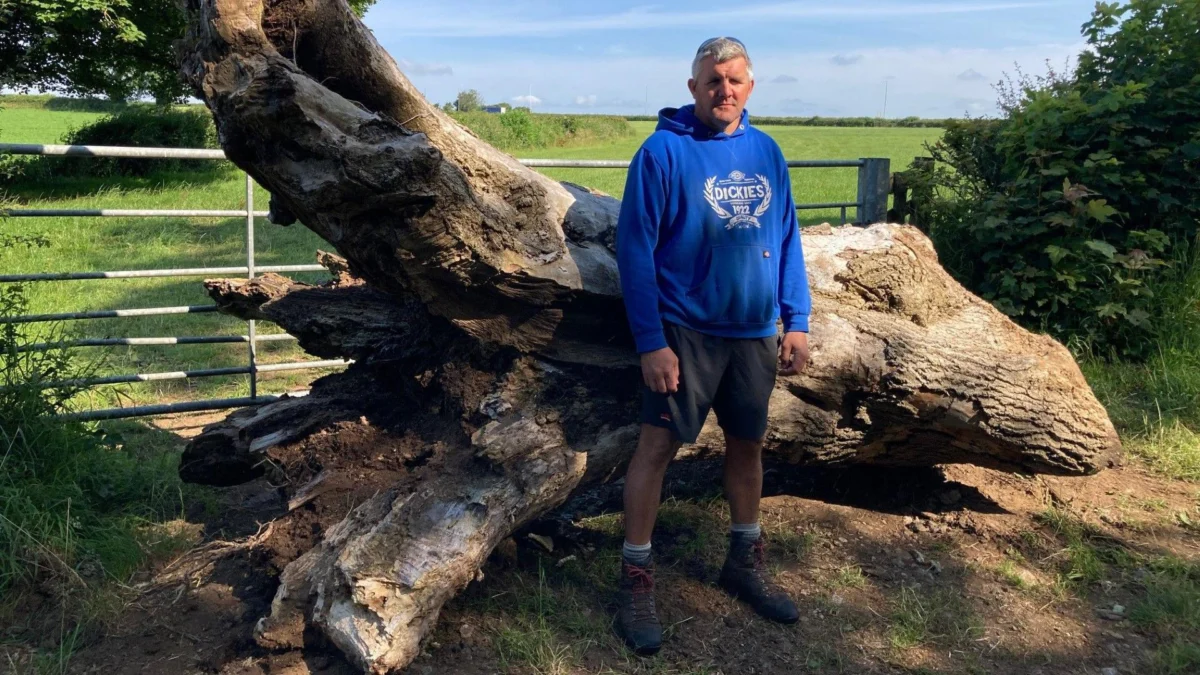
Chris Edwards, a beef and sheep farmer from Colwinston, near Cowbridge, encapsulates the pervasive anxiety felt by many. "They’re watching us – which is probably the most disconcerting part about it," he revealed, describing the chilling precision with which these illegal operations are conducted. "We harvest the field and within hours, they’re there." This suggests a level of surveillance and organisation among the perpetrators, hinting at an intelligence network that tracks farming activities, exploiting windows of opportunity when fields are cleared and hares are more visible. Edwards recounts witnessing gates "smashed off their hinges" and valuable crops irrevocably destroyed by trespassers who illegally hunt hares using dogs. The brazenness of these acts is further compounded by reports from neighbours who have faced severe threats, both "verbal and physical," when attempting to confront the coursers on their own property, highlighting the dangerous and aggressive nature of these criminal gangs.
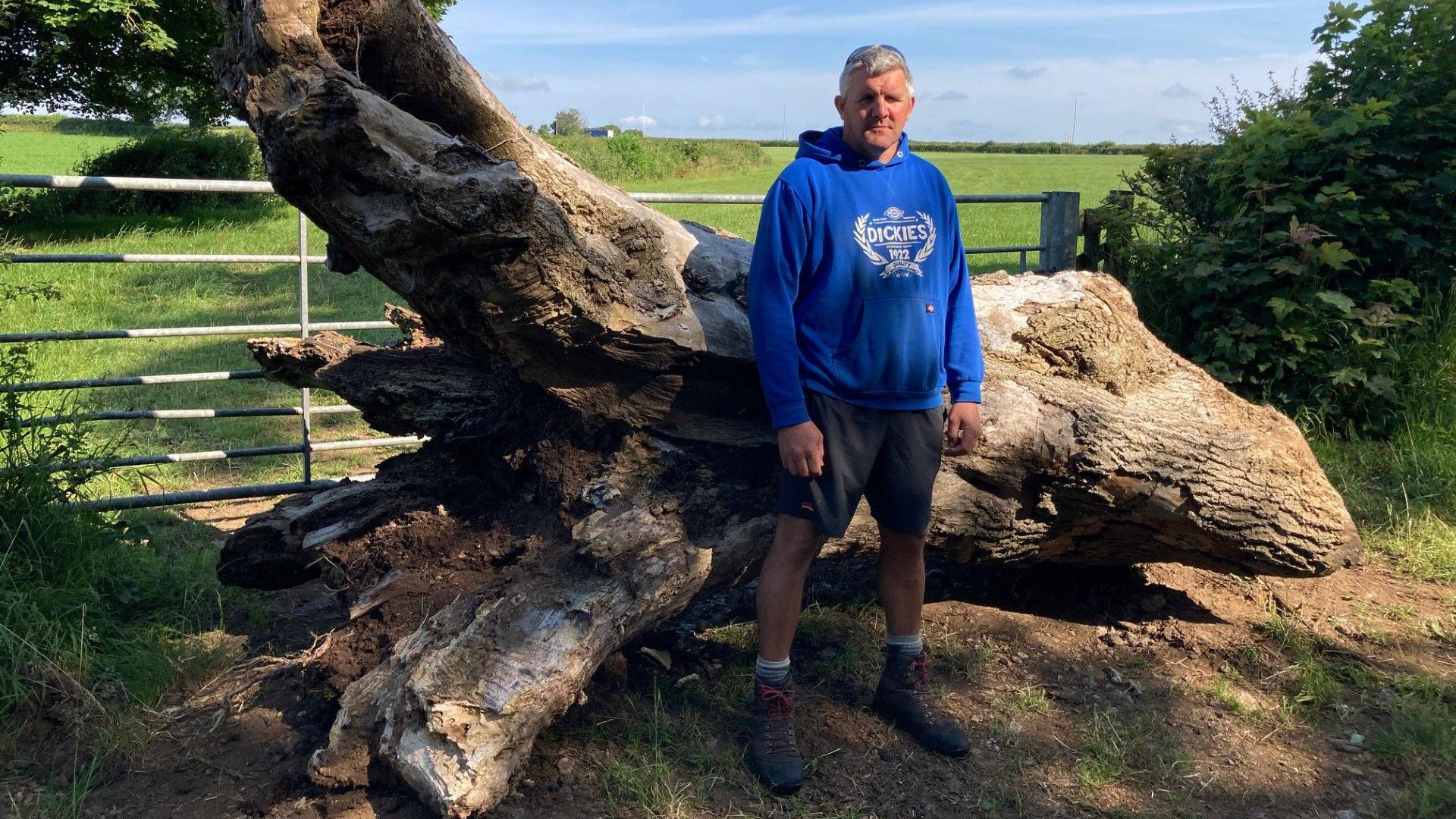
South Wales Police have officially acknowledged the troubling rise in hare coursing activities within the Vale of Glamorgan, confirming that the force is actively pursuing measures to combat this rural crime wave. For Chris Edwards, a 45-year-old farmer, the daily routine has been irrevocably altered. Accessing his own fields now necessitates the use of heavy machinery, such as a JCB, to meticulously move the giant logs he has strategically positioned in front of his gates. "It’s got to the stage now that if we don’t put a log like that in the gateway they force access," he explained, illustrating the futility of traditional security measures. "We’ve tried chains and padlocks but they get cut off." The financial burden of constantly replacing damaged security, coupled with the emotional toll, weighs heavily on farmers. Beyond mere property damage, the consequences are far-reaching: "We’ve had vehicles ram gates and smash [them] off their hinges, and then when they leave… we have animals out on the road." This poses a severe risk to both livestock, which can be injured or lost, and to motorists, creating potential road hazards and legal liabilities for the farmers. Furthermore, the illegal vehicles driven across his land, particularly during the autumn planting season, leave deep "ruts in the ground," inflicting substantial damage to nascent crops and compromising soil health, leading to reduced yields and increased operational costs for subsequent years.
James Tudor, representing the local branch of the farming union NFU Cymru, painted a grim picture of the escalating rural crime. He warned of numerous incidents where farmers have been "physically threatened" after bravely approaching hare coursers on their land, describing a pattern of escalating aggression. "We’ve had property damaged, windows of vehicles have been smashed, intimidation, all sorts of problematic behaviour," Tudor stated, emphasizing the psychological distress inflicted upon farming families. He contextualized the problem within the broader challenges faced by the agricultural sector: "Farming’s in a tough place anyway at the moment and this is further strain." The economic pressures of rising costs, unpredictable markets, and increasingly extreme weather conditions mean that additional losses due to criminal activity are exceptionally difficult for farmers to absorb. While acknowledging "a good relationship" with local police teams and their supportive efforts, Tudor stressed the urgent need for "a wider police presence… to get hold of these people as they’re in the act." He also highlighted a significant disparity: South Wales Police remains "the only police force [in Wales] that doesn’t have designated rural crime officers," a critical gap when compared to other forces that benefit from specialized units equipped with specific knowledge of rural dynamics and the unique challenges faced by the farming community.
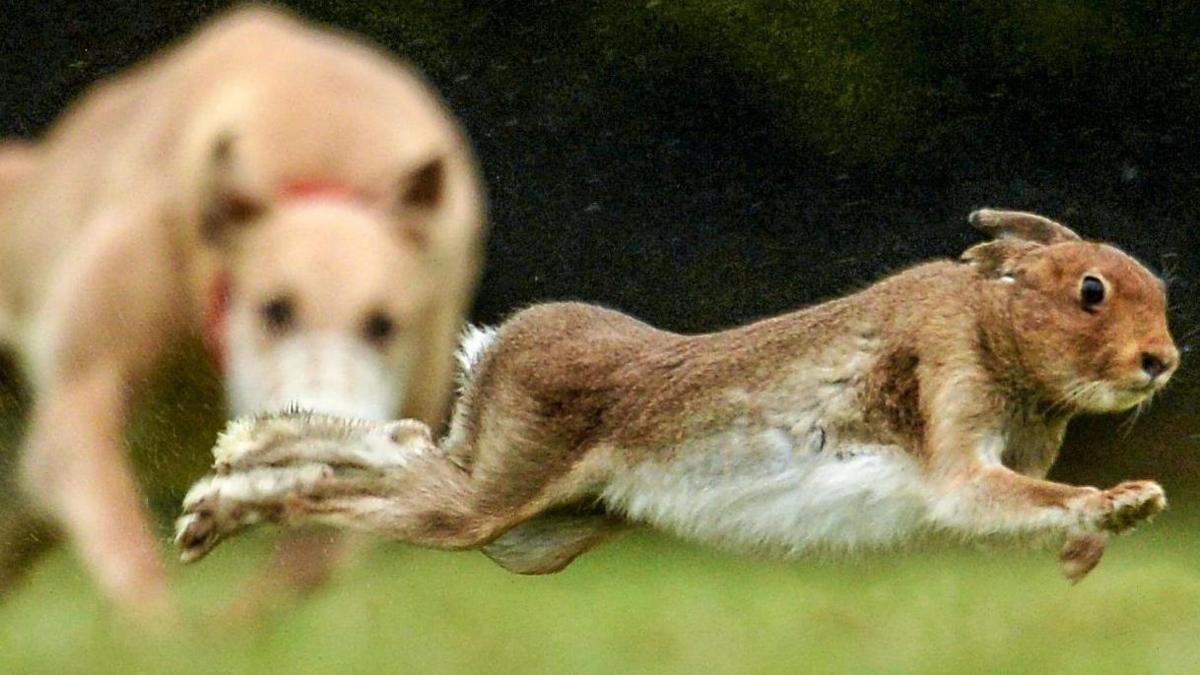
Hare coursing, a cruel and illegal blood sport, involves the pursuit of hares by dogs, with participants typically gambling on which dog can most closely follow the animal’s evasive manoeuvres. It was outlawed under the Hunting Act 2004, primarily due to concerns over animal welfare and the inherent cruelty involved. Despite the ban, recent years have seen a worrying resurgence, with numerous police forces across the UK reporting a significant spike in cases. This increase is often linked to the lucrative world of online gambling and, disturbingly, to organised crime networks that exploit the activity for profit. The sophisticated nature of these operations, involving intelligence gathering and rapid deployment, suggests a well-structured criminal enterprise rather than isolated incidents. For instance, West Mercia Police issued an urgent notice regarding a "significant increase" in Shropshire in August 2025 (likely a typo in the original text, probably referring to 2023 or 2024), followed by Warwickshire Police in November, indicating that this is a widespread national issue. In response to this growing menace, Welsh forces have recently collaborated to form Operation Galileo Cymru. This multi-agency initiative brings together police, farming unions, and other key agencies, such as Natural Resources Wales and wildlife trusts, to share vital intelligence, coordinate enforcement actions, and develop comprehensive strategies to tackle hare coursing and other associated rural crimes.
Inspector Huw Tyler of South Wales Police reiterated that the Vale of Glamorgan has "definitely seen an increase in hare coursing," and crucially, "with it an increase in intimidation and violence incidents." He assured the community that the force is committed to "tackle that now with some more proactive policing." This includes the deployment of new technological assets, such as portable automatic number plate recognition (ANPR) technology, which can quickly identify vehicles associated with criminal activity, and the increased use of drone operators for aerial surveillance, providing a crucial advantage in monitoring vast rural landscapes and gathering evidence. The inspector also confirmed that the establishment of dedicated rural crime officers is under active consideration, a move that would significantly enhance the force’s ability to respond to and prevent rural crime. Furthermore, discussions are underway with Natural Resources Wales regarding a potential secondment, which could bring valuable environmental expertise and resources to the policing effort. Tyler emphasized the critical role of community cooperation: "The local community have been really engaging with us, we’ve built up a really good network with the farming community and we’re encouraging them to report as much as possible so we can get a good intelligence picture and good information to really highlight how big an issue it is in the area." While acknowledging national trends, he clarified that "across the country we’re aware that some hare coursing can be linked to organised crime and illegal gambling online – however we don’t have that information locally at the moment," indicating ongoing investigative efforts to uncover such links in the Vale of Glamorgan.
Det Con Richard Paskell, a member of the neighbourhood policing team in the Vale of Glamorgan, detailed the intensive efforts officers are undertaking "to stamp out this blood sport." He highlighted stepped-up patrols in known hare coursing hot spots, a direct response to intelligence gathered from the farming community. Paskell noted a concerning "changes in the behaviour" of those involved in the illegal activity, observing an "increase in the damage [caused] and the cost [to farmers]." This evolution in tactics suggests a more aggressive and less inhibited approach from the coursers. "Where previously they would have maybe parked outside the farm and taken dogs inside we’re now seeing an increase in where they’ve rammed through the gates and the gate posts, rammed through the fences, destroying crops and allowing animals out onto the land," Paskell explained. This shift signifies not only greater property destruction but also a blatant disregard for agricultural livelihoods and public safety. To foster stronger community ties and encourage reporting, police teams actively attended the Royal Welsh Show in Llanelwedd and plan to attend the Vale of Glamorgan Show in August. These engagements provide invaluable opportunities for officers to speak directly with farmers, listen to their concerns, share crime prevention advice, and gather crucial intelligence to inform their operations.
The fight against illegal hare coursing in the Vale of Glamorgan is a complex, multi-faceted challenge that demands sustained vigilance and collaborative effort. Beyond the immediate financial costs of damaged property and ruined crops, there is a profound psychological toll on farming families who live with constant fear, intimidation, and the violation of their homes and livelihoods. The environmental impact is also significant, with hares, a protected species, being targeted and their populations potentially threatened. As police continue to enhance their strategies, integrating technology, exploring specialized roles, and fostering community engagement, the unwavering support and reporting from the farming community will remain paramount in confronting this dangerous and destructive rural crime.



 Roy Suryo

 Nakalama John
 atisusanti
 Ramos Leo