
 Nana Banana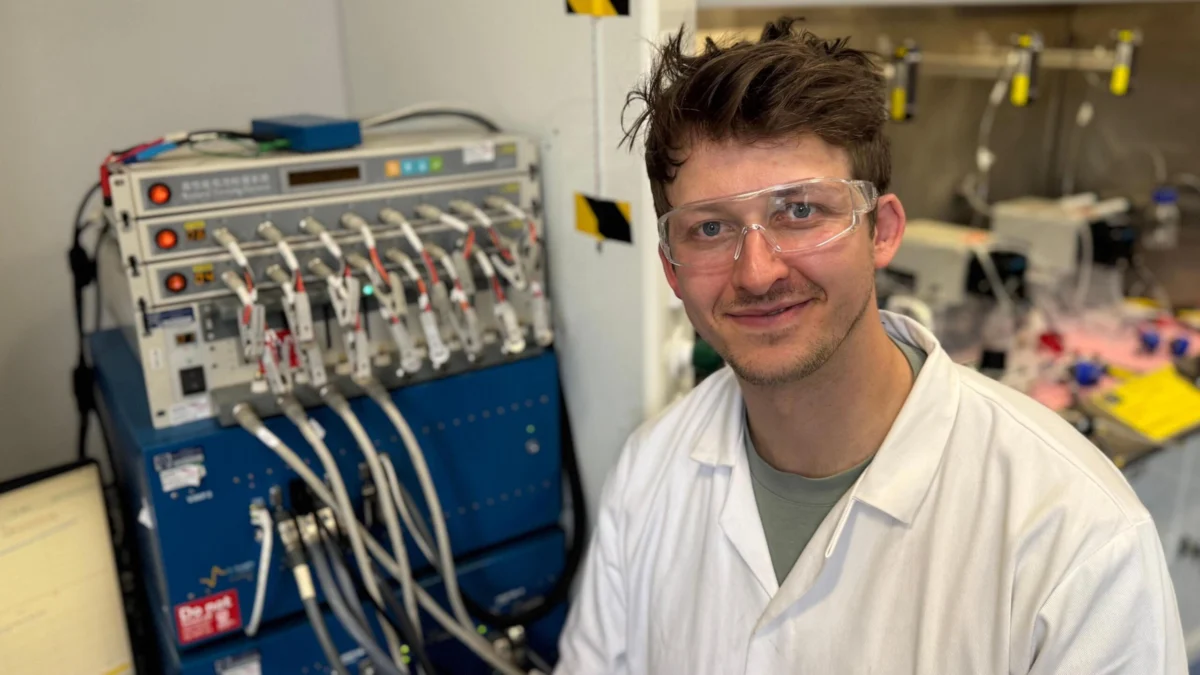
The core innovation from QUB lies in its departure from the conventional, expensive metallic element vanadium, which is produced in only a handful of locations worldwide. Instead, the QUB team has engineered a flow battery based on iron, an element that is vastly more abundant, accessible, and economically viable. This fundamental shift not only drastically reduces manufacturing costs but also mitigates supply chain risks, paving the way for more democratised research and broader industrial application. Furthermore, the QUB battery’s design has been shared globally, establishing a crucial standard for research that promises to accelerate the renewable energy revolution, making scientific findings more reliable, comparable, and ultimately, scalable across diverse international contexts.
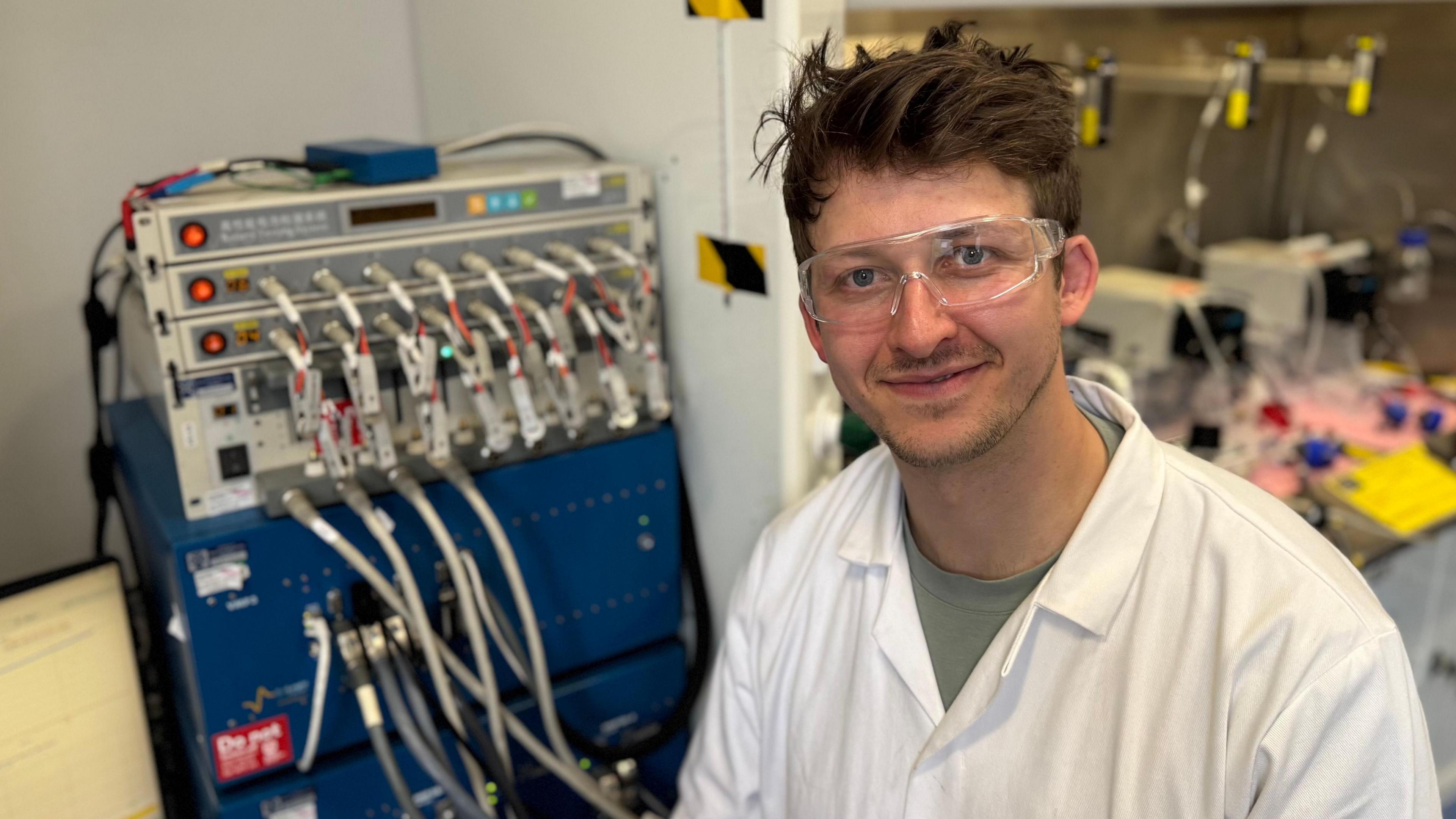
The journey to this significant discovery began with Dr. Hugh O’Connor, a post-doctoral researcher whose personal academic challenge sparked a global solution. During his PhD studies, Dr. O’Connor encountered the formidable barrier of acquiring a commercial flow battery for his research, an essential piece of equipment that would cost an exorbitant £2,000 to £3,000. Faced with this financial impediment, O’Connor ingeniously turned to 3D printing. He embarked on a meticulous process of designing, printing, and refining numerous iterations of flow battery cells. This period of "trial and error" was critical, with each adjustment bringing him closer to a functional and efficient design. Eventually, his persistence bore fruit, yielding cells that performed exceptionally well for his doctoral experiments.
However, O’Connor’s personal success quickly revealed a systemic issue within the broader scientific community. As he attempted to benchmark his results against existing research, he observed a glaring lack of consistent standards. This inconsistency made it difficult to accurately compare and validate findings across different laboratories and studies. During various conferences, meetings, and collaborative calls, it became evident that many of his colleagues were grappling with the same problems. This shared frustration and collective interest in his novel, low-cost cell design positioned O’Connor and his team at a unique crossroads: they possessed a solution to a widespread research bottleneck.
The path forward involved a pivotal decision regarding the intellectual property. In a world where research institutions typically seek to monetise groundbreaking discoveries to secure further funding, O’Connor admitted to briefly considering the "cynical" option of selling his innovative product. However, following discussions with his supervisor, a more impactful strategy emerged. They collectively decided that the greater good, and indeed the greater long-term benefit for their network and the advancement of flow battery technology, lay in freely providing the design to the entire international research community. This altruistic approach transformed a potential commercial venture into a powerful catalyst for global scientific collaboration.
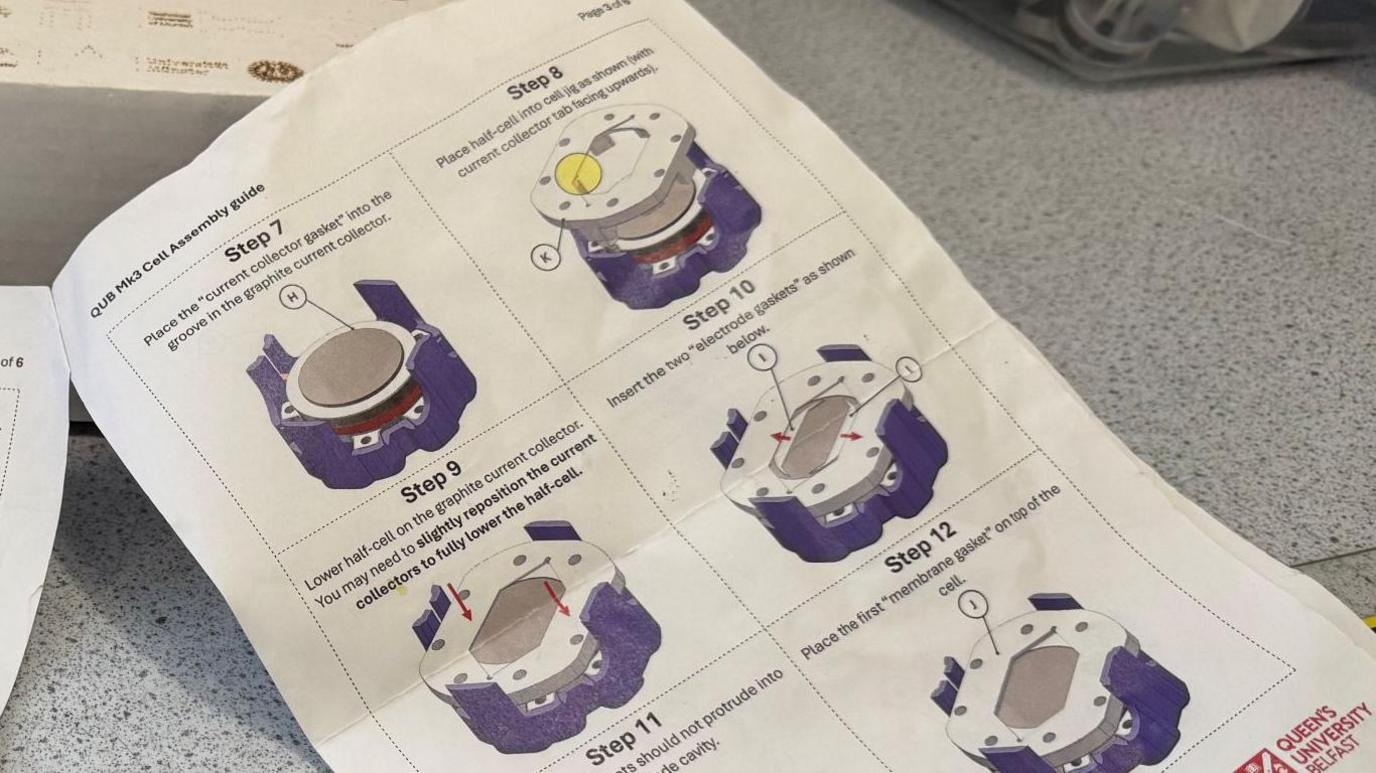
The QUB flow battery design is remarkably accessible, costing approximately £74 to assemble. It comprises about ten essential components, including the intricately 3D-printed channels through which the liquid electrolytes flow, a specialized membrane for ion exchange, gaskets to prevent leakage, electrodes for charge transfer, and current collectors to draw off power. The assembly process, while requiring precision, has been meticulously simplified by an accompanying "Ikea-style instruction manual." This detailed, step-by-step guide has proven instrumental in enabling researchers worldwide to accurately replicate O’Connor’s design, ensuring consistency and reliability across diverse experimental setups. The success of this initiative is a testament to the clarity of the instructions and the collaborative spirit it fosters.
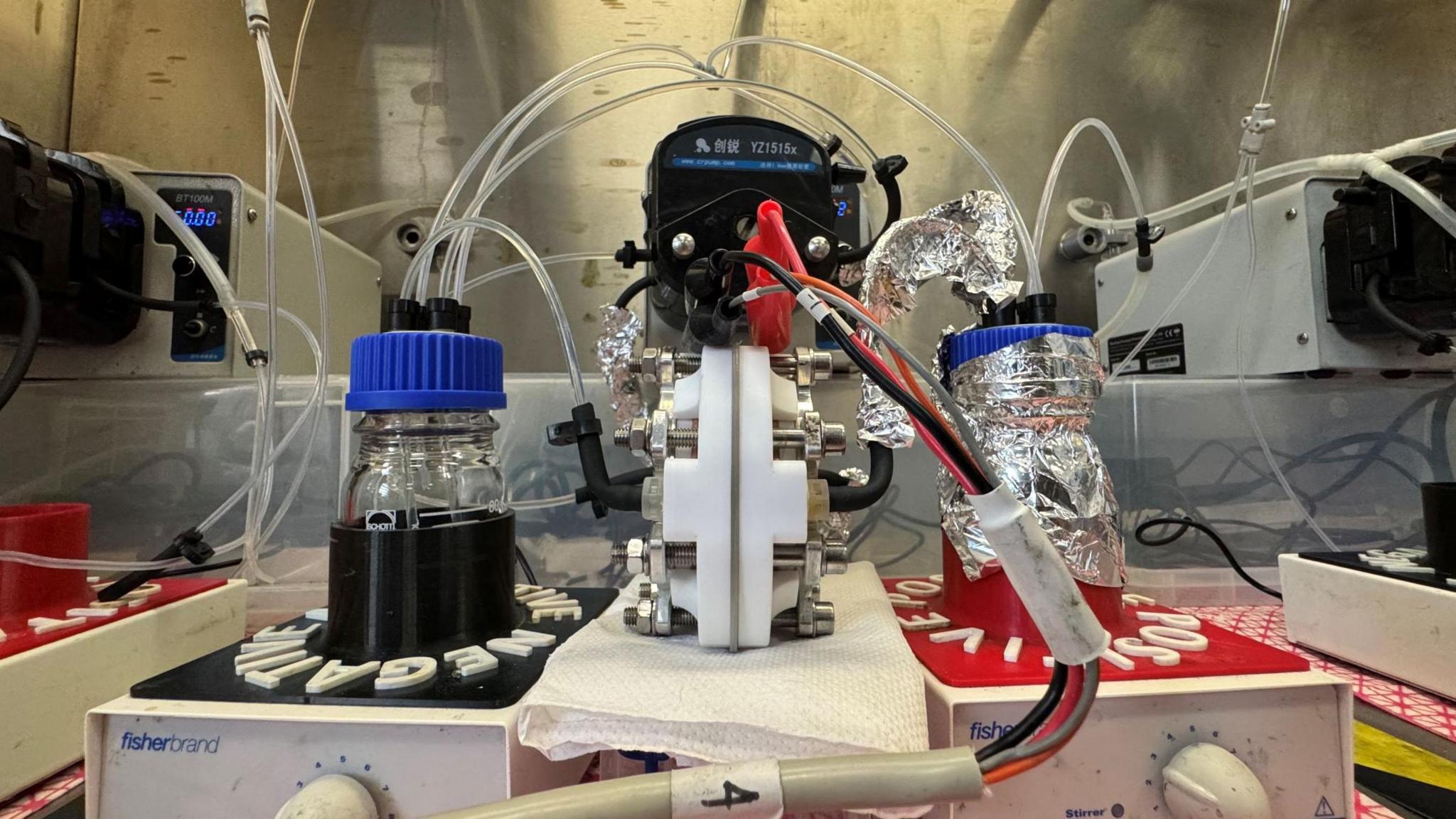
To truly appreciate the significance of this breakthrough, it’s essential to understand what a flow battery is and why it’s considered a game-changer. Unlike traditional lithium-ion batteries that store energy within solid electrodes, flow batteries store energy in liquid electrolyte solutions contained in external tanks. These liquids are then pumped through a central cell where electrochemical reactions occur, generating or storing electricity. Historically, these liquid electrolytes have often contained metallic elements like vanadium, which, while offering certain performance advantages, also come with significant drawbacks. Vanadium, despite being more abundant in the Earth’s crust than lithium, is less accessible and prone to extreme price volatility due to its limited production sites.
These factors have historically constrained the widespread development and deployment of flow batteries, despite their immense potential for large-scale, long-duration energy storage—a critical capability for integrating renewables into the grid. While countries like China have invested heavily in constructing large-scale vanadium flow batteries, and trials have occurred in regions such as Scotland, global progress has been hampered by inconsistent research results. The variability in battery designs, materials, and testing methodologies across different institutions often made it challenging to compare findings, hindering the collective advancement of the technology. The QUB standardized, iron-based cell directly addresses this fundamental issue, providing a reliable and reproducible platform for comparative studies.
This ability to consistently reproduce results using identical equipment across various institutions is invaluable for scientists like Dr. Josh Bailey, an Illuminate Fellow at QUB’s School of Chemistry and Chemical Engineering. Dr. Bailey and his team are spearheading collaborative studies involving multiple international universities, all leveraging O’Connor’s affordable 3D-printed cell. This collaborative framework is building a robust body of evidence, fostering greater confidence in research outcomes. "We really honestly believe that flow batteries can be accelerated by these reproducibility studies and that the technology can be deployed more quickly if we’re all using the same standards," states Dr. Bailey, underscoring the profound impact of this standardization. He further emphasizes the urgency: "If we’re all going to get to 2050 and be at net zero, a lot more of our electricity needs to be stored in technologies like flow batteries."
The increasing global reliance on renewable energy sources makes the advancement of flow battery technology critically important. Last year, renewable sources globally surpassed coal in electricity generation, and the UK recorded its highest-ever amount of renewable energy generation. However, the inherent intermittency of solar and wind power—the sun doesn’t always shine, and the wind doesn’t always blow—necessitates robust, affordable, and scalable energy storage solutions. Without effective storage, surplus energy generated during peak production times is often wasted, or worse, leads to the costly curtailment of renewable assets, where wind turbines are switched off to avoid overwhelming the grid during periods of low demand.

Flow batteries offer a compelling solution to these challenges. Their design, which separates energy storage capacity from power output, allows for flexible scaling: increasing the volume of electrolyte simply adds more storage capacity without affecting the power rating. This modularity, combined with the QUB innovation of using abundant iron, presents a pathway to grid-scale energy storage that is both economically viable and environmentally sustainable. The ability to store large quantities of energy would stabilize national grids, ensure a continuous supply of green electricity, and maximize the efficiency of renewable energy assets by reducing curtailment.
Looking ahead, Dr. O’Connor and Dr. Bailey’s team at QUB are actively engaged in scaling up their research. They are currently testing larger stacks of these 3D-printed cells, moving beyond single-cell experiments to understand how the technology performs at a more industrially relevant scale. "It’s one thing to look at chemistry and a set of materials at the single cell level in a fume hood," Dr. Bailey explains. "It’s another thing to see what it is like once you scale it up to a stack." This progression from single cells to stacks and eventually to full systems is crucial for advancing the technology along the innovation track, allowing researchers to push the boundaries of new chemistries and materials with the ultimate goal of deploying these advanced flow batteries in real-world applications. The QUB breakthrough, driven by ingenuity and a commitment to open science, represents a significant stride towards a future powered entirely by renewable energy.




 George Anjay
 Nakalama John
 atisusanti
 Ramos Leo
 Roy Suryo