Nana Banana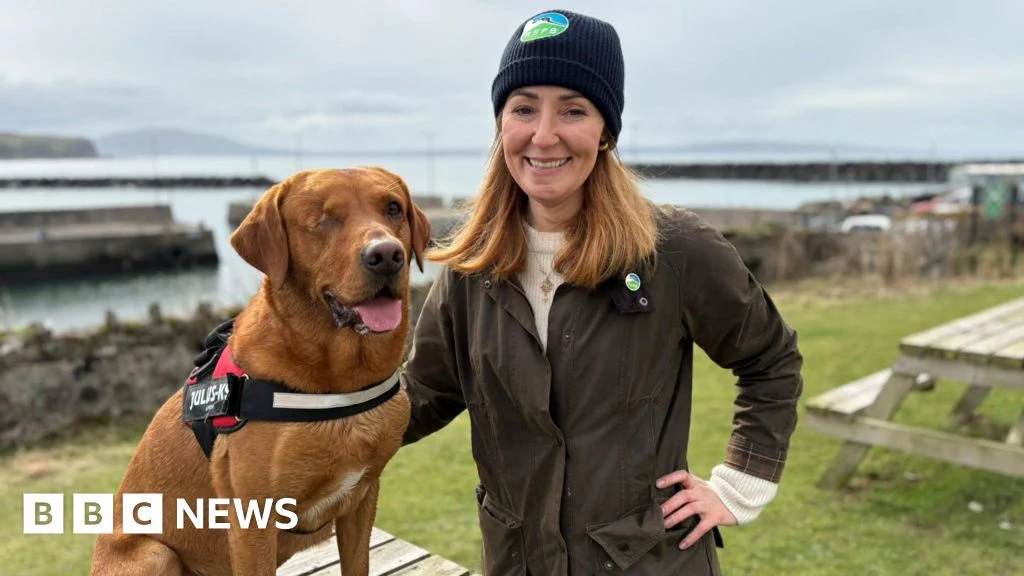
In a monumental achievement for global conservation, Rathlin Island, situated majestically off the coast of County Antrim, Northern Ireland, has officially declared itself ferret-free, marking a world-first in the eradication of this non-native predator from an entire island ecosystem. This significant milestone is the culmination of a five-year, multi-million-pound effort, driven by the collaborative "Life Raft" project, which has breathed new hope into the island’s internationally significant breeding seabird colonies and its diverse native wildlife. The successful campaign, costing £4.5 million, not only involved extensive trapping and community engagement but also famously benefited from the extraordinary dedication of a specially-trained detection dog, Woody, affectionately dubbed the "wonderdog" by locals and conservationists alike.
The journey to this triumph began decades ago with the introduction of the non-native ferret to Rathlin Island in the 1980s. While historical records suggest rats arrived much earlier, likely as stowaways on ships in the nineteenth century, ferrets were deliberately brought to the island with the misguided intention of controlling existing pests, such as rabbits and rats. However, these agile and aggressive predators quickly found easier prey in the island’s vulnerable ground-nesting birds, their eggs, and their chicks. This predatory shift had a catastrophic impact on Rathlin’s delicate ecosystem, especially its internationally renowned seabird populations, which include species like puffins, guillemots, and razorbills.
The severity of the ferret’s destructive presence was starkly highlighted in 2017 when a single feral ferret infiltrated one of the island’s puffin colonies, resulting in the tragic killing of 27 puffins within a mere two-day period. Such incidents underscored the urgent need for intervention, as breeding seabirds across the UK and Ireland have already faced a staggering 62% decline over the last two decades, making every colony’s survival critical. RSPB NI’s Senior Seabird and Marine Policy Officer, Erin McKeown, emphasized this point, noting that alleviating this invasive non-native species pressure was essential to allow seabirds the space to breed, raise their young, and flourish once more.
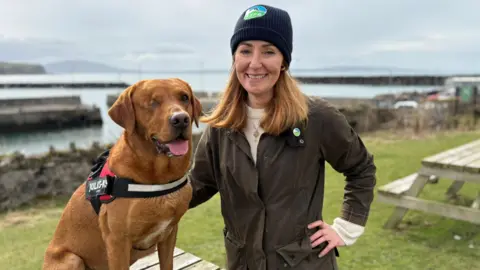
Launched in 2021, the Life Raft project embarked on an ambitious mission to rid Rathlin of both ferrets and rats. The strategy was comprehensive, involving the deployment of more than 400 traps strategically positioned across the island to target ferrets. This was complemented by an even larger operation against rats, with almost 7,000 handmade bait traps set every 250 metres throughout the island in 2024. However, beyond the sheer scale of the trapping effort, the project’s success hinged on a blend of cutting-edge conservation techniques, unwavering community support, and the invaluable contribution of a four-legged hero.
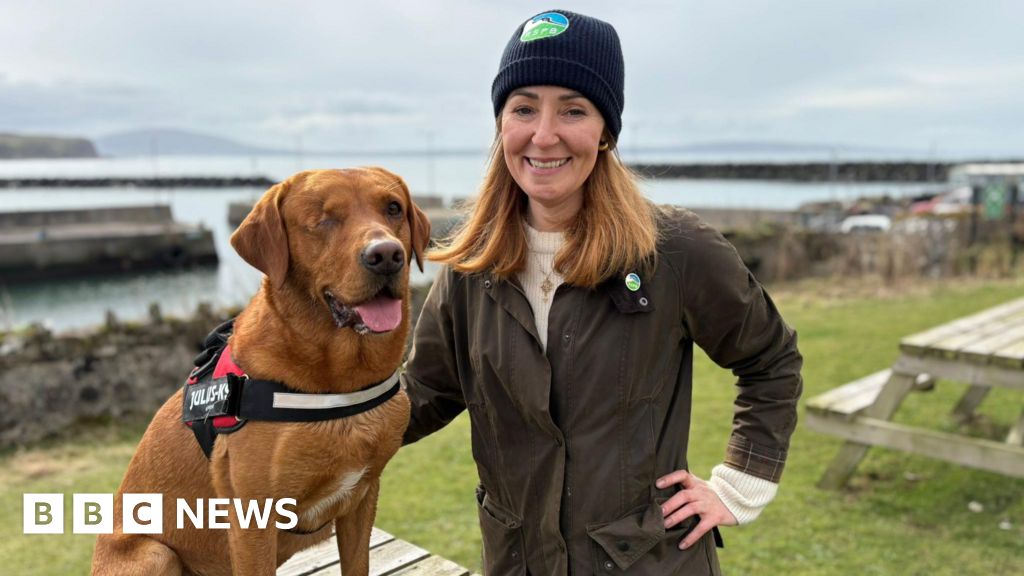
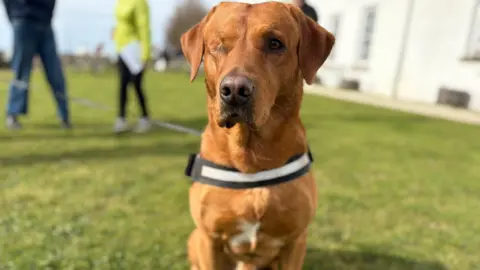
Crucial to the final stages of the ferret eradication was Woody, a fox-red Labrador whose keen sense of smell proved indispensable. Specially trained as a conservation dog, Woody utilized his "super-smelling powers" to meticulously sweep the island, ensuring no remaining ferrets evaded detection. His dedication was unwavering, even after a severe injury during play resulted in the unfortunate removal of one of his eyes. As Claire Barnett, RSPB NI’s area manager, recounted, it was a "freak, unfortunate accident," but crucially, Woody’s nose remained in "full working order," allowing him to continue his vital role in the ferret-free declaration.
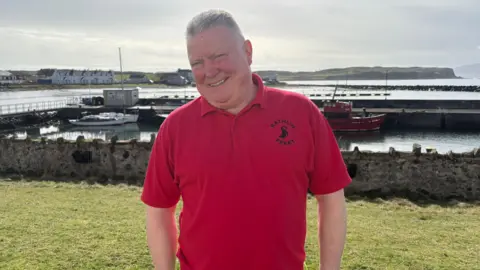
With no ferrets observed on Rathlin since October 2023, the island’s ecosystem is already showing promising signs of recovery. Claire Barnett expressed cautious optimism for the upcoming breeding season, noting that seabird colonies are capable of recovering "very, very quickly." Early indicators from last year’s breeding season are already encouraging, fueling hopes that seabird numbers will "climb up and really secure themselves." This resurgence is not just a win for wildlife but also for the island’s close-knit community.
Lifelong resident and wildlife photographer Tom McDonnell articulated the broader benefits, describing the project as a "win-win" for nature and the islanders. He shared his excitement, stating, "It’s just beyond my wildest dreams." Beyond the seabirds, McDonnell anticipates a significant growth in other native animal populations, particularly the hare population, which had suffered heavy predation on its leverets (young hares) by ferrets. Moreover, the absence of ferrets means that many residents can now once again raise chickens without fear of predation, contributing to the island’s self-sufficiency – a definite positive for the community.
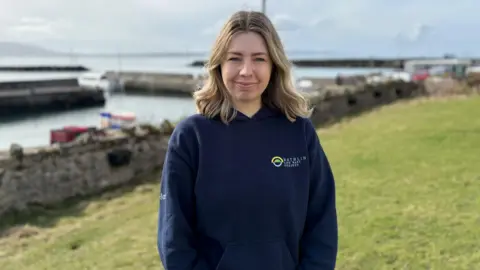
While ferrets have been eradicated, the fight against invasive species on Rathlin continues, with the project now intensely focused on rats. With no rats seen since June 2025, the Life Raft team is highly optimistic about declaring Rathlin rat-free in 2027, further solidifying the island’s status as a safe haven for native wildlife. To ensure the long-term success of these efforts, 110 monitoring cameras are strategically placed across Rathlin, constantly monitored to detect any signs of remaining or returning non-native predators.
Maintaining Rathlin’s newly acquired ferret-free status, and eventually its rat-free status, is paramount. This brings Woody back into the spotlight, transitioning from his role as an invasive species detector to the island’s dedicated biosecurity dog. His new mission is to prevent any unwelcome re-introductions. This involves rigorous checks of incoming supplies such as hay, farm feed, and wood, which can inadvertently harbor rodents. Woody will be on duty, sniffing out potential stowaways during loading at Ballycastle on the mainland and upon arrival at Rathlin, forming a crucial line of defense against future invasions. Erin McKeown underscored the importance of this ongoing work, stating, "We have a biosecurity element to think about, so it’s great to get Rathlin ferret-free, but we want to now make sure that we keep it ferret-free too. So that work is also ongoing to make sure we’ve got really robust biosecurity in place."
Rathlin Island’s remarkable success has resonated internationally, creating a significant buzz at the recent Island Invasives conference in New Zealand. Elizabeth Bell, known as Biz, the managing director of Wildlife Management International – a firm that collaborated with the Life Raft team – highlighted the global significance of Rathlin’s achievement. Bell emphasized that successfully ridding an "aggressive predator" like a ferret from a "unique" environment such as Rathlin demonstrates what is truly achievable through concerted effort. She noted that this project serves as a fantastic example of effective collaboration between conservation agencies and the local community, yielding a critically important goal. Furthermore, the lessons learned from Rathlin, concerning trapping methodologies and community engagement strategies, offer invaluable insights and can be adapted and applied to other islands grappling with invasive species challenges around the world.
Claire Barnett reiterated the broader ecological context of Rathlin’s achievement. "Seabirds are in big trouble," she warned, pointing to the massive global challenges they face, including climate change, warming waters, overfishing, and plastic pollution. While these larger issues require global solutions, providing seabirds with a safe, predator-free place to nest is a concrete and immediate step that conservationists can take. Given that seabirds typically lay only one egg per year, ensuring their breeding success is vital to prevent rapid population declines. Rathlin Island now stands as a beacon of hope, demonstrating that through dedicated effort, innovative strategies, and community resolve, it is possible to create secure havens where vulnerable wildlife can thrive once more. The island’s transformation is a testament to the power of conservation, a triumph not only for Rathlin but for the global fight against invasive species.


 George Anjay
 Nakalama John
 atisusanti
 Ramos Leo