
 George Anjay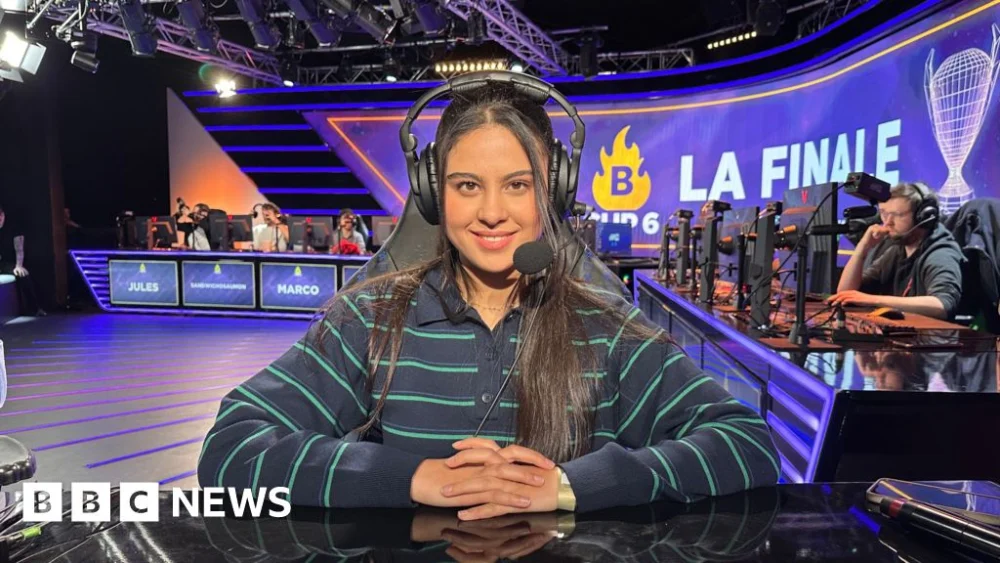
The ancient game of chess, long associated with hushed halls and intense intellectual battles, is undergoing a vibrant transformation, thanks to a new wave of female content creators. These dynamic women are breathing 21st-century life into the 1,500-year-old pastime, injecting it with energy, personality, and a digital-first approach that is captivating a global audience. From fast-paced "bullet" matches to viral video trends, they are redefining what it means to be a chess player and content creator in the modern era.
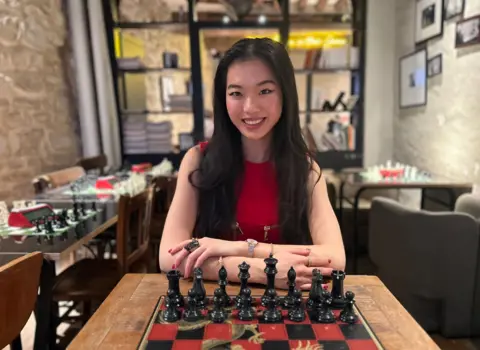
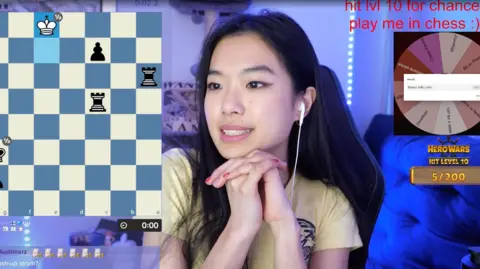
Nemo Zhou, a Woman Grandmaster, found herself "losing [her] mind" during the COVID-19 lockdowns. Seeking a creative outlet and a way to earn income, she turned to streaming chess in 2020. Her timing was serendipitous. Just months after launching her own channel, the critically acclaimed Netflix series The Queen’s Gambit ignited a global chess renaissance. Capitalizing on this unprecedented surge in interest, Zhou, then a student pursuing degrees in economics and mathematics at the University of Toronto, made the bold decision to drop out of university and dedicate herself to her burgeoning streaming career.
"You have to really put yourself out there," Zhou emphasizes, a sentiment that has clearly guided her journey. Now 26, she boasts an impressive following of over two million across platforms like Twitch, Instagram, YouTube, and TikTok. Her daily routine involves streaming for five to six hours, at least five days a week, with her largest audiences tuning in on weekends. Her content is a compelling mix of online play, in-person challenges – including encounters with the legendary chess hustlers of New York’s Washington Square Park – and engaging commentary.
Zhou’s success has translated into lucrative commercial sponsorships and collaborations, enabling her to travel the world. Her income streams are diverse: YouTube revenue is generated through views, advertising, and brand deals, while Instagram provides income via sponsored posts. On Twitch, she earns from subscriptions, which start at approximately $5 (£3.70) per month in the US, and from "bits," the platform’s virtual currency used for donations. Dr. Nina Willment, an associate researcher at the University of York, estimates that a creator with Zhou’s reach could comfortably earn a six-figure annual salary by combining income from all platforms. However, she cautions that these figures are broad estimates, as most streamers prefer to keep their earnings private. Zhou herself declined to comment on her specific income. Willment also notes that Zhou’s substantial following places her within the top 1-2% of content creators worldwide.
The transformation of chess into a digital spectacle is a testament to the innovative spirit of creators like Zhou. The game, once characterized by long, silent matches in formal settings with minimal engagement for casual viewers, is now embracing dynamism. Top tournaments increasingly feature "rapid" and "blitz" formats, where games can be decided in as little as three minutes per player. To heighten the drama, some events now equip players with heart rate monitors, offering viewers a visceral glimpse into the intense pressure of critical moments.
The inclusion of chess in the Esports World Cup in Riyadh, Saudi Arabia, last year marked a significant milestone, and its return with an expanded participant list this year further solidifies its place in the competitive gaming landscape. Fiona Steil-Antoni, a Woman International Master and a prominent commentator and interviewer at international tournaments, believes these changes are crucial for shedding chess’s image as an "old man’s game." "I think we needed a bit of a makeover," she states, "and we’re very much getting that."
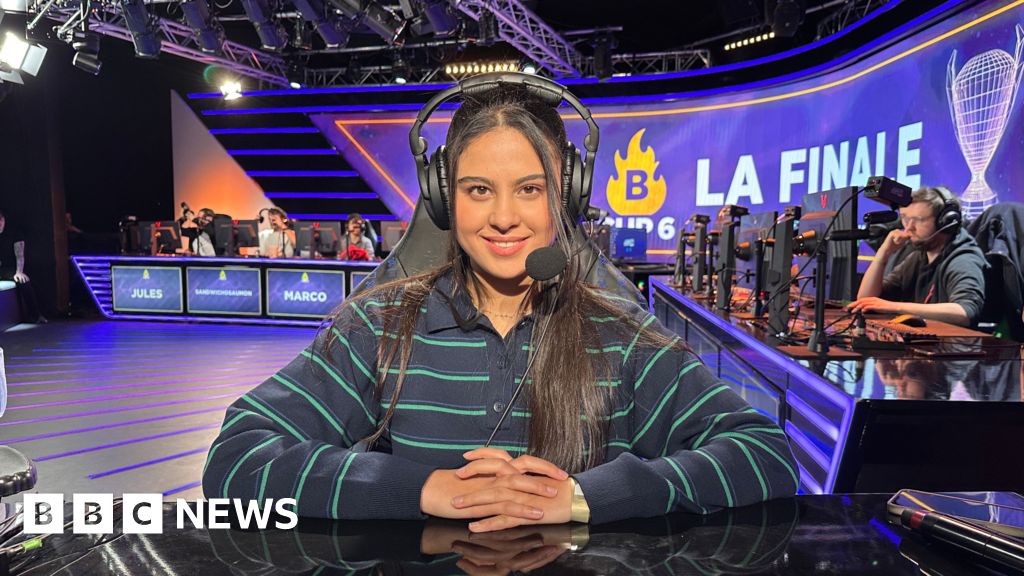
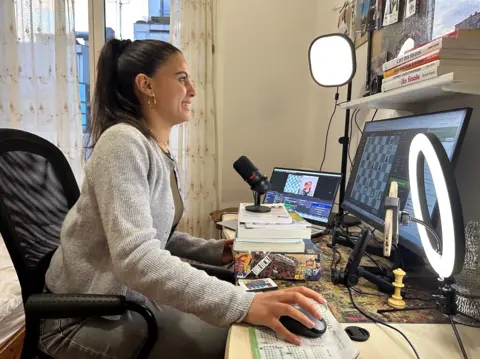
Among those inspired by Zhou’s trailblazing path is Sarah El Barbry, a 24-year-old content creator with Egyptian and Moroccan heritage who grew up in Paris. El Barbry began creating chess content on TikTok in 2023 and transitioned to streaming the following year, motivated by a perceived lack of French-speaking female streamers. Her content portfolio includes online chess matches, educational segments, and captivating in-person challenges, such as blindfolded games where players visualize the entire board mentally.
A video El Barbry posted last November, showcasing a swift checkmate achieved with only a King and Queen, went viral, amassing an astonishing 28 million views and boosting her follower count by 10,000. She now has over 75,000 followers across various platforms. "Since I started, I’ve never stopped thinking about content creation. I work sometimes during the night from midnight to 3 am," she reveals, highlighting her dedication.
While content creation can be a lucrative career for those who achieve significant success, it’s a path fraught with uncertainty. Initially, El Barbry earned just $117 (£87) per month from streaming before expanding to YouTube. Her current monthly income is around $1,700 (£1,300), which, she notes, is still below France’s minimum wage. Dr. Willment points out that the dazzling success stories of streamers like Zhou and El Barbry can overshadow the reality for "thousands, if not millions of people" who are earning nothing while striving to gain traction in the competitive creator space. El Barbry is currently giving herself six months to establish herself as a full-time streamer, with a backup plan to pursue a career in the corporate world, leveraging her civil engineering degree and master’s in business management.

"I know I have more viewers because I’m a girl," El Barbry candidly admits, reflecting on the gender dynamics of the chess streaming community. As of January 2026, female-led channels constitute approximately half of the top 20 most-watched chess streams on Twitch, excluding large corporate entities, according to Twitchmetrics. However, the broader chess content creation landscape and its audience remain predominantly male. El Barbry estimates that her audience was 95% male when she began, a figure that has since shifted to around 85%. She acknowledges that her gender may contribute to her viewership numbers, stating, "I’m OK with that because, you know, it’s a part of the game." Zhou observes a similar trend, with her YouTube audience being roughly 80% male, while her Instagram chess page boasts an impressive 50-50 gender split, a statistic she finds "pretty crazy and pretty cool."
The impact of the chess boom is demonstrably encouraging more women and girls to engage with the game competitively. Data from the world chess federation Fide indicates that the proportion of female players registered for standard time control games has increased from 10% in 2020 to 16.5% in 2026. Despite this positive trend, the highest echelons of professional chess remain heavily male-dominated. Currently, no women are ranked within the top 100 players globally, and only three women in history have achieved this distinction. Studies suggest that performance disparities can be attributed to a confluence of factors, including lower participation rates, a scarcity of female coaches, and environments that can be perceived as unwelcoming by girls and women. Notably, participation gaps are significantly smaller in countries where chess is integrated into primary school curricula, such as Mongolia (nearly 40% female Fide registered players), Sri Lanka (35%), and Uganda (30%). Steil-Antoni expresses cautious optimism that the game will move closer to achieving a degree of gender equality within her lifetime.
Zhou is now expanding her horizons beyond chess, venturing into lifestyle, travel, and fashion content, even participating in Paris Fashion Week in October. Her aspirations include signing with a modeling agency and reaching one million followers on her Instagram chess page. El Barbry, meanwhile, is focused on her six-month goal to succeed as a streamer. She recently made her debut as a commentator at a major esports event in January, describing the past few months as an "adventure." "I feel that this year is going to be crazy. It’s going to be everything or nothing," she declares, embodying the high stakes and exhilarating potential of her chosen path. The rise of these women content creators is not just changing the perception of chess; it’s actively shaping its future, making it more inclusive, dynamic, and captivating for a new generation.


 Nakalama John
 atisusanti
 Ramos Leo
 Roy Suryo
 Nana Banana