
 Ramos Leo
Under the government’s plans, the standard period for most migrant workers to achieve permanent residence – also known as indefinite leave to remain – would double from five years to ten years. For refugees, the path to settlement could become even more protracted, potentially extending to two decades. These changes represent a fundamental shift in policy, altering the established expectations and trajectories for many who have made the UK their home, often under the implicit understanding of the previous rules.
Rayner’s pointed criticism came during a significant address to the Mainstream group, a prominent centre-left organisation within the Labour Party, signaling her intention to shape the party’s direction. In what is being seen as one of her most impactful interventions since becoming Deputy Leader, Rayner used the platform not only to challenge the government’s immigration agenda but also to reflect on Labour’s own identity. She suggested that the public increasingly views Labour as having "represented the establishment," a perception she clearly believes needs to be urgently addressed.
The essence of Rayner’s argument against the immigration reforms rests on the idea of fair play and stability. She articulated a profound concern for those who now "fear for their future" because the government is effectively "moving the goalposts" after they have made substantial commitments and contributions to British society. This sentiment taps into a widely held British value of fairness and predictability, suggesting that retrospective changes to immigration rules undermine the very principles of trust and stability that underpin a just society.
Home Secretary Shabana Mahmood has, however, defended the proposed reforms, characterizing them as "fair" and necessary to prevent a "drain on our public finances." Mahmood, who recently appeared before the Home Affairs Committee, reiterated that settlement in the UK is a "privilege not a right." She argued that a five-year period for permanent settlement is "quite a short period before people can be permanently settled in the country with all of the benefits that that brings," thereby justifying the extension of this period as a responsible measure.
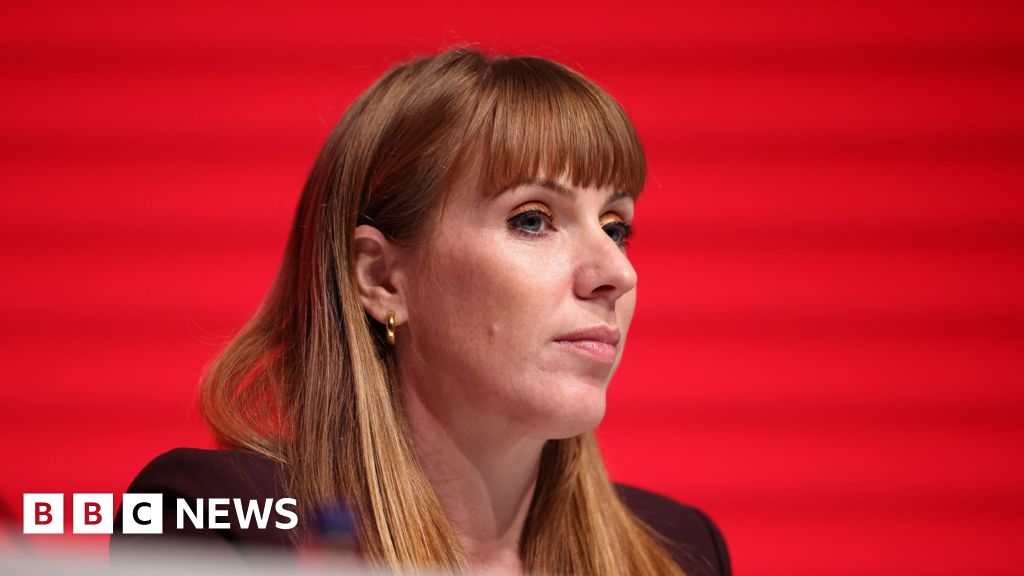
Rayner’s intervention is also interpreted as part of a broader effort to encourage the Labour leadership, under Sir Keir Starmer, to adopt a more left-leaning policy platform. This internal pressure has intensified following Labour’s recent defeat to the Green Party in last month’s Gorton and Denton by-election, an outcome that has fueled calls for a re-evaluation of the party’s strategic direction. Rayner starkly warned that the "very survival of the Labour Party is at stake," emphasizing that it "cannot just go through the motions in the face of decline" and stressing, "We’re running out of time." This highlights a growing ideological tension within the party between those advocating for a more centrist, electability-focused approach and those, like Rayner, pushing for a return to more traditional Labour values and a bolder progressive stance.
The impact of "moving the goalposts" for migrants, as Rayner described it, extends beyond mere bureaucratic changes. For individuals and families who have invested years in their careers, education, and community integration, the prospect of a lengthened, uncertain path to settlement creates immense psychological and practical burdens. It can disrupt long-term planning, affect employment opportunities, and create a pervasive sense of insecurity. Rayner underscored that these individuals have made "a huge investment" in the UK, implying a reciprocal obligation from the state. To unilaterally alter the terms of this unspoken contract, she contended, not only undermines personal stability but also damages the UK’s reputation as a fair and reliable nation.
The Home Office’s rationale for the reforms is underpinned by figures indicating a significant increase in net migration. They report that net migration – the difference between those entering and leaving the country – added 2.6 million people to the UK population between 2021 and 2024. Based on these trends, the department forecasts that approximately 1.6 million people could settle between 2026 and 2030 if the current rules remain unchanged. This projection forms the basis of their argument that extending the settlement period is a necessary measure to manage population growth and its perceived impact on public services and finances.
However, critics argue that such a narrow focus on net migration figures overlooks the substantial economic and social contributions made by migrants. Many migrant workers fill critical labour shortages, pay taxes, and contribute to the cultural richness of the country. Rayner’s call for "sustainable economic migration rules" implicitly acknowledges the need for managed migration but insists that this must be balanced with upholding "British values" of fair play and respect for those who contribute. She stressed that a country should be one "that upholds the British values we want all who live here to respect," suggesting that fairness and trust are paramount in the interaction between the state and its residents, irrespective of their origin.
The political reverberations of Rayner’s speech were immediate. Cabinet Office Minister Nick Thomas-Symonds, speaking to BBC Radio 5 Live, stated he had not yet read the speech but insisted that the "impatience to deliver change is shared right across government." While sidestepping direct commentary on Rayner’s specific proposals, he firmly defended Sir Keir Starmer’s leadership, asserting that he had shown "fine leadership" and was "absolutely the person to lead our country." This response highlights the government’s unified front on its policy direction and its commitment to Starmer’s leadership, despite internal calls for a shift.
Greater Manchester Mayor Andy Burnham offered a more nuanced perspective, telling BBC Radio 4’s Today programme that he "understood where Rayner was coming from" and that Labour "would do well to listen to what Angela has to say." This endorsement from a prominent figure on Labour’s left-wing demonstrates the resonance of Rayner’s message within certain factions of the party. However, Burnham also acknowledged the government’s efforts, pointing to a recent speech by the Chancellor of the Exchequer that signaled a "radical shift away from the status quo by putting forward a plan for fiscal devolution" as a "big sign of a real response." He also suggested that the government "has a story to tell here" regarding the fall in net migration, which could "allow some breathing space for a considered debate on the proposals." Notably, Burnham also expressed his own concerns about a policy to make refugee status temporary, indicating a broader apprehension about the government’s approach to immigration among some Labour figures.
The debate over immigration reforms, particularly concerning settlement, touches upon fundamental questions of national identity, economic strategy, and social justice. Settlement, or indefinite leave to remain, is more than just a legal status; it grants individuals the right to live, work, and study in the UK without time limits, access public funds if eligible, and ultimately provides the stability necessary for full integration into society. For many, it is the culmination of years of effort and contribution, a pathway to full citizenship and belonging.
Rayner’s assertion that the changes are "un-British" invokes a historical and cultural understanding of fairness, hospitality, and predictable legal frameworks. It challenges the notion that the UK can unilaterally alter the terms under which people have legally entered and contributed to the country without undermining its own values. Her argument is that such actions erode trust not only among the migrant community but also among the wider public, who expect their government to act with integrity and uphold established principles.
The political stakes for both the Labour Party and the government are significant. For Labour, Rayner’s intervention underscores the internal ideological battleground as the party navigates its path to a potential general election. Reconciling the calls for a more progressive stance on issues like immigration with the leadership’s apparent drive towards the centre will be crucial for maintaining party unity and appealing to a broad electorate. For the government, the proposals on immigration are part of a wider agenda to demonstrate control over borders and address public concerns about migration levels. However, facing accusations of being "un-British" and breaking trust could present a challenge to their narrative of fairness and effective governance.
Ultimately, the debate instigated by Angela Rayner’s warning highlights the complex interplay between policy, ethics, and national values in contemporary British politics. It forces a national conversation about what "Britishness" truly entails in the context of immigration, and how the government balances economic pressures with its responsibilities to those who have chosen to make the UK their home.




 Roy Suryo

 Nakalama John
 atisusanti
