Roy Suryo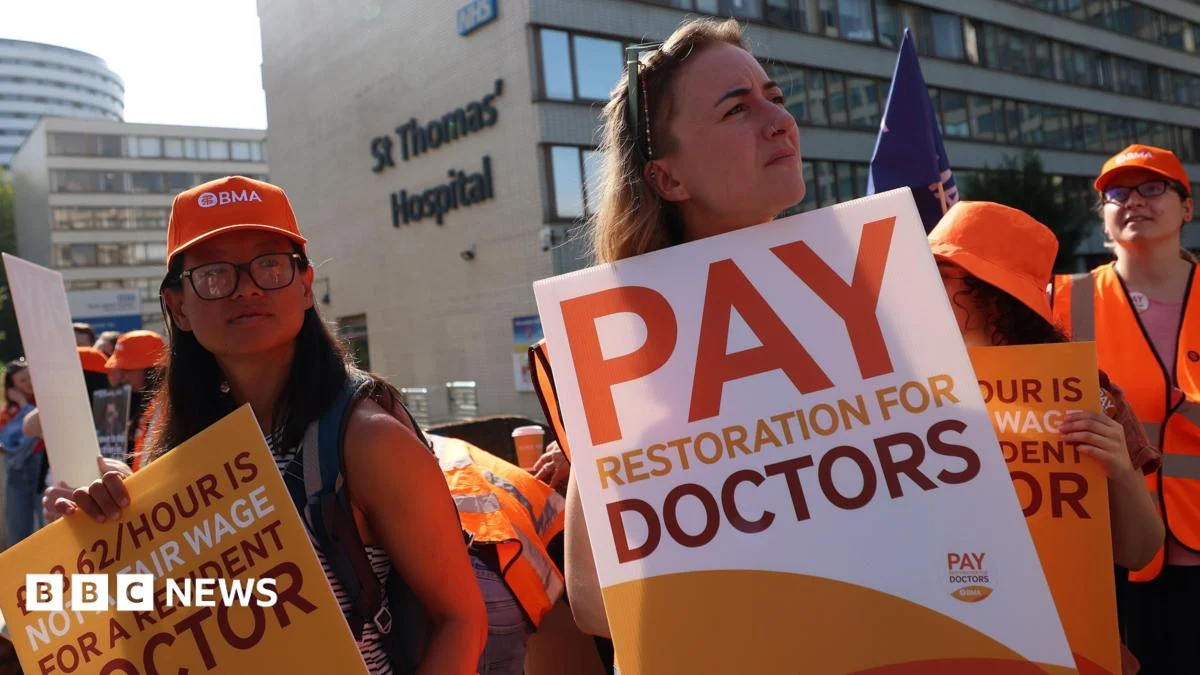
After a protracted period of industrial action that has significantly disrupted patient care across England, resident doctors have overwhelmingly voted to accept a revised pay and jobs offer from the government, marking a pivotal moment in resolving a dispute that has spanned three years. This momentous decision, announced following a referendum among British Medical Association (BMA) members, signals the end of a turbulent chapter characterized by repeated strikes and widespread appointment cancellations, offering a much-needed respite for both medical professionals and the beleaguered National Health Service (NHS).
The newly agreed-upon offer, the culmination of intense negotiations and a series of previous proposals, addresses several key concerns that fueled the doctors’ discontent. Central to the agreement is a commitment to increasing training opportunities for newly qualified doctors, a crucial step towards bolstering the future workforce of the NHS. Specifically, the government has pledged to create an additional 4,500 training places, a significant investment designed to address the burgeoning demand for medical expertise and ensure a smoother career progression for junior doctors. This expansion of training posts is intended to alleviate the pressure on existing doctors and provide a clearer pathway for those entering the profession.
Furthermore, the deal promises a more streamlined and accelerated pay progression system, a long-standing grievance among resident doctors who often feel their salaries do not reflect their increasing experience and responsibilities. The offer outlines a plan to shorten the time it takes for doctors to reach higher pay scales, thereby recognizing their growing contributions to patient care. This faster progression is expected to improve morale and provide a greater sense of value and reward for their dedication.
In a significant move to alleviate the financial burden on junior doctors, the agreement also includes provisions for covering out-of-pocket expenses. This encompasses reimbursement for essential professional development costs, such as exam fees, which can represent a substantial financial outlay for doctors pursuing further qualifications and specializations. By absorbing these costs, the government aims to remove a tangible barrier to career advancement and demonstrate a commitment to supporting doctors’ professional growth.
The impact of the industrial action on patient care has been profound, with hundreds of thousands of appointments, procedures, and outpatient consultations cancelled over the past few years. These disruptions have not only led to increased waiting times but have also placed immense strain on the healthcare system and caused considerable anxiety for patients awaiting treatment. The end of the strikes is therefore a welcome development for the millions of individuals who rely on the NHS for their healthcare needs.
The BMA’s referendum saw a significant level of engagement, with 57% of eligible members participating in the vote. Out of the 32,932 doctors who cast their ballots, a substantial 53% voted in favour of accepting the government’s offer. This majority, while not unanimous, represents a clear mandate from the membership to bring an end to the dispute and move towards a more constructive relationship with the government. The high turnout underscores the importance of this decision for the resident doctor community.
The financial elements of the offer are also noteworthy. This year, resident doctors will receive a 3.5% pay rise, a figure that aligns with the recommendations of an independent review body. This increase is a direct response to the sustained campaigning and industrial action by the BMA, which has highlighted the erosion of real-terms pay for doctors over the past decade.
Beyond the immediate pay rise, the offer includes provisions for backdated pay, which will be applied from April 2026. This backdating, when combined with the wider package, is projected to result in an average increase of 4.9% for the current year, according to government figures. This retrospective adjustment aims to compensate doctors for the period of stagnant or insufficient pay increases they have experienced.
Looking ahead, the pay increases are set to continue. By April 2027, the union has indicated that resident doctors can expect an average pay rise of 6.6%, with further increases planned beyond that. This commitment to sustained pay progression demonstrates a long-term vision for ensuring that doctors’ remuneration remains competitive and reflective of their vital role in society.
The proposed salary structure under the new agreement aims to provide a more attractive financial package. Starting salaries for resident doctors will now exceed £40,000, a significant improvement that aims to make the profession more appealing to aspiring medical professionals. For the most senior resident doctors, basic pay will reach £76,500. It is important to note that these figures represent basic pay and do not include additional earnings from working unsociable hours, overtime, and other supplementary duties, which can significantly boost a doctor’s overall annual income, potentially adding thousands more each year.
Dr. Jack Fletcher, chair of the BMA’s resident doctors committee, expressed a sentiment that resonated with many of his colleagues. He stated, "These strikes did not need to happen. We spent far too long at loggerheads with the government when a solution in everyone’s interest was waiting for us: more jobs for doctors, better pay for doctors, and a better-staffed NHS secured for patients well into the future." This comment encapsulates the frustration felt by many who believe that a resolution could have been reached sooner, highlighting the desire for a more collaborative approach to addressing the challenges facing the NHS.
The government, through Health and Social Care Secretary James Murray, has welcomed the decision, framing it as a positive outcome for all stakeholders. Murray commented, "Drawing a line under the disruption was good news for resident doctors, patients and the NHS as a whole." This statement underscores the government’s perspective that the resolution of the dispute is a collective victory, paving the way for a renewed focus on delivering high-quality healthcare services without the impediment of industrial action. The end of these strikes represents a critical step towards rebuilding trust and stability within the NHS and ensuring its long-term sustainability.




 George Anjay
 Nakalama John
 atisusanti
 Ramos Leo