George Anjay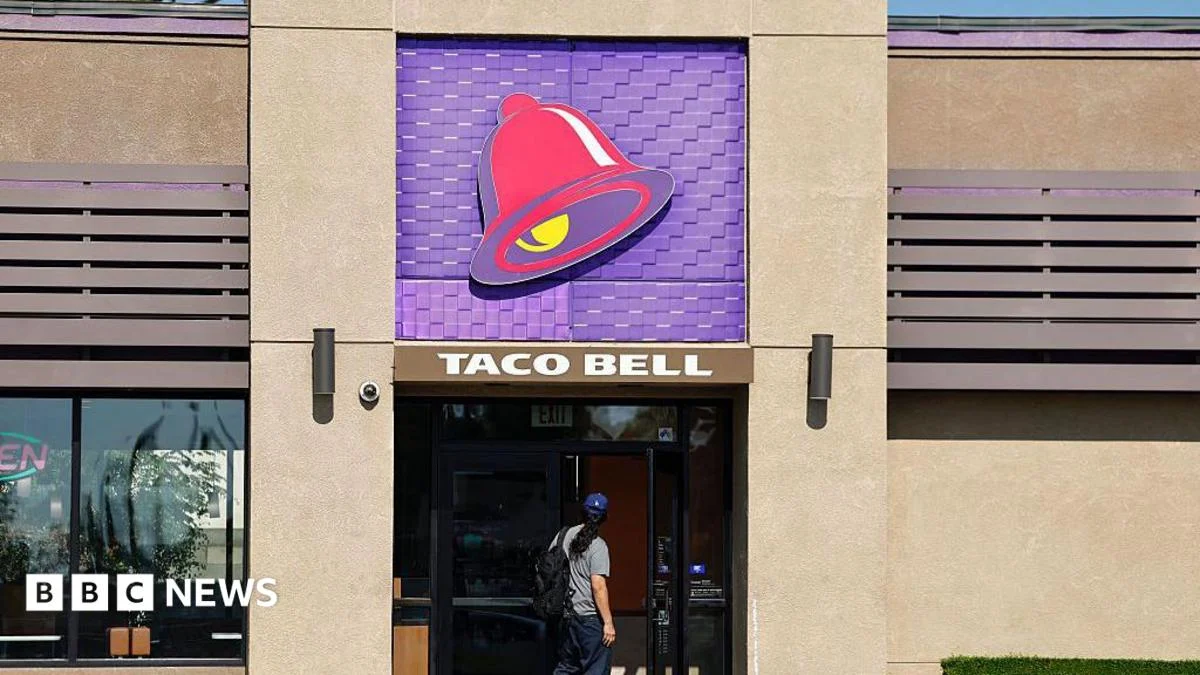
In a move prompted by a concerning link to a parasitic outbreak causing severe gastrointestinal distress, fast-food giant Taco Bell is enacting a significant menu change, removing lettuce from its offerings in several affected states. This decisive action, taken "out of an abundance of caution," follows extensive discussions with public health officials and comes as the Centers for Disease Control and Prevention (CDC) has identified a substantial number of cyclosporiasis infections across the United States. The parasitic illness, known for its debilitating symptoms, has been directly linked to exposure to Taco Bell in 1,645 reported cases spanning five states. While no fatalities have been reported, the severity of the outbreak is underscored by the 94 individuals who required hospitalization due to the infection, the first detection of which was reported on May 13th.
The US Food and Drug Administration (FDA) has issued a stark warning to consumers, specifically advising them to avoid food items containing shredded iceberg lettuce sourced from Mexico at Taco Bell locations in Indiana, Kentucky, Michigan, Ohio, and West Virginia. In response to these findings, Taco Bell has confirmed that lettuce from one of its suppliers is being indefinitely removed from its supply chain and will be replaced with an alternative. The company, while emphasizing that no official advisory has been issued by health authorities for the entire chain, articulated its belief in a shared responsibility for public health, extending this to restaurants, their suppliers, and regulatory bodies.
While Taco Bell has not explicitly named the states where lettuce will be completely removed from menus, the epicenter of the outbreak appears to be Michigan, which has reported an alarming number of cases exceeding 3,300. Investigations by US health officials have traced the origin of the outbreak to a lettuce supplier based in Mexico. US media reports have identified this supplier as Taylor Farms. In a statement provided to the BBC, Taylor Farms acknowledged the gravity of the situation and confirmed its proactive step of "voluntarily removing all iceberg lettuce sourced from central Mexico from the U.S. market." The company indicated that tracking efforts by FDA officials pointed to one of its independent farms as the potential source of the contamination.
The symptoms of cyclosporiasis infections are insidious, often taking approximately two weeks to manifest after exposure. Once present, they can be profoundly disruptive, characterized by prolonged periods of watery diarrhea that can persist for days. Accompanying symptoms frequently include sudden and significant weight loss, coupled with a noticeable loss of appetite, contributing to the overall debilitation of infected individuals.
The challenge in pinpointing the source of parasitic outbreaks like cyclosporiasis is well-documented, and experts have highlighted the inherent difficulties in tracing such microscopic contaminants. Steven Manderach, executive director of the Association of Food and Drug Officials, likened the task to finding a "microscopic portion of a needle in a haystack," underscoring the complexity of the investigation. This diagnostic challenge, he suggests, may be further exacerbated by recent cuts to federal health agencies, potentially hindering their capacity to conduct swift and thorough investigations. The multi-state nature of the outbreak, coupled with the incubation period of the parasite, means that the full scope of the problem may not be immediately apparent, requiring ongoing vigilance from both health authorities and the public.
The decision by Taco Bell to proactively remove lettuce from its menu, even in the absence of a universal recall order, reflects a heightened awareness of food safety and a commitment to consumer well-being. This move demonstrates a willingness to take swift action when potential risks are identified, prioritizing the health of their patrons. The involvement of the FDA and CDC in tracing the outbreak signifies a coordinated effort to identify and mitigate the source of the contamination, aiming to prevent further spread and illness.
The outbreak serves as a stark reminder of the intricate global supply chains that underpin the modern food industry and the critical importance of rigorous food safety protocols at every stage, from farm to table. The reliance on international suppliers, while offering economic advantages, also introduces potential vulnerabilities that require robust oversight and continuous monitoring. The transparency demonstrated by both Taco Bell and Taylor Farms in acknowledging the potential link and taking corrective actions is a positive step in rebuilding consumer confidence.
The parasitic agent responsible for cyclosporiasis, Cyclospora cayetanensis, is a single-celled organism that thrives in contaminated water and food. Its transmission typically occurs through the ingestion of contaminated produce or water. Ingestion of the parasite leads to an infection in the small intestine, causing the characteristic gastrointestinal symptoms. The prolonged incubation period means that individuals who consumed contaminated lettuce weeks ago may still be developing symptoms, making it crucial for those experiencing such ailments to report them to healthcare providers and for health agencies to continue monitoring for new cases.
The collaboration between Taco Bell, its suppliers, and public health agencies is a testament to the multi-faceted approach required to address foodborne illness outbreaks. While the removal of lettuce is a significant step, ongoing investigations will likely focus on identifying the specific practices or conditions at the affected farm that led to the contamination. This could involve examining irrigation methods, sanitation practices, and the use of pesticides or fertilizers. The findings of these investigations will be crucial in preventing future occurrences and ensuring the long-term safety of the food supply.
The economic implications of such an outbreak can be substantial, not only for the affected restaurant chain but also for its suppliers and the broader agricultural sector. The loss of consumer trust can be difficult to regain, and companies must invest in rebuilding that confidence through consistent quality and safety. Taco Bell’s proactive stance, coupled with the supplier’s willingness to take responsibility, represents a crucial element in this process.
As the situation unfolds, consumers are advised to remain vigilant and report any unusual or severe gastrointestinal symptoms to their healthcare providers. Health authorities will continue to provide updates and guidance as more information becomes available. The focus remains on ensuring the safety of the food supply and protecting public health from the threat of foodborne illnesses. The removal of lettuce from Taco Bell’s menu, while a localized measure, highlights a broader commitment to addressing potential risks and safeguarding the well-being of customers across the nation. The dedication of experts like Steven Manderach underscores the critical role of public health officials in navigating these complex challenges, even when faced with resource constraints. The collective efforts of all stakeholders are paramount in preventing future outbreaks and ensuring that the food we consume is both safe and enjoyable. The situation involving Taco Bell and cyclosporiasis serves as a potent reminder of the interconnectedness of our food system and the vital importance of unwavering diligence in maintaining its integrity.




 Roy Suryo