
 Nana Banana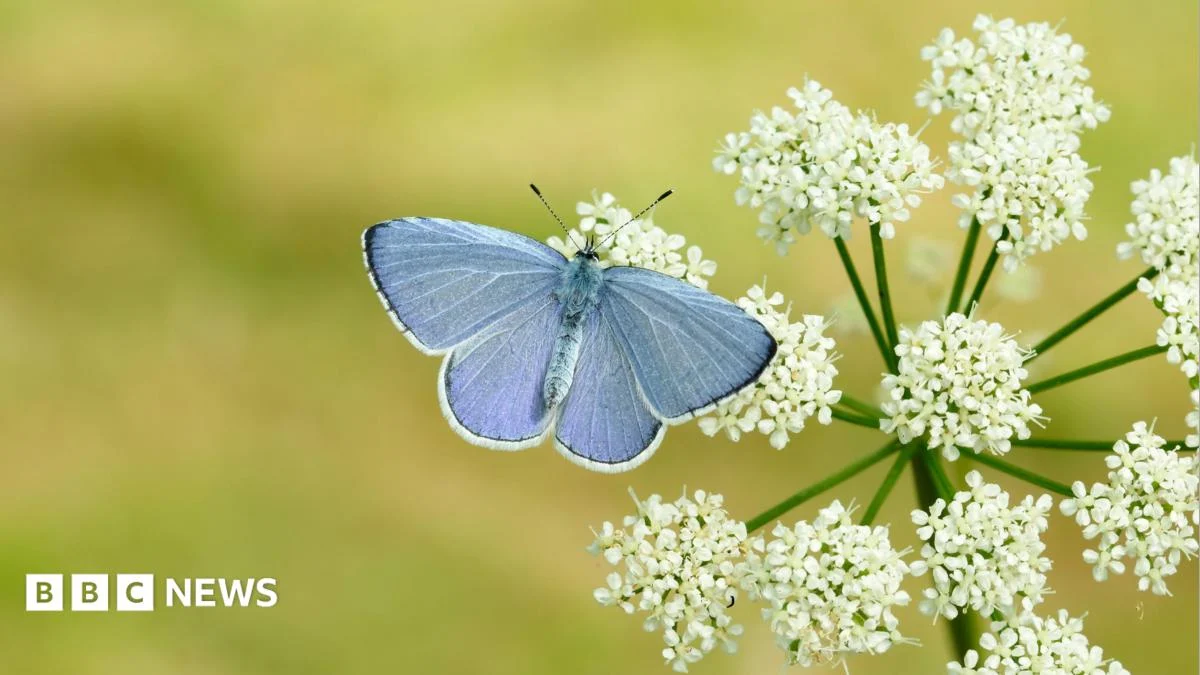
The Big Butterfly Count 2026 is scheduled to run from 17 July to 9 August, inviting members of the public across the United Kingdom to become citizen scientists. Organised by Butterfly Conservation, the world’s largest invertebrate conservation charity, the count is a cornerstone of their efforts to monitor and protect butterflies and moths. Participants are encouraged to choose a suitable spot – be it a garden, park, woodland, or any outdoor space – and dedicate 15 minutes to meticulously counting every butterfly and moth they observe within that timeframe. The data collected is then logged on the charity’s dedicated website or via its user-friendly mobile application, contributing to an invaluable national dataset that helps scientists track population trends and identify areas requiring urgent conservation intervention.
Professor Helen Roy, a distinguished entomologist affiliated with the UK Centre for Ecology and Hydrology and the University of Exeter, expressed cautious optimism regarding the potential for a positive year. She articulated that encouraging news for butterfly populations could serve as a significant indicator that other insect species may also be thriving. Butterflies, often referred to as "indicator species," are highly sensitive to environmental changes due to their specific habitat and food requirements. Their welfare frequently mirrors the health of broader ecosystems, meaning a boost in butterfly numbers could signal improved conditions for a multitude of other invertebrates, which form the bedrock of countless food webs.
Professor Roy acknowledged the stark reality of the long-term fall in butterfly populations, a worrying trend that has been consistently observed since the 1970s. This precipitous decline has primarily been driven by the relentless destruction and degradation of their natural habitats. Extensive agricultural intensification, urbanisation, pesticide use, and climate change have collectively eroded the mosaic of meadows, woodlands, and hedgerows that butterflies depend on for survival. These vital habitats provide nectar sources for adults, specific food plants for caterpillars, and sheltered breeding grounds. The loss of these essential elements has left many species vulnerable, pushing some to the brink of extinction.
However, despite the grim historical context, Professor Roy conveyed that she had been "encouraged" by a surge in initiatives designed to reverse these trends. Among the most prominent and impactful of these is No Mow May, a campaign that has gained significant traction in recent years. Spearheaded by Plantlife, the initiative encourages individuals, local councils, and landowners to resist the urge to mow their lawns and grassy areas throughout the month of May. By allowing grasses and wildflowers to grow wild, these spaces transform into rich tapestries of nectar-rich plants, providing crucial early-season food sources for emerging butterflies and moths, as well as habitats for their caterpillars. The simple act of putting away the mower for a few weeks can create a biodiversity haven, offering a lifeline to insects at a critical time in their life cycles.
Professor Roy emphasised that contributing to the recovery of butterflies and other insects can be remarkably straightforward, often requiring little more than a shift in gardening philosophy. She suggested that helping butterflies could be as easy as embracing a more natural, less manicured approach to one’s garden, allowing it to become "messy" and "diverse." This concept involves leaving areas of long grass, allowing wildflowers to bloom freely, creating log piles for shelter, and even tolerating patches of nettles or thistles, which are vital food plants for certain caterpillar species. Avoiding chemical pesticides and herbicides is equally crucial, as these substances can decimate insect populations directly and indirectly by contaminating their food sources. A diverse garden, rich in native plants, provides a continuous supply of nectar throughout the seasons, alongside suitable egg-laying sites and larval food plants.
The vision articulated by Professor Roy extends beyond individual gardens. She passionately expressed, "If more and more of us create those havens, we’ll have that kind of patchwork… all the way across the country." This idea of a "patchwork" refers to a network of interconnected wildlife-friendly spaces, ranging from small urban balconies to expansive rural meadows. Each individual effort, no matter how modest, contributes to this larger ecological tapestry, creating vital corridors and stepping stones that allow insects to move, feed, and breed more freely. This collective action approach is fundamental to building resilience in insect populations, enabling them to navigate fragmented landscapes and adapt to changing environmental conditions. "I love to think that we can do that and help insects to thrive," she added, underscoring the profound satisfaction and ecological benefit derived from such communal stewardship.
The "hot spring" mentioned in the title, in this ecological context, refers not to a geothermal phenomenon but to the meteorological conditions of a particularly warm and early spring. Such conditions can have a profound impact on butterfly life cycles. An early burst of warmth can trigger the earlier emergence of adult butterflies from their overwintering pupae or chrysalises. This extended flight period allows them more time to feed, find mates, and lay eggs, potentially leading to additional breeding generations within a single season. Furthermore, warm weather often promotes the early growth of larval food plants and nectar sources, ensuring an abundant supply of sustenance for both caterpillars and adult butterflies. This acceleration of life cycles and increased reproductive success can translate directly into higher population numbers later in the year, culminating in what conservationists hope will be a truly "bumper year."
However, the relationship between weather and butterfly populations is nuanced. While an early warm spring can be beneficial, extreme heatwaves or prolonged droughts later in the season can pose significant challenges. Lack of rainfall can lead to the wilting of nectar plants, reducing food availability for adults, while parched conditions can also directly impact caterpillar survival. Climate change, with its propensity for more erratic and extreme weather events, presents a complex challenge. While some warmer periods may offer short-term advantages, the long-term unpredictability and increased frequency of adverse conditions could ultimately stress populations. Therefore, the optimism for a "bumper year" is tempered by a keen awareness of the broader climatic shifts at play.
The importance of butterflies extends far beyond their aesthetic appeal. As key pollinators, they play a critical role in the reproduction of numerous wild plants and agricultural crops, contributing significantly to biodiversity and food security. They also serve as a vital food source for a wide array of other animals, including birds, bats, and small mammals, firmly positioning them within the intricate web of life. The alarming decline in insect populations worldwide, often dubbed the "insect apocalypse," underscores the urgency of understanding and reversing these trends. A resurgence in butterfly numbers would not only be a triumph for these specific species but also a beacon of hope for the broader invertebrate community, signalling that concerted conservation efforts can indeed make a tangible difference.
Citizen science initiatives like the Big Butterfly Count are indispensable tools in this fight. By mobilising thousands of volunteers, Butterfly Conservation is able to collect data on a scale that would be impossible for professional scientists alone. This vast dataset provides crucial insights into geographical distribution, population densities, and the timing of emergence across different species and regions. Such information is vital for identifying species in decline, understanding the effectiveness of conservation interventions, and informing future strategies. Moreover, the act of participating empowers individuals, fostering a deeper connection to nature and inspiring a sense of collective responsibility for the environment. It transforms passive observers into active participants in conservation, cultivating a new generation of environmental stewards.
Beyond individual garden efforts, broader conservation actions are equally vital. These include large-scale habitat restoration projects, such as the creation and management of wildflower meadows, the planting of native hedgerows, and the restoration of woodland clearings. Sustainable land management practices in agriculture, including reducing pesticide use, creating field margins, and diversifying crops, can also provide significant benefits. The protection and expansion of designated butterfly reserves and nature parks offer critical safe havens for vulnerable species. Furthermore, local councils and public authorities play a crucial role in managing public green spaces, parks, and verges in a wildlife-friendly manner, adopting policies that prioritise biodiversity over purely aesthetic considerations.
The potential for a "bumper year" for butterflies, spurred by a favourable spring and the cumulative impact of growing conservation efforts, offers a powerful message of hope. It underscores the profound interconnectedness of natural systems and the significant positive change that can be achieved through collective human action. By embracing a more nature-friendly approach to our immediate surroundings and supporting larger-scale conservation initiatives, we can help ensure that the vibrant dance of butterflies continues to enrich our landscapes and sustain the delicate balance of life for generations to come. The call to action is clear: get ready for the Big Butterfly Count, let your garden embrace its wilder side, and become a part of the crucial patchwork of havens that will help insects thrive.



 George Anjay
 Nakalama John
 atisusanti
 Ramos Leo
 Roy Suryo