
 Nana Banana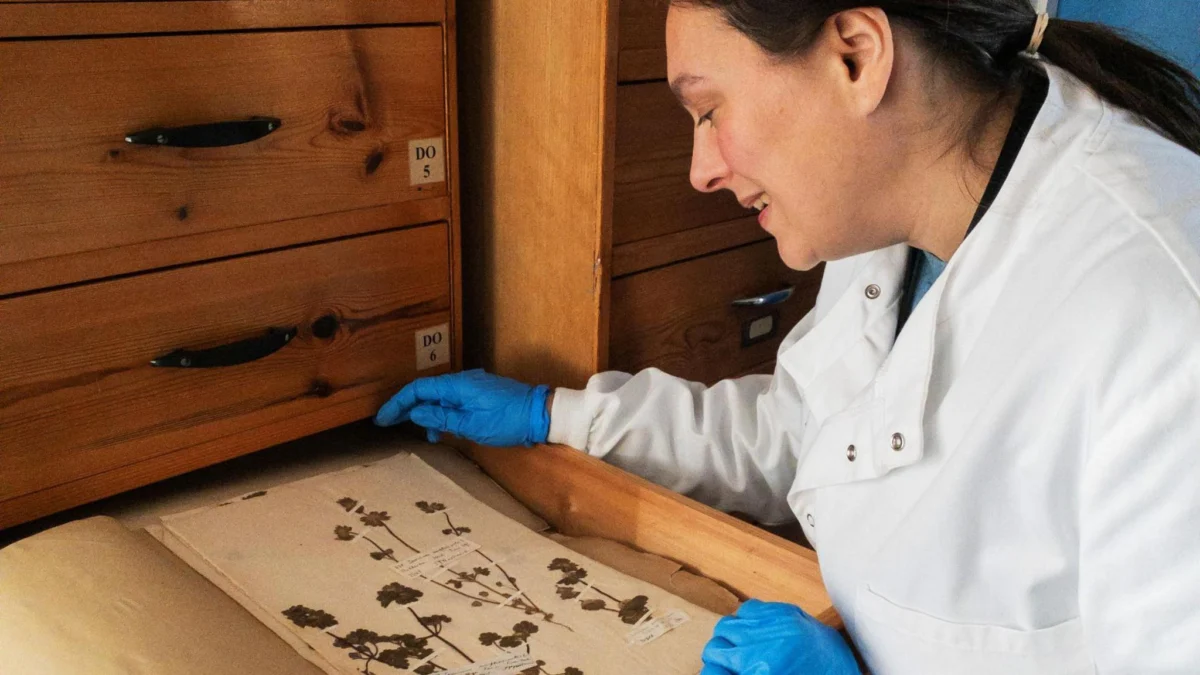
Described by the Royal Agricultural University as an unparalleled "time-capsule record of biodiversity in the UK," this initiative promises to unlock a wealth of data previously confined to physical archives. The potential applications of this newly accessible information are vast and far-reaching, extending into critical fields such as climate change research, advanced habitat management strategies, genetic studies, and numerous other ecological and environmental disciplines. Dr. Kelly Hemmings, an Associate Professor in Ecology at the RAU, underscored the transformative power of this project, stating that digitisation will enable the herbarium to "really make a global impact in research." She elaborated on the current limitations, explaining that "until it is digitised, and the metadata collated, we have no way, other than manually sifting through the handwritten sheets, to know exactly what the collection holds, so this rich seam of data is effectively ‘hidden’ natural heritage."
The RAU’s digitisation effort forms an integral part of a larger, ambitious £155 million national scheme. This monumental undertaking seeks to digitally connect approximately one million specimens from diverse collections across the UK, creating a unified and unprecedented national database of biodiversity. This interconnected network will allow researchers to draw broader conclusions and identify patterns that would be impossible to discern from isolated collections.
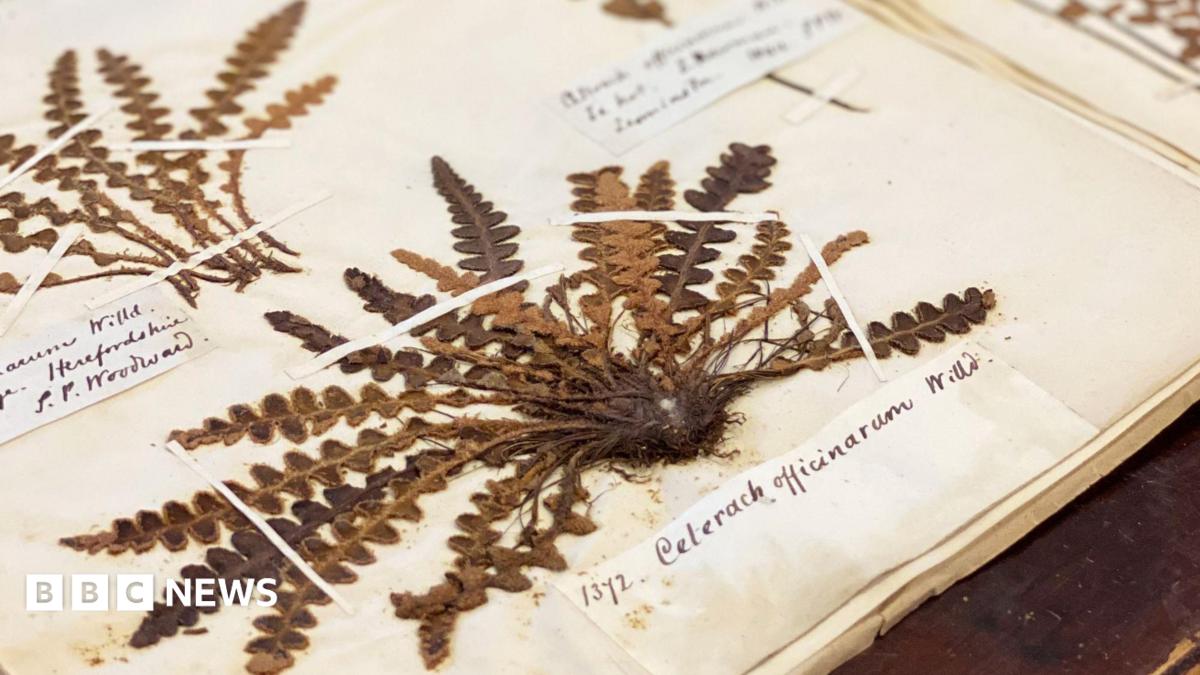
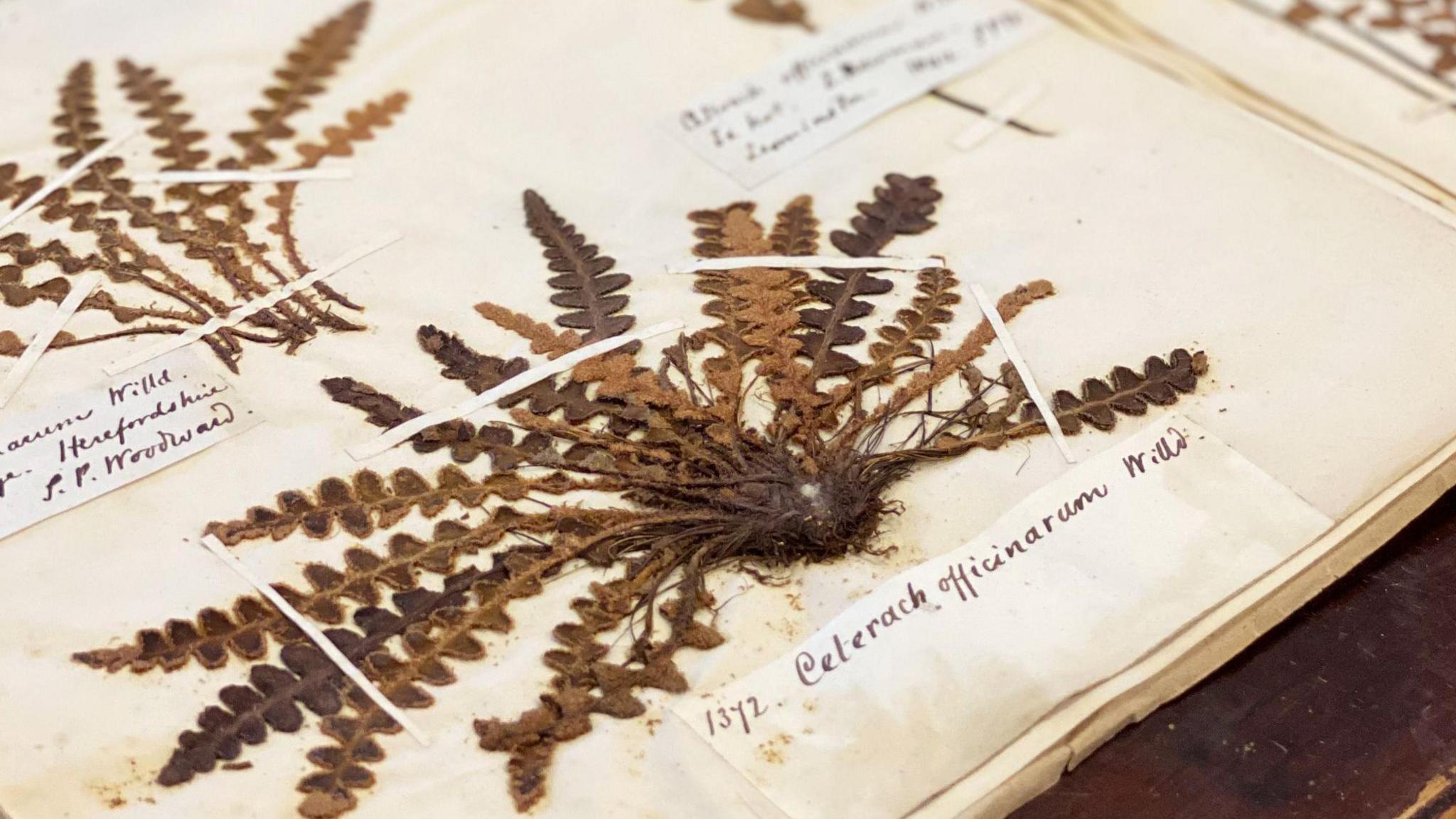
Herbaria, which are essentially systematic collections of preserved plant specimens, have a rich history dating back to 15th-century Italy. These "plant libraries" typically consist of dried and pressed plants mounted on sheets of paper, accompanied by detailed labels documenting their collection location, date, collector, and other relevant ecological information. When properly conserved, these sheets can endure for hundreds of years, serving as enduring records of plant life through the ages. The RAU’s herbarium is particularly notable for its longevity, boasting specimens collected as early as 1797. Furthermore, a significant portion of its collection comprises plants and flowers gathered from the immediate vicinity of Gloucestershire, offering a localised historical perspective on the region’s flora.
Among the most historically significant contributors to the RAU collection was Samuel Pickworth Woodward, a distinguished geologist who served as a professor at the college during the 1800s. Woodward was not merely an academic; he was also a known correspondent of Charles Darwin, the pioneering naturalist whose theories revolutionized our understanding of evolution. The specimens collected by Woodward, therefore, carry an additional layer of scientific and historical resonance, potentially offering insights into the botanical context that informed the intellectual discourse of that transformative era. His work at an agricultural institution, particularly in an age of burgeoning scientific inquiry, would have provided a unique lens through which to observe the natural world and its practical applications.
Dr. Hemmings, an expert in ecology, highlighted the growing recognition of the "immense value" that historic herbarium collections hold for "tackling current environmental issues." She pointed out the unique position of the RAU’s collection, stating, "The RAU’s collection is unusual in being an early example established at an agricultural education institution." This distinction means the specimens not only chronicle biodiversity but also potentially reflect the impacts of agricultural practices and land use changes over time. She further emphasised the critical data embedded within each specimen: "Our specimens give the location and date at which they were collected, helping us to piece together patterns of biodiversity change over the last two centuries."
Over the next two years, the national project anticipates integrating more than 1.2 million specimen records from 23 participating museums and herbaria into a central England hub. This vast digital repository will serve as a cornerstone for future ecological research. One of the most immediate and impactful benefits cited by RAU is the ability to track shifts in plant phenology – specifically, changes in flowering times – directly attributable to climate change. By comparing current plant observations with the meticulously documented historical records of plants pressed centuries ago, scientists can gain empirical evidence of how species are responding to a warming planet. This comparative analysis provides a crucial baseline for understanding ecological responses to environmental shifts and predicting future trends.
Beyond climate change, the digitisation project will unlock capabilities for diverse research. In habitat management, historical records can reveal the natural composition of ecosystems before significant human alteration, guiding rewilding efforts and conservation strategies. For instance, understanding the historical prevalence of certain native species can inform efforts to restore degraded habitats to their former ecological richness. Genetic studies can also benefit immensely; even from dried specimens, ancient DNA can be extracted and analysed, offering insights into evolutionary pathways, genetic diversity over time, and the impacts of past environmental stressors on plant populations. This could help identify species that have lost genetic resilience or track the spread of invasive species.
The process of digitisation itself is a complex undertaking. Each of the 10,000+ specimens must be carefully handled, high-resolution photographs taken, and all associated handwritten metadata meticulously transcribed and entered into a digital database. This includes information about the species, collection date, geographic coordinates, collector’s name, habitat descriptions, and any unique morphological observations. The challenges involve ensuring the integrity of fragile historical documents, accurately interpreting archaic handwriting, and standardising data formats for interoperability with other national collections. The creation of digital images also serves as a crucial protective measure, reducing the need for physical handling of the delicate original specimens, thereby safeguarding them for future generations.
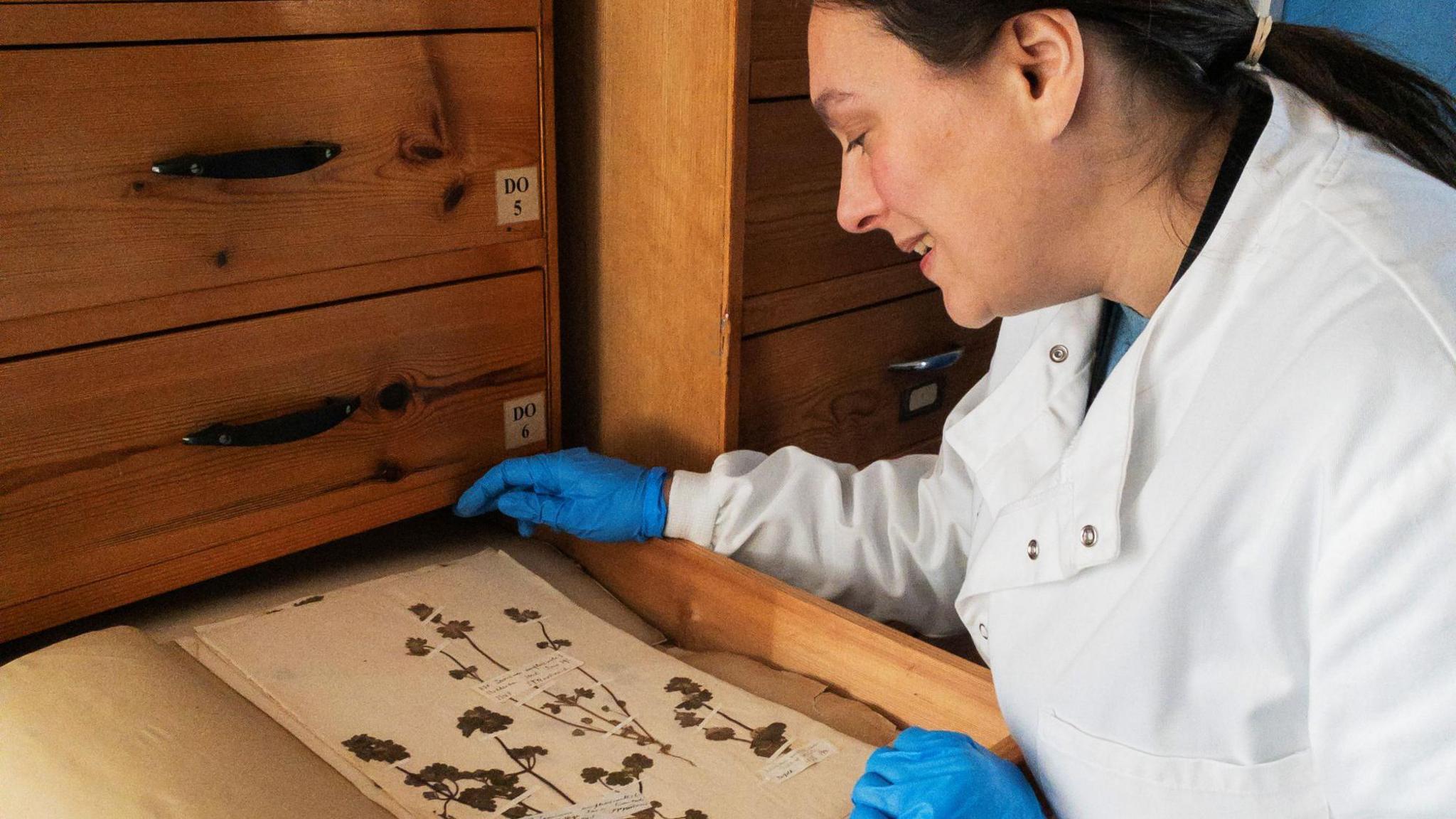
Cassie Newland, an Associate Professor of Cultural Heritage at RAU, articulated the broader significance of this digital transformation. She highlighted that "Archives are only useful if we can get the information out of dusty drawers and into current research, teaching, and wider conversations." The digitisation effort directly addresses this challenge, transforming a static, hidden resource into a dynamic, openly accessible platform for international study and collaboration. This accessibility ensures that the immense intellectual capital stored within these historic collections can contribute directly to contemporary scientific understanding and policy formulation, making the RAU herbarium a vital participant in global efforts to understand and conserve biodiversity. The unlocking of this "hidden time-capsule" represents a pivotal moment for UK biodiversity research, promising a future where the echoes of the past can inform and inspire urgent environmental action in the present.


 George Anjay
 Nakalama John
 atisusanti
 Ramos Leo
 Roy Suryo