
 Roy Suryo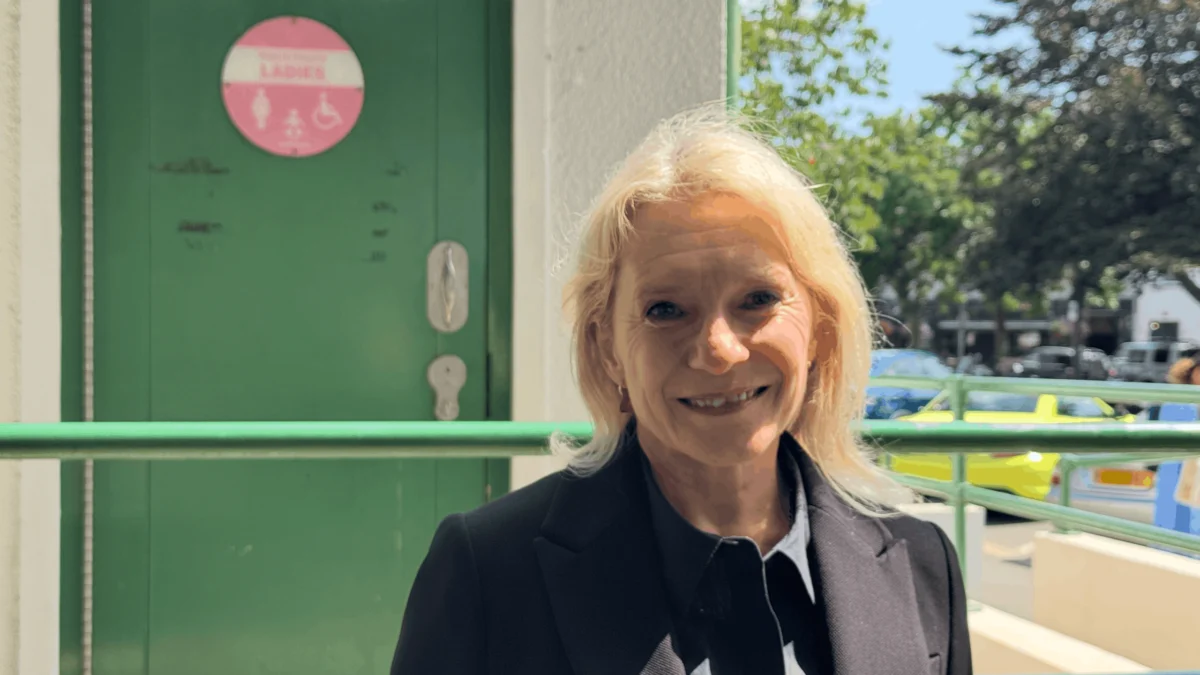
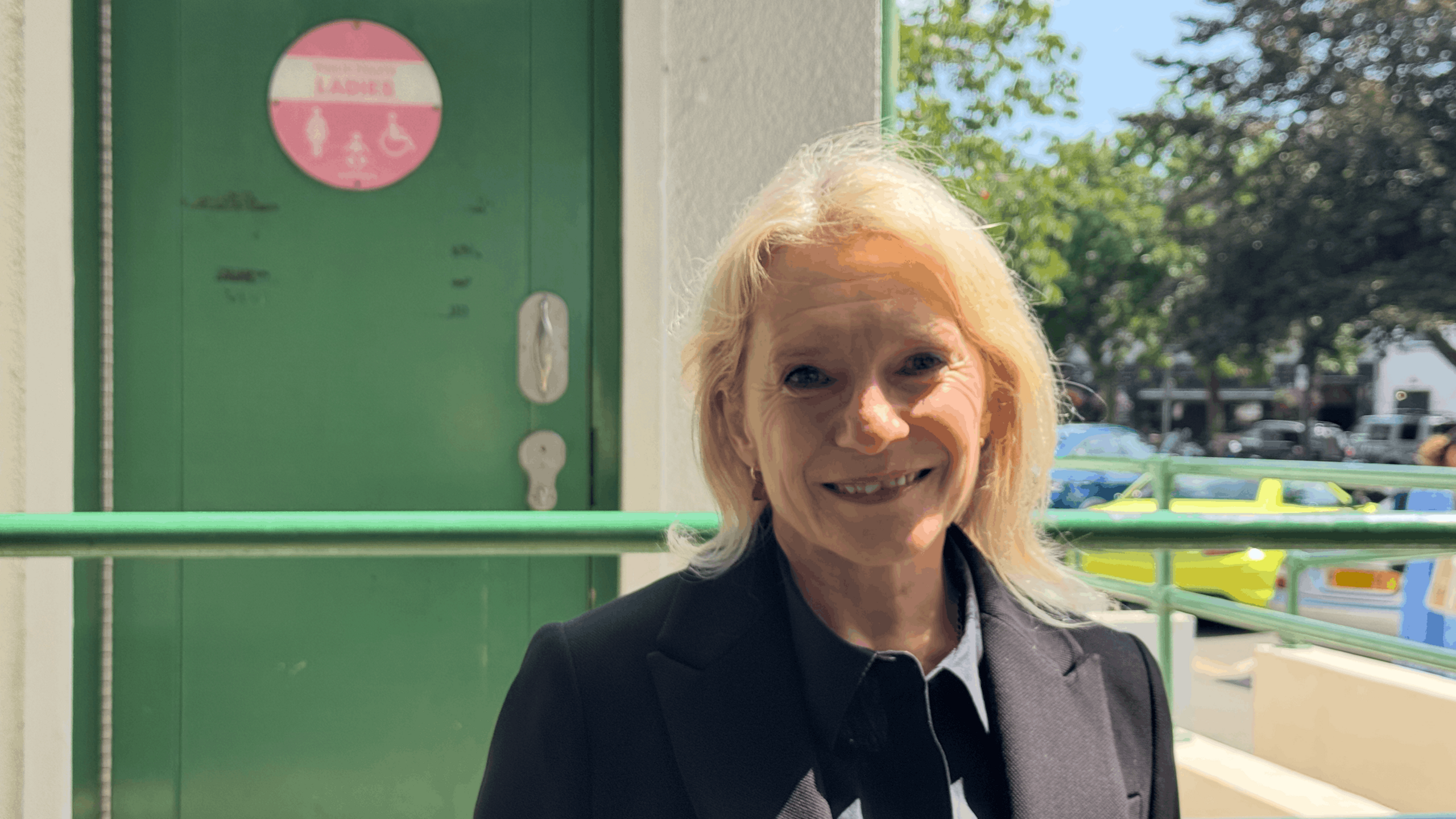
Jersey’s Social Security Minister, Senator Elaine Millar, has asserted that removing the Goods and Services (GST) tax from sanitary products in shops would be "pointless." She highlighted that the government has invested over £500,000 in its comprehensive free period product scheme, which has been operational for the past four years. This initiative, according to Millar, effectively addresses the affordability and accessibility concerns that prompted calls for tax removal.
Despite the existence of the free scheme, campaigners and islanders argue that it falls short because individuals who still choose to purchase sanitary products must continue to pay the 5% GST. However, Senator Millar maintains that eliminating the GST would not be a "effective" measure, emphasizing that anyone facing financial difficulties can readily utilize the free provision. Jersey remains the sole jurisdiction within the British Isles that levies tax on sanitary products. A prior attempt to remove this tax in 2022 saw politicians narrowly vote against its abolition.
The government’s free product scheme was launched in October 2022, making sanitary items available in a variety of locations, including public restrooms and government buildings. This initiative was introduced in exchange for reversing a previous decision to eliminate the GST on these essential items. Senator Millar’s stance is that there is no necessity to remove the tax from products sold in retail outlets, as free alternatives are readily accessible.
She articulated her reasoning with a clear financial comparison: "If you look at simple facts, simple maths, if you’re spending £5 a month on sanitary products, taking GST off, if the saving was passed on, would save you 25 pence." In stark contrast, she pointed out, "With free products, you’re saving £5 because you’re getting the entire product free." Millar firmly believes that removing the tax would not yield significant benefits. "I don’t think it would be effective and, if people have issue with affordability and accessibility, we have resolved that by the free product scheme," she stated.
Currently, the only goods and services exempt from GST in Jersey are financial services, insurance, postal services, medical supplies, prescription medicines, supplies by registered charities, registered childcare, certain burial and cremation services, and school fees. Millar further elaborated on the success of the free product scheme, noting its expansion in both the range of products offered and the number of collection points. She views this growth as a "testament to the need and the demand for the scheme." She underscored its dual purpose: "It’s addressing affordability issues for people, but also accessibility and just making it a commonplace part of life that women need to pick up as just as part of general living."
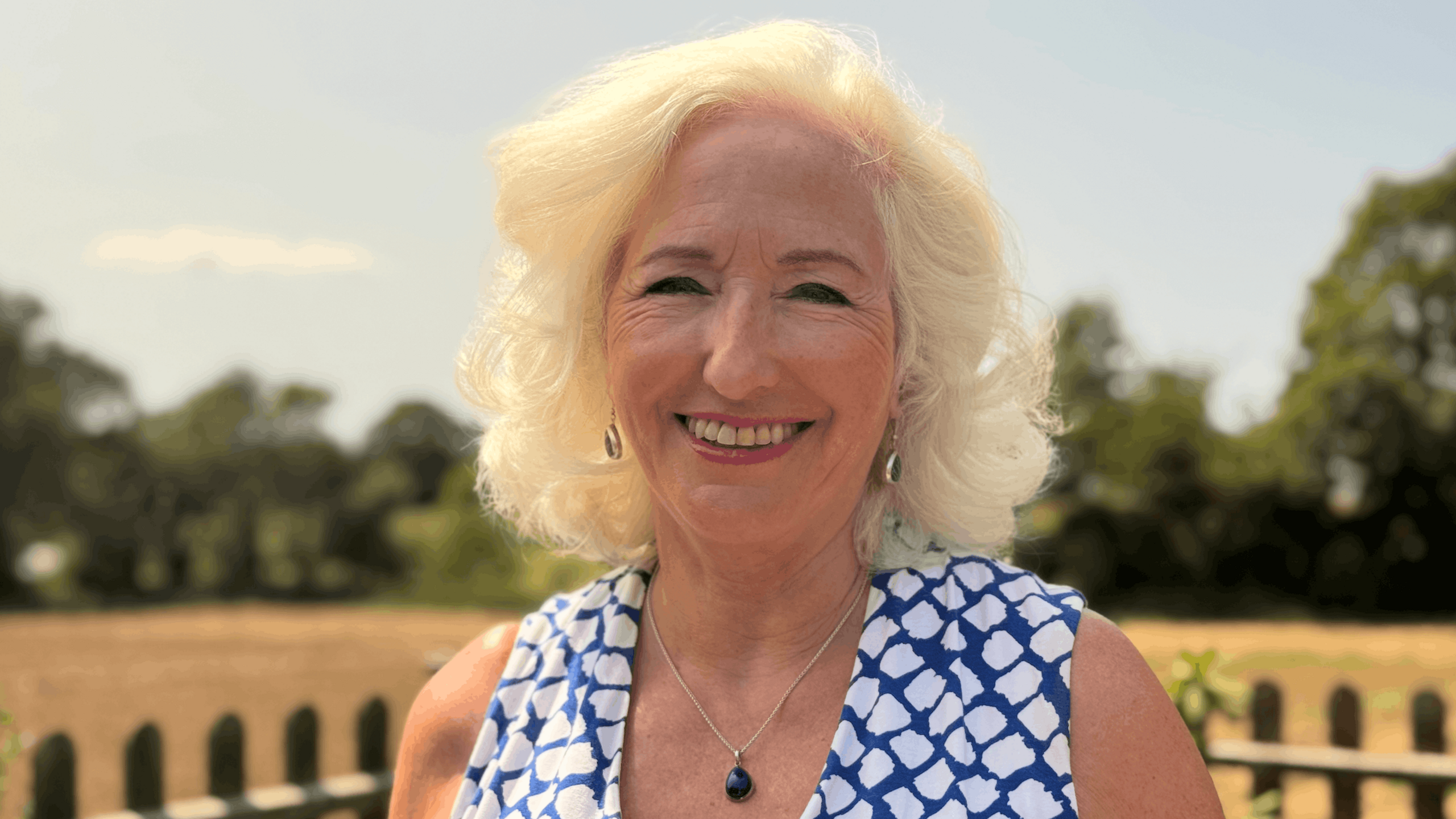
However, Debbie Taylor, President of Soroptimist International Jersey, while acknowledging the merits of the free product initiative, described the continued taxation of sanitary products in shops as "another example of inequality." Taylor expressed her frustration, stating, "This is just another thing that’s just glaringly obvious that, hang on a minute, women are paying every month – they’re paying for a product with GST on top." She passionately argued for a change, posing the question, "It needs to change – it only would make a very small difference to everybody. But wouldn’t that small difference be worth doing? Those few little pounds that you save can go on something else?"
Taylor also highlighted the current composition of the government, noting that it includes "more women than ever," and urged them to reconsider the GST on sanitary products. "Yes, it may take a bit of time and a bit of money to sort it out, but I think it’s something that we, as women, deserve," she asserted. Taylor sees this as an opportune moment to advance women’s health. "I just think that it’s ideal opportunity now for, as we have so many women in government, to make sure the women’s health strategy is pushed forward and why not include whether we pay GST on female products."
When directly questioned about her potential vote on the proposition to remove GST in 2022, Senator Millar reiterated her opposition: "I wouldn’t support it because I don’t think it would produce any effective benefit." Taylor found this perspective to be "a little short-sighted." She urged a broader consideration of the impact on women across Jersey, suggesting, "Thinking about women in general in Jersey, I think it may not seem right for her or for her gut in the government’s position, but I do wish that they would think a little bit further about about it and and maybe do a survey. Maybe ask women whether they want it reduced – I’m sure they would."
Interviews with members of the public on Jersey’s high street revealed a strong sentiment against the continued taxation of period products. Carole described the situation as "absolutely ridiculous," emphasizing the essential nature of these items. "It’s crazy – you can’t do without them. It’s an essential part of life," she stated. "If we didn’t need them, I’m sure we wouldn’t buy them. Luxuries are things you want you want to buy… those sanitary products are definitely not things you want to buy."
Chris acknowledged the free period product scheme as a "bit of initiative from the government" but firmly believed that tax "shouldn’t be added." Charlie echoed the ideal scenario of eliminating tax on necessities, stating, "That being said, obviously there’s a load of free tampons and products and pads that you can pick up in supermarkets and public places. I do think that’s a really really good system and kind of counteracts the tax to a certain extent."
The debate surrounding the taxation of sanitary products in Jersey continues, with a clear division between the government’s pragmatic approach, focusing on the success of the free provision, and the persistent calls for the complete removal of GST from retail purchases, which advocates argue is a matter of gender equality and basic necessity. The substantial investment in the free scheme, while lauded by some, has not fully appeased those who believe that the continued taxation of essential feminine hygiene products perpetuates an unfair burden on women. The presence of more women in government has ignited renewed hope for progress on this issue, with campaigners urging a comprehensive review of women’s health strategies that includes the removal of GST on sanitary products. The differing perspectives underscore the ongoing challenge of balancing fiscal considerations with social equity, particularly concerning items deemed fundamental to women’s health and dignity. The sentiment on the street suggests a strong public appetite for the complete elimination of tax, viewing it as a long-overdue correction to an ongoing inequality.




 Nakalama John
 atisusanti
 Ramos Leo
