
 Nana Banana
Researchers from Lancaster University’s RePhoKUs team conducted an in-depth investigation, uncovering a critical imbalance in nutrient management across the region’s farms. Their findings indicate that farms in the Cleddau catchment are routinely importing and applying substantially more artificial fertiliser and processed animal feed than is genuinely required for optimal crop growth and livestock health. This surplus, particularly of phosphorus, does not simply disappear; it accumulates in the soil, saturating the land, and eventually leaches into the surrounding waterways, contributing to the severe degradation observed in the Cleddau rivers.
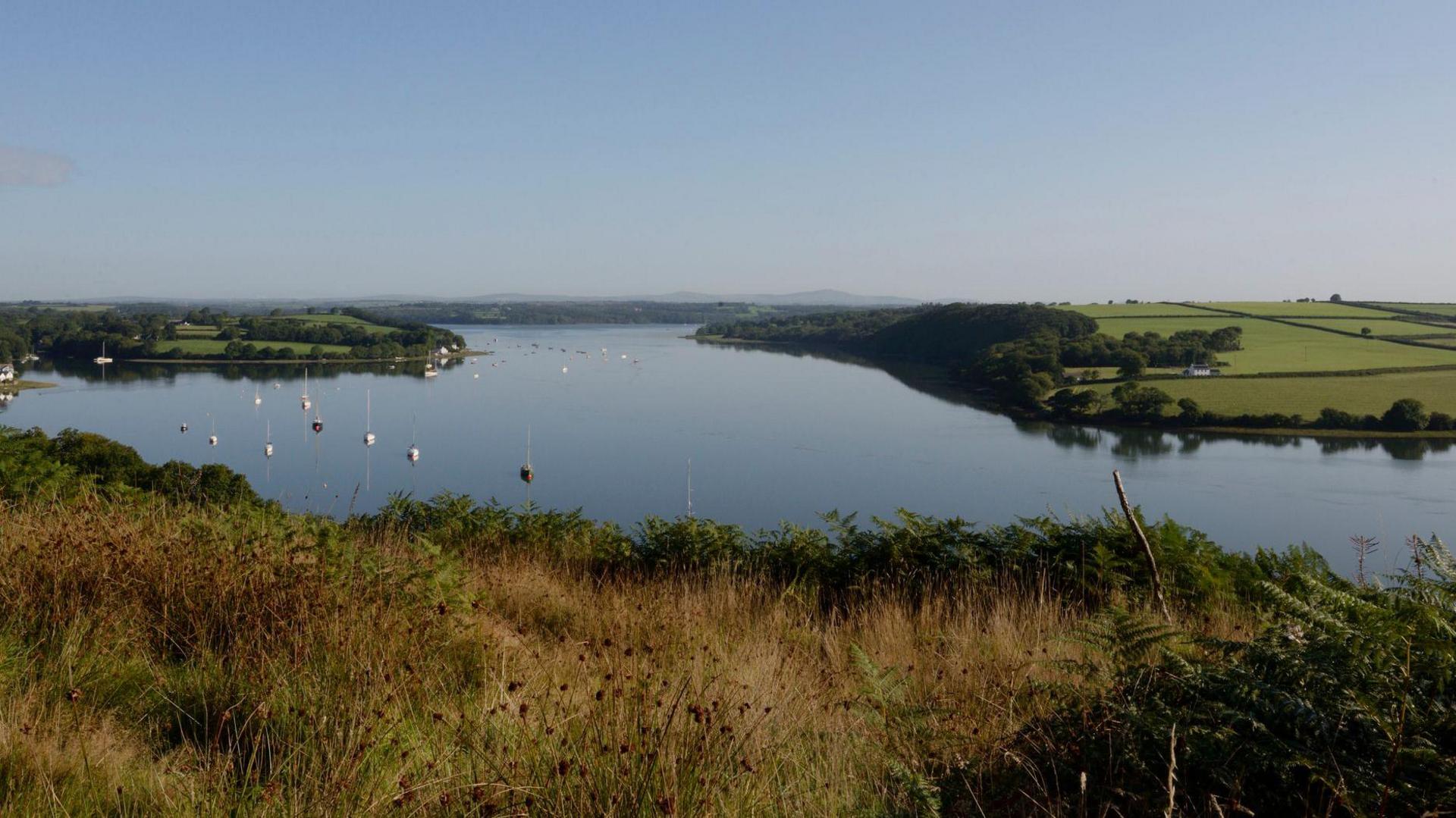
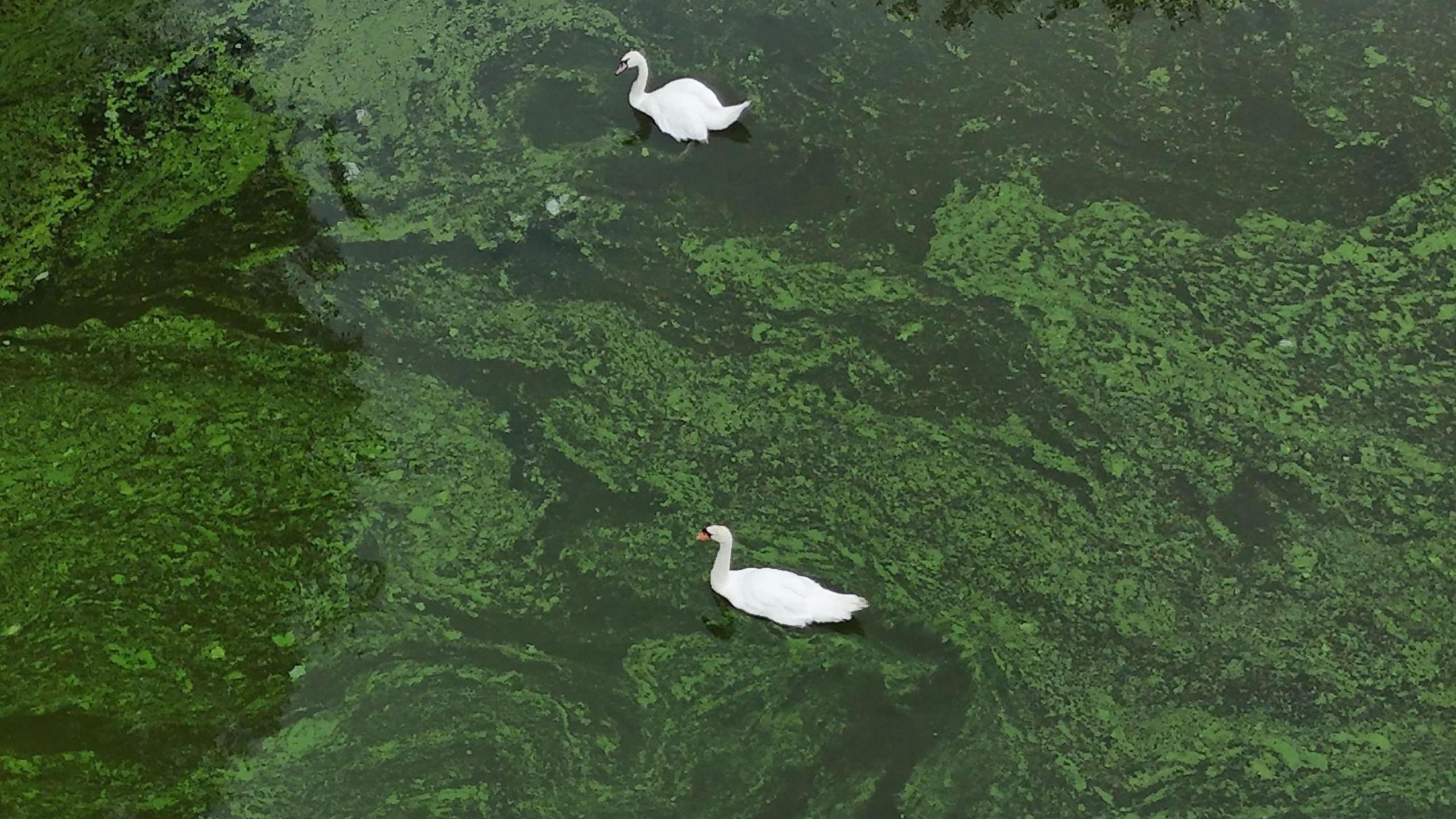
This nutrient overload manifests as eutrophication, a process where excessive nutrients stimulate rapid algal growth, leading to dense "algal blooms." These blooms, often visible as thick green mats on the water’s surface, block sunlight from reaching aquatic plants below and, more critically, consume vast amounts of oxygen when they decompose. This oxygen depletion chokes out fish and other vital aquatic life, transforming vibrant ecosystems into lifeless zones. The Cleddau rivers have, in recent years, been singled out by the environment watchdog Natural Resources Wales (NRW) as Wales’ poorest performing protected waterways, a stark testament to the severity of the problem. Such is the gravity of the situation that it has even imposed limits on new house building in the area, and campaigners have issued dire warnings of an impending "ecological disaster."
The Lancaster University study, funded by the Welsh government, pinpointed agriculture as "the primary driver" of phosphorus pollution in the Cleddau rivers, although it acknowledges that other sources such as sewage discharges, misconnected drains, and industrial run-off also play a part. The RePhoKUs team meticulously tracked the phosphorus imported into the area through feed and fertiliser against the amount exported in agricultural products like milk and cheese. The conclusion was unequivocal: a massive annual surplus of approximately 360 tonnes of phosphorus remains in the land, an amount equivalent to the weight of 26 double-decker buses. This persistent reservoir of phosphorus can continue to contaminate waterways for many decades, posing a long-term environmental challenge.
However, the study also delivered a powerful, optimistic message. Professor Paul Withers, who led the research, highlighted that, in theory, there is no inherent need for farms to purchase such large quantities of artificial fertiliser. The vast amount of phosphorus contained within the animal manures and slurries produced across the county should be entirely sufficient to meet the nutritional requirements of growing crops. By adopting more efficient and strategic methods of spreading their livestock’s waste, farmers could significantly reduce their reliance on expensive, bought-in fertilisers. This shift, the study estimates, could translate into substantial financial savings for Pembrokeshire farmers, potentially totalling an impressive £1.08 million per year across the county. This presents a rare "win-win" scenario: an opportunity to drastically improve water quality while simultaneously cutting operational costs for a vital industry.
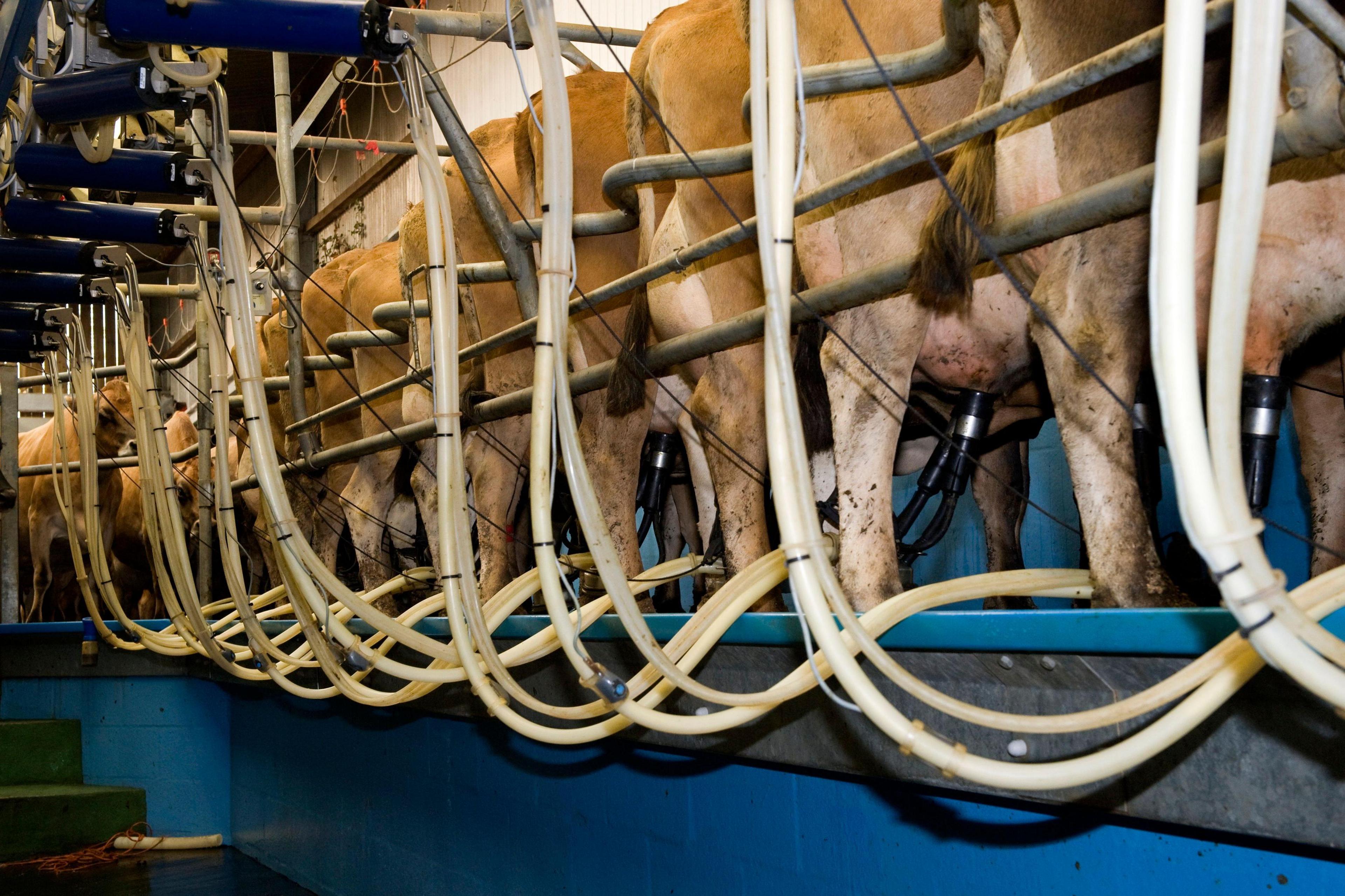
The Cleddau Project, a dedicated group of local volunteers committed to restoring the rivers, has been instrumental in raising awareness and commissioning the study alongside the Welsh government’s West Wales Nutrient Management Board. Ric Cooper of The Cleddau Project underscores the unique challenges and opportunities in the region: "The Cleddau is quite an extreme case. We have one of the highest densities of dairy cows in the country here – it’s a very successful and important industry for Pembrokeshire… [but] we also have a river that’s not coping." He adds that the scale of the problem is matched by the potential for a groundbreaking solution.
Responding to these findings, dairy co-operative First Milk, which operates a significant cheese-processing plant in Haverfordwest, Pembrokeshire, has launched an ambitious initiative. They are working with all 700 of their farmers across the UK, including approximately 200 in west Wales, to tackle this nutrient imbalance. This comprehensive programme involves calculating a "nutrient footprint" for each farm. This detailed assessment scrutinizes the farm’s entire nutrient balance, from the precise amounts of feed and fertiliser purchased to the nutrients contained within the milk and other products leaving the farm. This data-driven approach allows for a precise understanding of where nutrient surpluses occur.
To further empower farmers, First Milk has developed sophisticated maps, utilizing advanced satellite imagery, which vividly illustrate the risk of river pollution on a field-by-field basis. These geospatial tools identify areas particularly vulnerable to nutrient run-off due to factors like soil type, slope, and proximity to watercourses. Farmers are then expected to adjust their practices accordingly, optimizing where and when they spread fertiliser and slurry. The programme also encourages the introduction of other mitigation measures, such as planting buffer strips along riverbanks, improving soil health through regenerative practices, and enhancing slurry storage facilities, all designed to prevent nutrient leakage into the aquatic environment. Crucially, participating farmers will be required to report annually on their progress, ensuring accountability and continuous improvement.
Sarah Bennett, an area manager for First Milk, emphasizes the dual benefits: "It’s obviously looking to protect watercourses and reduce run-off from the fields, but it’s also trying to prevent excess nutrients being brought on farm." Lee Truelove, First Milk’s director of regenerative farming, highlights the pioneering nature of this approach, stating, "It’s a missing metric for responsible farming." He draws a parallel with the widespread focus on carbon footprinting: "We’ve had 20 years of really focusing on the carbon cycle and the carbon footprint is now a critical key performance indicator in every area of business. But farming also has a massive nutrient cycle and when that’s out of balance obviously the watercourses are one of the consequences."
Among the farmers actively participating in this innovative programme is Tom Jones from Kilgetty, who manages a herd of 250 cows. His motivation is clear: to ensure "the best environment" for both his livestock and the wider community. "Whatever we buy onto farm we want it to stay on the farm, we don’t want it leaving in the watercourses," he asserts, demonstrating a proactive commitment to environmental stewardship. "I want to show that we’re on the right side and we’re trying as much as we can." The advice and risk maps provided enable farmers like Tom to make informed decisions, transforming abstract environmental goals into tangible, on-the-ground actions.
The pressure on farms to address nutrient pollution is also coming from the wider supply chain. Several major supermarkets have committed to the UK Food and Drink Pact, pledging to source 50% of fresh food from areas with demonstrably sustainable water management practices by 2030. This creates a strong market incentive for farmers to adopt more environmentally sound methods, ensuring the long-term viability of their produce in a conscious consumer landscape.
Ric Cooper expresses his awe at the scope of First Milk’s initiative: "I don’t know of anything like that anywhere in the world where 700 farms have had a farmgate nutrient footprint and they’re discussing with every farmer what they can do about it." This makes the Cleddau project a globally significant case study in agricultural sustainability. The findings of the Cleddau study were formally presented at an event during the Royal Welsh Agricultural Show in Llanelwedd, Powys, where key stakeholders, including Senedd members and MPs, convened to discuss its implications.
"This may be about the Cleddau but it’s much wider than that," Cooper warned, emphasizing the broader applicability of the research. "We have nutrient imbalance across a lot of areas of intensive livestock agriculture [in the UK] and if we don’t do anything about it then our rivers will never recover to good health." Mid and South Pembrokeshire MP Henry Tufnell, a member of parliament’s Environment, Food and Rural Affairs committee, echoed this sentiment, noting "a real opportunity on a national basis" to help farmers reduce their input costs and protect the environment – a true "win-win" scenario that merits widespread adoption.
The Welsh government has warmly welcomed the report, acknowledging that "improving the health of the Cleddau requires action across all sectors." A spokesperson confirmed that the government-backed Cleddau nutrient management plan is already "helping to improve understanding of both phosphorus and nitrogen pressures, identify priority interventions, and support the long-term recovery of these important rivers and the downstream marine environment." This collaborative effort between academia, environmental groups, agricultural businesses, and government signifies a promising path forward for tackling agricultural pollution, safeguarding Wales’ precious waterways, and fostering a more sustainable and economically resilient farming sector.



 Roy Suryo

 Nakalama John
 atisusanti
 Ramos Leo
