
 Nana Banana
Afonydd Cymru, the collective voice for Wales’ river trusts, has issued stark warnings, detailing how the drastically reduced river flows are creating "significant problems" for aquatic ecosystems. Reports are emerging of widespread mortality among fish and other essential riverine wildlife, unable to cope with the diminished water volumes and soaring temperatures. Concurrently, farming unions are sounding the alarm over widespread crop failures and livestock suffering from heat stress, painting a grim picture for the agricultural sector. Natural Resources Wales (NRW), the principal environmental regulator, is expected to make an official announcement later today, confirming the escalation of the drought status, as they meticulously monitor the deteriorating conditions.
The current crisis did not emerge overnight. NRW had already escalated the status for north and south-east Wales to "prolonged dry weather" just last week. This designation serves as the initial step in a tiered drought management framework, triggering heightened surveillance of rivers, streams, and critical wildlife habitats. It also prompted the dissemination of urgent advice to farmers and other entities reliant on river water for their operations.
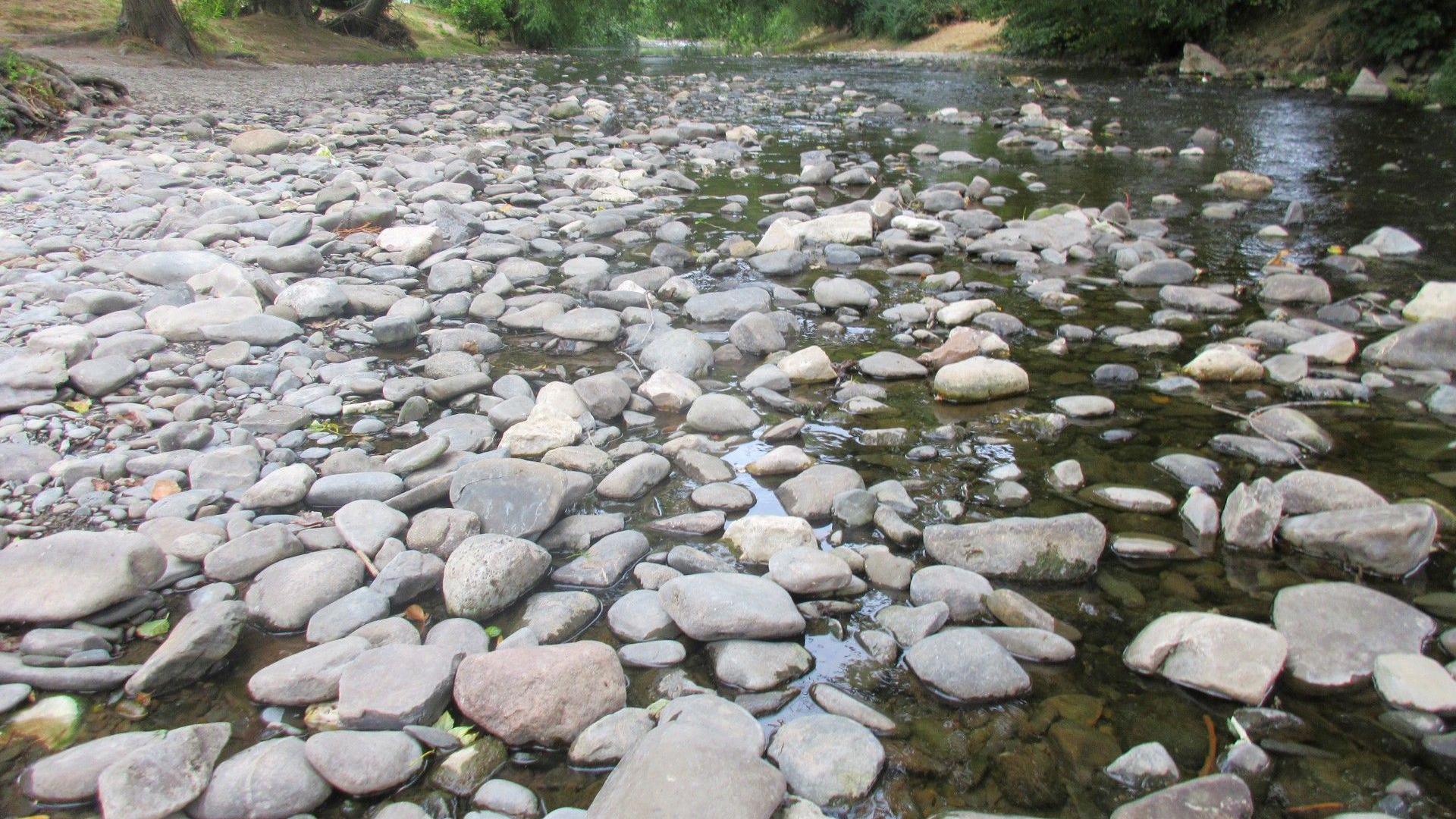
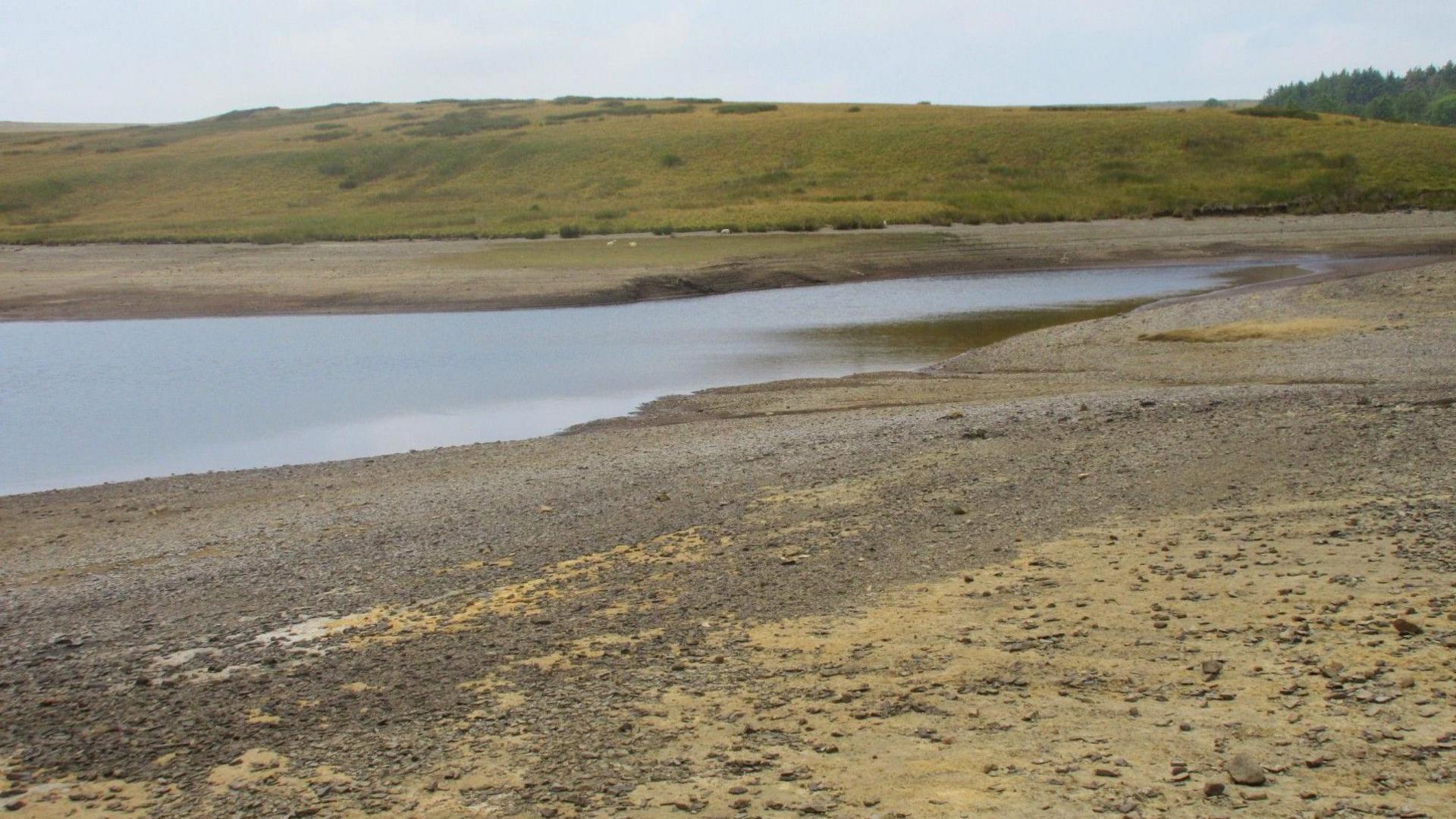
Huwel Manley, NRW’s head of operations for south west Wales, underscored the severity of the situation, noting that numerous smaller watercourses have completely dried up, while even larger, historically robust rivers are experiencing flows far below their typical levels. Among the rivers now classified as "exceptionally low" are the Clwyd, Alwen, Alyn, Clywedog, Dyfi, and Conwy in the northern reaches of Wales. The River Wye, a significant waterway traversing mid-Wales and delineating parts of the border with England, is also severely impacted. In an effort to mitigate the immediate effects and support critical flow rates, additional water is being strategically released from reservoirs into key rivers such, as the Clwyd and Wye, alongside the River Severn in the south-east and the River Dee in north-east Wales. These releases are a short-term measure to sustain ecosystems and essential abstractions, but their capacity is finite.
While there is a glimmer of hope with some rainfall forecast for the upcoming weekend, Manley cautioned that it would take a substantial and sustained period of precipitation for river systems to recover from the current deficit. He anticipates that parts of Wales will imminently face the declaration of an "environmental drought." This specific designation signifies that the immediate and tangible impacts of water scarcity are being felt by natural ecosystems – rivers, groundwater, and soils – rather than posing an immediate threat to public drinking water or household supplies. Nevertheless, Manley urged the public to adopt a more mindful approach to water consumption. "Maybe have a shower rather than a bath," he suggested, emphasizing that every small action contributes. He also highlighted the plight of terrestrial wildlife, recommending "putting some water out in the garden for mammals and birds" to help them through these challenging times.
Gail Davies-Walsh, chief executive of Afonydd Cymru, articulated the compounding pressures on Welsh waterways. She explained that rivers were already under considerable strain due to existing pollution burdens, and the severe lack of rainfall is "really starting to exacerbate water quality" issues. Lower water volumes mean pollutants become more concentrated, intensifying their harmful effects. "We’ve already had a couple of rivers that have dried up and we’re getting reports through of fish that have been killed because of a lack of water," she reported, painting a distressing picture of ecological collapse in some areas. The problem is further compounded by dangerously high river temperatures; records show the Wye and Usk reaching as high as 28°C. Such extreme warmth drastically reduces dissolved oxygen levels, making it impossible for many aquatic species, particularly cold-water fish like salmon and trout, to survive.
Davies-Walsh also voiced a critical concern regarding public sentiment. She acknowledged the widespread frustration directed at water companies over issues such as sewage spills and leakages. However, she worried that these frustrations might inadvertently deter individuals from heeding crucial advice about conserving water. "I’m looking at social media comments and I totally understand those frustrations," she stated, "But we’ve really got to think about the fact that our water usage is directly impacting the flow in our rivers and directly impacting fish and other wildlife’s survival. We really need to do our little bit to protect them." This highlights a delicate balance: while systemic issues require corporate accountability, individual actions remain vital for immediate environmental relief.
The impacts of the drought were a dominant topic of discussion at the Royal Welsh Agricultural Show in Llanelwedd, Powys, where both farmers and horticulturists shared their concerns. Paul Thomas of the National Vegetable Society emphasized the need for adaptation. "People are going to have to adapt, think about gathering their own water," he advised, pointing towards sustainable practices like rainwater harvesting becoming increasingly essential. Garden and food writer Stephanie Hafferty echoed this sentiment, noting the erratic weather patterns. "In the spring when it was crazy rain, everything was delayed – sowing and planting – because it was just relentless, and then it was almost like an off-switch," she recounted. Her observation that "the trees are going into autumn colour, and that’s a big worry, it’s not even August yet," is a particularly alarming indicator of widespread environmental stress, as trees prematurely shed leaves to conserve moisture.
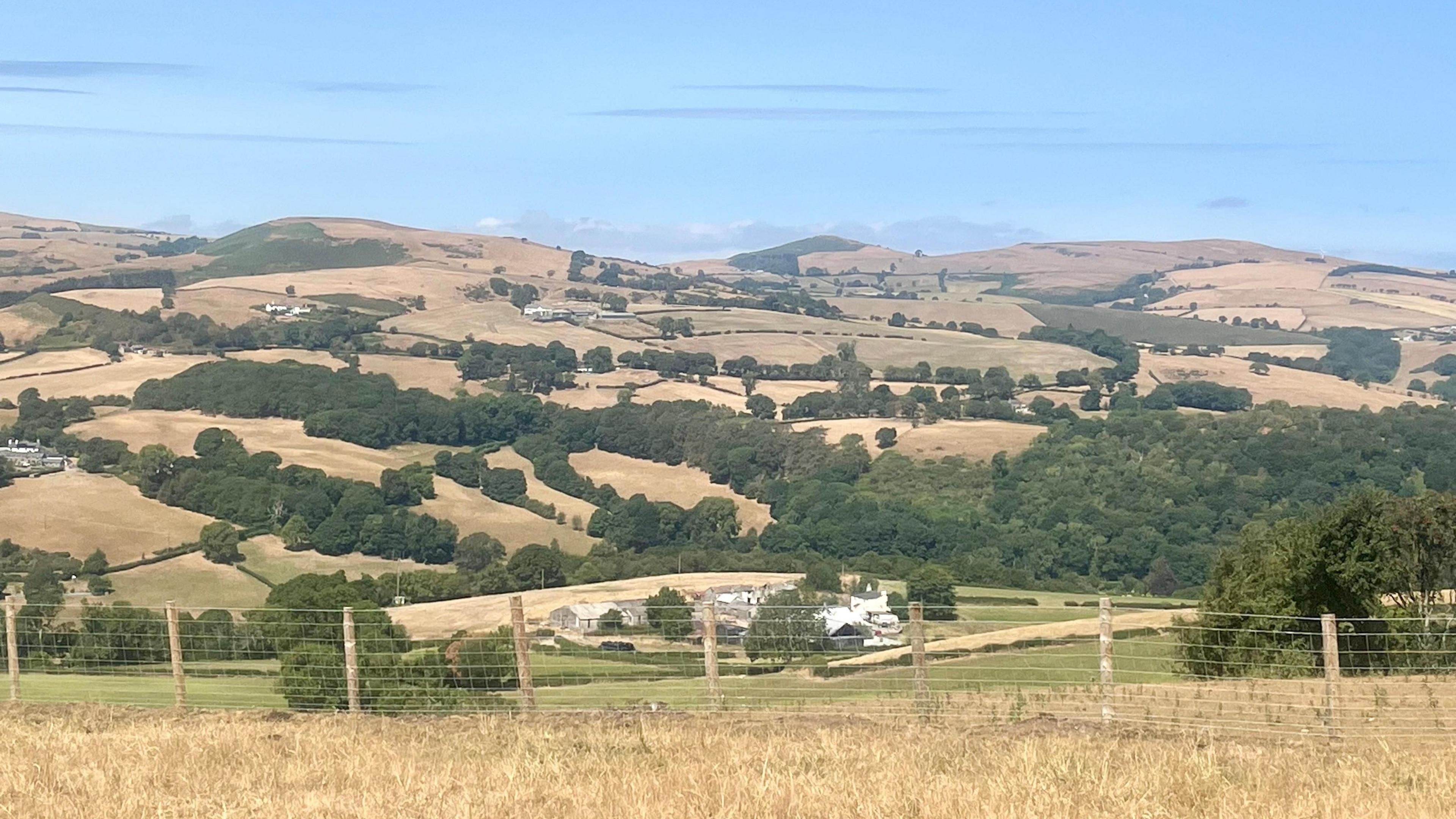
The agricultural sector faces immediate and severe consequences. Elen Hughes, whose family farms in Trelawnyd, Flintshire, described their fields as "bone dry, nothing’s growing." The lack of natural forage has forced them to take drastic measures: "They’ve just last week had to feed the second silage cut to the cows because there’s no food for the cattle." This premature use of winter feed stockpiles presents significant financial strain and future challenges for farmers. Abi Reader, president of NFU Cymru, elaborated on the dual threat of heat and dryness for livestock farmers. "You have to make sure they have enough water and shade, and we are getting farms with springs and streams drying up," she told BBC Walescast. For arable farmers, the relentless heat and lack of moisture have accelerated crop ripening, leading to "unprecedented early harvesting this year" and anticipated "lower crop yields." This directly impacts farmers’ livelihoods and could have broader implications for food supply chains.
It is crucial to understand the distinction between NRW’s drought declarations and those made by water utility companies. Welsh Water has already imposed a hosepipe ban on 33,000 properties in west Wales, illustrating this difference. A spokesperson for Welsh Water clarified, "NRW’s drought status reflects environmental conditions, including factors such as rainfall, river flows and groundwater levels." In contrast, Welsh Water’s "Temporary Use Ban is an operational measure based on local water demand and our ability to replenish service reservoirs with drinking water at the same rate, or faster, than customers are using water." This means that the utility’s bans are primarily driven by the capacity of local treatment works and distribution networks to maintain consistent supply amidst sustained demand, irrespective of the broader environmental drought status in other regions. Consequently, different parts of Wales can experience varying operational pressures and restrictions, even if they fall under the same environmental drought category declared by NRW.
The looming environmental drought declaration underscores the urgent need for both short-term conservation and long-term climate resilience strategies across Wales. While the immediate focus is on protecting vulnerable ecosystems and supporting agriculture, the broader implications of increasingly frequent and severe dry spells, exacerbated by climate change, demand a comprehensive and coordinated response from government, industry, and the public alike.



 Roy Suryo

 Nakalama John
 atisusanti
 Ramos Leo
