George Anjay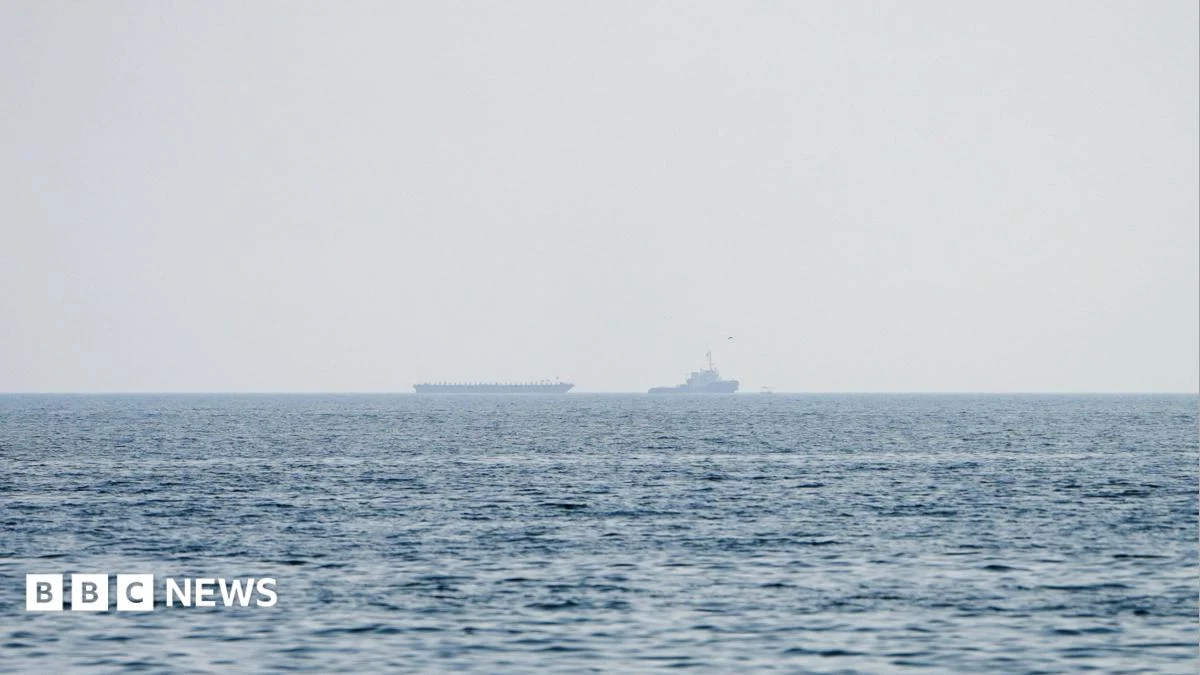
Iran has announced it has launched a wave of drone strikes targeting US military facilities and bases across the Middle East, asserting this is a direct retaliation for thirteen consecutive nights of American military operations within its borders. Explosions have been reported reverberating along Iran’s Gulf coast, as well as in its western, northern, and central regions, signaling a significant uptick in hostilities. Iranian state media has confirmed that four individuals lost their lives and five others sustained injuries in a particularly devastating attack in the country’s southwest.
In a further escalation, Iran has since declared that it also conducted strikes on Kuwait, a key US ally in the region. Concurrently, air raid sirens have blared across Bahrain and Jordan, and flights at a major Iraqi airport were temporarily suspended following reports of a drone crash. These actions come amidst Iran’s vociferous condemnation of a recent US plan to utilize frozen Iranian assets to compensate for war damages, a move that Iran’s leadership views as a dangerous and incendiary precedent.
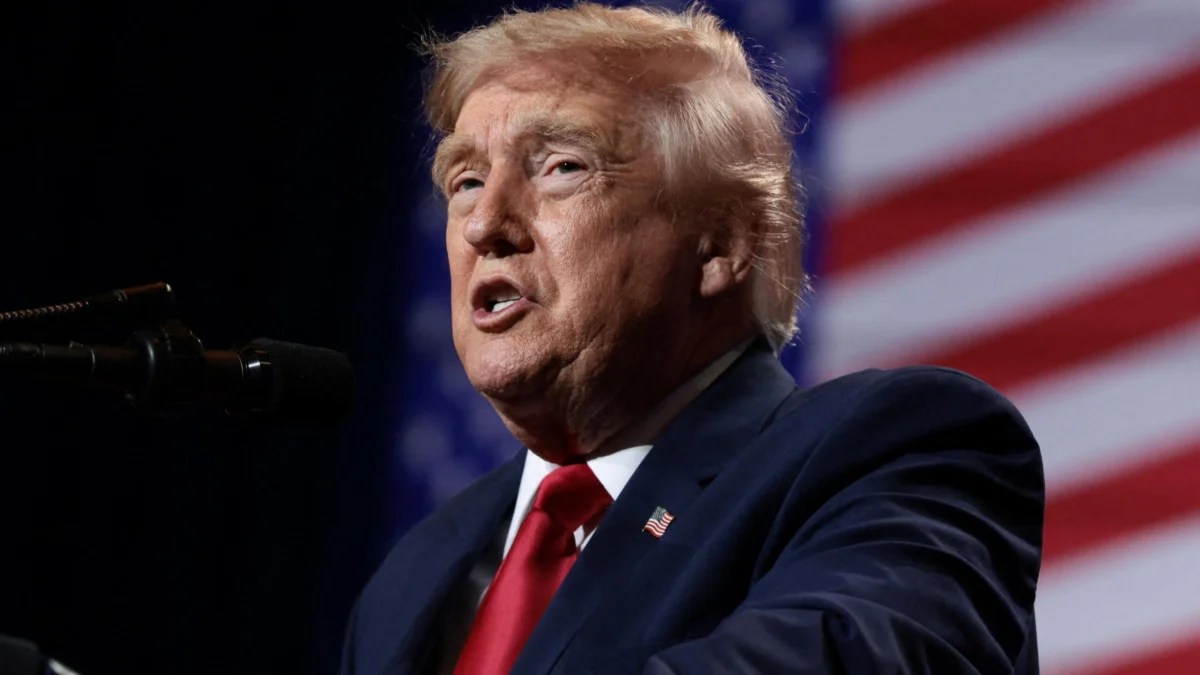
The controversy was ignited on Thursday when US President Donald Trump declared that damages incurred by ships and cargo in the strategically vital Strait of Hormuz would be covered by "Iranian Money that the United States has in its possession, and controls." He articulated his stance on his Truth Social platform, stating, "These damages may be very substantial but, nevertheless, this is the fair and equitable thing to do." This pronouncement was met with a swift and sharp retort from Iranian Foreign Minister Abbas Araghchi, who characterized the seizure of another nation’s assets to "pay for unrelated future claims" as an "incendiary precedent." Araghchi warned that the "ensuing chaos will not be pretty or peaceful," underscoring the gravity of the situation.
President Trump’s provocative comments arrive just days before Israeli Prime Minister Benjamin Netanyahu is scheduled for a high-profile meeting with the US President at the White House on Tuesday. Adding to the diplomatic flurry, Netanyahu is also slated to attend a memorial service for the late Senator Lindsey Graham, a staunch and long-standing supporter of Israel. Furthermore, Ukrainian President Volodymyr Zelensky is expected to convene with President Trump on the same day, placing the White House at the nexus of several critical international engagements.
This current flare-up in tensions is particularly concerning given the history of diplomatic agreements between the two nations. In June, the US and Iran had reached a 14-point Memorandum of Understanding (MOU) aimed at de-escalating military operations, reopening the Strait of Hormuz to unimpeded navigation, and ultimately reaching a comprehensive agreement to end the ongoing conflict within a 60-day timeframe. However, just three weeks after the signing of this pivotal accord, President Trump declared the ceasefire "over," citing Iranian attacks on vessels transiting the Strait and subsequent US strikes in retaliation.
A closer examination of the MOU reveals a specific clause, Point 11, which stipulated that the "United States of America undertakes to make fully available for use the frozen or restricted funds and assets of the Islamic Republic of Iran." This provision now appears to be at the heart of the current dispute, with Iran viewing its potential invocation as a violation of the spirit, if not the letter, of the agreement.
As the United States intensifies its efforts to reassert control and security over the Strait of Hormuz, a critical global oil chokepoint, there is a palpable and growing concern over new threats emerging to maritime shipping in the Red Sea. These threats are largely attributed to the Houthi rebels in Yemen, who are known to be backed by Iran. The persistent instability and the increased risk to vital shipping lanes have already contributed to a significant surge in the price of crude oil, pushing it back over the $100 per barrel mark, reaching its highest level since May. This economic consequence underscores the far-reaching impact of the escalating geopolitical tensions.
Adding another layer to the escalating conflict, President Trump separately vowed on Thursday to impose "major military punishment" against Iran for its alleged role in facilitating Houthi attacks. In an interview with the Axios news website, he indicated that he was actively considering restarting "major combat operations in Iran" and launching strikes of unprecedented scale, stating they would be "bigger than ever before." This rhetoric signals a potentially dramatic shift towards more aggressive military engagement.
The current escalation in tensions between the US and Iran has been a steady and concerning trend since the beginning of July. On Thursday night, the US military confirmed that it had conducted strikes designed to degrade Iran’s capacity to threaten civilian shipping in regional waters. The US Central Command (Centcom) issued a statement detailing that its targets included "Iranian military command centers, drone storage facilities, communication networks, coastal surveillance sites and maritime capabilities."
In response to these US actions, Iran’s army asserted that it had launched its own attacks on US bases located in Kuwait. Simultaneously, Bahrain’s Interior Ministry reported the activation of its air sirens, and Iranian state media echoed similar reports of alarms being triggered in Jordan. The ripple effect of these hostilities extended to Iraq, where news agencies AFP and Reuters reported a drone crash at Erbil International Airport, leading to a temporary but significant stoppage of air traffic. Flights at the airport have since resumed, but the incident highlights the widespread impact of the ongoing military exchanges. The interconnectedness of these events, spanning multiple countries and involving significant military and diplomatic maneuvers, paints a grim picture of a region teetering on the brink of a wider conflict, with the potential for global repercussions. The continued exchange of strikes, coupled with the inflammatory rhetoric from both sides, has amplified fears of a broader regional war, with economic and humanitarian consequences that could be catastrophic.



 Roy Suryo

 Nakalama John
 atisusanti
 Ramos Leo