
 Nana Banana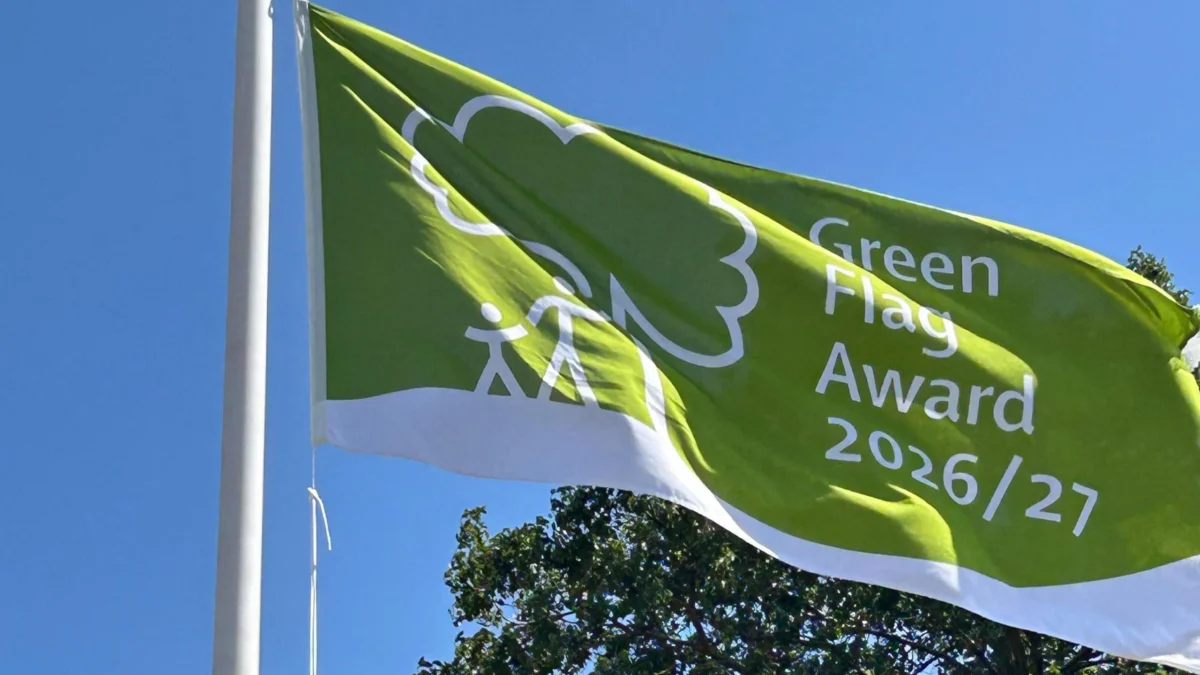
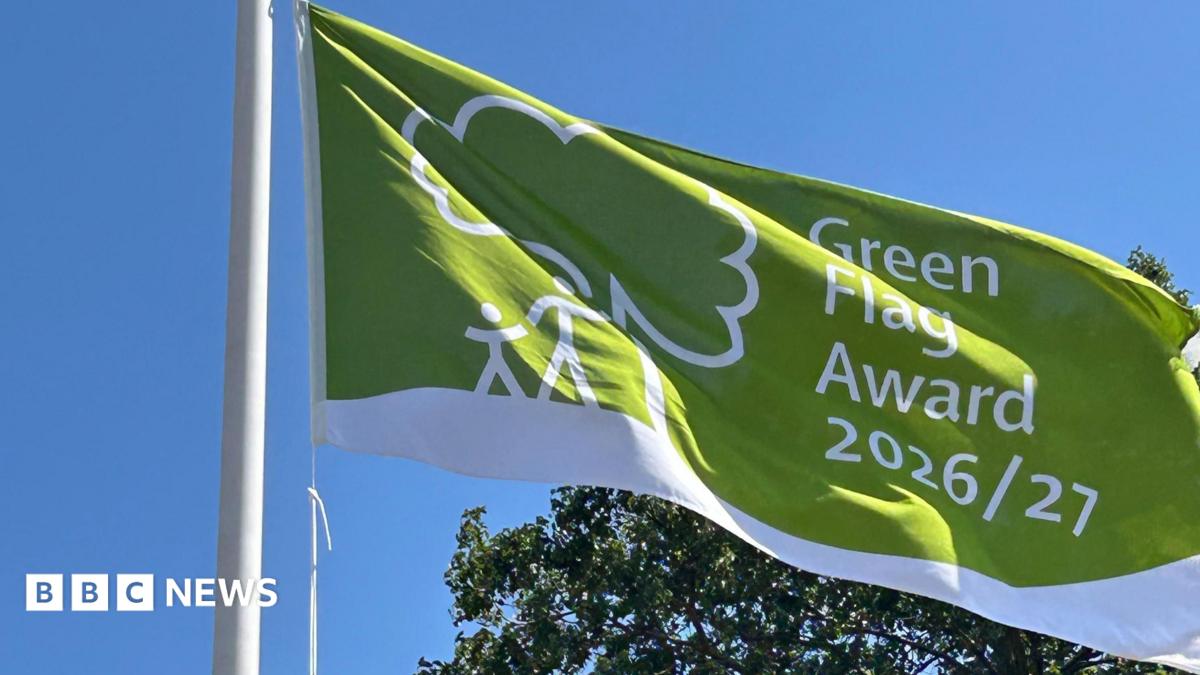
The Green Flag Award scheme, managed by environmental charity Keep Britain Tidy, celebrated its 30th anniversary this year by honouring a record number of parks. Established in 1997, the awards were initially conceived to combat the widespread neglect and dereliction that had blighted many historic city centre parks for decades. The initiative aims to recognise and reward well-managed parks and green spaces, setting standards for excellence in maintenance, sustainability, community involvement, and overall visitor experience. Achieving a Green Flag signifies that a park boasts the highest possible environmental standards, is beautifully maintained, and provides excellent visitor facilities.
This year, the North East received a modest 57 awards, significantly trailing other regions. To put this into perspective, Yorkshire, the region with the second-fewest awards, still managed to secure 90. Most other regions across England achieved well over 120 Green Flags, highlighting the considerable gap. At the top of the league, the North West of England proudly claimed the highest number of awards with an impressive 217, closely followed by Greater London with 215. This substantial difference prompts a deeper examination of the factors contributing to the North East’s position.
A spokesperson for Keep Britain Tidy clarified that the decision to apply for a Green Flag Award rests entirely with individual local authorities and other land managers. This statement underscores that the numbers reflect application rates and successful assessments, rather than an absolute measure of green space quality alone. While many parks across the North East may indeed be well-maintained and cherished by their communities, the lack of a Green Flag suggests either a conscious decision not to apply, or that the parks, for various reasons, do not meet the stringent criteria. The application process itself involves a detailed self-assessment, submission of a management plan, and an unannounced visit from Green Flag judges, all of which require time, resources, and often, a dedicated budget.
The benefits of holding a Green Flag Award extend beyond mere recognition. For local authorities, it can be a source of immense pride, demonstrating a commitment to environmental stewardship and public well-being. For communities, it serves as a reliable indicator of a high-quality green space, encouraging greater use for recreation, relaxation, and social interaction. Such spaces are vital for physical and mental health, offering opportunities for exercise, stress reduction, and connection with nature. They also contribute to local biodiversity, provide vital urban cooling, and can enhance property values and local tourism.
Local councils across the North East offered varied perspectives on their award numbers, shedding light on the complex decision-making processes behind Green Flag applications.
Durham County Council
Durham County Council secured two Green Flag Awards this year, specifically for Durham Crematorium and Cemetery, and Mountsett Crematorium. While these sites clearly meet the high standards, the council’s head of environment, James Gilchrist, explained their strategic approach. He expressed satisfaction that both awarded sites retained their status but noted that the council has not recently put many of its other parks forward for Green Flags. Gilchrist stated, "We have chosen to prioritise putting our resources towards the upkeep of the sites, so they can continue to be enjoyed by the public." He reassured residents that popular sites like Riverside, Hardwick, and Wharton Parks remain "great places to visit all year round," despite not holding the award. This suggests a direct investment in maintenance and public access, potentially weighing the cost and administrative effort of the application process against immediate, tangible improvements to a broader range of sites. In an era of tightening local government budgets, such resource allocation decisions are becoming increasingly common.
Gateshead Council
Gateshead Council managed to secure four Green Flags for Chase Park, Derwent Walk Country Park, Felling Park, and Saltwell Park. A spokesperson for the council expressed immense pride in these awards, particularly highlighting the achievement for a borough of its size. "The awards reflect the ongoing hard work from our environment teams and amazing volunteers," the spokesperson said, acknowledging the crucial role of community involvement. They affirmed the council’s commitment: "We will continue working to maintain these awards, whilst making sure all parks across the borough are well looked after." This indicates a dual strategy of both striving for external recognition and ensuring comprehensive care across all its green spaces. Saltwell Park, in particular, is a historic Victorian park much beloved by local residents, and its consistent Green Flag status is a testament to sustained investment and community engagement.
Newcastle City Council
Newcastle City Council also received four Green Flags, awarded to Exhibition Park, Jesmond Dene, Leazes Park, and Walker Park. A council spokesperson addressed the financial aspect directly, stating, "there was a cost associated with award applications." This echoes a common challenge for local authorities, where application fees, staff time for preparing submissions, and potential costs for minor improvements to meet criteria can be significant. The council’s focus, the spokesperson explained, was on "directing as much funding as possible into enhancing and maintaining our parks." Consequently, they adopt a selective approach: "We therefore select a number of sites to enter each year and were delighted that all of those submitted were awarded Green Flag status this year." This strategic nomination process allows them to achieve recognition for flagship sites while ensuring broader investment. Furthermore, the council announced a substantial £1.4 million investment in improvements to parks and green spaces across the city, aiming to make them "welcoming, attractive and accessible places for everyone to enjoy," irrespective of Green Flag status.
Darlington Borough Council
Darlington Borough Council was awarded two Green Flags for West Park and South Park. A spokesperson for the council expressed pride in this achievement, again noting the size of the borough in relation to its awards. "We are very proud to have two parks in Darlington with Green Flag status, especially when taking into account the size of the borough," they stated. Both parks have a commendable history of retaining the award, with South Park holding its Green Flag since 2006 and West Park since 2015. This long-standing recognition highlights consistent high standards of management and maintenance over many years, demonstrating sustained commitment from the council and its park management teams.
Northumberland County Council
Northumberland County Council emerged as the strongest performer in the region, securing the most Green Flags with a total of 14 awards. The diverse range of parks and spaces recognised included Alexandra Park (Cramlington), Astley Park, Bolam Lake Country Park, Carlisle Park, Castle Vale Park and Coronation Park, Doctor Pit Park, Druridge Bay Country Park, Eastwoods Park, Flagstaff Park, Hexham Parks, Hirst Park, Plessey Woods Country Park, Ridley Park, and Tyne Riverside Country Park. This extensive list showcases a broad commitment to quality green spaces across the vast county. John Riddle, the council’s member for environment, underscored the local appreciation for these sites: "I know how much local residents appreciate having these lovely parks." He further emphasised that the awards are a testament to "not only the incredible work carried out by our staff and volunteers, but also our clear commitment to improving and protecting our parks." Northumberland’s success suggests a more integrated strategy that prioritises both direct investment in park quality and the pursuit of external validation through awards, likely supported by a robust network of dedicated staff and active community volunteers.
While the exact numbers for other North East councils were not detailed in the original report, the regional total of 57 Green Flags confirms the overall picture. The varying approaches from local authorities – some prioritising direct upkeep over award applications due to resource constraints, others strategically selecting flagship parks, and some demonstrating broad success – paint a complex picture of park management in the North East.
The Green Flag Award is more than just a plaque; it represents a philosophy of excellence in managing public green spaces that are crucial for public health, biodiversity, and community cohesion. The disparity in Green Flag numbers across the UK, and particularly the lower count in the North East, may hint at broader socio-economic challenges faced by some local authorities. Funding cuts to local government over the past decade have severely impacted parks departments, leading to reduced staffing and maintenance budgets. In such an environment, the cost of applying for and meeting Green Flag standards can be a significant hurdle.
However, the examples of Gateshead and Northumberland, which achieved relatively higher numbers within the region, demonstrate that success is attainable through strategic investment, strong volunteer engagement, and a clear vision for their green spaces. The importance of volunteers cannot be overstated; they often fill critical gaps in maintenance, community engagement, and fundraising, allowing councils to stretch their limited resources further.
Ultimately, the goal for any region should be to ensure that all residents have access to well-maintained, safe, and engaging green spaces, whether they bear a Green Flag or not. While the awards provide a valuable benchmark and incentive, the underlying commitment to quality and community benefit remains paramount. The North East’s lower Green Flag count serves as a reminder of the ongoing challenges in funding and managing these vital public assets, and perhaps, a call to action for increased investment and support for the region’s cherished parks and green spaces.



 Roy Suryo

 Nakalama John
 atisusanti
 Ramos Leo
