Nana Banana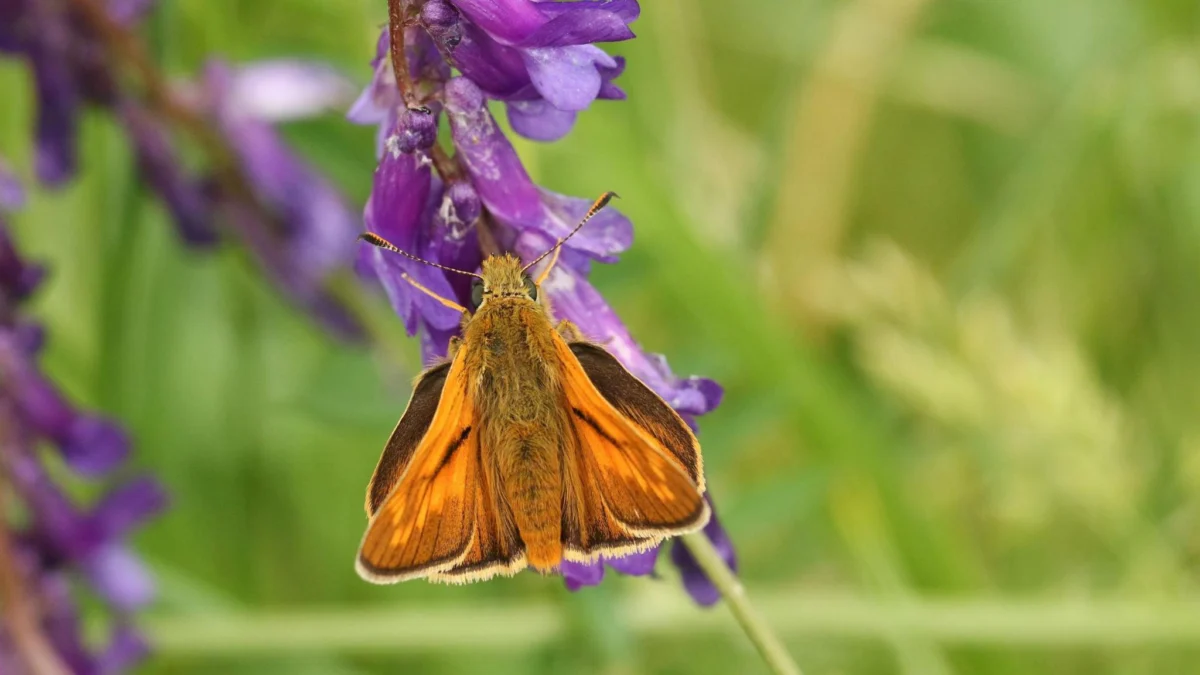
Organised annually by Butterfly Conservation, the UK’s leading charity dedicated to saving butterflies, moths, and their habitats, the Big Butterfly Count is a citizen science project that invites individuals of all ages to contribute directly to scientific research. Participants are asked to dedicate just 15 minutes of their time to observe and record any butterflies and day-flying moths they encounter in their gardens, local parks, or any other green spaces. This seemingly simple act of observation collectively generates an invaluable dataset, allowing scientists to track long-term trends in species abundance and distribution, providing critical insights into the broader impacts of environmental changes such as climate change, habitat degradation, and the effectiveness of conservation interventions. For 2024, the count runs until August 9th, making the window for participation immediate and essential.
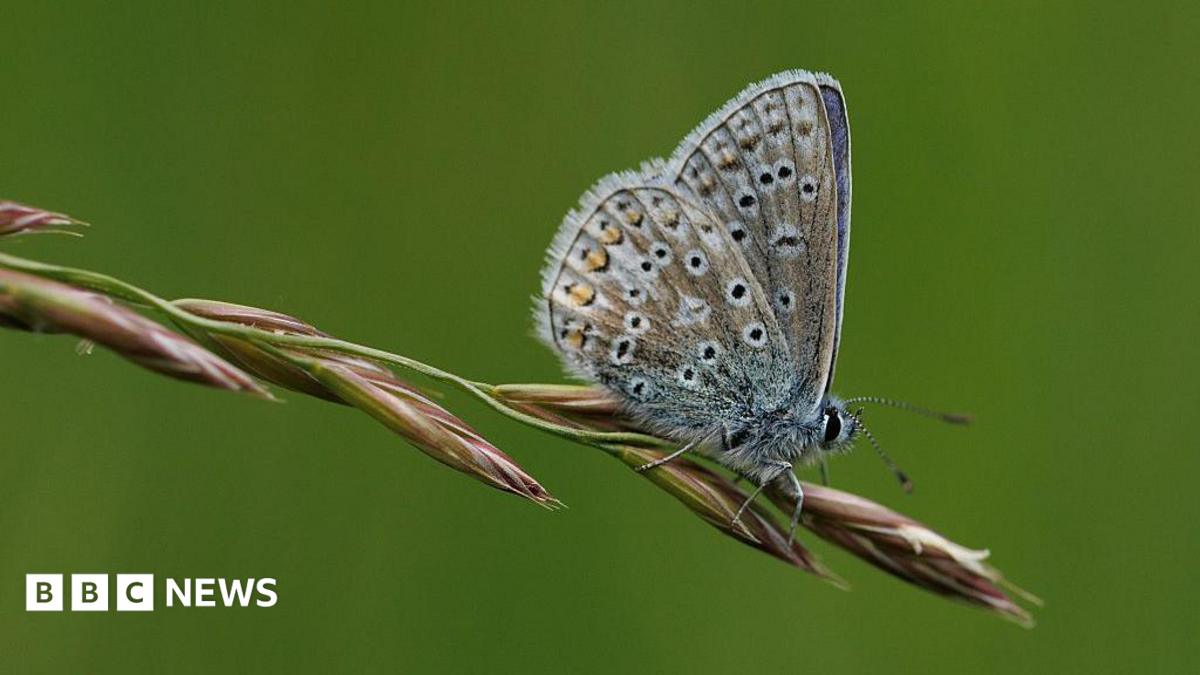
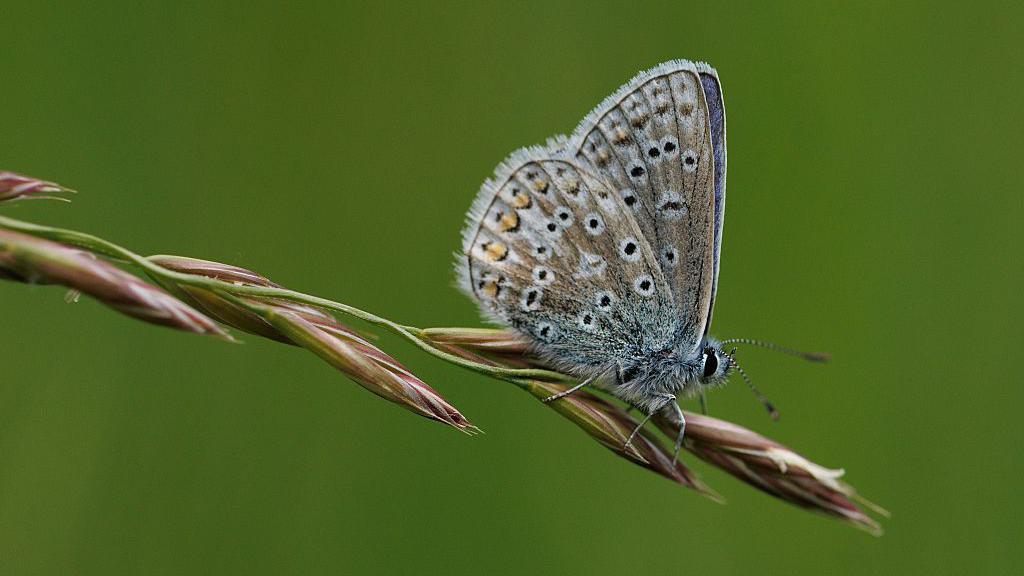
The BCP area, encompassing the vibrant coastal towns and their surrounding natural landscapes, is not merely a popular tourist destination but also a biodiversity hotspot, particularly for lepidopteran species. The council actively manages and protects several key butterfly habitats within its jurisdiction. Among these, Canford Heath stands out as a nationally important lowland heathland, renowned for its rare and beautiful Silver-studded Blue butterflies. These exquisite insects, with their metallic blue wings dotted with black spots, are a specialist species reliant on specific heathland flora and conditions. Their presence is a strong indicator of a healthy heathland ecosystem. Similarly, Bourne Valley provides a haven for various species, including the distinctive Large Skipper, an orange and brown butterfly often seen flitting among wildflowers. These local populations are integral to the national biodiversity picture, and fluctuations in their numbers can signal significant environmental shifts.
Kate Merry of Butterfly Conservation underscored the complex relationship between weather and butterfly populations. While a "colourful spring with seemingly lots of beautiful butterflies appearing across the UK" might lead to assumptions of a robust year for these insects, she cautioned that "a bright spring is only ever part of the story." This statement highlights the nuanced nature of ecological responses; an early warm spell might prompt premature emergence, which could then be detrimental if subsequent cold snaps or lack of food sources occur. Therefore, the consistent data collected through the Big Butterfly Count is vital to provide a comprehensive, year-round understanding of population dynamics rather than relying on anecdotal observations. The project’s longevity, having run for over a decade, allows for powerful comparisons across different years and varying climatic conditions, helping to disentangle the effects of short-term weather events from long-term climate trends.
The need for such monitoring is stark, as approximately 80% of UK butterfly species have experienced declines over the past 50 years. This alarming figure underscores a broader ecological crisis driven by a combination of factors. Habitat loss is perhaps the most pervasive threat, stemming from urban development, intensive agricultural practices that remove hedgerows and wildflower meadows, and the fragmentation of remaining natural spaces. These changes reduce the availability of essential food plants for caterpillars and nectar sources for adult butterflies. Pollution also plays a significant role, with pesticides used in agriculture and gardening directly harming insects, and air pollution affecting plant health and ecosystem integrity. Climate change, however, presents a multifaceted and rapidly evolving challenge. Warmer temperatures can lead to butterflies emerging earlier in the year, potentially creating a "phenological mismatch" where they emerge before their food plants are ready. Extreme weather events, such as prolonged droughts or intense heatwaves like those experienced recently, can directly stress butterflies and their food sources, leading to reduced breeding success or even direct mortality. Conversely, unusually wet or cold summers can also suppress activity and reproduction. Understanding how these factors interact is precisely why citizen science efforts like the Big Butterfly Count are indispensable.
For residents eager to participate, a wide array of species can be observed and recorded. Beyond the rare Silver-studded Blue and the Large Skipper, common garden visitors and park dwellers include the striking Peacock butterfly, easily identified by its vibrant "eyespots" resembling those of its namesake bird; the delicate Holly Blue, often seen fluttering high among holly or ivy; the migratory Red Admiral, a strong flyer with bold red and black markings; the bright yellow Brimstone, one of the first butterflies to emerge in spring; and the Small Copper, a fiery orange and brown butterfly that often basks in sunny spots. Other species frequently encountered might include the Small Tortoiseshell, Comma, Gatekeeper, Meadow Brown, and various Whites. Each sighting, no matter how common the species, contributes to the overall dataset.
Andy Hadley, BCP Council’s lead for climate response, environment and energy, passionately articulated the local significance of the count. He emphasised that BCP’s local habitats are critical for a diverse range of butterflies and moths, and that "every 15-minute count helps build a clearer picture of how butterflies are doing locally and nationally." He highlighted that local engagement translates into invaluable data that informs both local conservation strategies and national scientific understanding. The council itself is actively involved in maintaining and enhancing these habitats, from sensitive mowing regimes on verges to managing heathlands and woodlands, ensuring that these vital insect populations have the best chance to thrive.
Participating is straightforward and accessible to everyone. Residents can submit their sightings using the free Big Butterfly Count app, available for both iOS and Android devices, which also provides identification guides to help distinguish between species. Alternatively, observations can be logged directly through Butterfly Conservation’s user-friendly website. The process is designed to be simple, encouraging widespread participation from individuals, families, schools, and community groups, fostering a collective sense of environmental stewardship.
To further assist residents in their butterfly spotting endeavours, Butterfly Conservation and BCP Council have highlighted several prime locations within the area known for their rich lepidopteran diversity. These "BCP butterfly spots" offer excellent opportunities for observation:
- Canford Heath: As mentioned, this is a stronghold for the Silver-studded Blue, but also home to Graylings, Dartford Warblers (a bird species benefiting from healthy heathland), and various moths.
- Bourne Valley Nature Reserve: This mixed habitat of woodland and open spaces supports species like the Large Skipper, Speckled Wood, and Holly Blue.
- Upton Country Park: With its diverse landscapes, including formal gardens, woodland, and shoreline, this park attracts species such as the Peacock, Red Admiral, and Small Tortoiseshell.
- Stour Valley Local Nature Reserve: Along the river, you might spot Common Blues, Meadow Browns, and various Whites enjoying the riverside flora.
- Hengistbury Head Nature Reserve: This iconic headland offers coastal habitats where species adapted to maritime environments can be found, alongside more common garden species that migrate or shelter there.
- Local Allotments and Gardens: Even the smallest green spaces, including private gardens and community allotments, can be vibrant havens for butterflies if planted with nectar-rich flowers. Buddleia, lavender, and sedum are particularly attractive to many species.
By engaging in the Big Butterfly Count, BCP residents are not just counting butterflies; they are actively participating in a national effort to protect biodiversity, understand the impacts of climate change, and ensure that future generations can continue to enjoy the beauty and ecological services provided by these essential pollinators. Every observation counts, adding a vital piece to the puzzle of butterfly conservation in the UK.




 George Anjay
 Nakalama John
 Ramos Leo