Nana Banana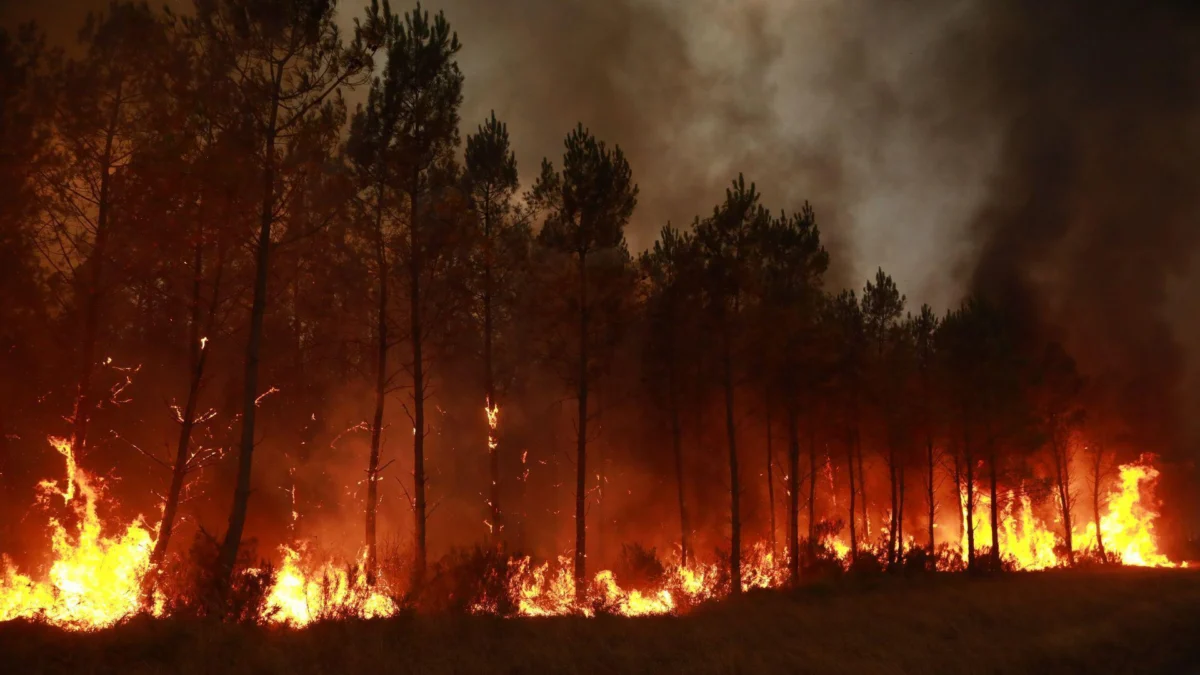
Wildfires, already devastating forces of nature, are being rendered exponentially more dangerous by a phenomenon scientists describe as "fire-generated thunderstorms," or pyrocumulonimbus (pyroCb) clouds. These immense, smoke-filled atmospheric disturbances transform a localized blaze into an unpredictable, self-sustaining inferno, making containment efforts exceptionally challenging and dramatically increasing the potential for loss of life and property. The recent catastrophic wildfires near Bordeaux, France, which necessitated the evacuation of tens of thousands from the surrounding Gironde region, serve as a stark reminder of this escalating threat, with French firefighting authorities attributing the unprecedented scale of the blazes to the formation of these powerful fire clouds – a phenomenon previously unseen in the country.
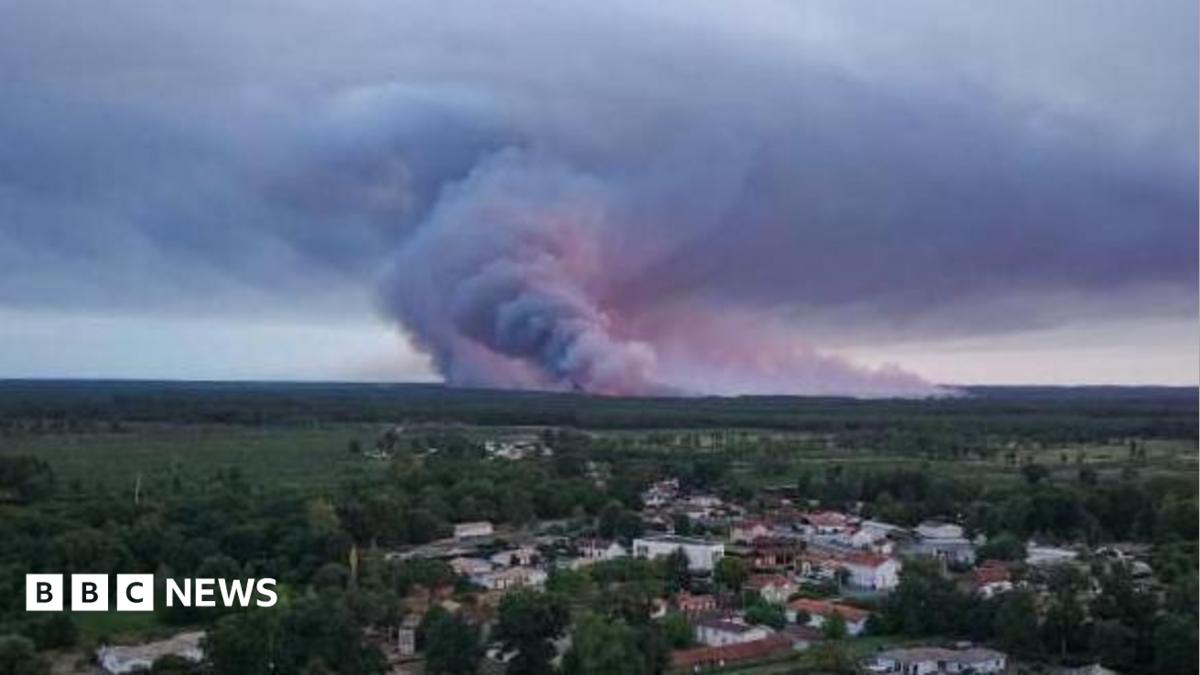
At its core, a pyrocumulonimbus cloud is a unique type of cumulonimbus cloud, the towering, vertically developed clouds commonly associated with conventional thunderstorms. However, unlike regular thunderstorms, the energy driving a pyroCb is not solar heating but the colossal heat generated by an intense wildfire. The process begins when the extreme thermal energy from a large wildfire causes the air directly above it to heat up rapidly. This superheated air, laden with smoke, ash, and water vapour released from burning vegetation, becomes buoyant and ascends at incredible speeds, sometimes reaching heights of several miles into the atmosphere. As this air mass rises, it cools, and the water vapour within it condenses, forming a visible cloud. If the fire’s intensity is sufficient, and the atmospheric conditions are unstable enough to support strong convection, this initial cloud, known as a pyrocumulus, can grow into a full-fledged pyrocumulonimbus, effectively creating its own weather system.
The presence of a pyroCb cloud profoundly exacerbates the lethality of wildfires through multiple mechanisms. Firstly, these fire-generated thunderstorms create highly turbulent and erratic winds. As the hot air rises, it generates powerful updrafts that can suck in vast quantities of oxygen, further intensifying the fire. Conversely, strong downdrafts associated with the collapsing parts of the cloud can push flames sideways and forwards with tremendous force. These chaotic winds not only make the fire’s direction and speed unpredictable for firefighters but also carry burning embers far ahead of the main fire front. This "spotting" phenomenon can ignite new blazes miles away, effectively bypassing established containment lines and exponentially expanding the fire’s perimeter. Fire officials in New South Wales during Australia’s 2019-2020 Black Summer reported embers landing an astonishing 18 miles (30km) ahead of the main front, three times the usual distance, a direct consequence of pyroCb activity.
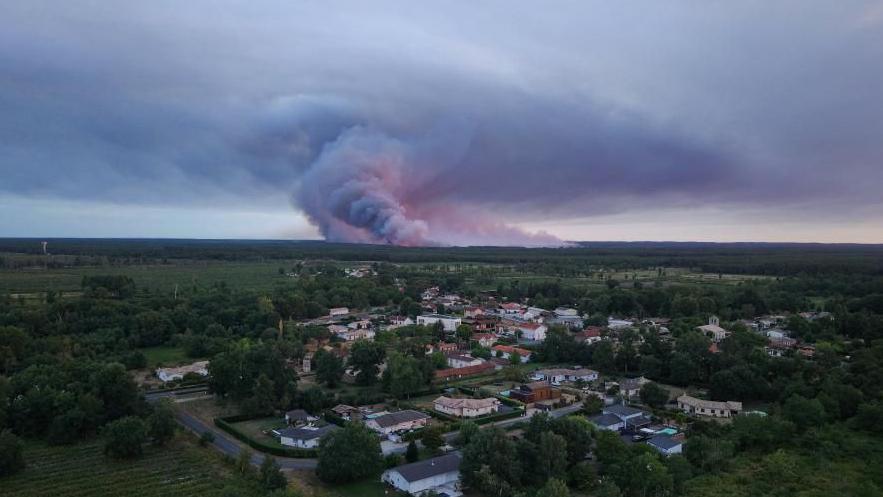
Secondly, and perhaps most dangerously, pyroCb clouds are capable of generating lightning. The intense convection within these towering clouds causes ice crystals and supercooled water droplets to collide, creating electrical charges that ultimately discharge as lightning bolts. These lightning strikes can ignite entirely new fires in dry, susceptible vegetation, often in areas far removed from the primary blaze, complicating firefighting efforts by creating multiple, disconnected ignition points. This adds a critical layer of unpredictability and danger, as new fires can appear spontaneously, overwhelming already stretched resources.
The escalating prevalence of pyroCb events is intrinsically linked to the broader pattern of global climate change. Scientists have consistently warned that rising global temperatures contribute to more frequent and intense heatwaves, prolonged droughts, and drier vegetation. These conditions create a perfect storm for large, high-intensity wildfires, which in turn are more likely to generate the extreme heat and unstable atmospheric conditions necessary for pyroCb formation. This creates a dangerous feedback loop: climate change fuels megafires, megafires generate pyroCbs, and pyroCbs make these fires even more destructive, releasing vast amounts of carbon into the atmosphere, further accelerating climate change.
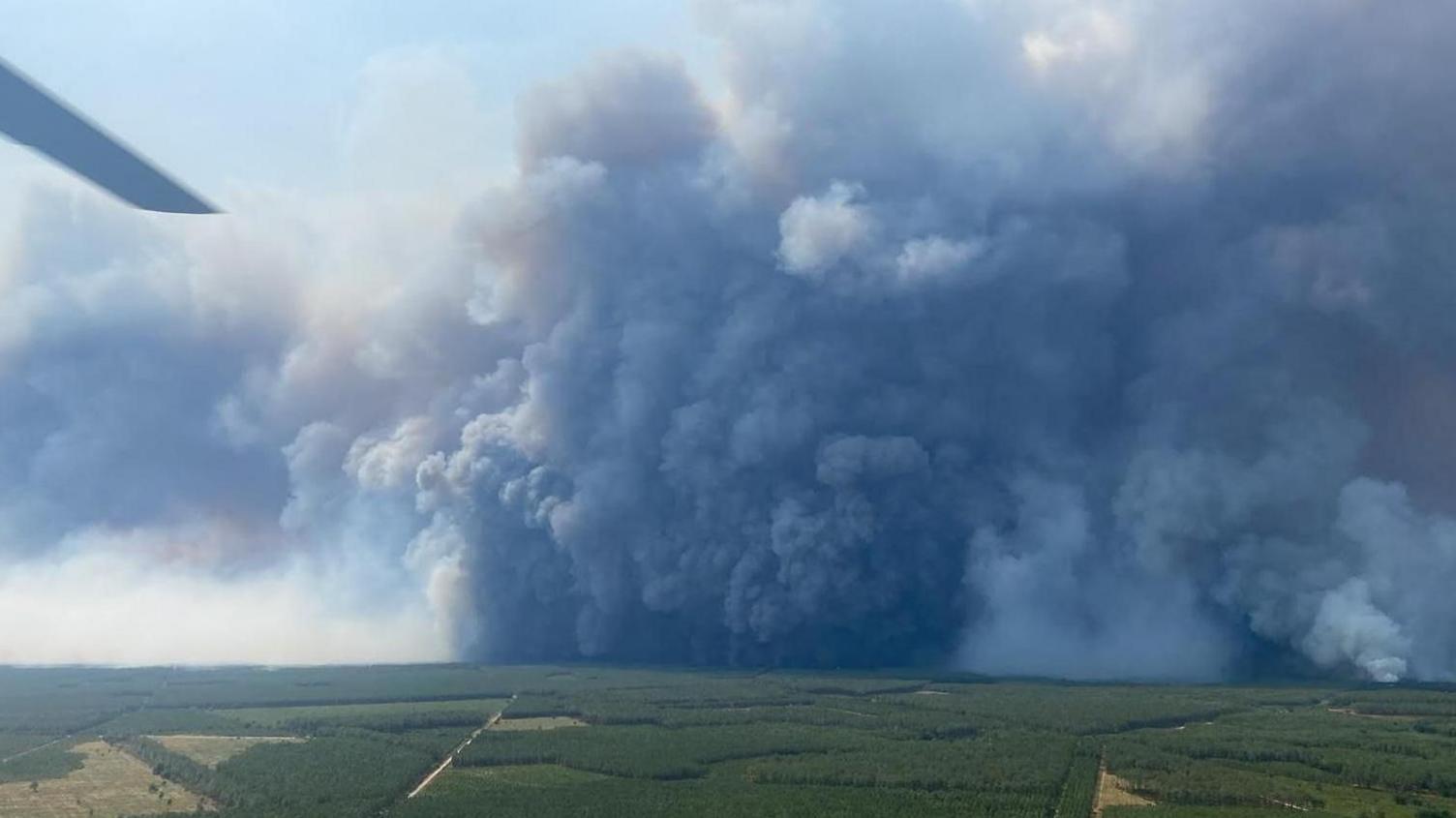
The recent events in France are a stark example of this escalating crisis. The Gironde wildfires, fuelled by an intense, record-breaking European heatwave with minimal rainfall, quickly became a battleground against the forces of nature amplified by a pyroCb. The region braced for another heatwave with temperatures predicted to soar up to 40°C (104°F), indicating that the wildfire could continue burning "for many weeks" and potentially take months to fully extinguish, according to senior officials involved in the response. The emergence of a pyroCb in a region where it had never been witnessed before underscores the unprecedented nature of current climatic conditions.
Beyond Europe, other regions have long grappled with the destructive power of pyrocumulonimbus clouds. The 2019-2020 Black Summer bushfires in Australia stand as a monumental testament to this phenomenon. That season witnessed some of the most intense and catastrophic fire activity in the country’s history, claiming at least 33 lives, including four firefighters, and incinerating over 11 million hectares (27.2 million acres) of bush, forest, and parkland. During this period, numerous pyroCb events occurred, injecting vast plumes of smoke high into the stratosphere, an effect usually associated with volcanic eruptions. NASA famously described these pyroCbs as "the fire-breathing dragon of clouds," noting their capacity to funnel smoke like chimneys into the Earth’s atmosphere while simultaneously hurling thunderbolts, destructive winds, and even isolated rain, which often evaporates before reaching the ground, offering no relief. The stratospheric injection of smoke from these events had global climate implications, affecting atmospheric chemistry and even contributing to a temporary cooling effect in some regions due to smoke particles reflecting sunlight.
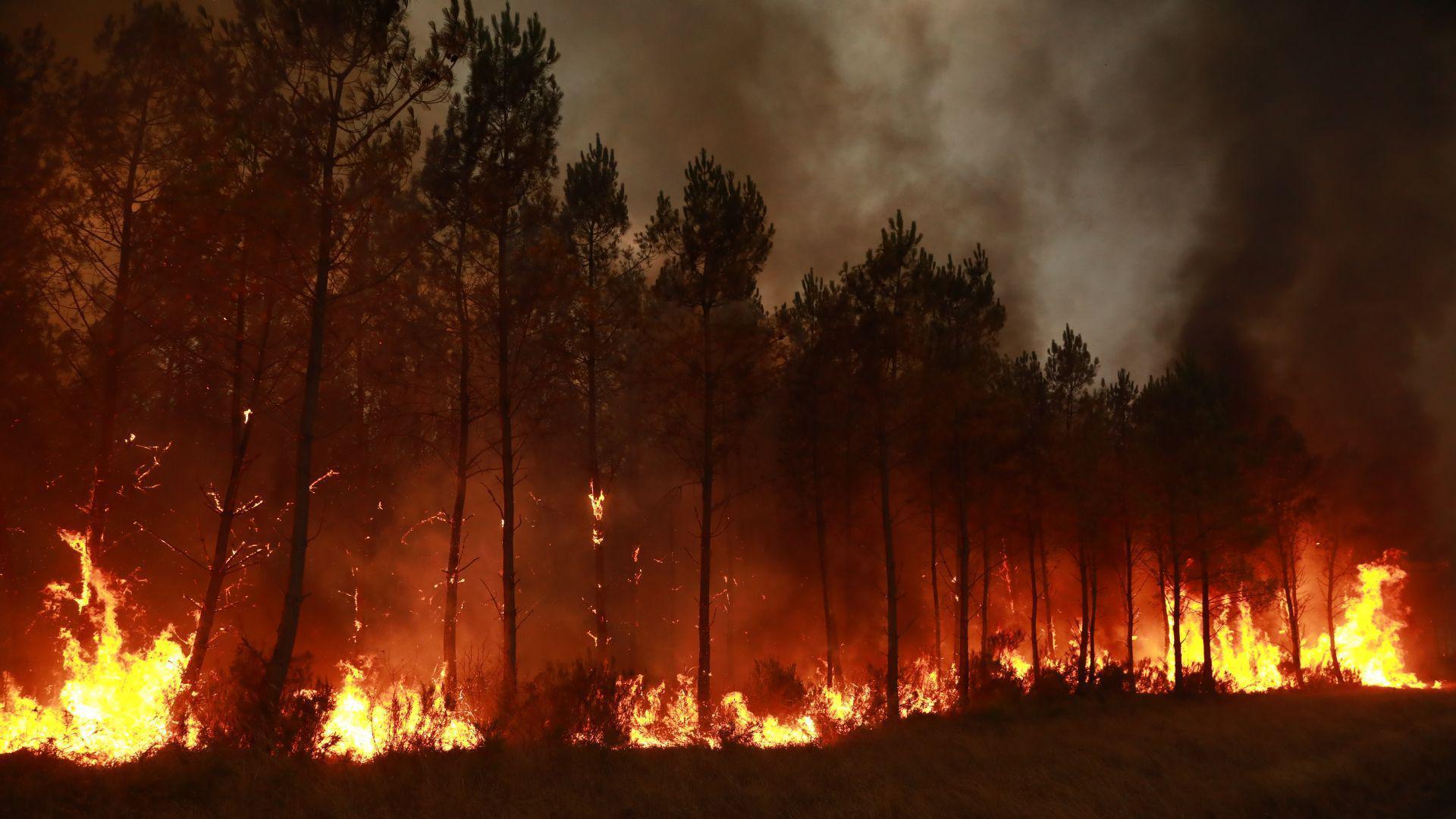
Similarly, the summers of 2020 and 2021 saw intense wildfires across the western United States, particularly in California, generating their own pyrocumulonimbus clouds. These smoky behemoths towered over a mile (1.6km) high, casting an apocalyptic pall over vast areas. California firefighting officials reported over 7,300 wildfires burning across 1 million hectares (2.5 million acres) in 2021 alone, with at least three firefighters losing their lives. The Dixie Fire, one of California’s largest single wildfires in history, produced multiple pyroCb events, contributing to its extreme growth and erratic behavior. The sheer scale of these events highlights the increasing frequency and severity of conditions conducive to pyroCb formation in regions prone to wildfires.
The increasing frequency and intensity of pyrocumulonimbus events represent a critical challenge for wildfire management and public safety worldwide. They demand a recalibration of firefighting strategies, emphasizing early detection, rapid response, and advanced atmospheric forecasting to predict and prepare for these unpredictable "fire-generated thunderstorms." Furthermore, the long-term solution lies in a concerted global effort to mitigate climate change, reducing the underlying conditions that foster such extreme fire behavior. Without significant action, these fire-breathing dragons of the sky will continue to make wildfires more deadly, impacting ecosystems, economies, and human lives with devastating regularity.



 Roy Suryo
 Nakalama John
 atisusanti
 Ramos Leo