Ramos Leo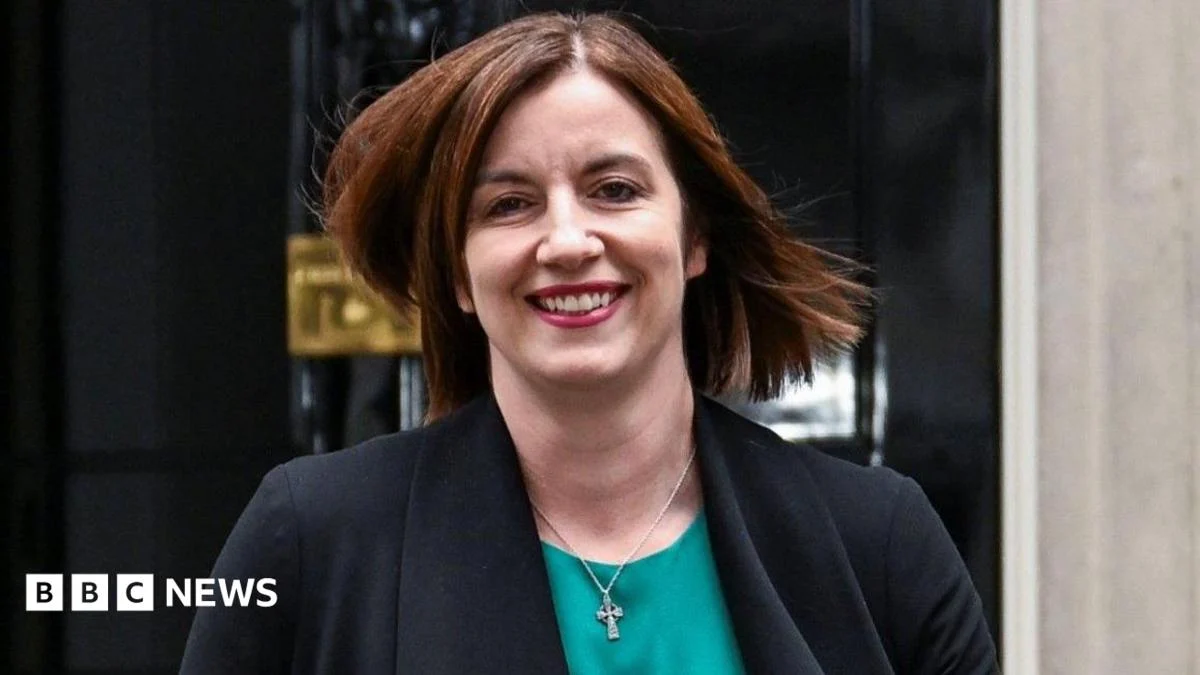
Prime Minister Andy Burnham has officially announced the appointment of Bridget Phillipson as the new Labour Party chair, a pivotal role designed to steer the party’s organisational strategy and readiness for the political challenges ahead. This significant move signals a new phase in Labour’s governance under Burnham, focusing intensely on party infrastructure, internal cohesion, and electoral preparedness following their recent ascent to power. Phillipson, a respected figure within the party, takes on this crucial responsibility while simultaneously retaining her portfolio as Minister for Women and Equalities, underscoring the government’s commitment to integrated leadership.
A Labour spokesperson confirmed that Phillipson’s primary mandate will be to work in close collaboration with Deputy Labour Leader Lucy Powell. Their joint efforts will be instrumental in a comprehensive drive to modernise the party, ensuring it is robustly prepared and strategically positioned for the next general election. This modernisation effort is expected to encompass a wide array of initiatives, from enhancing digital engagement and data analytics to strengthening grassroots activism and refining the party’s overall public outreach. The aim is to cultivate an agile, responsive, and electorally potent organisation capable of sustaining Labour’s mandate.
The appointment also highlights an interesting dynamic within the party’s top echelons. Phillipson and Powell, now key figures in the party’s strategic leadership, famously competed against each other for the deputy leader position just last year. That contest was triggered by the unexpected resignation of Angela Rayner, a move that prompted a spirited internal debate over the party’s future direction and leadership style. Following a rigorous campaign, Lucy Powell emerged victorious, securing a convincing 54% support from the party membership. This outcome demonstrated a clear preference from the grassroots for her vision and leadership qualities at that time.
Phillipson’s journey to this new role saw her previously serve as the Education Secretary under the leadership of Sir Keir Starmer, a position of considerable influence in shaping the party’s policy agenda before Burnham assumed the premiership. However, in a significant cabinet reshuffle following his victory, Prime Minister Burnham entrusted the Education Secretary role to Lucy Powell, further consolidating Powell’s influence within the new government. This shift allows Phillipson to dedicate her considerable organisational and strategic skills to the party chair position, a role that demands full attention to internal mechanics and external campaigning. Her experience at the highest levels of policy formulation and parliamentary debate will undoubtedly inform her approach to party management and strategic communication.
Announcing Phillipson’s appointment, Prime Minister Burnham articulated a clear vision for her tenure, emphasising her critical role in preparing the party for a rapidly evolving political landscape, particularly in the realm of digital campaigning. "Bridget will help the party sharpen its focus on preparations for a new digital campaigning environment," Burnham stated. He elaborated on the necessity of adapting to contemporary communication channels and voter engagement methods, recognizing that future elections will increasingly be fought and won online. "She will play a vital role in ensuring the Labour Party is match fit for the next election," he added, signalling a proactive and forward-thinking approach to electoral strategy. Being "match fit" implies not just a strong digital presence but also a cohesive message, a robust volunteer base, efficient fundraising, and a clear, compelling narrative that resonates with the electorate.
Phillipson steps into the shoes of Anna Turley, who had previously served as the Labour Party chair. Turley has since been appointed to a ministerial role in the Home Office, indicating a broader restructuring of responsibilities within the new Labour government and a strategic deployment of talent across various departments. Turley’s move to a key government ministry allows Phillipson to bring a fresh perspective and renewed energy to the party’s internal operations and electoral planning.
The broader leadership team, which includes the highly experienced Chief Whip Anneliese Midgley, is expected to embark on an ambitious programme of culture change within the Labour Party. This initiative aims to foster greater unity, professionalism, and a more inclusive environment, crucial elements for a party transitioning from opposition to government. Beyond cultural shifts, the team is tasked with building robust infrastructure and a comprehensive policy platform, all meticulously designed to be fully operational and compelling by 2029. This date marks the latest possible timing for the next general election, giving the party a clear long-term horizon for strategic planning and implementation. The infrastructure development will likely involve updating data systems, enhancing regional party offices, providing advanced training for activists, and streamlining internal communication channels. Simultaneously, the policy platform will need to be innovative, responsive to national challenges, and capable of addressing the evolving needs and aspirations of the British public, cementing Labour’s position as a forward-looking government.
Following her appointment, Phillipson took to X (formerly Twitter) to express her gratitude and commitment, stating she was "honoured" to take on the significant role. Her message resonated with a deep-seated commitment to Labour’s values and mission. "I joined our party as a teenager and saw first hand the difference a Labour government makes," she posted, reflecting on her personal journey and long-standing dedication to the party’s cause. This personal connection to Labour’s historical impact underscores her belief in the party’s capacity to bring about positive change for ordinary people.
Phillipson’s statement also outlined her immediate strategic priorities, particularly addressing emerging political threats. "I’ll work with members to build the election-winning machine that sees off Reform [UK] for good and secures a second Labour term," she declared. This explicit mention of Reform UK highlights the Labour Party’s awareness of the challenge posed by populist movements on the right and their determination to counter such forces. Neutralizing the appeal of parties like Reform UK will involve a multi-pronged strategy, including clear communication of Labour’s economic and social policies, addressing voter concerns about immigration, and reinforcing a strong sense of national identity that resonates across the political spectrum. The ambition to secure a "second Labour term" further underscores the long-term vision of Burnham’s government, aiming to establish a sustained period of Labour leadership rather than just a single electoral victory.
Welcoming her new colleague, Deputy Labour Leader Lucy Powell expressed her enthusiasm for their joint endeavour. "Working together, we will ensure the party continues to lead the way in campaigning, with the strongest ground operation in British politics as we prepare for the next general election," Powell stated. Her remarks reinforced the collaborative spirit that is expected to define the new leadership dynamic. The emphasis on maintaining "the strongest ground operation" signifies a continued commitment to traditional grassroots campaigning methods, such as door-to-door canvassing, local community engagement, and volunteer mobilization, complementing the digital advancements championed by Burnham. This holistic approach, combining cutting-edge digital strategies with robust on-the-ground activism, is designed to create an unparalleled campaigning force, capable of reaching every voter and securing Labour’s future electoral success.
Bridget Phillipson’s appointment as Labour Party chair marks a critical juncture for the party under Prime Minister Andy Burnham. It solidifies a strategic leadership team focused on comprehensive modernisation, electoral readiness, and long-term governance. Her mandate is clear: to build an efficient, disciplined, and forward-looking party machine capable of not only winning the next election but also securing a lasting legacy for Labour in government, navigating a complex political landscape while fending off emerging challenges.



 Roy Suryo
 Nakalama John
 atisusanti