
 Nana Banana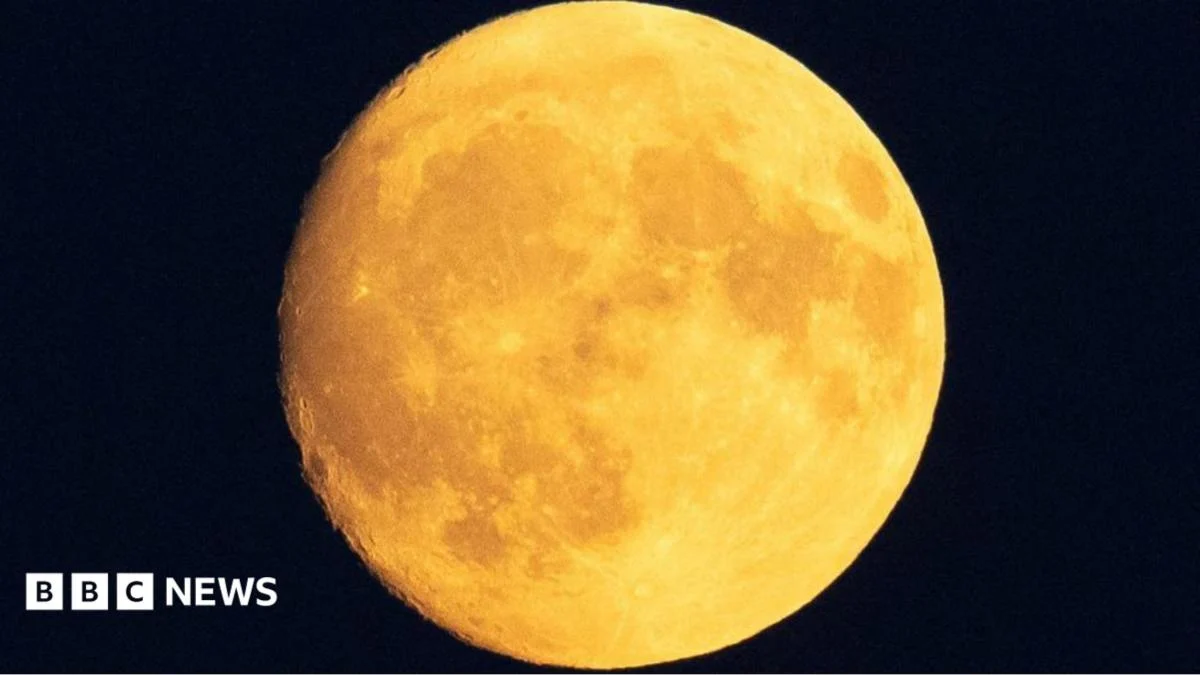
Observing a full moon, especially one as culturally significant as July’s Buck Moon, is an experience best enjoyed from open, elevated locations that offer minimal light pollution and an unobstructed view of the eastern horizon, where the moon makes its grand ascent. This year, the celestial event promises a spectacular display, providing a unique opportunity for residents and visitors across the West of England to connect with the night sky. The Buck Moon, named by Native American tribes for the time of year when male deer (bucks) begin to grow their new antlers, symbolises growth, renewal, and abundance. Its appearance often coincides with warm summer nights, making it an ideal time for outdoor stargazing and moon-watching expeditions.
While the general meteorological outlook for the UK on Wednesday night suggests potential cloud cover across northern and western regions, forecasts indicate a higher likelihood of clear conditions in southern and eastern areas. This presents a favourable scenario for many parts of the West of England, which generally fall within these clearer zones. However, moon enthusiasts are advised to check hyper-local weather updates closer to the evening, as patchy cloud can be notoriously difficult to predict far in advance. Factors such as humidity and high-altitude haze can also subtly affect visibility, even on otherwise clear nights, by scattering moonlight and reducing its sharp brilliance. Nevertheless, the region boasts an array of prime viewing spots, chosen for their elevation, wide horizons, and often, their relative seclusion from urban glow.
In Bristol, a city renowned for its undulating landscape and historic viewpoints, several locations stand out for their potential to offer a stunning vista of the rising Buck Moon. Troopers Hill Nature Reserve in St George, a unique site characterised by its exposed sandstone, heather, and acid grassland, provides an exceptional vantage point. Its elevated position offers panoramic views across the city, the Avon Valley, and beyond, with the added charm of its post-industrial wilderness lending a rugged, elemental feel to the experience. The open aspect ensures an unhindered view towards the east, making it a local favourite for celestial events. Accessibility is good, with local parking often available nearby, and public transport links serving the surrounding areas.
Another iconic Bristol location is the Clifton Observatory viewpoint, perched high above the Avon Gorge. While the immediate area around the observatory and the Clifton Suspension Bridge can experience some light pollution from city lights, its sheer elevation and the dramatic backdrop of Brunel’s masterpiece often mitigate this. From this historic site, one can witness the moon ascend over the distant eastern suburbs, casting its glow upon the famous gorge. The combination of natural grandeur and architectural marvel makes for a truly memorable moon-watching experience, albeit one that may be shared with more fellow spectators. For a slightly more tranquil yet equally elevated perspective within the city, Victoria Park, situated between Bedminster and Totterdown, offers expansive green spaces atop a significant hill. Its commanding position provides clear sightlines over a considerable portion of the city and towards the eastern horizon, making it an excellent, family-friendly option away from the immediate bustle of the city centre, with ample space for comfortable viewing.
Moving into the picturesque county of Gloucestershire, a wealth of high ground locations promises spectacular lunar observations. Cleeve Hill, proudly holding the title of the highest point in the Cotswolds, offers arguably the most extensive panoramic views in the region. From its 330-metre summit, the landscape unfolds in a breathtaking 360-degree vista, encompassing the Severn Vale, the Malvern Hills, and even glimpses of the Black Mountains in Wales on exceptionally clear nights. Its vast, open expanse ensures minimal light obstruction and a truly dark sky experience, ideal for appreciating the subtle nuances of the Buck Moon. Ample parking is available at various points around the hill, making it relatively accessible for those willing to brave the summer night air.
Further south in Gloucestershire, Painswick Beacon provides another excellent choice. This Iron Age hillfort offers a superb elevated position with wide horizons, overlooking the scenic Stroud Valleys and across to the Severn Estuary. The ancient earthworks add a sense of history and mystique to the viewing experience, creating a profound connection between past and present as the moon illuminates the timeless landscape. Its slightly more secluded nature compared to Cleeve Hill can offer a more intimate encounter with the night sky. To the west of the county, May Hill stands as a distinctive landmark, crowned by its clump of iconic trees. From its summit, observers can enjoy far-reaching views across the Forest of Dean, Herefordshire, and into the Welsh borders. Its rural setting ensures very low levels of light pollution, allowing the moon’s light to dominate the nocturnal canvas.
Wiltshire, with its ancient landscapes and wide-open expanses, presents some truly magical settings for moon observation. The Avebury Stone Circle, a Neolithic marvel, offers an unparalleled opportunity to witness the Buck Moon rise amidst ancient megaliths. The spiritual and historical significance of this UNESCO World Heritage site is amplified under the glow of a full moon, creating an almost mystical atmosphere. The surrounding landscape of the Marlborough Downs is inherently dark, providing a perfect backdrop for the celestial event. Observing the moon here allows for a profound connection to the past, imagining how our ancestors might have viewed such a spectacle. Further south, Barbury Castle, another impressive Iron Age hillfort, commands a wide panoramic view of the night sky from its elevated position on the Marlborough Downs. Its relatively remote location ensures excellent dark sky conditions, allowing for unobstructed views across the rolling countryside. The commanding height of the ramparts provides a clear vantage point in every direction, ideal for tracking the moon’s journey across the heavens.
Somerset, a county steeped in myth and legend, offers some of the most evocative moon-watching spots in the West of England. Glastonbury Tor, an iconic hill topped by the solitary St Michael’s Tower, is perhaps the most famous. Its legendary status and spiritual significance draw visitors from far and wide. The climb to the summit, though requiring some effort, is richly rewarded with breathtaking 360-degree views across the Somerset Levels. On a clear night, the Buck Moon rising over this mystical landscape is a truly unforgettable sight, illuminating the flatlands below and lending an ethereal glow to the ancient tower. The experience here is not merely about viewing the moon, but about immersing oneself in a place where heaven and earth seem to meet.
Not far from Glastonbury, Burrow Mump offers a similar, albeit smaller and often less crowded, experience. Crowned by the ruins of a medieval church, this conical hill also rises dramatically from the Somerset Levels, providing superb elevated views. Its more intimate scale and equally rich historical atmosphere make it a fantastic alternative for those seeking a tranquil moon-watching experience. The expansive, flat landscape of the Levels ensures a completely unobstructed horizon, making the moon’s ascent particularly dramatic. Finally, King Alfred’s Tower, a striking folly located within the beautiful Stourhead Estate, provides another high vantage point. While the tower itself might not be accessible at night, its base and the surrounding elevated grounds offer commanding views over the borderlands of Somerset and Wiltshire. The architectural grandeur of the tower, silhouetted against the moonlit sky, adds another layer of visual interest to the nocturnal panorama.
Regardless of the chosen location, successful moon-watching requires some preparation. Enthusiasts should dress warmly, even on summer nights, as temperatures can drop significantly after sunset, especially on exposed hilltops. Bringing a comfortable chair or blanket, along with a flask of hot drink and some snacks, can enhance the experience. Binoculars or a small telescope can reveal fascinating lunar details, such as craters and maria. A red-light torch is highly recommended, as it preserves night vision much better than white light. Safety is paramount: inform someone of your plans, stick to established paths, and be mindful of uneven terrain in the dark. Respect for nature reserves and private land is crucial, ensuring no litter is left behind and disturbances are kept to a minimum. For those interested in moon photography, a tripod, a telephoto lens, and knowledge of long exposure settings will be invaluable to capture the moon’s brilliance. Ultimately, watching the July Buck Moon is about more than just seeing a celestial object; it is an opportunity to pause, reflect, and appreciate the natural grandeur of our world and the universe beyond, from some of the most beautiful vantage points the West of England has to offer.



 Roy Suryo

 Nakalama John
 atisusanti
 Ramos Leo
