
 Nana Banana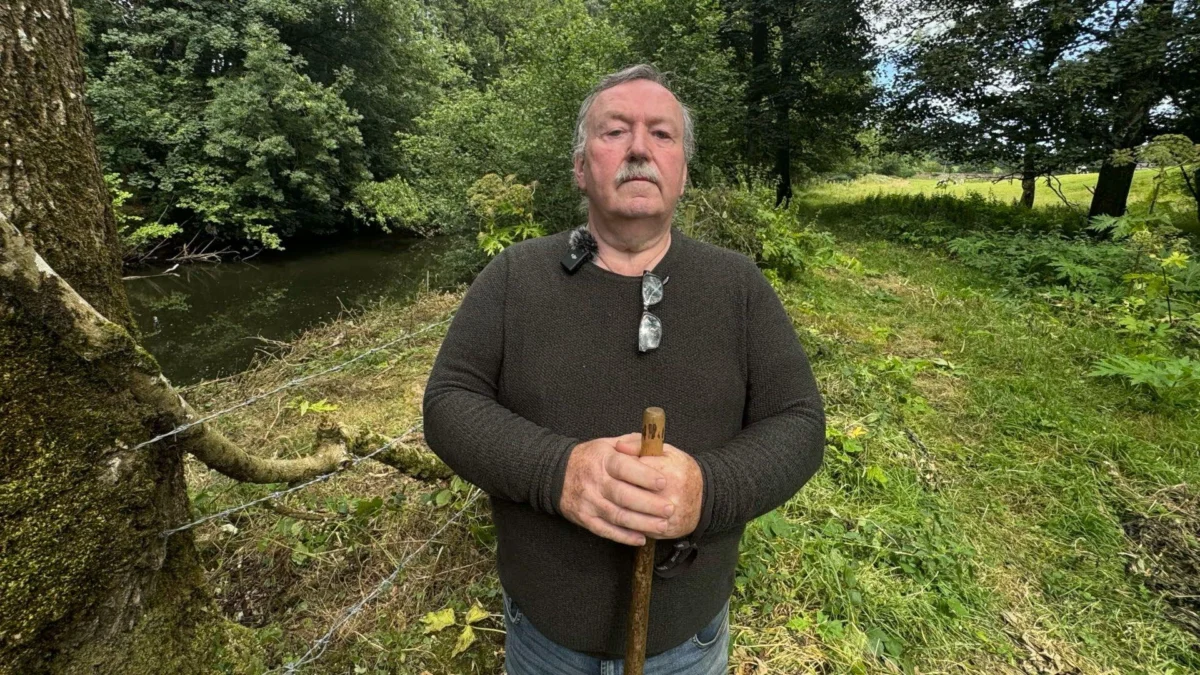
A dedicated conservation project in County Tyrone is making significant strides in its relentless battle against giant hogweed, an invasive species widely recognized as the UK’s "most dangerous plant." This towering menace, scientifically known as Heracleum mantegazzianum, poses a severe threat to public health and native ecosystems across Northern Ireland. Its sap, containing potent phototoxic chemicals called furanocoumarins, can cause agonizing blistering and scarring when it comes into contact with human skin and is subsequently exposed to sunlight. The plant itself is an imposing sight, capable of reaching heights of up to five metres (over 16 feet), and typically thrives in damp, fertile environments such as riverbanks, coastal areas, and woodland edges, where its rampant growth can quickly overwhelm indigenous flora.
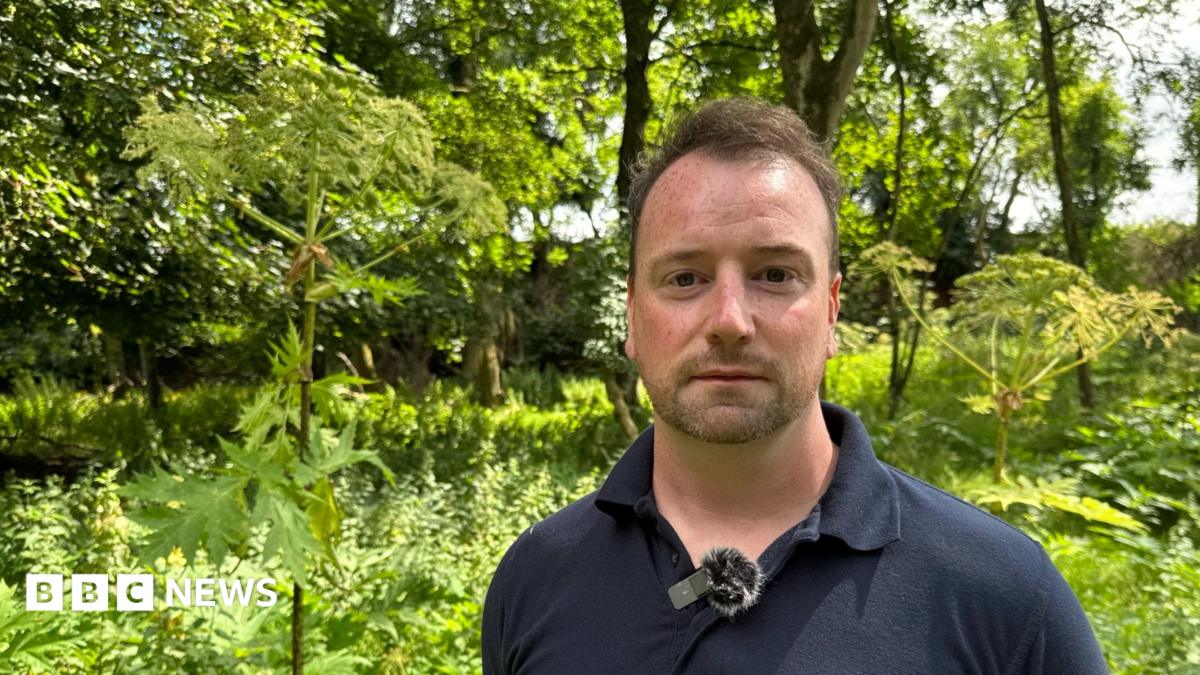
The Ballinderry Rivers Trust, a local environmental organization, has been at the forefront of this fight. They have successfully identified and initiated treatment for a significant source of giant hogweed located just outside Cookstown, a critical step in containing its spread. Peter Mitchell, who oversees the project for the Trust, explained their concentrated efforts around Drum Manor Forest Park, an area intrinsically linked to the Ballinderry River. "Thankfully, we’re now able to manage it and keep it at an absolute minimum around Drum Manor, and that is a success story," Mitchell stated, highlighting the positive outcomes of their sustained interventions and collaboration with local angling clubs to raise vital awareness among the community. However, he quickly tempered this success with a dose of reality: "But the reality is it has also spread miles further down the Ballinderry River, and keeping on top of that is a monumental task." The plant’s aggressive nature and rapid dispersal capabilities mean that even localized victories require constant vigilance to prevent re-establishment.
The scale of the problem across Northern Ireland underscores the urgency of these efforts. According to data from the NBN Atlas NI, there are more than 2,500 recorded sites where giant hogweed has been confirmed, illustrating its pervasive presence. Recognizing the gravity of the situation, Stormont has established an ambitious target for all landowners: to reduce the plant’s distribution throughout Northern Ireland by 50% before the year 2030. This mandate places a legal and environmental responsibility on property owners to actively manage and eradicate the invasive species on their land. The challenge is immense, as revealed by new figures obtained by BBC News NI, which show that the Northern Ireland Environment Agency (NIEA) is currently pursuing more than 500 giant hogweed enforcement cases. These cases highlight the widespread non-compliance or difficulty landowners face in tackling the plant, often due to its rapid growth cycle and the specialized knowledge required for safe removal.
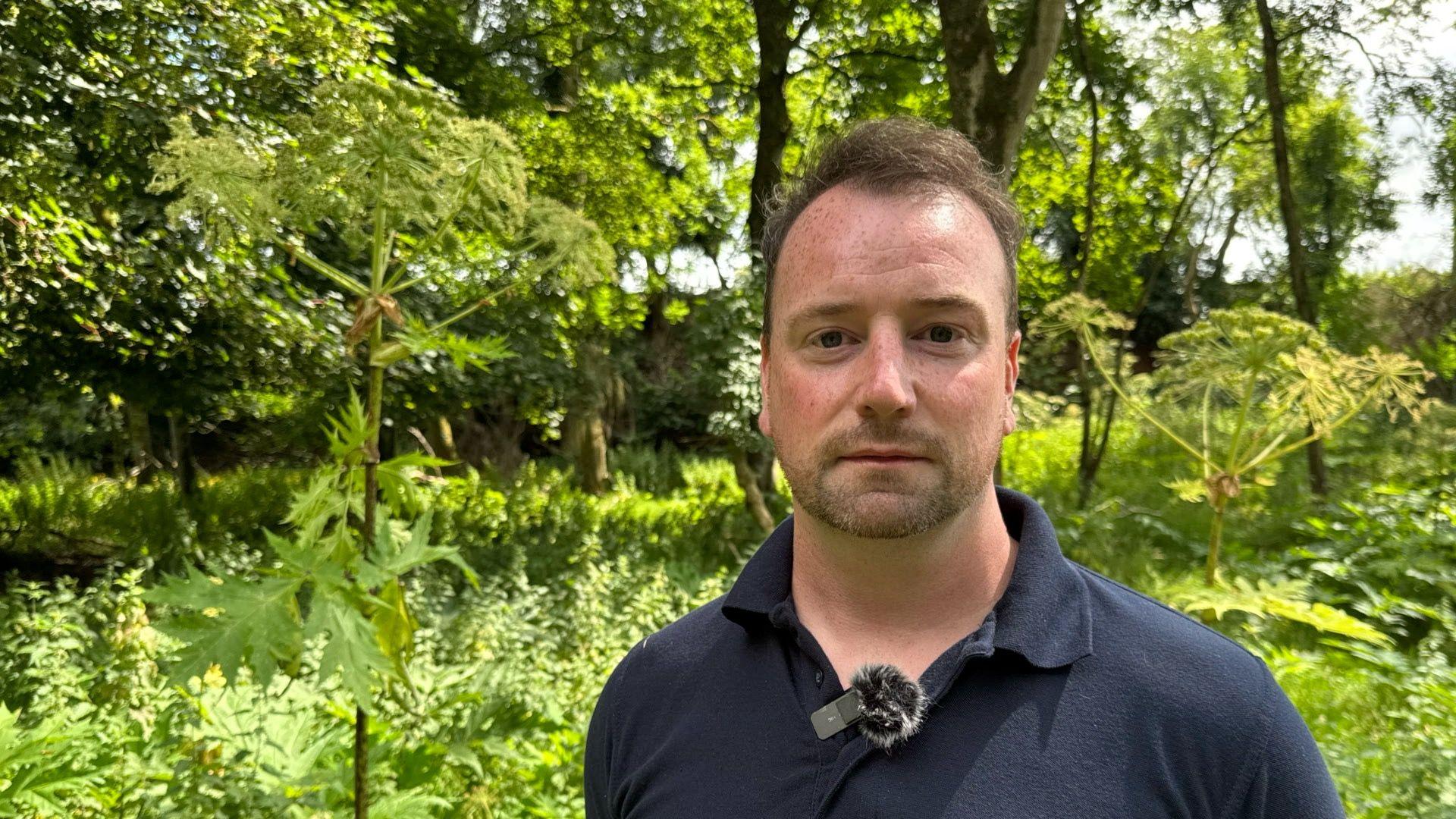
Mitchell reiterated the plant’s formidable danger, emphasizing its prominence in Mid Ulster. "It’s a particularly nasty plant that you don’t want to get close to," he warned. The Trust’s investigations have been instrumental in tracing the plant’s lineage: "We’ve traced it to two water tributaries coming out of Drum Manor, so you can actually see the source of it coming in just above Cookstown, spreading down the Ballinderry River and as far as Lough Neagh." This understanding of its spread dynamics is crucial for effective long-term management strategies, as controlling upstream sources is paramount to protecting downstream areas, including the vast expanse of Lough Neagh.
‘I’ll never forget it’
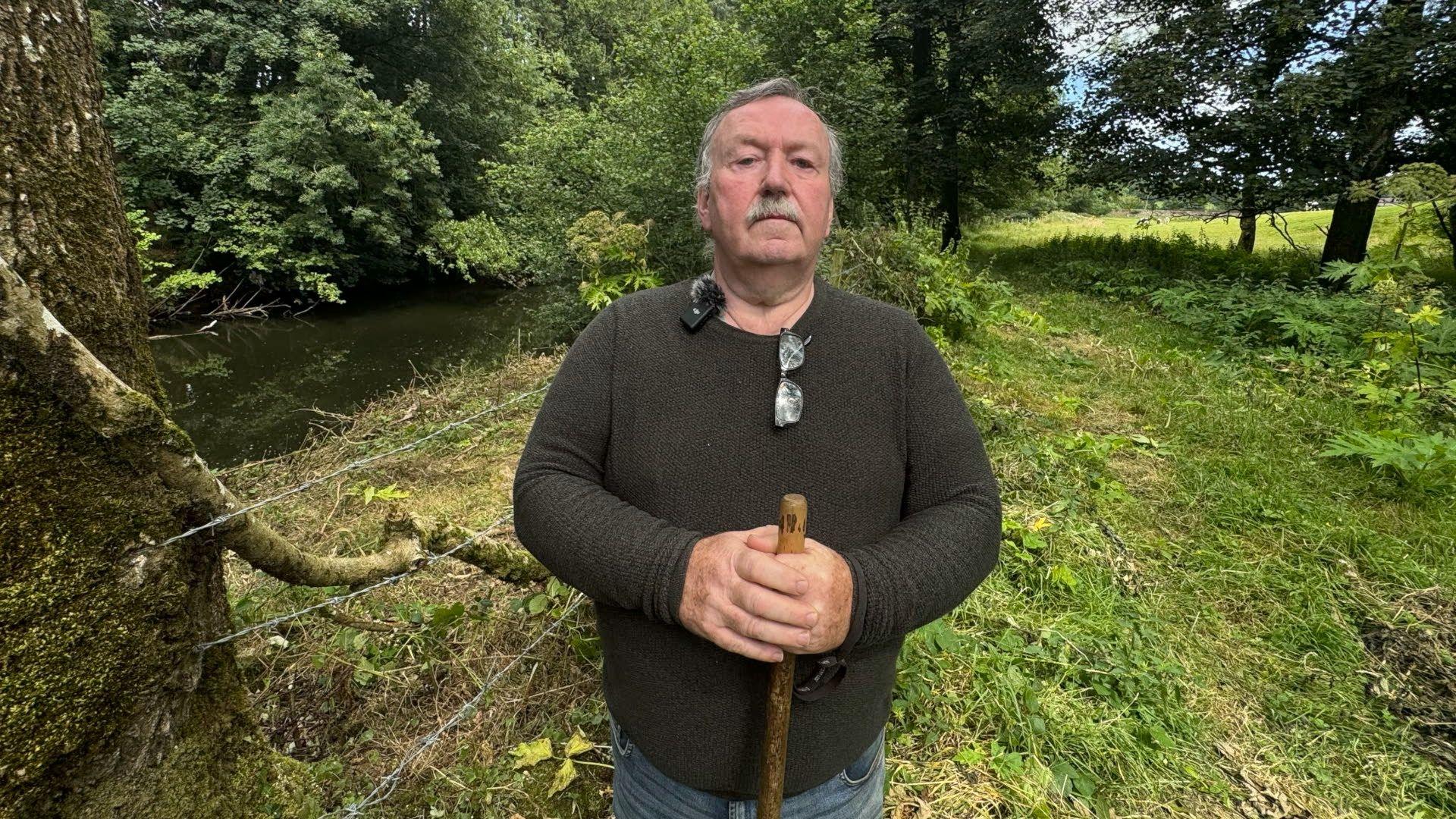
The severe impact of giant hogweed is best understood through the experiences of those who have suffered its effects. Sean Devlin, a long-standing member of the Mid Ulster Angling Club, has been fishing on the Ballinderry River for over 60 years and bears a stark memory of an encounter with the plant. "I’ll never forget when I was a young lad, I was down at the riverbank and I got the plant all over my hands and arms, because I didn’t know enough about the dangers at that time," he recounted. His initial reaction was deceptively mild: "I initially felt a small tingle, it wasn’t like a nettle where you get the full sting immediately, it wasn’t until later, especially when I was the sun with it that I really felt it on my skin." The delayed and sun-aggravated reaction is characteristic of giant hogweed burns. "I ended up covered in these large watery blisters the whole way up my arm, I’ll always remember the pain of it," Devlin concluded, his words a powerful warning to others. He strongly urged anyone who encounters the plant not to handle it and to maintain a safe distance. The scars and sensitivity can last for years, sometimes for life, serving as a permanent reminder of the plant’s potent toxicity.
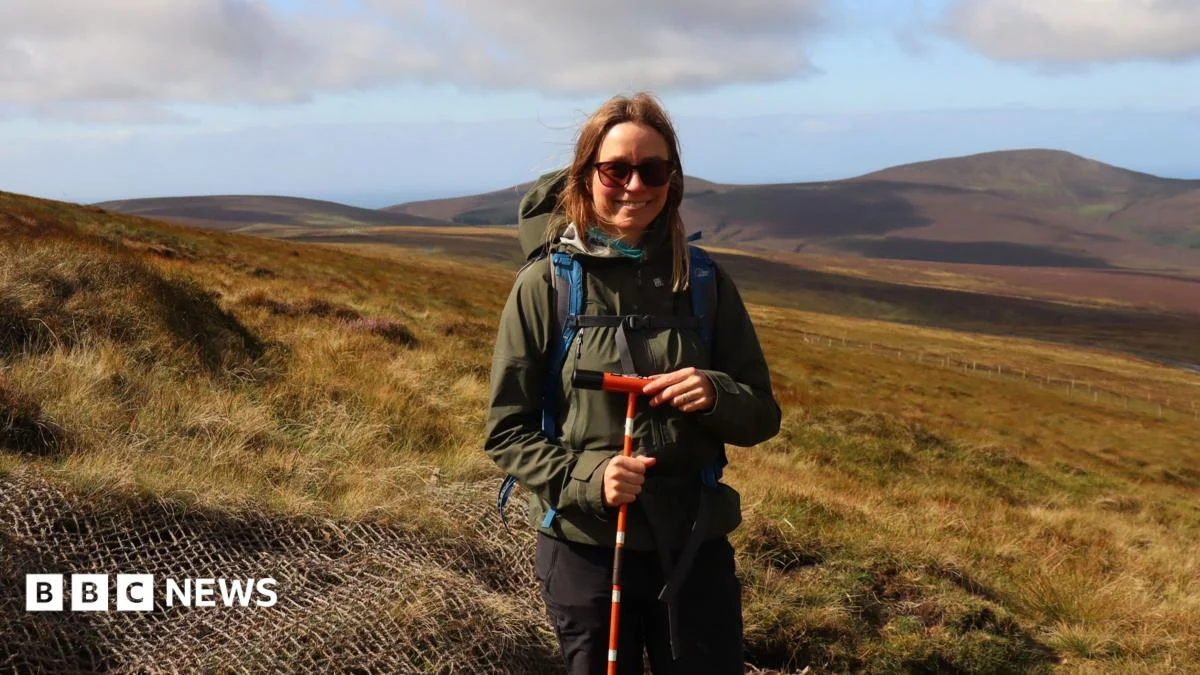
Another harrowing account comes from Esmée Gummer, an English long-distance runner undertaking an incredible 5,000km challenge across the UK over 99 days. Her journey is remarkable, particularly given that she was once told she might never walk again after complex surgery at 18, necessitating a full re-learning of basic motor skills. As part of her challenge, she hosts free 5k runs in every city she visits, embodying resilience and community spirit. Earlier this month, while running through Northern Ireland, she was forced to contend with excruciating blisters on her legs – a painful legacy of an encounter with giant hogweed in Scotland. "I woke up one morning with these welts on my knees and I carried on running, I remember going to bed that night and woke up in agony," she described. "My knees were on fire and all these blisters began to form, I’ve never felt a pain like it."
‘The pain was indescribable’
The physical and mental toll of the giant hogweed exposure was profound for Gummer. "Thankfully one of my friends who is a doctor came to my aid and bandaged my legs up, but running through the pain was extremely tough," she explained. The agony was relentless: "I had really intense pain for about 10 days, particularly at night after running all day, the pain was indescribable, it was like fiery pain." Despite this severe setback, Gummer’s unwavering determination, coupled with the immense support she received from people across Northern Ireland, helped her push through the agonizing burns and continue her monumental challenge. Her story serves as a vivid illustration of the plant’s capacity to inflict serious injury and disrupt lives.
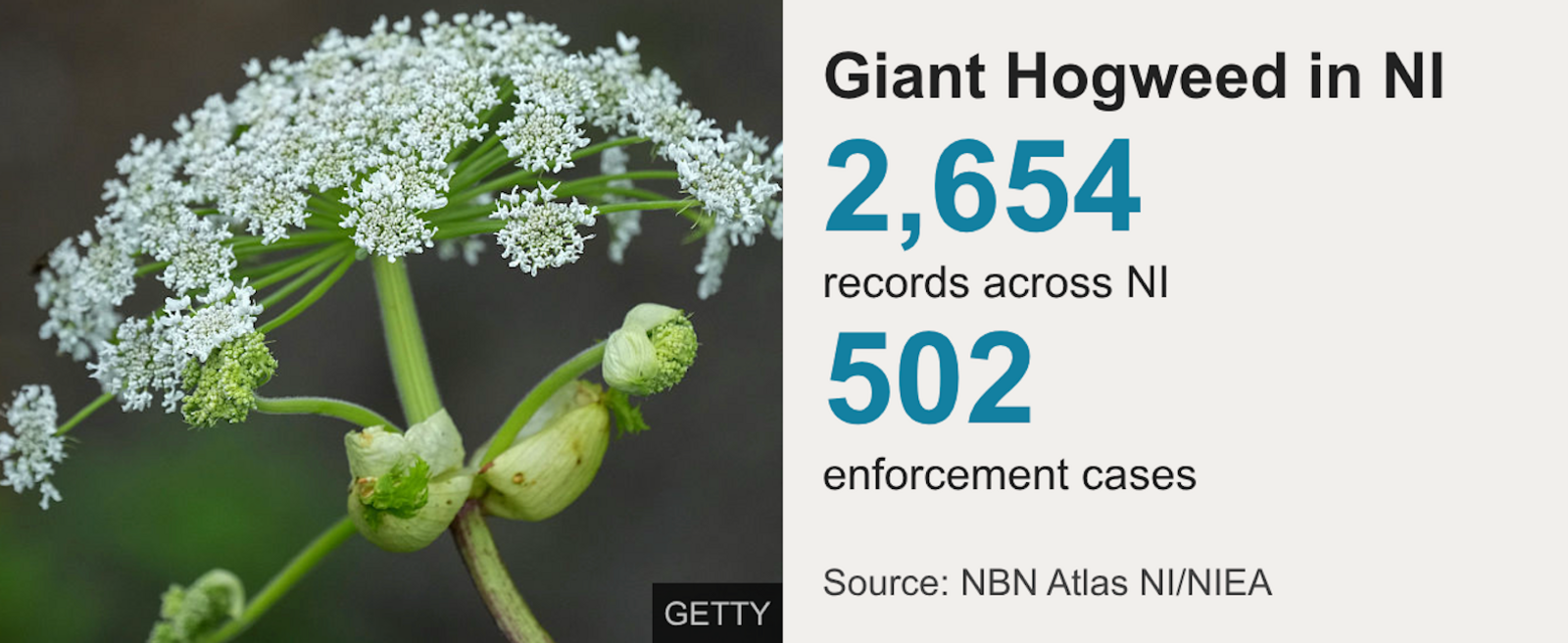
What is giant hogweed?
Giant hogweed (Heracleum mantegazzianum) is a formidable toxic plant that demands extreme caution. Originating from the Caucasus Mountains and Central Asia, it was first introduced to Britain and Ireland in the early 19th Century. Its impressive stature and large, architectural white flower heads made it a popular ornamental garden plant, particularly favoured in the grand landscapes of large stately homes. However, its aggressive growth and prolific seed production soon led to its escape from cultivation, allowing it to rapidly colonize the wider countryside. Today, it is predominantly associated with river corridors, lake margins, and disturbed ground in all counties of Northern Ireland, where its seeds are easily dispersed by water.
The plant’s danger lies in its sap, which contains furanocoumarins. When this sap comes into contact with human skin and is then exposed to ultraviolet (UV) light from the sun, it triggers a severe phototoxic reaction known as phytophotodermatitis. This reaction effectively removes the skin’s natural UV protection, leading to severe burns. Symptoms typically become noticeable within 24 hours of exposure, manifesting as redness, itching, and the development of large, painful, watery blisters. These symptoms are often exacerbated by continued exposure to sunlight. The burns can be excruciatingly painful and can result in significant, long-lasting scarring. Furthermore, the affected skin can remain hypersensitive to sunlight for many years, sometimes even permanently, necessitating diligent sun protection.
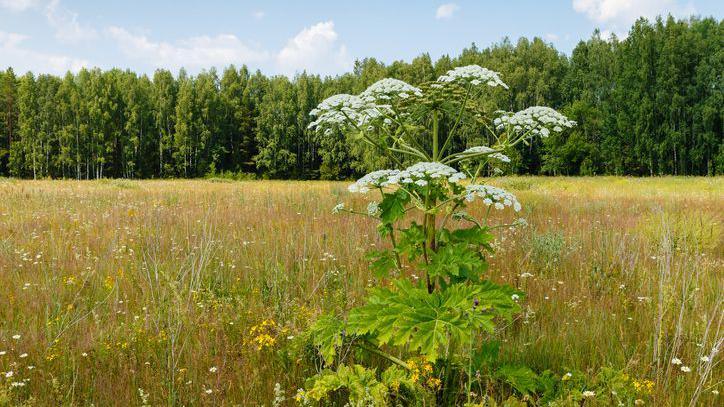
Giant hogweed is easily identifiable by its sheer size, often growing up to 14-15 feet (4.5 metres) tall. It has thick, hollow, ridged stems, typically mottled with purple, and large, deeply lobed, jagged leaves that can be over a metre wide. Its distinctive umbrella-like clusters of white flowers, which can measure up to 80cm across, bloom from June to July. Beyond its threat to human health, giant hogweed is also an ecological disaster. Its rapid growth creates dense canopies that shade out and outcompete native plant species, leading to a significant loss of biodiversity. When the plant dies back in winter, it leaves bare ground, increasing the risk of soil erosion, particularly along riverbanks.
Government advice regarding contact with giant hogweed is clear and immediate: cover any affected skin immediately to prevent further sun exposure, wash the area thoroughly with cold water and soap as soon as possible, and avoid exposure to the sun for several days, if not weeks. Medical attention should be sought for severe reactions. The Northern Ireland Environment Agency (NIEA) actively encourages anyone concerned about giant hogweed to report its presence through its official monitoring system or via citizen science apps like iRecord or iNaturalist. A spokesperson for NIEA confirmed their proactive approach: "Each record is followed up, with landowners being informed of their legal responsibilities to put immediate management measures in place." The ongoing fight against giant hogweed requires a concerted effort from conservation trusts, government agencies, landowners, and the public to mitigate its dangers and protect both human health and the delicate balance of Northern Ireland’s natural environment.



 Roy Suryo

 Nakalama John
 atisusanti
 Ramos Leo
