Nana Banana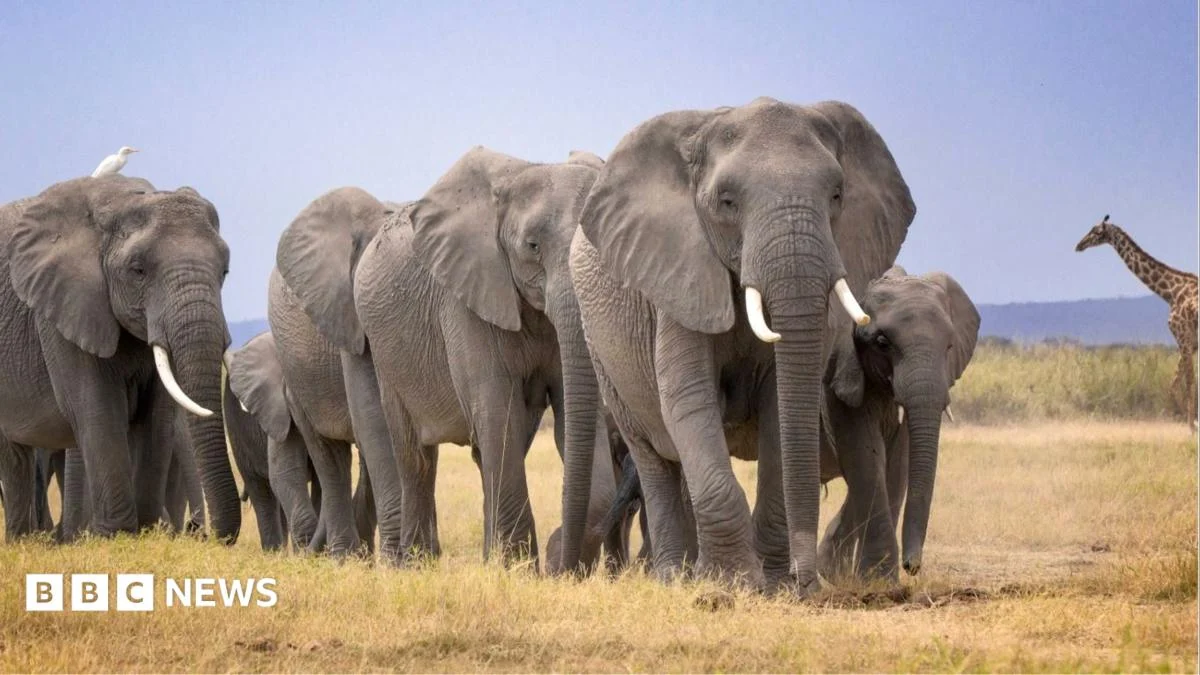
An urgent and high-stakes investigation has been launched into the mysterious deaths of 14 elephants in southern Kenya, within the broader Amboseli ecosystem near the renowned Amboseli National Park. The Kenya Wildlife Service (KWS), the primary government agency responsible for the conservation and management of Kenya’s wildlife, confirmed the alarming discovery, triggering a comprehensive forensic effort to unravel the cause of this significant mortality event. Experts from various fields are meticulously examining the carcasses, and tissue samples have been swiftly dispatched to specialized laboratories both within Kenya and internationally, to determine whether the deaths were caused by disease, poisoning, environmental factors, or another as-yet-unidentified element.
The Amboseli ecosystem, a vast and ecologically crucial area spanning approximately 8,000 square kilometers, is celebrated globally for its spectacular wildlife populations and breathtaking scenery, dominated by the majestic backdrop of Mount Kilimanjaro. This unique landscape, which includes open plains, acacia woodlands, rocky thorn bush, swamps, and marshes, straddles the border with Tanzania, making cross-border conservation efforts vital. The region is particularly famous for its large herds of free-ranging elephants, many of whom are well-known to researchers and have been individually identified and monitored for decades by organizations like the Amboseli Trust for Elephants (ATE).
Officials from KWS have underscored the unprecedented nature of this incident, noting that it is the first time in decades that elephant mortalities on this scale have been recorded in the Amboseli region. This fact is particularly concerning given the significant strides made by Kenyan authorities in recent years to combat poaching, which has seen elephant populations in many areas begin to recover from past crises. The success in cracking down on poaching in Amboseli has been a beacon of hope for conservationists, making this sudden cluster of deaths even more perplexing and disturbing.
At this preliminary stage, KWS asserts that there is no immediate evidence pointing to a single, obvious cause of death. The discovery of carcasses belonging to elephants of varying ages and sexes—including both mature adults and younger individuals—suggests that the deaths are not confined to a single family unit or demographic group, which might otherwise point to a highly localized event or a specific vulnerability. This widespread impact across different segments of the elephant population further complicates the investigation, necessitating a broad and thorough analytical approach.
Duncan Wanyama, the head of communication for the Kenya Wildlife Service, informed local media that the bodies were discovered at different locations surrounding the Amboseli National Park, with some found approximately 15 kilometers (nine miles) from its boundaries and others as far as 30 kilometers (19 miles) out. This dispersal of the carcasses across a relatively wide area within the ecosystem adds another layer of complexity, making it challenging to pinpoint a singular geographical source for the affliction, whether it be a contaminated water source or a specific patch of poisoned vegetation. The KWS response teams are working tirelessly, securing the sites, conducting initial field examinations, and carefully collecting samples to ensure the integrity of the forensic evidence.
The Amboseli Trust for Elephants (ATE), a world-renowned research and conservation organization that has been studying Amboseli’s elephants since 1972, plays a critical role in understanding the dynamics of this population. According to figures from ATE, which meticulously monitors the movements, social structures, and health of these iconic animals, their last comprehensive census indicated a population exceeding 2,000 elephants in the Amboseli ecosystem, a testament to decades of dedicated conservation efforts. Each elephant is individually identified and tracked, providing invaluable long-term data on their lives. A sudden loss of 14 individuals represents a significant blow, particularly if it impacts reproductively active females or experienced matriarchs, whose knowledge and leadership are vital for the survival and well-being of their families.
The forensic investigation is multi-faceted, involving a range of scientific disciplines. Veterinarians and wildlife pathologists are conducting detailed necropsies on the carcasses, meticulously examining internal organs for lesions, abnormalities, or signs of trauma. Samples of various tissues, including liver, kidney, spleen, brain, and gastrointestinal contents, are being collected. Furthermore, environmental samples such as water, soil, and vegetation from the immediate vicinity of the carcasses are also being gathered. These samples will undergo extensive laboratory analysis to screen for a wide array of potential culprits.
One primary line of inquiry focuses on infectious diseases. Elephants, like all wild animals, are susceptible to various pathogens. Tests will be conducted for known elephant diseases such as Anthrax, a bacterial infection that can cause rapid death and often affects multiple animals in a short period, and Elephant Endotheliotropic Herpesvirus (EEHV), a highly fatal virus particularly dangerous to young elephants. Other potential pathogens, including those causing tuberculosis or other systemic infections, will also be considered. The rapid onset of deaths across different age groups could be indicative of a highly virulent disease.
Another critical area of investigation is poisoning. This could range from deliberate poisoning, potentially linked to human-wildlife conflict where elephants raid crops and face retaliatory killings, to accidental ingestion of agricultural chemicals, pesticides, or even naturally occurring toxins like cyanobacteria (blue-green algae) in contaminated water sources, especially during periods of water scarcity or unusual environmental conditions. Toxicological screens will look for heavy metals, pesticides, herbicides, cyanide, and other compounds that could cause acute or subacute poisoning. The absence of visible external injuries or signs of struggle often points towards an internal cause like poisoning or disease.
Environmental factors, while less likely to cause such a sudden, acute cluster of deaths without other obvious signs, cannot be entirely ruled out without thorough investigation. Severe drought conditions, though not currently reported as extreme in Amboseli, can weaken animals and make them more susceptible to disease or toxins. However, the relatively short timeframe and the number of animals suggest a more immediate and potent cause. Climate change is also a long-term threat, altering rainfall patterns and vegetation, which can indirectly impact wildlife health, but it’s unlikely to be the direct cause of this specific incident.
The implications of this incident extend beyond the immediate loss of animals. For conservation efforts in Amboseli, the integrity of the elephant population is paramount. Elephants are keystone species, shaping their environment and playing a crucial role in ecosystem health. A significant unexplained loss can create anxiety among conservationists, local communities, and the international tourism industry, which heavily relies on Kenya’s wildlife spectacle. The Amboseli ecosystem supports numerous Maasai communities, who often live in close proximity to wildlife. Understanding the cause of death is vital for both conservation and community relations, preventing speculation and ensuring trust.
KWS is working in close collaboration with international partners and veterinary experts to expedite the investigation. The urgency is palpable, not only to identify the cause but also to implement any necessary preventative measures to safeguard the remaining elephant population. This could involve enhanced disease surveillance, community awareness campaigns if human-wildlife conflict is implicated, or environmental remediation if a specific contaminant is identified. The commitment from the Kenyan government and its conservation agencies remains unwavering in protecting these magnificent creatures.
In the past, Kenya has faced numerous challenges in elephant conservation, from the devastating poaching crisis of the 1970s and 80s to ongoing human-wildlife conflicts. However, through robust anti-poaching measures, community engagement, and scientific research, the country has achieved significant successes, particularly in areas like Amboseli. This latest incident serves as a stark reminder that conservation is a continuous battle, demanding vigilance, scientific rigor, and unwavering dedication. The global conservation community is watching closely, hopeful that the KWS inquiry will swiftly provide answers and enable appropriate actions to protect Amboseli’s iconic elephants. The findings of this urgent investigation will be crucial in shaping future conservation strategies and ensuring the long-term survival of one of Africa’s most cherished elephant populations.




 Roy Suryo

 Nakalama John
 atisusanti
 Ramos Leo