
 Ramos Leo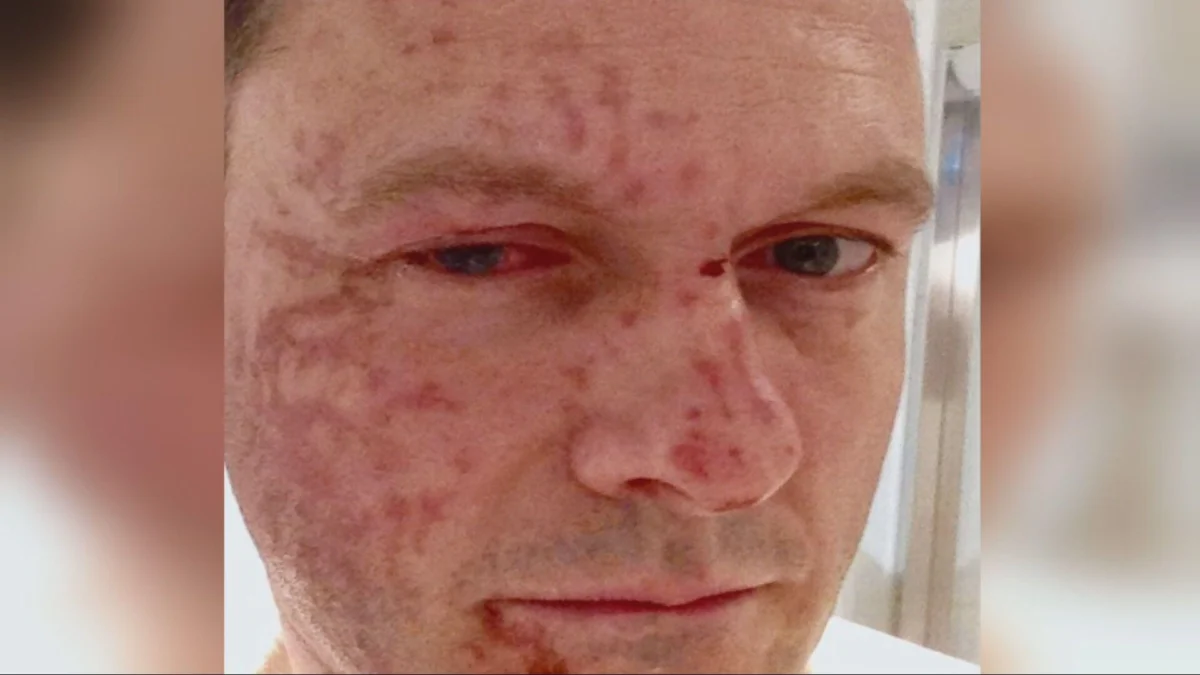
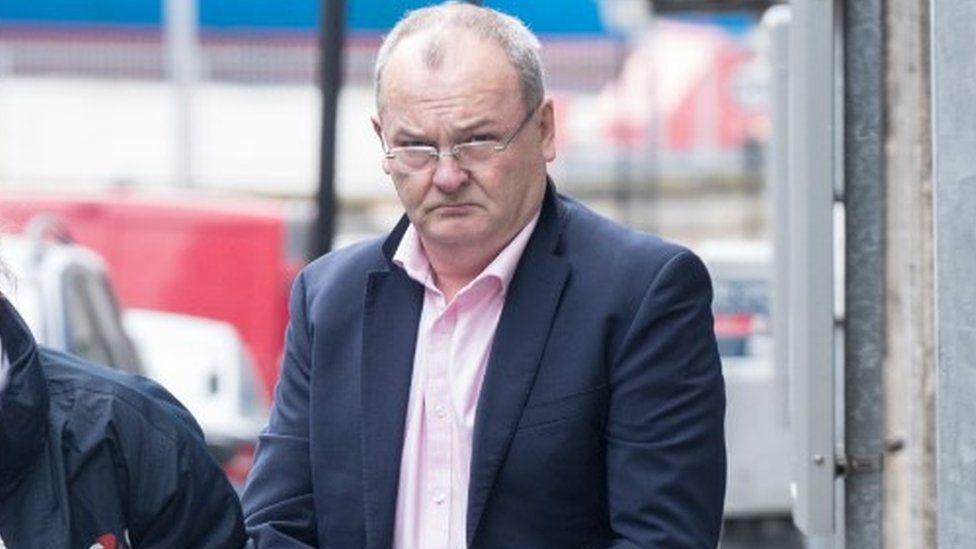
Burns, aged 65, walked free from prison this week, a development Findlay was formally notified of several weeks prior via a letter. This notification served as a chilling reminder of the harrowing incident that unfolded on his doorstep in Glasgow on a December day, just two days before Christmas, eight years ago. At the time, Findlay was a well-known investigative journalist for The Sun newspaper, deeply entrenched in reporting on Scotland’s most dangerous criminal networks. His tenacious pursuit of truth and exposé of underworld activities had made him a marked man.
On that fateful day in 2015, Burns approached Findlay’s home disguised as a postman, a cunning deception designed to lower his guard. Without warning, Burns unleashed a corrosive liquid, believed to be concentrated sulphuric acid, directly into Findlay’s face. The attack was not merely an attempt to disfigure; Burns then brandished a knife, attempting to stab the journalist. What followed was a desperate struggle for survival. Despite the searing pain and immediate threat to his life and eyesight, Findlay, demonstrating remarkable courage and presence of mind, fought back. He managed to overpower his attacker, wrestling him to the ground and detaining him until police arrived. The traumatic incident was witnessed by Findlay’s then 12-year-old daughter, an indelible scar on their family’s memory.
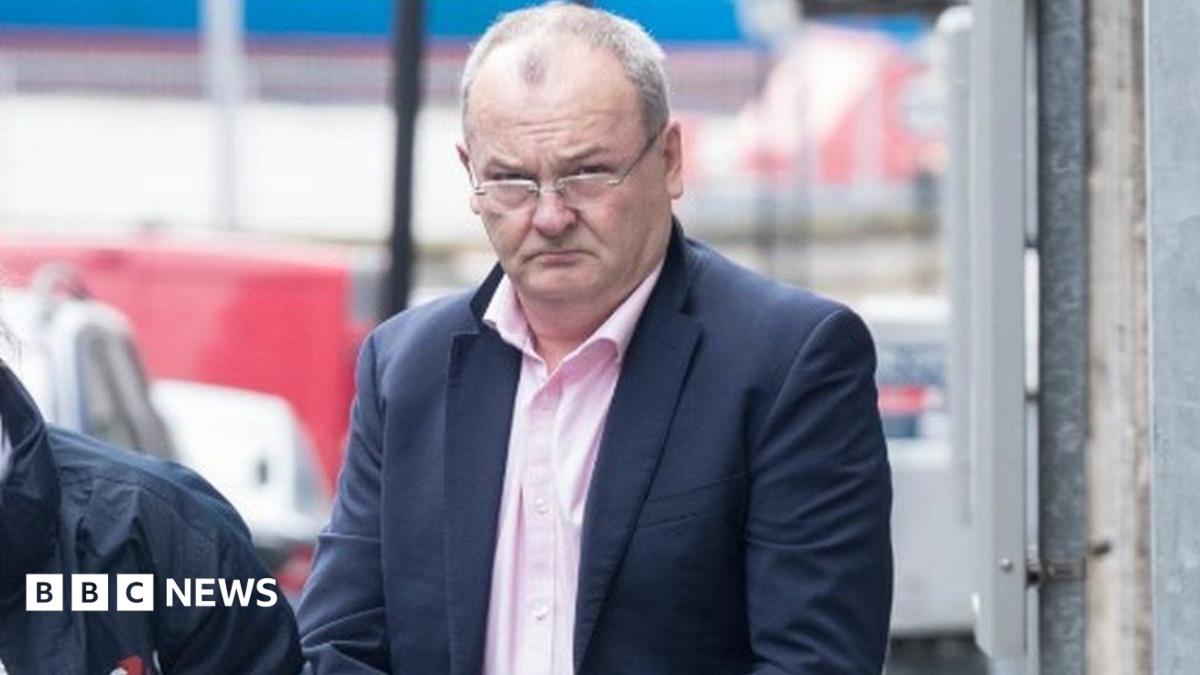
Miraculously, Findlay escaped permanent scarring, though the physical and psychological impact of the attack was profound. The images of his mottled face and bloodshot eyes, captured shortly after the assault, served as a stark testament to the brutality he endured. Burns, a career criminal with a long and violent history, was subsequently brought to justice. His past included a conviction for shooting a woman during an armed robbery, cementing his reputation as a dangerous and ruthless individual. In 2017, Burns was sentenced to 10 years in jail for the acid attack, with an additional five years of supervision mandated upon his release, a measure intended to monitor his activities and protect the public.
The precise motive behind the attack on Findlay has never been "clearly established" in court, but it has been widely "suspected to have been a hit," ordered by powerful organised crime groups in retaliation for Findlay’s fearless investigative reporting. His work had consistently shined a light on their illicit operations, exposing their leaders and their networks. This suspicion is a constant shadow over Findlay’s life, a factor that intensified two years ago when Police Scotland informed him of a "potential threat to his life from a ‘known criminal’," reinforcing the belief that the danger persists beyond Burns’ incarceration.
Now, as Burns re-enters society, Findlay’s concerns have resurfaced, not necessarily about Burns as an individual, but about the broader criminal enterprises he represented. "It’s not the first thing I think of when I wake up," Findlay conceded to BBC Scotland News, "but there’s always the kind of possibility that some of these people might regard this as unfinished business. That I’ve caused them problems in the past and maybe continue to do so." This acknowledgment speaks to the chilling reality faced by those who dare to challenge organised crime – the threat can linger for years, even decades.
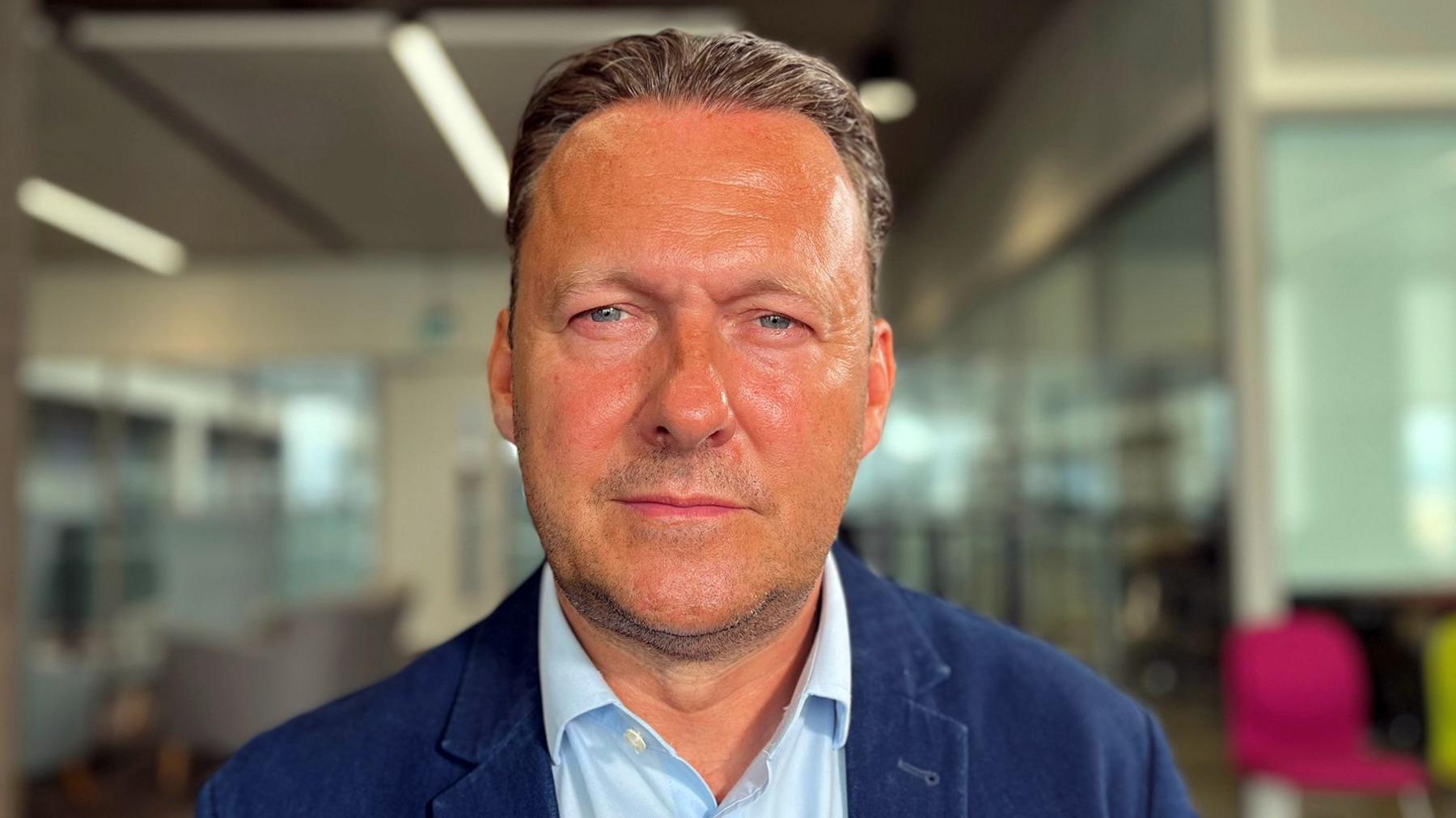
Findlay’s personal ordeal has deeply informed his political career since transitioning from journalism. He was elected as an MSP for the West of Scotland in 2021 and quickly rose to lead the Scottish Conservatives. He uses his platform to advocate for tougher measures against organised crime, drawing directly from his lived experience. He highlighted the concerning trend of such groups targeting politicians, referencing the example of a Conservative councillor who was forced to resign in 2021 following firebomb attacks. Findlay raised this incident when he first became an MSP, expressing alarm that the "targeting of politicians you might expect to see in places like Mexico is happening in Scotland."
Despite the ongoing risks and the understandable anxieties of his family and friends, Findlay remains resolute. He firmly stated that he would not allow the threat of further attacks to dictate his life or deter him from his mission. "That’s the only option because if you show weakness they’re not going to back down," he asserted. His pledge to continue "shining a spotlight on organised crime" is not just a political promise but a personal commitment, born from his own battle against the underworld. He views the question of Burns’ imprisonment as "academic" in the larger scheme of things, believing he remains a target for the wider crime networks, not just one individual’s vendetta.
Findlay also used the occasion of Burns’ release to voice strong criticism of Scotland’s parole process, describing it as "shrouded in secrecy" and arguing that the justice system demonstrates "no real regard for the victim." The lack of transparency and perceived victim disregard are points of contention for Findlay, who believes the system should offer more protection and consideration for those who have suffered at the hands of violent criminals.
When asked if he could ever forgive Burns for his crimes, Findlay’s answer was an unequivocal "No." He elaborated on his stance, stating: "What he did was calculated, it wasn’t some spontaneous crime… It was very targeted and extreme, and the outcome could have been my death or being maimed for life." He further characterized Burns as "an enforcer, a hitman, for a major organised crime group in Scotland which has inflicted untold damage to many innocent people." This deep-seated conviction underscores the gravity of the attack and the lasting impact it has had.
In a further call for justice, Findlay encouraged police and prosecutors to revisit a number of unsolved murders in Paisley from the 1990s, explicitly stating his belief that Burns has "questions to answer" in relation to these cold cases. This adds another layer to Burns’ long and dark criminal history, suggesting his involvement in far more serious crimes than those for which he has been convicted. Russell Findlay’s story is a testament to resilience in the face of extreme danger, and a stark reminder that the fight against organised crime is an ongoing battle, one that often carries deeply personal consequences for those brave enough to confront it.



 Roy Suryo

 Nakalama John
 atisusanti
