
 Nakalama John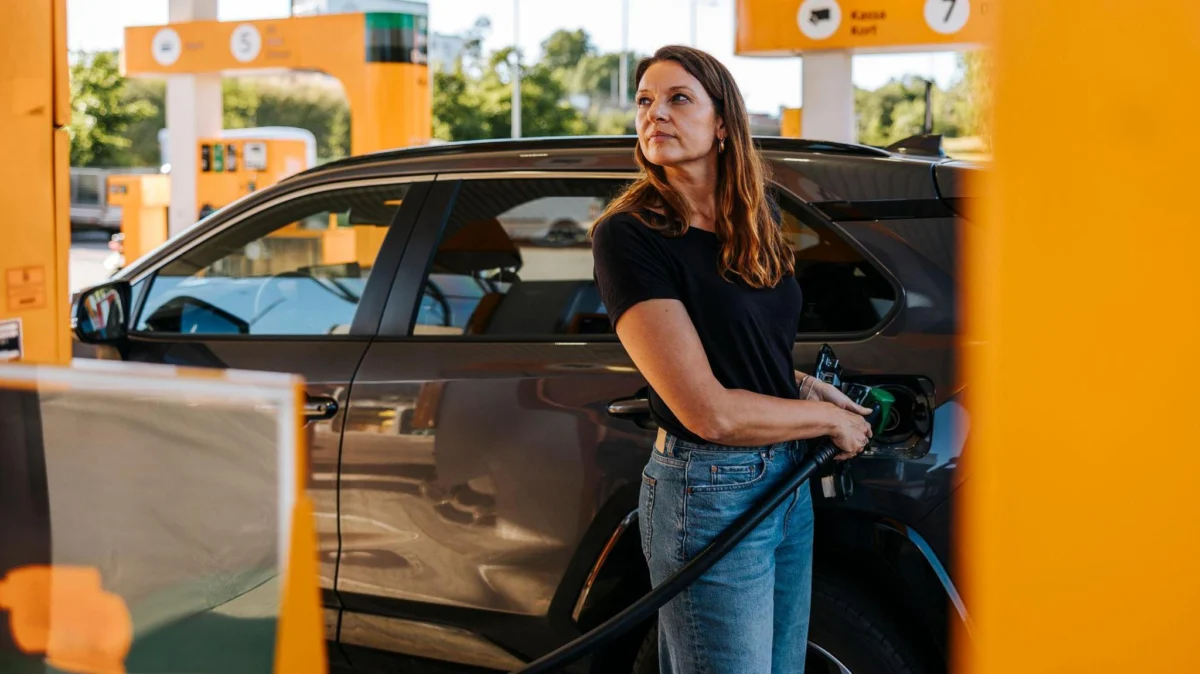
The dramatic escalation in fuel costs is directly attributable to the ongoing conflict involving Iran, which commenced on February 28th. The initial outbreak of hostilities sent immediate shockwaves through the global oil market, causing wholesale prices to surge dramatically due to severe disruptions in critical Middle Eastern oil supplies. The Strait of Hormuz, a narrow yet strategically vital waterway, quickly became a focal point of concern. This chokepoint, through which approximately 20% of the world’s oil and liquefied natural gas typically passes, saw its operations severely hampered. The restriction of this key artery effectively limited global crude supplies, triggering an acute supply-side shock.
Initially, the price of a barrel of Brent crude, the international benchmark for wholesale oil prices, climbed sharply from around $70 before the conflict to over $120. This spike reflected intense market anxiety over the security of supply and the potential for a prolonged disruption. However, a brief period of optimism emerged in June when a framework deal was reportedly agreed upon by the United States and Iran to de-escalate and potentially end the conflict. This positive development led to a temporary but significant nosedive in oil prices, bringing Brent crude back down to near the $70 per barrel mark. Unfortunately, this relief was short-lived. The subsequent collapse of peace talks reignited market fears, sending prices climbing once more. While not reaching the initial peak, Brent crude rebounded above $100 a barrel before settling around the current $90 range, demonstrating the extreme sensitivity of the market to political developments in the region.
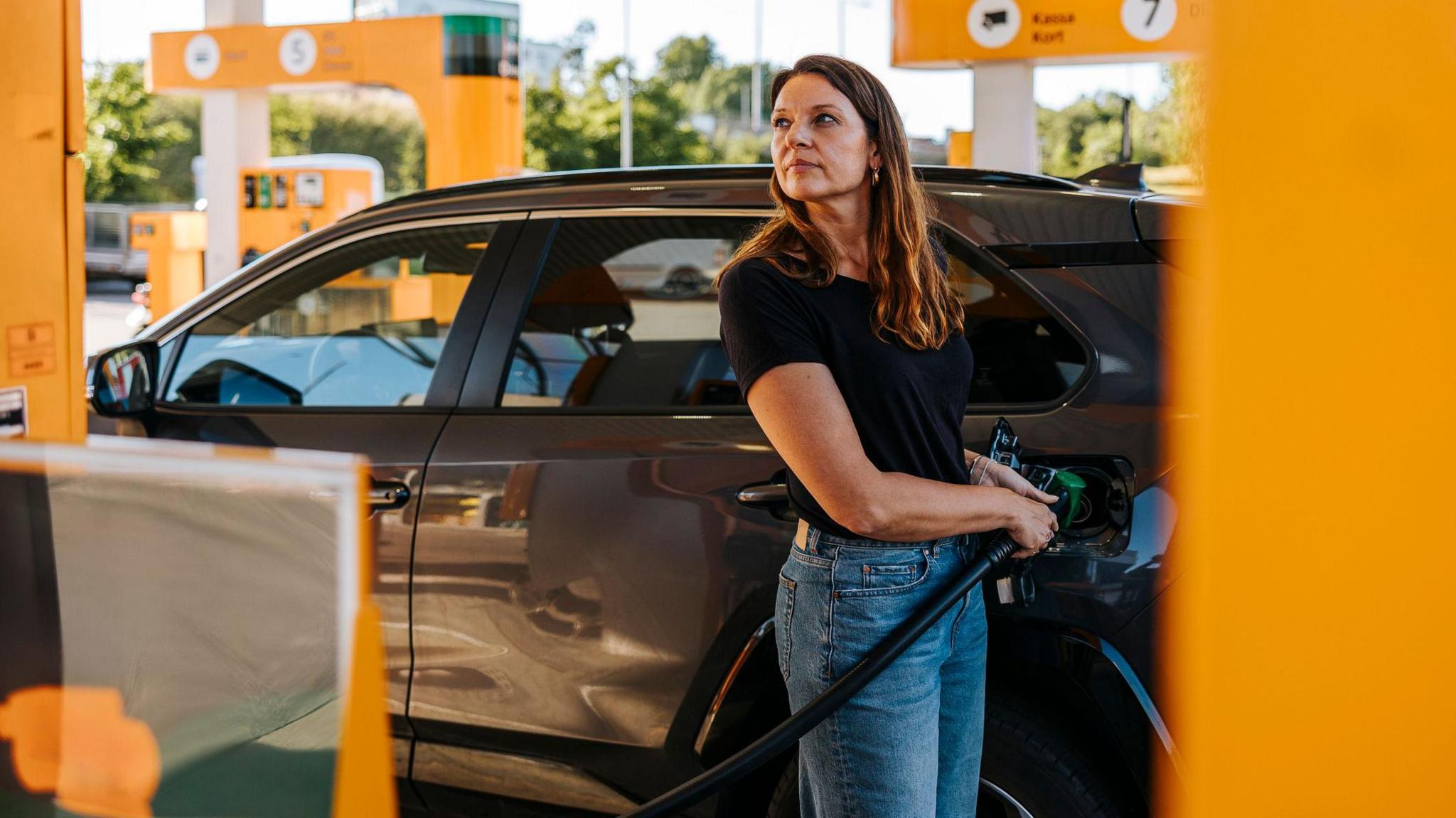
The direct link between wholesale oil prices and what drivers pay at the pump is undeniable. Crude oil is the primary raw material for petrol and diesel, meaning any significant movement in its price is inevitably passed on to consumers. Industry analysts typically estimate that every $10 increase per barrel in the wholesale oil price translates to roughly a 7 pence per litre hike at the pump. This direct correlation explains the swift and substantial impact felt by motorists across the UK. The volatility in Brent crude prices – driven by news of escalating conflict pushing prices up and hopes of peace driving them down – has created an unpredictable environment for both fuel retailers and consumers.
While petrol has now reached its highest point since the Iran war began, diesel prices, though high, remain just below their historical peak. Diesel recorded its highest average price of 191.54 pence per litre on April 15th. In early July, during the brief period of optimism surrounding peace talks, the average price of petrol had dipped to a low of 150.59p per litre, with diesel falling to 164.52p per litre. Since then, the trajectory has been upward, with petrol now averaging 159.97p a litre and diesel at 178.97p a litre. Simon Williams, the head of policy at the RAC, has warned that diesel prices are likely to climb further, potentially reaching 185p a litre in the coming weeks, assuming no major reduction in global oil prices occurs. Despite the current crisis, it is important to note that both petrol and diesel prices remain below the all-time highs experienced in the summer of 2022, when Russia’s invasion of Ukraine propelled petrol to 191.5p a litre and diesel to an unprecedented 199p. This historical context highlights the profound and multifaceted impact of geopolitical events on global energy markets. It is also crucial to remember that price movements in the wholesale markets typically take about a fortnight to fully reflect at the pump, due to the time required for oil to be transported, refined, and distributed.
The ripple effects of these escalating fuel prices extend far beyond individual motorists. Businesses reliant on transport and logistics, from haulage companies to small local delivery services, face significantly increased operational costs. These additional expenses are often passed on to consumers, contributing to broader inflationary pressures and exacerbating the existing cost of living crisis. The higher cost of moving goods impacts supply chains, potentially leading to increased prices for a wide range of products and services. For households, rising fuel costs mean less disposable income, forcing difficult choices and potentially curbing discretionary spending, which can, in turn, slow economic growth. The psychological impact on consumers, already feeling the pinch from other rising costs, also contributes to a sense of financial insecurity and reduced confidence.
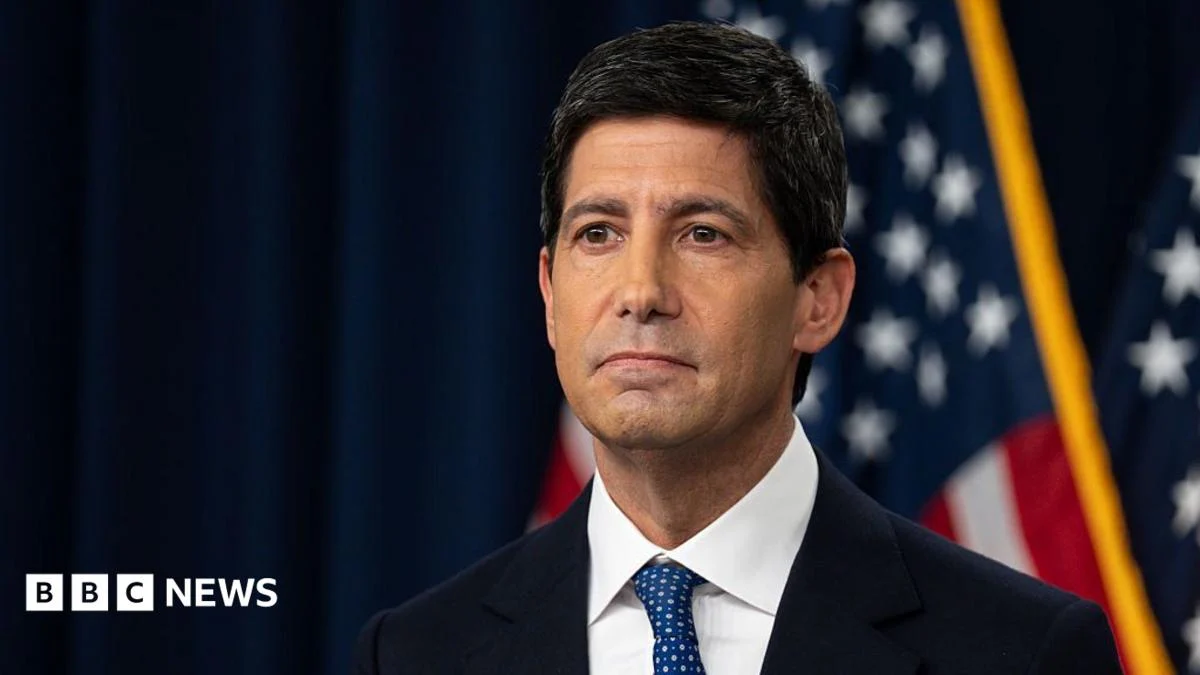
In response to the economic pressures, governments often consider various measures to alleviate the burden on consumers. While the specific mention of "Sir Keir Starmer" postponing a fuel duty increase in the provided context appears to be a factual anomaly, governments have historically intervened in fuel taxation. Typically, such interventions involve either freezing or cutting fuel duty, rather than postponing an increase, as was seen with the 5p per litre fuel duty cut introduced in March 2022 and subsequently extended. These measures aim to cushion the blow of rising wholesale prices, though their effectiveness can be debated given the sheer scale of global market fluctuations. Furthermore, initiatives like the government’s Fuel Finder scheme have been introduced to empower drivers. This online tool allows motorists to compare fuel costs across various petrol stations in the UK, fostering greater transparency and encouraging competition among retailers. Luke Bosdet, head of policy at the AA, expressed surprise at the speed of price reductions observed during previous market downturns, attributing some of this responsiveness to the increased transparency offered by the Fuel Finder scheme. Official market regulators have also played a role, with investigations into potential price gouging by fuel retailers. In this particular conflict, the regulator stated it had "not seen evidence of retailers actively changing their pricing strategies to take advantage of the crisis," suggesting that the price hikes are primarily driven by wholesale market forces rather than exploitative practices.
The UK’s energy landscape makes it particularly vulnerable to global oil price fluctuations. The nation is a significant importer of oil and gas, with the majority of its supplies originating from the United States and Norway. While the UK does extract some oil from the North Sea, a substantial portion of this domestic production is exported for refining elsewhere, meaning the country remains heavily reliant on international markets for its refined fuel needs. This inherent reliance on imports underscores why global events, such as the Iran conflict, have such a profound and immediate impact on domestic pump prices. The disruption to the Strait of Hormuz serves as a stark reminder of the fragility of global supply chains and the interconnectedness of energy security with geopolitical stability. Even if a lasting peace deal were to be agreed upon and the strait fully reopened, experts caution that a return to normal levels of shipping and market stability would take time, suggesting that the economic reverberations of this conflict could persist for many months.
As drivers navigate these challenging times, expert advice often centres on practical strategies to mitigate the impact of high fuel costs. These include adopting more fuel-efficient driving styles, such as maintaining a steady speed and avoiding aggressive acceleration and braking, which can significantly improve mileage. Regular vehicle maintenance, including ensuring correct tyre pressure and servicing, also contributes to better fuel economy. Utilising resources like the Fuel Finder scheme to locate the cheapest local fuel options remains a valuable tool for savvy consumers. The ongoing situation highlights the need for a sustained focus on energy resilience and diversification, both at a national policy level and through individual consumer choices. The experiences of drivers across the country, grappling with these elevated prices, paint a vivid picture of the real-world consequences of global conflicts. Readers are encouraged to share their experiences and questions, contributing to a broader understanding of how these price rises are affecting daily lives.



 atisusanti
 Nana Banana
 George Anjay

 Ramos Leo