
 Nana Banana
The picturesque town of Syston, nestled in Leicestershire’s Charnwood borough, has, like many communities across the UK, grappled with the increasingly unpredictable and severe impacts of climate change. Recent winters have brought unwelcome deluges, transforming the usually placid Syston Brook into a raging torrent that has breached its banks, causing widespread damage and distress. The memory of these traumatic events, including the costly and emotionally draining floods, served as a powerful catalyst for the community’s resolve to act.
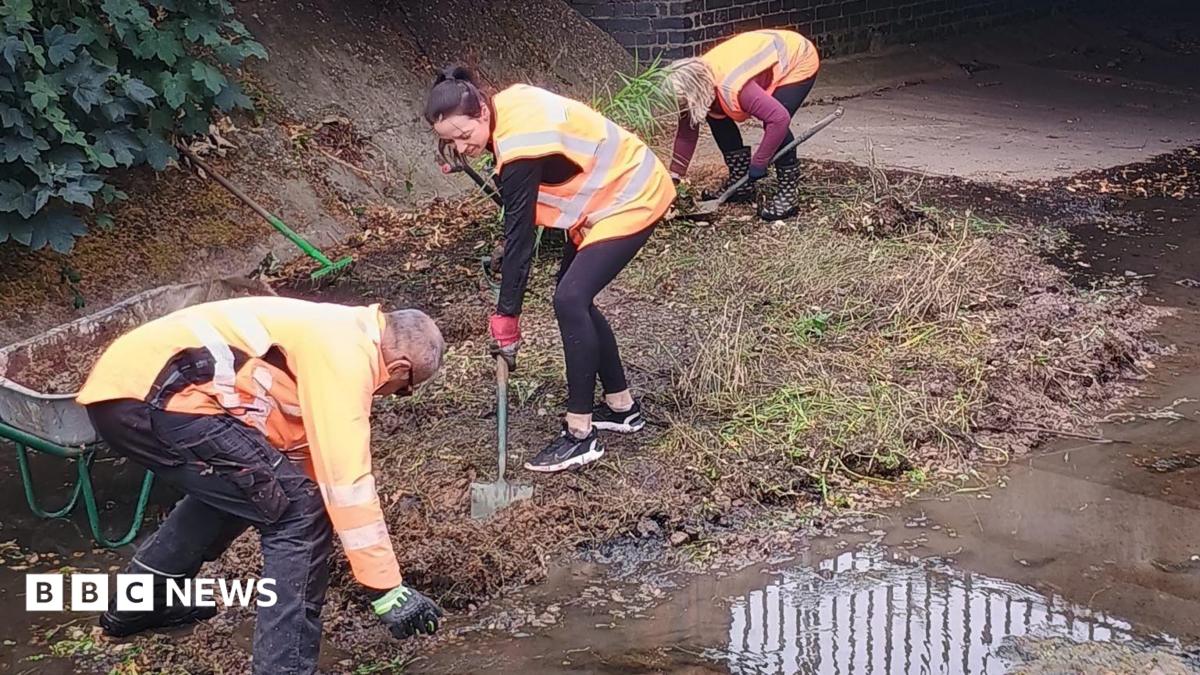
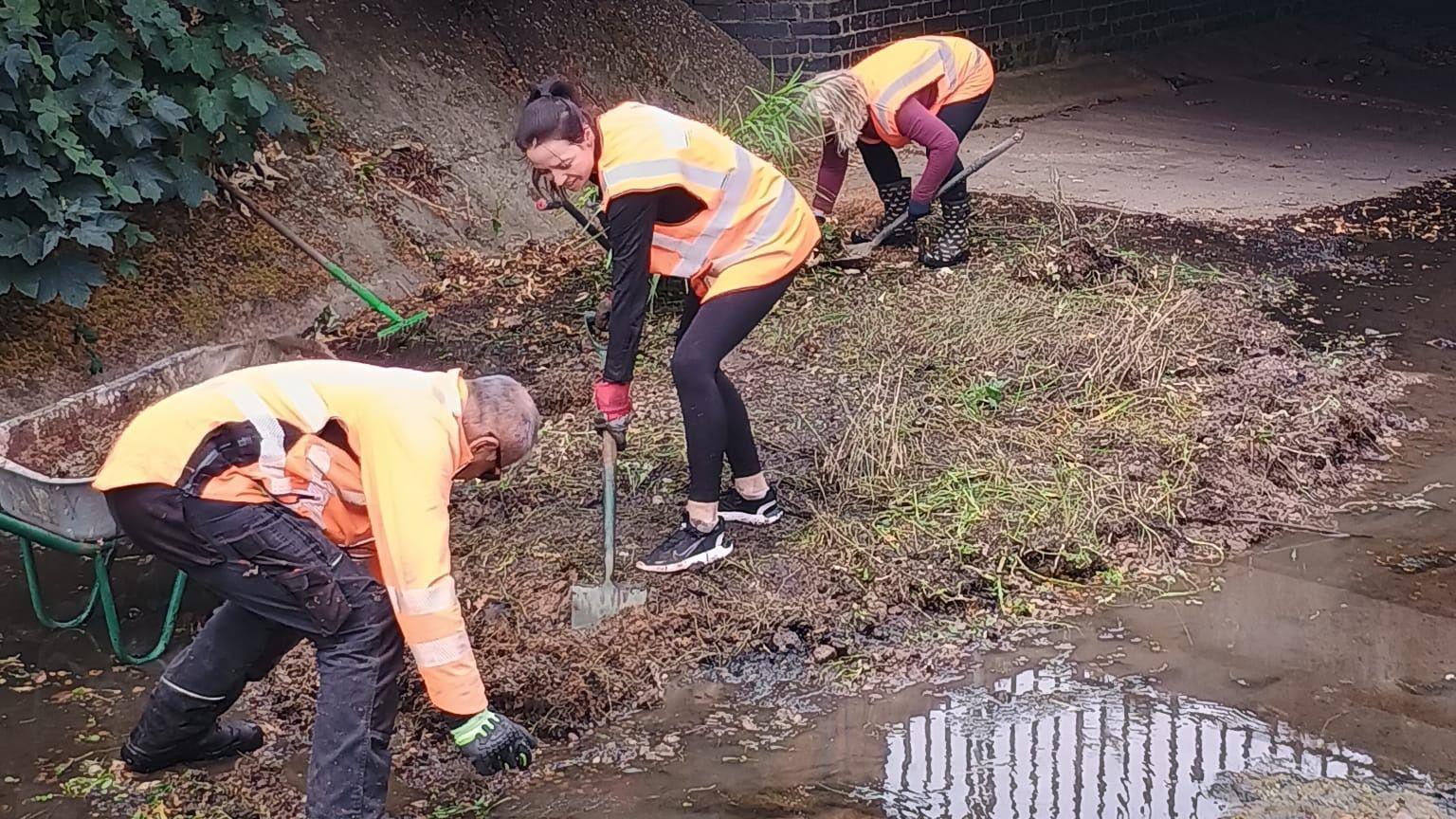
Nineteen tireless members of the Syston Community Flood Group donned their waders, high-visibility vests, and sturdy gloves in the height of summer, committing themselves to a demanding day of manual labour. Their objective was to clear an estimated "two or three tonnes" of heavy, compacted silt that had settled on the concrete bed of the brook, significantly reducing its capacity to carry away rainwater. This crucial work, often unseen by the wider public, is a vital frontline defence against future inundations. The sight of volunteers waist-deep in the brook, shovelling relentlessly, underscored the seriousness of their commitment to protecting their town.
Janette Hick, a passionate volunteer with the group, articulated the unwavering reality facing Syston and similar communities. Speaking to BBC Radio Leicester, she emphatically stated, "Mother Nature won’t go away." Her words served as a stark reminder of the inevitability of future rainfall and the critical importance of continuous, proactive preparation. Hick further urged residents throughout Syston to utilize these drier summer months effectively, advising them to take steps to prepare their own properties and surroundings, ensuring maximum resilience when the colder, wetter seasons inevitably return. This call to action highlighted a shared responsibility, emphasizing that community-wide vigilance is paramount.
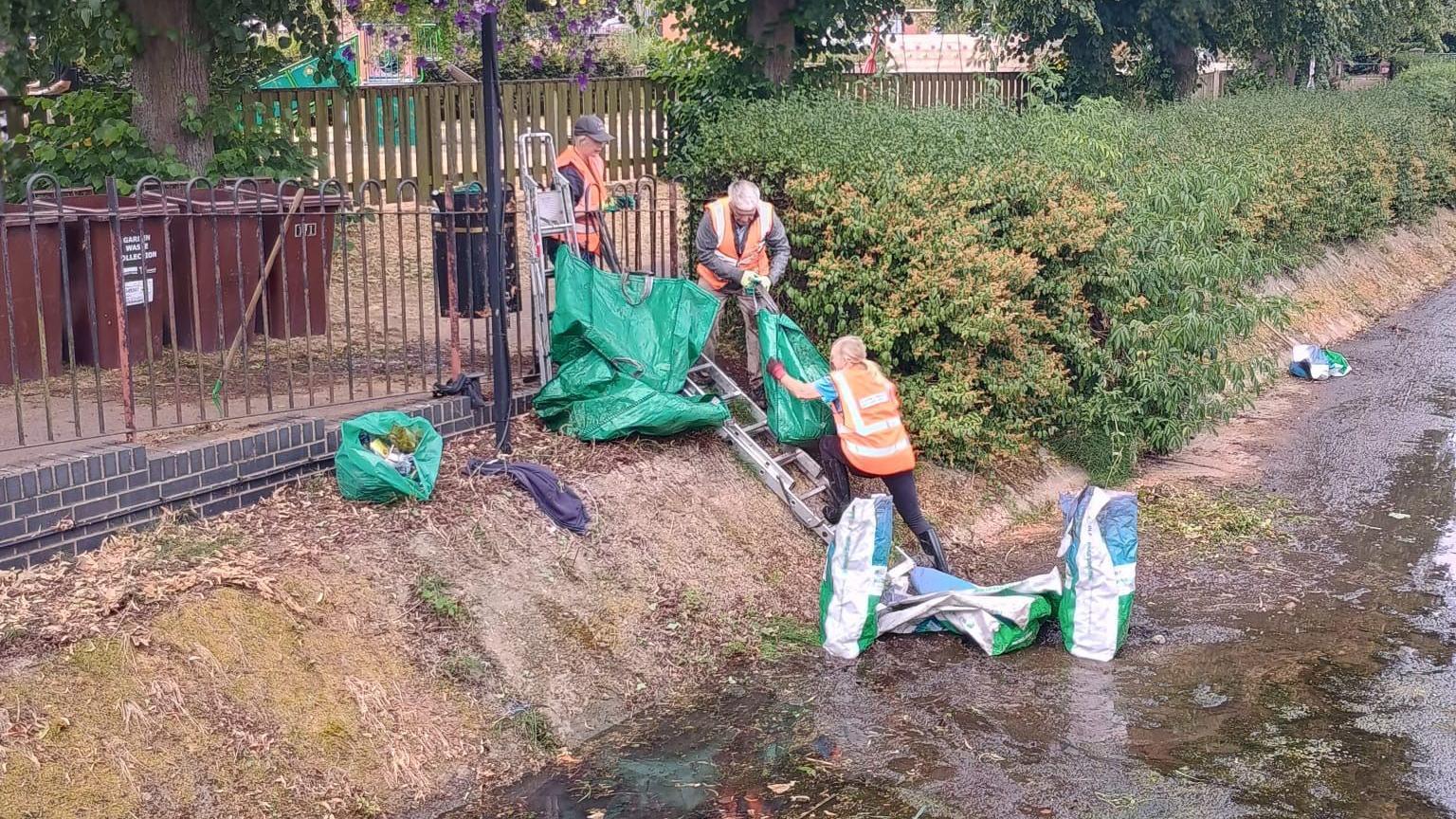
The day of action at Syston Brook was a testament to community spirit and arduous physical labour. Volunteers, equipped with shovels, rakes, and sheer determination, waded into the brook’s shallow waters. The silt they encountered was described as "absolutely solid," a dense, heavy accumulation that required considerable effort to dislodge and remove. Working systematically along the concrete-bottomed channel, they filled numerous bags with the dredged material, which was then painstakingly passed up ladders strategically placed on the bank to waiting hands. This collective effort transformed a potential hazard into manageable waste. Once brought ashore, the substantial quantities of silt were collected and removed by the Environment Agency, demonstrating an effective partnership between local volunteers and a key governmental body responsible for flood management.
Despite the demanding nature of the work, the atmosphere among the volunteers remained positive and encouraging. Hick reflected on the day with satisfaction, stating, "It was a lot of hard work but we had fun, it was great." This sentiment underscores the camaraderie and shared purpose that often fuel such community initiatives. The group’s efforts were particularly significant this year, as Hick noted with relief, "It’s been quite fortunate this year because we didn’t have any floods in January, thank goodness, for the first time in a couple of years." This period of reprieve, though welcome, did not breed complacency but rather intensified their resolve to prepare for future eventualities.
The proactive clearing operation was a long-awaited task. Hick explained, "It was one of those jobs we’d have liked to have got done last year, but there was more water and a lot more stuff upstream that needed to be shifted first." This highlights the complex and interconnected nature of waterway maintenance, where conditions upstream directly impact conditions downstream. The ultimate goal of these sustained efforts is long-term flood resilience: "It’s trying to get to the bottom of it so that next year, crossed fingers, it won’t be so bad," she added, emphasizing a hope for sustained improvement through diligent maintenance.
The collaborative approach extends beyond the immediate clean-up. A spokesperson for the Environment Agency reaffirmed their commitment to working hand-in-hand with local groups like Syston Community Flood Group. "The Environment Agency works closely with local groups, and we value the input of those who help look after their watercourses," the spokesperson stated. This partnership is crucial for effective flood risk management, combining local knowledge and volunteer effort with governmental resources and expertise. The agency also highlighted its own significant contributions, revealing that they had "removed 380 tonnes of silt from the brook in early 2025" and planned to "return later this year to complete further works." This ongoing commitment ensures that the brook remains as clear as possible, minimizing the risk of blockages that could lead to devastating floods. Routine inspections are also conducted by the agency to monitor the channel’s condition and identify potential flood risks before they escalate.
Beyond the removal of silt, the volunteers also dedicated time to clearing excess vegetation from the edges of the watercourse. This often-overlooked task is equally vital, as overgrown plants can restrict water flow, trap debris, and eventually fall into the brook, forming blockages. The efforts resulted in 20 brown bins being filled with green waste, which were then handed over to Charnwood Borough Council for composting. This efficient disposal method not only aids the clean-up but also aligns with sustainable waste management practices.
Charnwood Borough Council expressed its appreciation for the community’s proactive stance. A spokesperson for the council commented, "We were happy to support this valuable community work in Syston and we are pleased that it was a success. Well done to everyone who was involved." This statement underscores the importance of multi-agency cooperation and local government support in empowering community-led initiatives. Such endorsements further motivate volunteers and strengthen the bonds within the community.
Hick reiterated her urgent appeal to Syston residents, stressing that individual actions significantly contribute to collective safety. She encouraged residents to undertake simple yet effective preventative measures, such as routinely cleaning their gullies and drains, particularly in autumn when falling leaves can quickly cause blockages. Furthermore, she advised property owners to consider investing in flood barriers, sandbags, and tarpaulins, ensuring they have readily available resources to protect their homes should a flood warning be issued. "We need people to not be complacent. Mother Nature won’t go away," Hick cautioned, underscoring the enduring threat of natural forces.
Her message was unequivocal: "Have a look what you’ve got on your doorstep. If you just think we got away with it this year, we’ll probably get away with it again – that’s not the case." This warning against false security highlights the unpredictable nature of weather patterns and the potential for severe, sudden deluges. "If the deluge comes down, we could be caught out," she concluded, painting a vivid picture of the consequences of unpreparedness. The volunteers of the Syston Community Flood Group exemplify the resilience and proactive spirit necessary for communities to adapt and thrive in the face of evolving environmental challenges. Their efforts are not just about clearing a brook; they are about safeguarding a community’s future.



 atisusanti
 George Anjay
 Nakalama John

 Ramos Leo