
 Nana Banana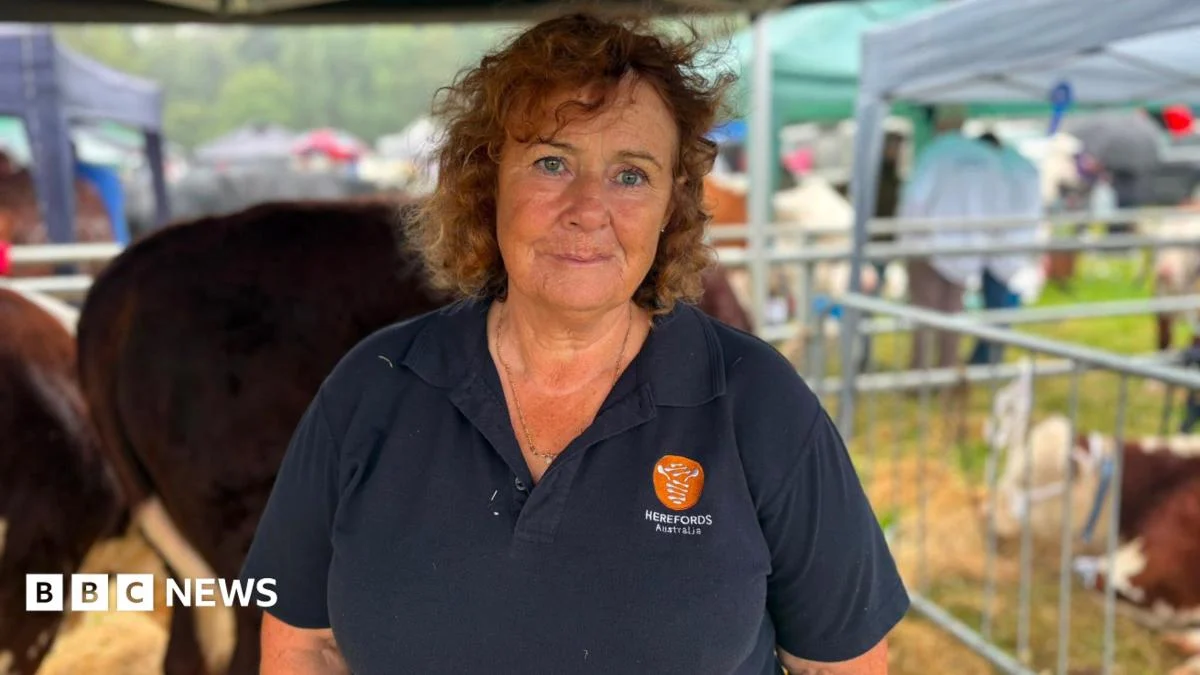
The insidious reach of bovine tuberculosis (bTB) extends far beyond the mere presence of disease in a herd, inflicting a profound and multifaceted toll on farmers, ranging from devastating emotional anguish to crippling financial burdens. For those who dedicate their lives to animal husbandry, the experience of bTB is often described as an emotional rollercoaster, a relentless cycle of anxiety, hope, and despair that permeates every aspect of farm life and family well-being.
Rachel Leader, a dedicated breeder, articulates this raw sentiment with poignant clarity, explaining that the loss of even a single animal, let alone multiple, "has a devastating effect on all of the family." She speaks of an intangible, almost spiritual connection to her cattle, cultivated over generations. "The loss of that one animal, or animals, that you’ve grown up with, and suddenly there’s nothing after these years of generation… it’s just mind-boggling, and you can’t describe the loss when you do lose your cattle." This isn’t just about livestock; it’s about the erosion of a legacy, the severing of meticulously crafted genetic lines, and the obliteration of years of dedicated work and emotional investment. The mental health implications for farmers grappling with bTB are increasingly recognized, with stress, anxiety, and even depression becoming common companions to the disease’s physical and economic ravages. The constant fear of a breakdown, the uncertainty of test results, and the forced culling of healthy-looking animals create an environment of chronic stress that can be unbearable.
Beyond the deep emotional wounds, the financial ramifications of bTB are staggering and unsustainable. This year alone, the cost of dealing with the disease in Northern Ireland is projected to exceed £70 million. While the bulk of this sum is allocated to compensation for farmers, this payment rarely covers the true economic loss. Compensation often fails to account for the loss of future breeding potential, the significant value of pedigree animals with proven genetics and show records, or the disruption to milk production or beef finishing cycles. Farmers incur costs associated with repeat testing, movement restrictions, potential destocking and restocking, and the sheer time spent dealing with veterinary visits and administrative paperwork. The knock-on effect on farm profitability can push families into significant debt, threatening the very viability of their livelihoods.
So, what tangible actions can be taken to tackle this deeply entrenched and costly disease? A pivotal step is currently underway in Northern Ireland, with a 12-week public consultation launched in early July by the region’s agriculture, environment, and rural affairs minister, Andrew Muir. This consultation is designed to gather diverse perspectives on critical "wildlife interventions," exploring a range of options aimed at curbing the spread of bTB. These options include controversial measures such as culling badgers, as well as alternative strategies like testing, vaccinating, or removing badgers from affected areas.
The necessity for such comprehensive action is underscored by the current prevalence of bTB. While the rate of the disease has shown a recent decline, it stubbornly remains close to 10% of the national herd. This figure represents an unacceptably high level of infection, impacting thousands of farms and millions of animals, and placing immense pressure on both the agricultural sector and public finances. The ongoing consultation forms a crucial component of the "Blueprint for Bovine TB Eradication," a strategic framework launched last year.
Chief Veterinary Officer Brian Dooher has aptly described bTB as a "complex problem," emphasizing the need for a "comprehensive and evidence-based approach." This complexity stems from multiple factors: the involvement of both cattle and wildlife reservoirs, the varied transmission routes, the challenges of accurate testing, and the socio-economic impact on rural communities. An evidence-based approach necessitates a thorough review of scientific data, economic analyses, and the practical experiences of farmers on the ground.
Rachel Leader, whose family has endured the hardships of bTB, plans to respond to the consultation, bringing her lived experience to the forefront of the debate. She challenges the often-simplified narrative surrounding the disease’s vectors. "They blame badgers, but there are other elements that I’m sure will cause and contribute. I don’t think there’s enough traceability." Her skepticism highlights a common frustration among farmers who believe that insufficient attention is paid to other potential sources of infection, such as cattle-to-cattle transmission, poor biosecurity on certain holdings, or even other wildlife species. The lack of granular traceability in some cases leaves farmers feeling helpless and unjustly targeted.
Speaking passionately at the Clogher Valley Show in County Tyrone, Leader recounted a particularly painful personal experience. She described a heifer "that was taken away 18 months ago" due to a bTB breakdown on her farm. The subsequent anguish was compounded when, after undergoing further tests, her heifer "was actually clear." This scenario, sadly not uncommon, exposes a significant flaw in the current system: animals can be removed and slaughtered based on initial tests, only for post-mortem analysis to reveal they were not infected. The emotional trauma and financial hit are no less severe, even when the animal is ultimately proven clear.
"It’s the impact of losing pedigree Herefords, the family line, the genetic breeding that we’ve had to build up," Leader lamented. "She would have been one of our show animals for Balmoral, so we were devastated at that loss." For a pedigree breeder, a single animal represents not just its individual value, but decades of careful selective breeding, the culmination of genetic improvement, and the potential to produce future champions. Losing such an animal is akin to losing a priceless family heirloom. "We do have a replacement heifer of hers. But very often, when you’ve had generations of breeding cattle, breeding the family lines… to lose those and then try and start again. It just doesn’t work." The generational investment in genetics cannot simply be replaced; it takes years, even decades, to rebuild.
The concept of wildlife intervention, as explored in the consultation, specifically targets actions to manage and curb the maintenance and spread of bTB in badgers, which scientific evidence implicates as a significant reservoir for the disease. However, implementing such interventions is fraught with difficulty and controversy. A previous attempt by former minister Edwin Poots to order a badger cull was famously quashed by the High Court, underscoring the legal and ethical complexities involved. The High Court’s decision highlighted procedural concerns and the need for robust scientific justification and public engagement.
Following this legal challenge, the current agriculture, environment, and rural affairs minister, Andrew Muir, wisely ordered a comprehensive review of the department’s bTB strategy, which was delivered earlier in 2024. This led to the formation of a steering group and the subsequent publication of the aforementioned blueprint for eradication last year.
Minister Muir himself has acknowledged that bTB continues to have "a devastating impact" on farmers, their families, and the fabric of rural communities. He also reiterated the critical point that it "places unsustainable costs on both industry and government." The Blueprint to eradicate bTB is structured around three key pillars, recognizing that a holistic approach is essential: Cattle, People, and Wildlife. This framework acknowledges the need for interventions within cattle herds, support for the human element (farmers and their families), and targeted actions concerning wildlife reservoirs.
Muir explicitly stated his awareness that "a wildlife intervention is a complex and sensitive issue, and one on which there are strongly held and differing views." He further emphasized that there is "no preferred option" presented within the current consultation, signaling an earnest desire to genuinely engage with all stakeholders and consider a wide array of perspectives before committing to a definitive strategy. This open approach is vital, given the deep divisions that often characterize debates around badger management. The future of bTB eradication in Northern Ireland hinges not only on robust scientific evidence but also on the willingness of all parties – farmers, veterinarians, scientists, government officials, and conservationists – to collaborate constructively towards a sustainable solution that mitigates the devastating reality of the disease on farming families.


 atisusanti
 George Anjay
 Nakalama John

 Ramos Leo