
 Nakalama John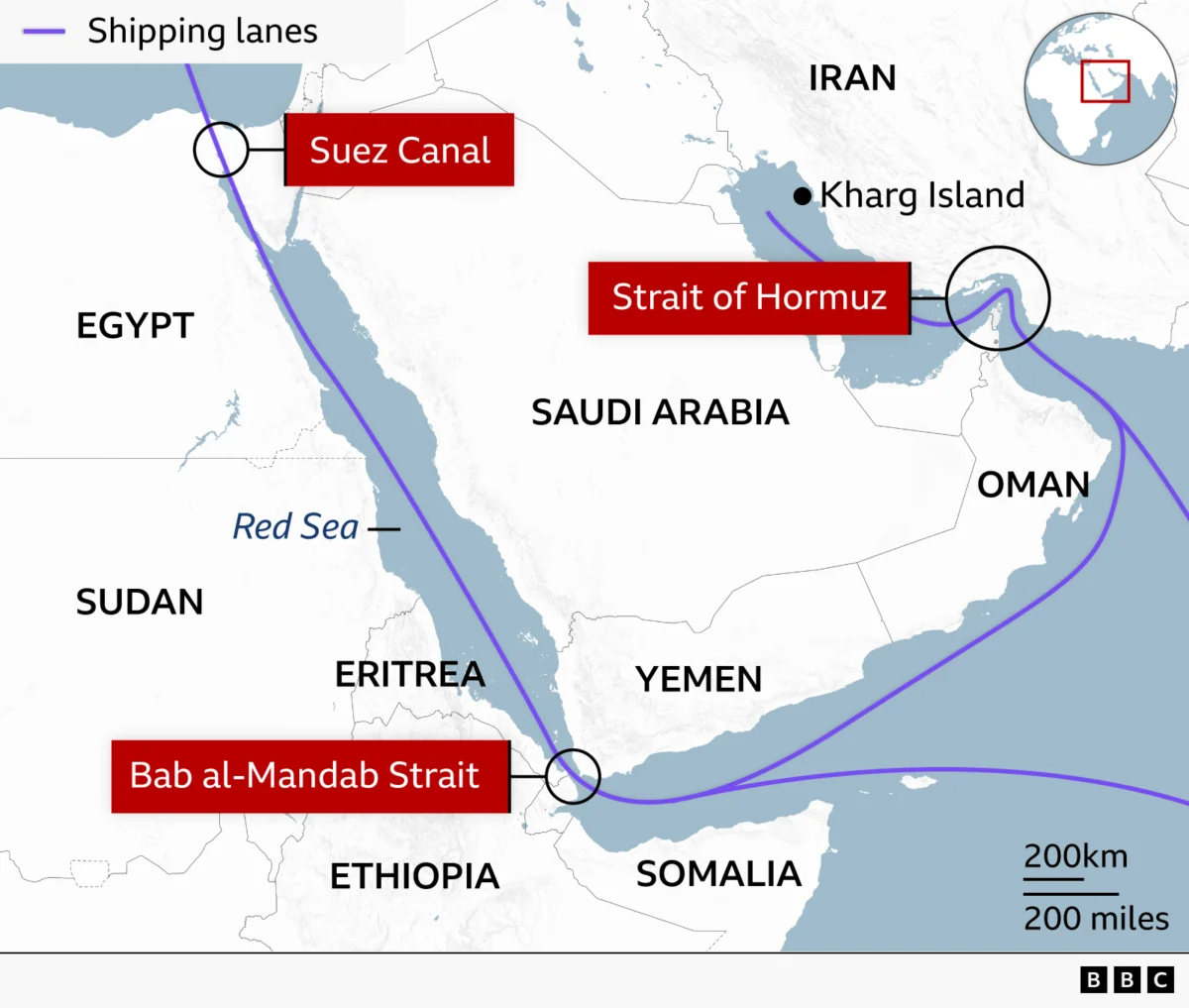
The peril confronting vessels transporting oil through the Middle East has escalated to its most severe point since the current period of heightened tensions with Iran commenced, according to leading maritime security and energy analysts. This alarming assessment follows a recent surge in attacks on another crucial shipping lane in the region, compelling some tankers to seek alternative, yet increasingly perilous, routes.
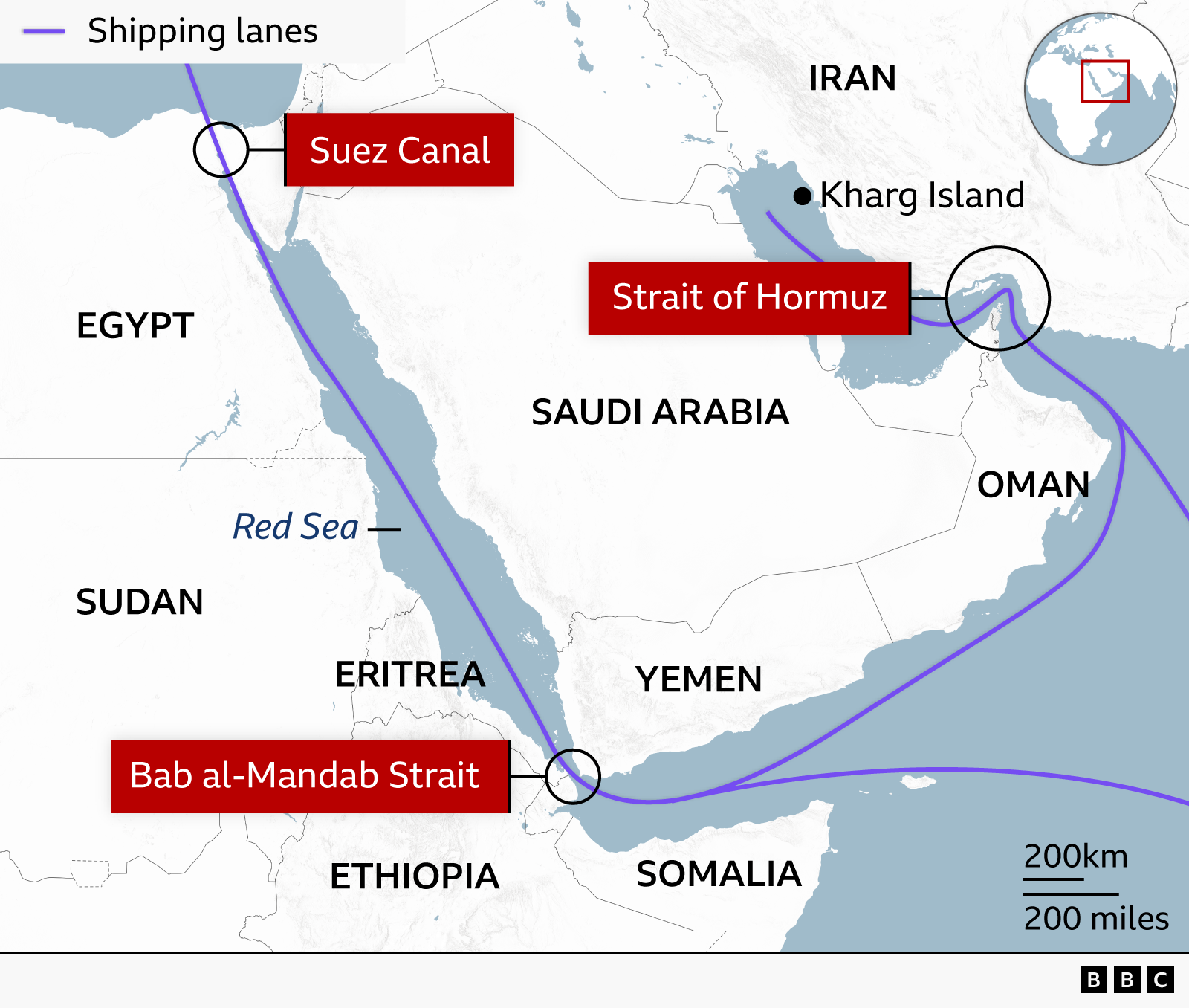
The warning underscores a significant deterioration in maritime security, primarily driven by a series of assaults on commercial vessels navigating the Red Sea. This waterway had become a vital alternative for some oil tankers attempting to circumvent the perilous Strait of Hormuz, which Iran had previously threatened to block and where traffic has dramatically declined. While Iran has publicly denied claims made by then-US President Donald Trump regarding ongoing talks with the United States to reopen the Strait of Hormuz, Tehran has confirmed discussions with Oman aimed at securing the critical shipping lane. However, the efficacy and sincerity of these talks remain under scrutiny amidst persistent regional instability.
"In terms of the actual threat to the trade of crude, we’re unequivocally at the worst period that we’ve been in since this crisis began," stated Matthew Wright, a senior analyst at the influential ship-tracking firm Kpler, highlighting the unprecedented nature of the current dangers. This sentiment is echoed across the maritime industry, which is grappling with a rapidly evolving and increasingly complex security landscape.
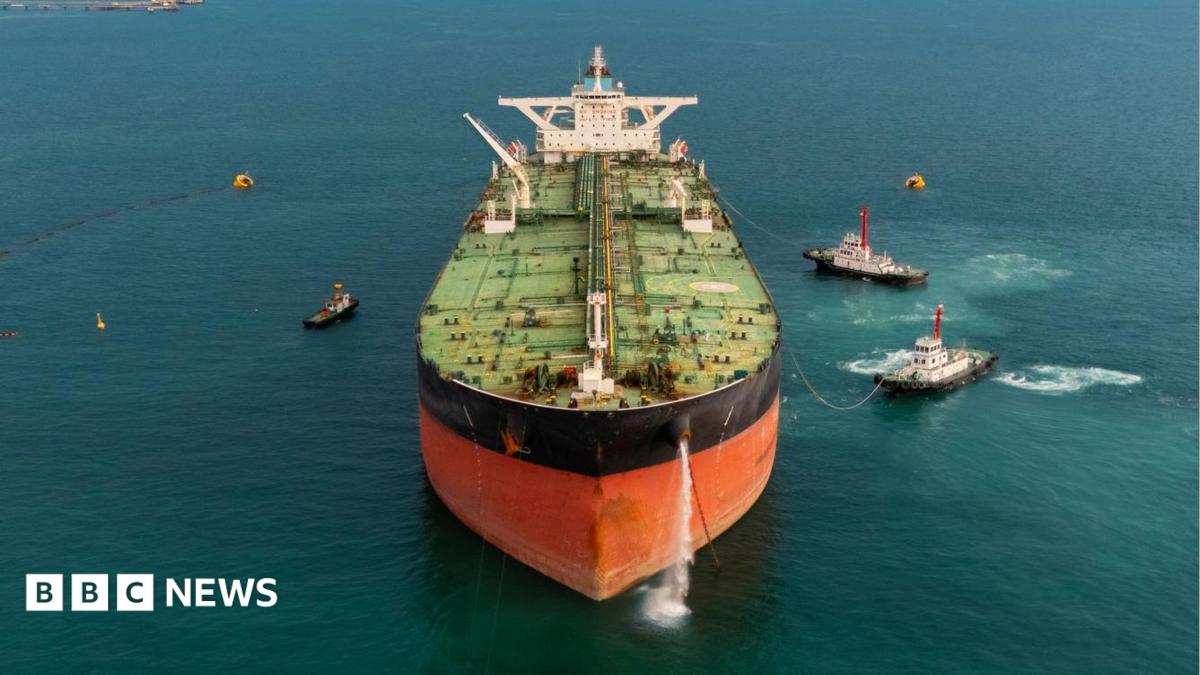
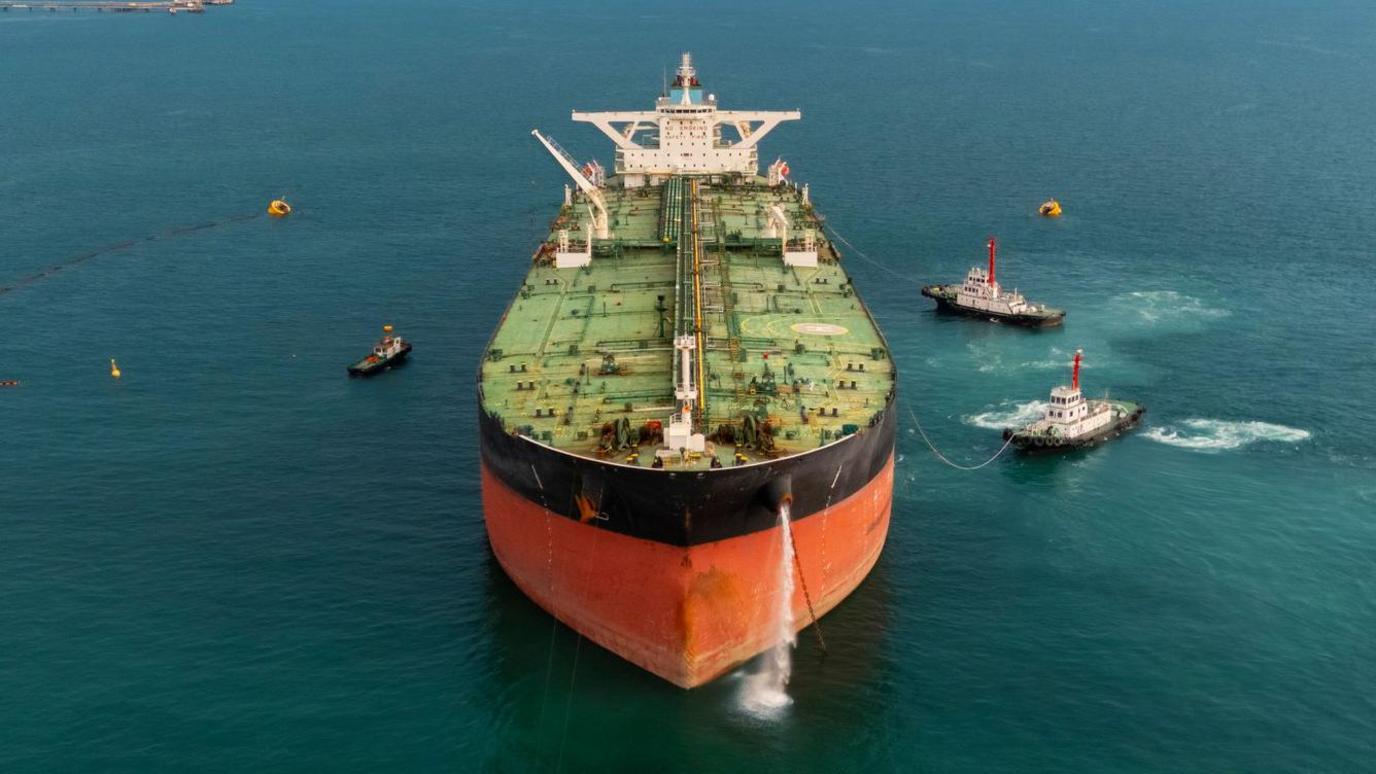
The Strait of Hormuz, a narrow passage connecting the Persian Gulf to the Arabian Sea, is globally recognized as the world’s most critical oil chokepoint. Prior to the escalation of the conflict, approximately 20% of the world’s total oil and gas supply traversed this strait daily, making any disruption a matter of immense global economic consequence. Kpler’s data vividly illustrates the dramatic decline in activity: on a recent Sunday, only eight ships passed through the Strait of Hormuz, a slight decrease from the 11 recorded on Saturday. This contrasts sharply with the pre-conflict era, when more than 100 vessels would typically transit the strait each day.
A brief period of relative calm and a temporary peace deal with the US, struck in early June, had initially led to a modest uptick in shipping numbers. However, the fragile détente quickly dissolved with the resumption of strikes and counter-strikes between the two nations roughly a month later, leading to a significant and sustained reduction in maritime traffic. In a desperate attempt to evade detection and potential targeting, many ships navigating the Strait of Hormuz have resorted to "going dark," a practice where they intentionally turn off their Automatic Identification System (AIS) transponders. While this measure offers a degree of anonymity, it also raises safety concerns and complicates maritime monitoring.
For much of the earlier phase of the conflict, some ships carrying crude oil, particularly those originating from Saudi Arabia, had rerouted their journeys through an alternative shipping lane in the Red Sea. This route, situated between the Arabian Peninsula and East Africa, provided a perceived safer passage for oil exports destined for international markets. However, this alternative has now fallen victim to the expanding regional instability. A recent spate of attacks orchestrated by Yemen’s Houthi fighters, who are aligned with Iran, on Saudi tankers utilizing this waterway has further compounded the risks, effectively closing off what was once considered a viable escape route.
The Iranian-backed Houthi militia formally announced what they termed a blockade on Saudi Arabia’s Red Sea ports on July 20th, signaling a dangerous escalation. In the wake of this declaration, the UK Maritime Trade Operations (UKMTO) agency, a vital source of information for mariners in the region, has reported multiple attacks on ships in the past week alone, underscoring the immediate and tangible threat.
Matthew Wright of Kpler articulated the compounding nature of the crisis: "Not only is the ongoing situation in the Strait of Hormuz constraining oil flows, but now a big factor that was helping to balance the market is now also under threat. It’s a problem stacked on top of a problem." This layering of threats, impacting both primary and secondary shipping lanes, creates an unprecedented challenge for global energy security.
Tim Wilkins, the managing director of Intertanko, a prominent trade body representing independent tanker owners, painted a stark picture of the industry’s predicament. "We are now facing a broadening, deteriorating, and increasingly complex security situation," Wilkins stated, emphasizing the multifaceted nature of the threats. He added, "We now have the high-risk area going up to Saudi Arabian waters and extending into parts of the Red Sea. So that’s having another impact on the market, on freedom of navigation as well." The expansion of designated high-risk zones directly translates to increased operational costs, higher insurance premiums, and a greater reluctance from shipowners and crews to transit these volatile waters.
The Bab el-Mandeb strait, located at the southern entrance to the Red Sea, serves as another critical maritime chokepoint. Data from Kpler reveals that 28 commodity vessels passed through this strait on a recent Saturday. Disturbingly, six of these vessels had their transponders intentionally turned off, indicating a continued effort to avoid detection and highlighting the pervasive fear among commercial shipping operators. While not all vessels are entirely deterred from passing through, primarily because the Houthi threat is ostensibly targeted only at Saudi shipping, the total number of transiting ships remains significantly depressed at approximately 50% of pre-attack levels.
More specifically, the number of ships loading crude oil for export to Asian markets and attempting to pass through these contested waters has plummeted to roughly four per day, according to Kpler. This represents the lowest point observed since the very beginning of the current crisis, underscoring the severity of the disruption to vital oil supply chains.
The global shipping giant Hapag-Lloyd, while acknowledging that some of its vessels continue to pass through the Red Sea, stressed its cautious approach. A spokesperson for the company affirmed, "We will monitor developments closely and will adjust the network if circumstances change." The logistical complexities of such adjustments are immense. Even if the Strait of Hormuz were to miraculously reopen, the spokesperson cautioned, "most ships could probably leave the region fairly quickly. However, restoring normal cargo flows would take much longer. Services have been suspended and ships redeployed elsewhere, so a return to normal flows would most likely take three to four months." This timeline highlights the deep and lasting impact of these disruptions on global supply chain efficiency.
Despite the ongoing diplomatic overtures with Oman, Iran has maintained that no immediate deal is on the horizon that would facilitate the reopening of the Strait of Hormuz to normal traffic. Esmaeil Baqaei, a spokesman for Iran’s foreign ministry, explicitly stated that any potential agreement would not alleviate the current restrictions as long as what he termed US "aggression" persisted. Kpler’s Matthew Wright, while acknowledging the potential for productive discussions with Oman, cautioned that any meaningful resolution would necessitate the direct involvement of the United States. Without significant concessions from at least one of the principal parties, Wright warned that current negotiations could prove to be a "false start," offering little tangible relief.
Paradoxically, global oil prices experienced a sharp decline following reports that President Trump had considered canceling planned military strikes on Iran, based on the potential for upcoming talks. Brent crude, a key international benchmark, was trading 4.4% lower at $84.05 a barrel, having earlier in the day plunged as much as 7.3% to $81.55 a barrel. This volatility underscores the market’s sensitivity to even the slightest shifts in geopolitical rhetoric and perceived de-escalation, even as the underlying threats to shipping persist.
Peter Sand, chief analyst at Xeneta, another prominent ship-tracking company, conveyed a profound sense of pessimism regarding the broader maritime industry. He lamented that the ongoing fighting had effectively taken the shipping industry "back to square one," describing the situation as being in "a terrible state, regardless of which shipping type you’re looking at." Sand elaborated on the dire alternatives: "The alternatives for getting cargo, whether that’s hydrocarbons or container shipping, are really not great… it is really still troubling times with no clarity and no change of fortunes within sight." This assessment paints a grim picture of a global shipping sector caught in a protracted and unpredictable crisis, with significant implications for international trade and energy markets for the foreseeable future.



 atisusanti
 Nana Banana
 George Anjay

 Ramos Leo