
 Nakalama John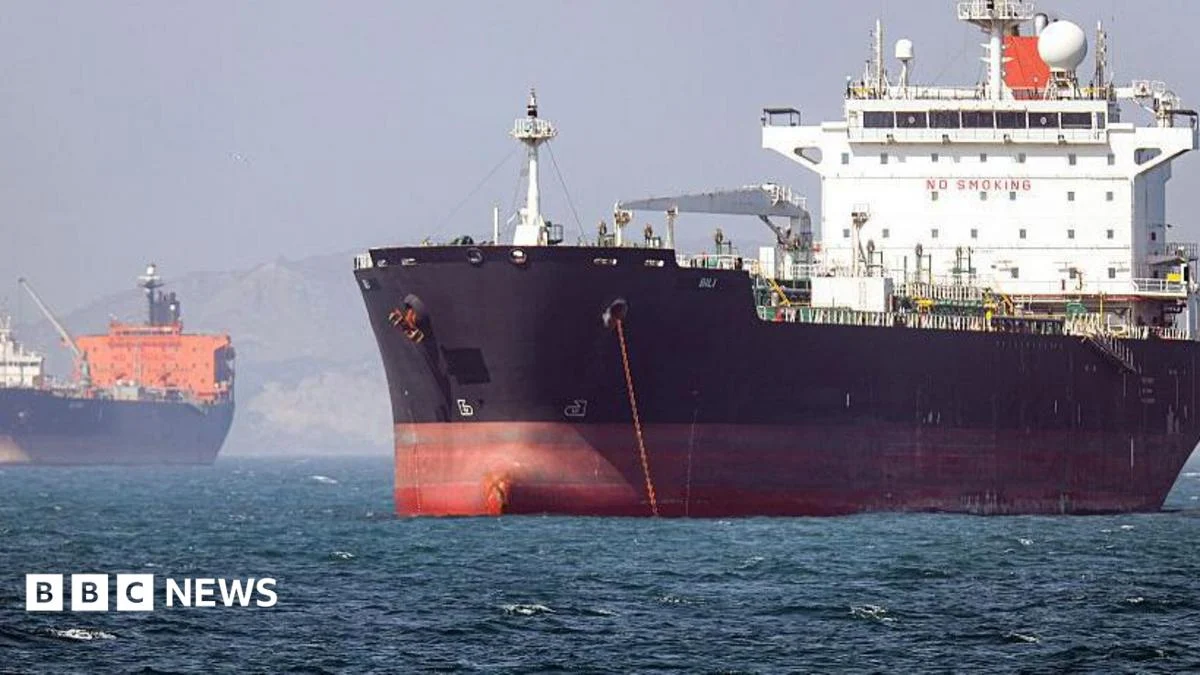
US Secretary of State Marco Rubio and Treasury Secretary Scott Bessent, speaking independently, both conveyed that talks had advanced sufficiently to allow oil shipments to potentially restart as early as this week. Their coordinated messaging provided a much-needed jolt of confidence to investors, who have been increasingly wary of the geopolitical tensions gripping the Middle East. The cost of a barrel of Brent crude, the internationally recognized benchmark for oil prices, reacted sharply, shedding almost 5% of its value to trade below the psychologically significant $80 (£60) mark. This substantial drop underscored the market’s acute sensitivity to any indication of increased supply or reduced geopolitical risk.
However, the path to de-escalation has been fraught with challenges. The repeated failure of previous negotiation attempts in recent months to genuinely defuse the simmering conflict between the US and Iran has left the oil market in a state of chronic instability. This volatility has translated directly into higher fuel prices at the pumps for drivers globally, making the current optimism a cautious one. On Tuesday, alongside the significant downturn in Brent crude, US West Texas Intermediate (WTI) crude prices also experienced a sharp decline, falling by more than 5% to settle at $76 a barrel. Both contracts registered their lowest trading levels since July 13th, marking a notable reversal from recent upward trends.
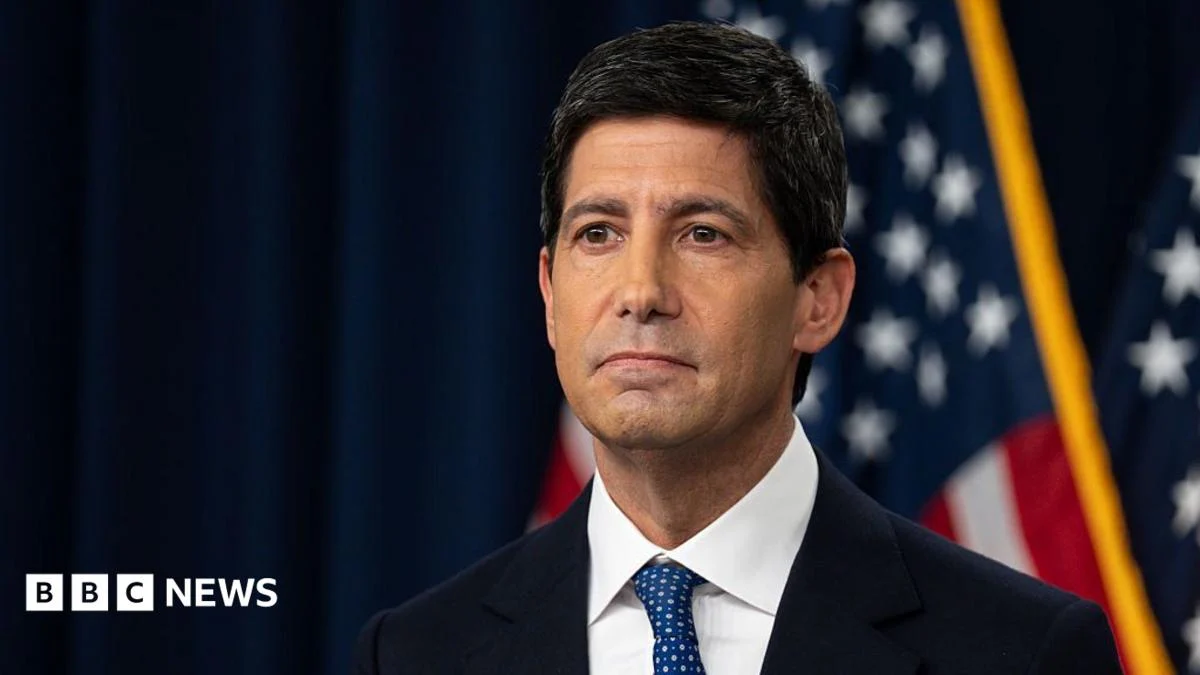
Secretary Rubio, addressing reporters at the State Department, articulated the progress made in discussions concerning the increased flow of shipping through the Strait, involving both Iran and Oman. "There’s been progress made in those talks, but not finality yet. We’re hoping that will happen very shortly," he stated, his words carefully chosen to convey both encouragement and a degree of caution. This sentiment was echoed and amplified by Treasury Secretary Bessent, who suggested that a definitive agreement to reopen the Strait of Hormuz could materialize as soon as Tuesday or Wednesday. Speaking to CNBC, Bessent expressed a tangible sense of anticipation: "There was a chance we may have a deal today or tomorrow to open the strait and move towards a more normalized position in this conflict." When pressed on the specifics of the potential agreement, particularly regarding any fees Iran might levy on passing vessels, Bessent cryptically responded, "It would be freedom of movement," implying a return to unimpeded transit.
Despite these senior US government figures announcing significant progress, concrete details regarding the potential contours of any deal remained conspicuously absent. This lack of transparency, while perhaps strategic in sensitive diplomatic maneuvers, contributes to market uncertainty. Adding another layer of complexity, Iran has consistently maintained that it is not engaged in direct negotiations with the United States – and has no immediate plans to do so. Instead, Tehran has stated its discussions are solely with Oman, which has historically played a crucial role as a neutral intermediary between Washington and Tehran. A spokesperson for Iran’s foreign ministry confirmed that talks with Oman regarding a new mechanism for vessels traversing the Strait had been positive, without elaborating further on the nature of these "mechanisms."
Qatar, another vital mediator with well-established channels of communication between Washington and Tehran, confirmed its ongoing efforts, alongside other diplomatic facilitators, to achieve a peaceful resolution to the escalating regional tensions. However, Qatari officials admitted that no direct talks between the primary antagonists were currently scheduled, underscoring the delicate and often indirect nature of the diplomatic dance. The Strait of Hormuz has consistently remained a central and contentious flashpoint in the broader US-Iran relationship. Prior to the commencement of the current conflict in late February, this narrow waterway, strategically positioned between the Persian Gulf and the Gulf of Oman, was responsible for handling an astonishing one-fifth of global daily oil and liquefied natural gas (LNG) supplies. Its potential closure or disruption sends shivers down the spine of global energy markets and supply chain managers worldwide.
The inherent fragility of such geopolitical agreements was highlighted by Danni Hewson, head of financial analysis at AJ Bell. "Investors are acutely aware of how many times we’ve already been at this point in the war and how fragile the process of securing lasting agreements can be," she observed. This cautious sentiment reflects a market that has been repeatedly burned by false dawns and failed negotiations, leading to a significant "risk premium" being embedded in oil prices, reflecting the heightened geopolitical uncertainty.
The prolonged disruption to oil supplies and the ensuing price surges have had a tangible and painful impact on consumers globally. In the United Kingdom, petrol prices have soared to levels last seen at the very outset of the conflict, with the average cost of a litre of petrol hitting £1.60, according to data from the RAC motoring group. This represents a significant burden on household budgets and contributes to broader inflationary pressures. Across the Atlantic, in the United States, gasoline prices have consistently remained above an average of $4 a gallon, according to the AAA, with diesel prices climbing even higher to nearly $5.40 a gallon. These elevated fuel costs ripple through the economy, affecting everything from transportation and logistics to manufacturing and consumer spending, ultimately slowing economic growth.
The extreme volatility has seen oil prices surge dramatically, surpassing $120 a barrel when the conflict has escalated, only to plunge equally sharply in response to previous talks suggesting a potential breakthrough. This unpredictable environment has, paradoxically, led to unprecedented financial gains for major international oil companies such as BP, Shell, Chevron, and Exxon Mobil, all of whom have reported bumper profits in recent quarters. These colossal revenues have sparked widespread public debate about windfall taxes and the ethics of profiting from global instability.
However, Hewson also added a crucial caveat, noting that despite these massive revenues, even the oil majors were "at the mercy" of US President Donald Trump’s "machinations." Trump’s direct and often unpredictable interventions have been a significant factor shaping market sentiment. On Monday, the President delivered a stern warning to Iran, stating it faced its "last chance" to agree to a deal that would permit commercial shipping to resume safely in the Strait. He further revealed that he had explicitly called off "massive" strikes on the country specifically to allow for a resumption of diplomatic talks. This revelation underscored the high stakes involved and the razor’s edge upon which the situation balanced, demonstrating how close the region came to a broader military confrontation.
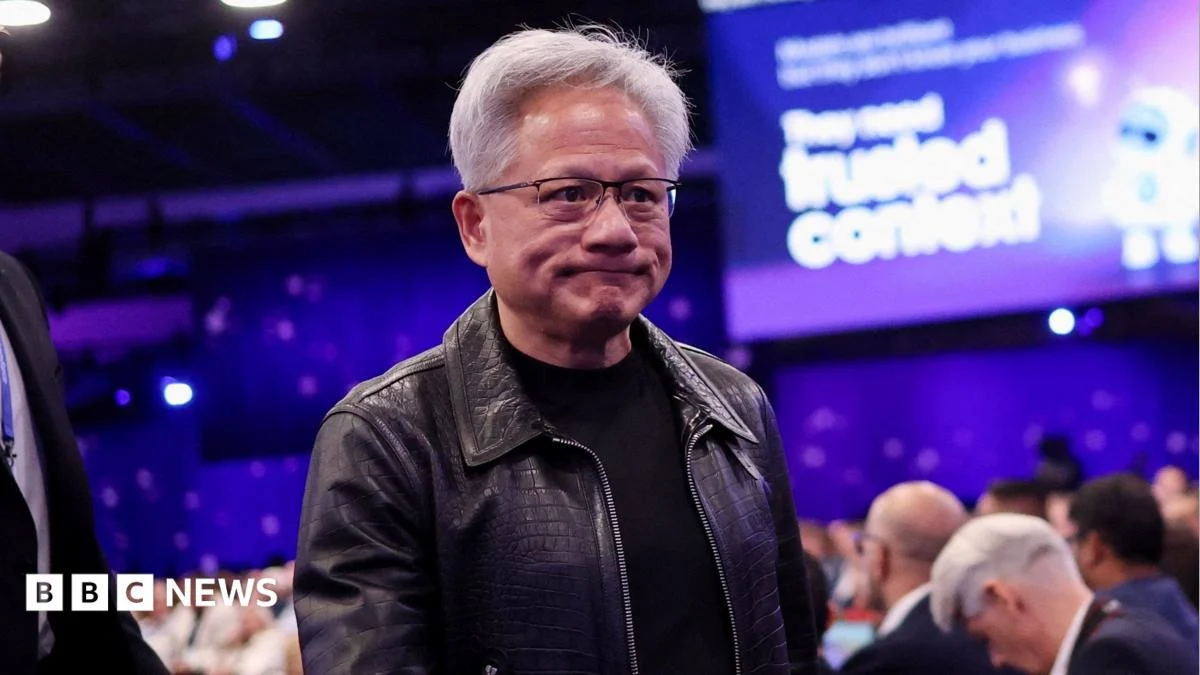
Beyond the energy sector, US stock markets reacted positively on Tuesday, trading higher following the news of the negotiations lowering oil prices. The broader market sentiment was also buoyed by encouraging corporate earnings results, particularly those related to the burgeoning Artificial Intelligence sector. Investors on Wall Street have experienced intermittent jitters in recent times, largely due to concerns over inflation and interest rates, but strong results from Big Tech firms indicating continued soaring spending on AI technology provided a welcome boost. The combination of easing energy cost concerns and robust tech sector performance created a favorable environment for equities, illustrating the complex interplay of geopolitical developments, macroeconomic factors, and corporate performance in shaping global financial markets. Any lasting resolution in the Strait of Hormuz, therefore, promises not only energy stability but also broader economic relief.


 atisusanti
 Nana Banana
 George Anjay

 Ramos Leo