
 Nana Banana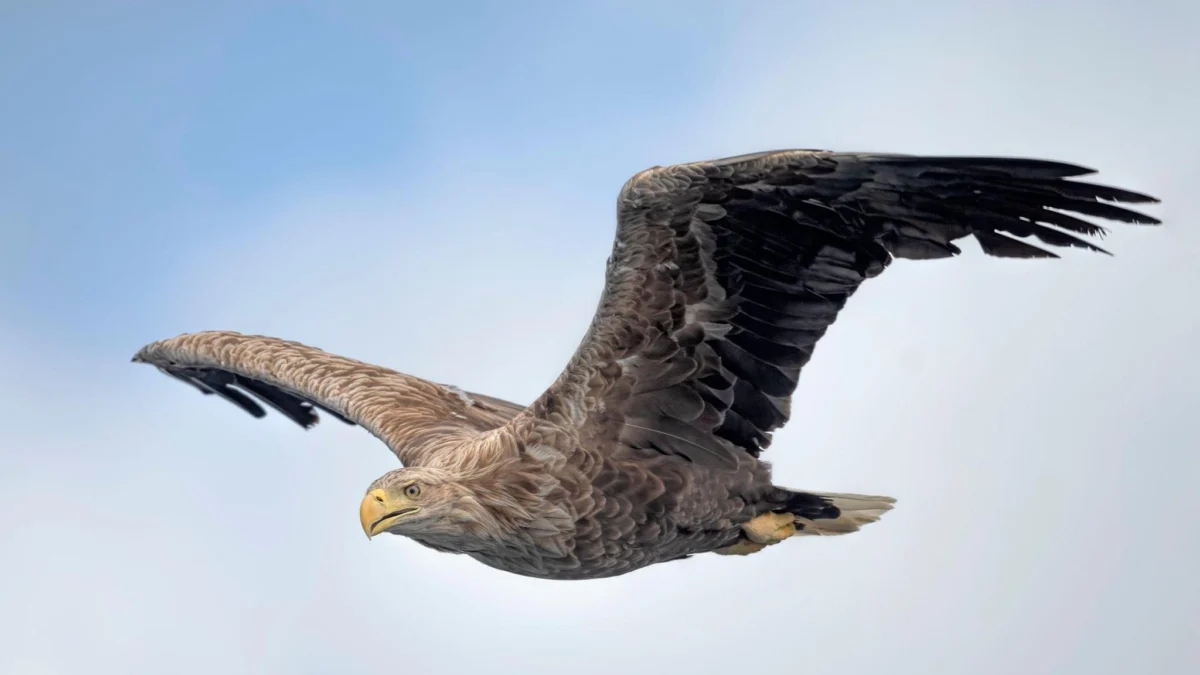
Six majestic young white-tailed eagles, often referred to as "sea eagles" due to their impressive size and coastal foraging habits, have been successfully released onto Exmoor National Park, marking a significant milestone in the restoration of British biodiversity. This momentous occasion represents the first reintroduction of the species to the ancient landscapes of Exmoor after an absence spanning over two centuries. The ambitious rewilding initiative, a collaborative effort between Forestry England and the renowned Roy Dennis Wildlife Foundation, aims to restore this apex predator to its rightful place in the region’s ecosystem, enhancing its natural resilience and ecological health.
The current release is not an isolated event but a crucial expansion of a larger, ongoing project that began in 2019 with initial releases on the Isle of Wight. Since its inception, the pioneering program has seen a total of 45 white-tailed eagles reintroduced into southern England. A testament to the project’s success and the species’ adaptability, 2023 celebrated a truly historic moment: the birth of the first white-tailed eagle chick in the wild in southern England since a staggering 1780. This remarkable achievement underscored the viability of re-establishing a self-sustaining population, paving the way for the strategic expansion into new, suitable habitats like Exmoor. Over the next three years, the project plans to release up to 20 additional young birds into the Exmoor area, steadily building towards a thriving, resident population.
The decision to extend the reintroduction efforts to Exmoor was not arbitrary but based on robust scientific data and careful observation. Tracking information from previously released eagles revealed that several of these magnificent birds had frequently visited the Exmoor region, demonstrating its inherent appeal and suitability. Historically, white-tailed eagles were known to breed along the dramatic Exmoor coastline, a testament to the area’s rich ecological offerings. The region continues to provide an ideal mosaic of habitats crucial for the species’ survival, including vast tracts of open moorland, ancient woodlands, and, critically, an abundance of fish in its rivers, reservoirs, and coastal waters, which form a primary component of the eagles’ diet. These coastal cliffs and secluded woodland areas offer excellent potential for nesting sites, providing the necessary security and isolation for breeding pairs.
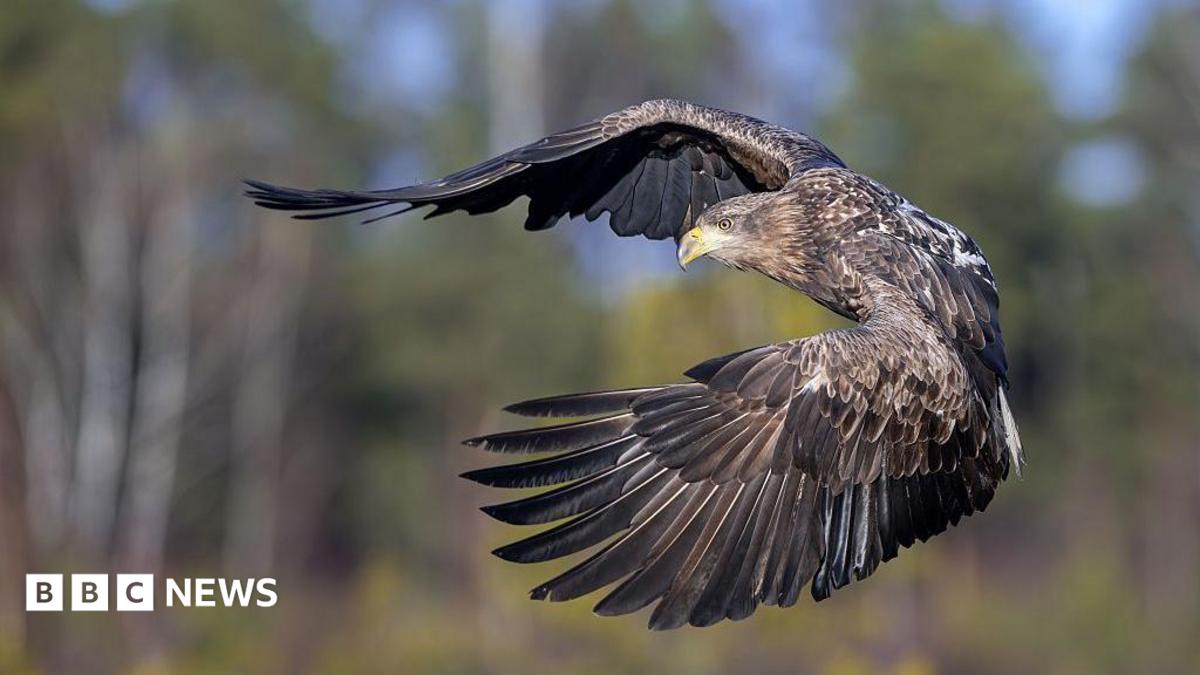
The six young birds introduced to Exmoor were carefully collected from wild nests in Scotland earlier this year, a process carried out under a strict license granted by NatureScot, Scotland’s nature agency. This ethical collection method ensures that only one chick is ever removed from a nest, leaving other siblings undisturbed and allowing the Scottish wild population to remain robust. Before their journey south and subsequent release, each bird undergoes thorough veterinary checks, including screening for diseases such as avian influenza, to ensure their health and prevent any potential transmission to local wildlife populations. Zoe Smith, representing the Roy Dennis Wildlife Foundation, emphasized the profound significance of this work: "We’re restoring a native species that should be here and has been removed from the landscape." She further highlighted the rigorous planning and regulatory adherence involved, stating, "We have a lengthy consultation process before we’re granted a licence," underlining the scientific and ethical scrutiny behind the project.
Key stakeholders have voiced their strong support for the initiative. Forestry England, as a primary land manager, plays a crucial role in providing suitable release sites and contributing to the wider habitat restoration efforts that benefit not only the eagles but also a host of other species. The Roy Dennis Wildlife Foundation, with its extensive experience in species reintroduction, provides the scientific expertise and long-term vision necessary for such a complex project. Their meticulous planning, from chick collection to post-release monitoring, is vital for the eagles’ successful integration.
Angela Eagle, Environment Secretary for the Department for Environment Food and Rural Affairs (DEFRA), lauded the return of this "majestic" species, framing it as a clear demonstration of the government’s unwavering "commitment to reversing the decline of nature and protecting it for generations to come." This aligns with broader government strategies outlined in the 25 Year Environment Plan, which aims to improve the environment within a generation and leave it in a better state than it was found. The reintroduction of white-tailed eagles is seen as a flagship project within this wider nature recovery agenda, symbolizing hope for a more biodiverse future across the UK.
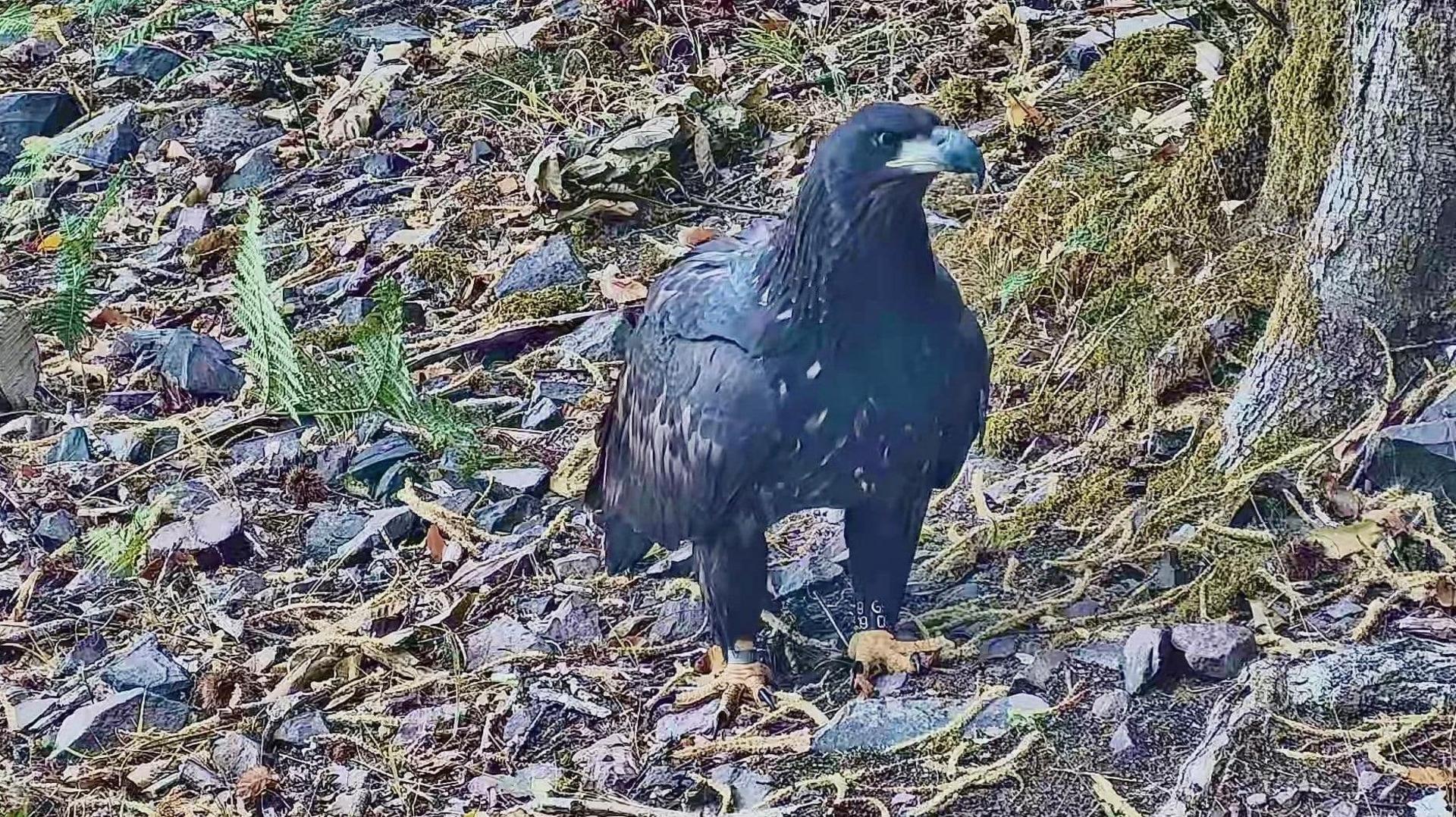
To ensure the long-term success of the reintroduction and to gather invaluable data on their dispersal and adaptation, each young eagle is fitted with a lightweight satellite tracker before its release. These state-of-the-art devices allow the project team to meticulously monitor their progress, tracking their movements, foraging patterns, and preferred roosting sites across vast distances. It is anticipated that these young eagles, known for their wide-ranging exploratory flights, will travel extensively across the UK and potentially even venture into continental Europe during their formative years. However, the ultimate goal is for these magnificent birds to return to the rich habitats of Exmoor to establish their own breeding territories once they reach sexual maturity, typically around four or five years of age. This long-term monitoring is crucial for understanding the birds’ ecological role and informing future conservation strategies.
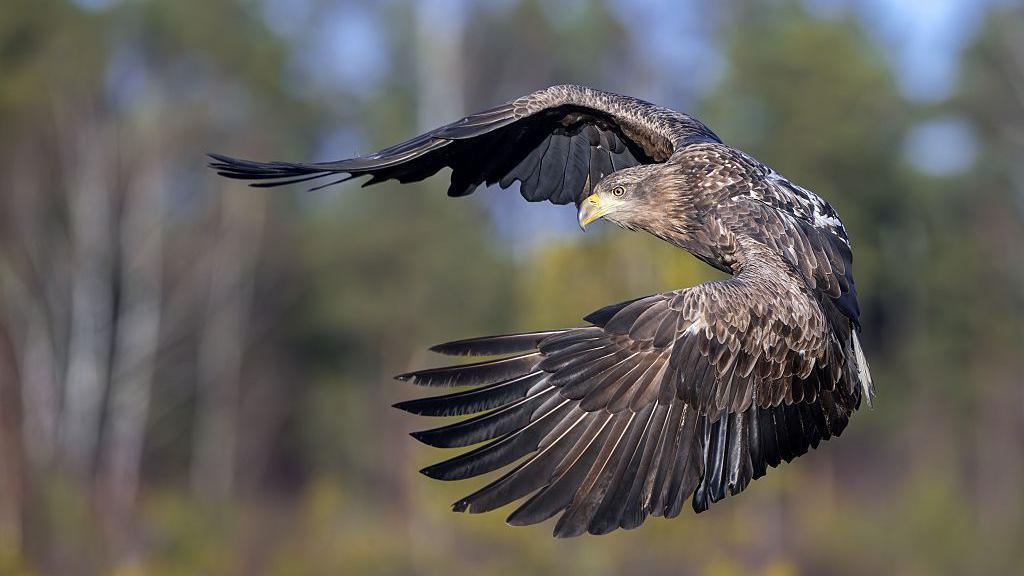
Ali Hawkins, Senior Ecologist with Exmoor National Park Authority, expressed immense enthusiasm for the project, stating, "This is such an exciting moment for Exmoor and a real boost to biodiversity in the National Park, as white-tailed eagles play a crucial role in both marine and land-based ecosystems." As apex predators and scavengers, white-tailed eagles can have a significant positive impact on ecosystem health. By predating on sick or weak animals and scavenging carrion, they help to maintain healthy prey populations and prevent the spread of disease. Their presence can also influence the behaviour of other species, creating a more dynamic and resilient environment. Their return represents a crucial step in rewilding Exmoor, allowing natural processes to flourish and restoring a vital link in the food chain that has been missing for centuries.
However, like many rewilding projects, the reintroduction of white-tailed eagles has also generated some concerns, particularly among the local agricultural community. Robin Milton, a livestock farmer on Exmoor, articulated a nuanced perspective: "From my own perspective I’m quite ambivalent. There’s no direct impacts on me on the moment. But there’s been problems reported." He emphasized the need for a "proper balance" between conservation efforts and agricultural livelihoods, adding, "I don’t want to see an impact on farming or hares that are around here at the moment." Milton called for a "much more comprehensive plan" to address these potential issues.
In response to such concerns, Zoe Smith from the Roy Dennis Wildlife Foundation assured that "Some farmers have raised concerns about this project. We’ve given them the opportunity to ask questions and we give ongoing support to these farmers." She further clarified the dietary habits of white-tailed eagles, explaining that their primary diet consists of fish, seabirds, and carrion. While they are opportunistic predators, instances of white-tailed eagles attacking healthy livestock, particularly lambs, are extremely rare in Europe, where the species has coexisted with farming communities for centuries. The project team remains committed to open dialogue, continuous monitoring, and providing support to local landowners to mitigate any perceived or actual conflicts, ensuring that the return of these iconic birds benefits the entire Exmoor community and its natural environment.
The historical disappearance of white-tailed eagles from England over 200 years ago was primarily due to systematic persecution by humans, driven by misconceptions about their impact on livestock and game, coupled with habitat loss and egg collecting. Their reintroduction is a powerful symbol of a shifting societal attitude towards nature, recognizing the intrinsic value of biodiversity and the importance of ecological restoration. Beyond the direct ecological benefits, the presence of these magnificent birds is also expected to boost ecotourism, offering unique wildlife watching opportunities and contributing to the local economy. Educational programs linked to the project will also foster greater public engagement and understanding of conservation challenges and successes.
The release of white-tailed eagles onto Exmoor National Park is more than just a conservation effort; it is a profound act of hope for nature’s recovery. It represents a commitment to repairing past damages and building a future where iconic species can once again soar freely over the landscapes they historically inhabited. As these six young eagles take to the skies, they carry with them the promise of a richer, more vibrant Exmoor, a testament to what can be achieved when scientific expertise, dedicated conservationists, and a forward-thinking community unite for the benefit of the natural world.



 atisusanti
 George Anjay
 Nakalama John

 Ramos Leo