
 Nana Banana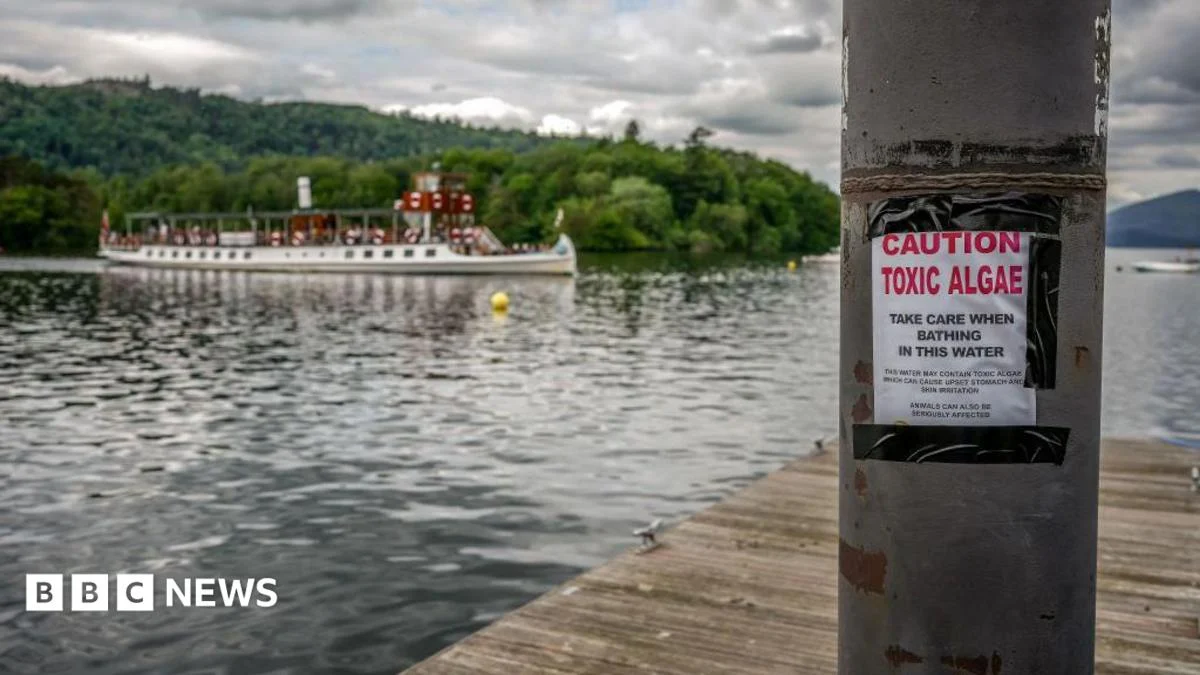
England’s vital waterways are facing a severe crisis, with a recent assessment revealing that the vast majority of the nation’s rivers and lakes have failed to meet crucial pollution standards. This alarming finding underscores the immense challenge facing the government, which is already projected to significantly miss its legally binding target of restoring 77% of England’s waters to "good ecological status" by the year 2027. The Office for Environmental Protection (OEP), the independent environmental watchdog, has issued a stark warning that this critical goal will be missed by a "considerable margin," casting serious doubt on the efficacy of current environmental policies and enforcement.
In response to these persistent failures, the OEP has initiated a formal investigation into both the government and the Environment Agency, scrutinizing potential breaches of environmental regulations and responsibilities. This high-level probe highlights the systemic nature of the problem and the increasing pressure on regulatory bodies to deliver on their commitments. Environment Secretary Angela Eagle acknowledged the gravity of the situation, stating that the figures "underline the need for wholesale change across the water sector." Eagle emphasized the government’s commitment to addressing these issues, pointing to new legislation designed to hold water companies more accountable and record levels of investment being directed towards environmental improvements. She affirmed the administration’s intent to "drive forward a system that puts the public interest first," suggesting a renewed focus on ensuring clean and healthy waterways for all.
Much of the public and political discourse surrounding the degraded state of England’s waters has predominantly focused on the role of water companies and the often-controversial practice of releasing raw or partially treated sewage into rivers and coastal areas. These discharges, which occur frequently, particularly during heavy rainfall, have sparked widespread public outrage and have been identified as a significant contributor to the ecological decline of many water bodies. Environmental campaigners regularly highlight the sheer volume of sewage incidents, which can lead to dangerously high levels of harmful bacteria, viruses, and nutrients, rendering rivers unsafe for swimming, fishing, and recreation, while devastating aquatic ecosystems.
However, a chorus of campaigners and scientists is increasingly drawing attention to another equally potent, yet less publicly scrutinized, source of pollution: agriculture. Intensive farming practices, particularly those involving large-scale livestock operations, contribute substantially to water degradation through the runoff of fertilizers, pesticides, and animal waste. Erica Popplewell, representing the campaign group River Action, specifically singled out intensive poultry units—vast industrial sheds housing hundreds of thousands of birds—as a rapidly growing threat to iconic rivers such as the Wye and Severn. She vividly described the consequences of the enormous quantities of animal waste produced by these operations. "There’s a lot of poo that comes out of the chickens," Popplewell explained, clarifying that if this waste, rich in nitrates and phosphates, enters a river directly, it triggers a process known as eutrophication. This ecological phenomenon involves an excessive growth of algae and aquatic plants, which then die and decompose, consuming vast amounts of oxygen and creating "dead zones" where fish and other aquatic life cannot survive. "The whole ecology of the river is damaged, and the river is dying," she warned, urging the government to address both sewage and farming pollution with the "same urgency." The National Farmers’ Union of England and Wales was approached for comment regarding these concerns, reflecting the ongoing debate and search for solutions within the agricultural sector.
Beyond these major contributors, the Environment Agency has identified several other pervasive types of pollution impacting England’s diverse bodies of water. These include common contaminants such as petrol and garden pesticides, which can wash into drains and waterways, as well as contaminated water runoff from roads, which picks up a cocktail of pollutants including oil, heavy metals, and microplastics. These microplastics, shed from tires and road markings, represent a growing concern, as they can persist in the environment for centuries, entering the food chain and posing risks to aquatic life and potentially human health.
The Environment Agency, while presenting its latest findings, stressed a critical caveat: this year’s data cannot be directly compared with figures from 2019 due to significant changes in its assessment methodologies. This methodological shift is particularly relevant to the reported steep fall in the number of lakes classified as having "good" ecological status, which has dropped by approximately half since 2019. The agency clarified that this apparent decline largely reflects a revised approach by its experts in how they now assess these water bodies, rather than indicating an actual, sudden deterioration in their condition. Despite this, Alan Lovell, Chair of the Environment Agency, openly acknowledged that far too many water bodies were "still not achieving the standards we want to see." He affirmed that the agency was "transforming our enforcement work" and expanding its capabilities with its largest ever workforce, signaling a commitment to more robust oversight and intervention.
However, a leading authority on water quality, Professor Penny Johnes from the University of Bristol, offered a more pessimistic view, telling BBC News that the true picture of England’s water health was "almost certainly worse" than the official classifications suggested. Prof. Johnes critically assessed the current monitoring scheme as "not fit for purpose," arguing that it measures too few pollutants and does so too infrequently to capture the full scope of the problem. Crucially, she highlighted that the scheme often overlooks key substances like nitrogen and other compounds that scientists have long understood to be primary drivers of river decline, particularly those originating from agricultural runoff. When directly questioned about whether England’s waters were healthier than they were six or seven years ago, Prof. Johnes gave an unequivocal answer: "No, definitely not."
Adding to the dire situation, every single river and lake in England failed the test for chemical pollution. The Environment Agency attributed this widespread failure partly to "legacy substances" such as heavy metals originating from historical mining and industrial activities, which can take decades or even centuries to break down and are accumulating in the environment. Yet, Prof. Johnes again provided a sharper critique, arguing that this universal chemical contamination also represents a "failure to regulate effectively" the constant influx of new chemicals entering rivers. These include a vast array of substances, from pharmaceutical residues like antibiotics to the infamous "forever chemicals" known as PFAS (per- and polyfluoroalkyl substances), many of which are not routinely monitored or effectively controlled.
PFAS are a group of man-made chemicals known for their extreme persistence in the environment and their potential links to adverse health effects. They are ubiquitous, used in thousands of consumer and industrial products, ranging from waterproof school uniforms and non-stick cookware to medical devices and firefighting foams. The scale of the PFAS challenge is underscored by the fact that there are currently 23 enforcement notices issued against water companies, requiring them to lower PFAS levels in drinking water to mitigate risks to human health. Water UK, the industry body representing water companies, has itself advocated for a ban on the use of PFAS to limit their environmental build-up and reduce the escalating costs associated with water treatment. Despite these concerns, the widespread industrial and consumer reliance on PFAS makes a comprehensive ban a complex undertaking. Water UK further emphasized the industry’s commitment to addressing pollution, stating that water companies are investing "£22bn in environmental improvements by 2030." This substantial investment, they claim, will help "secure our water supplies, support economic growth and end sewage entering our rivers and seas."
The findings emerge against a backdrop of severe environmental stress, with much of England officially in drought conditions, characterized by significantly low river flows and widespread hosepipe bans affecting over 20 million people. Lower water levels naturally concentrate pollutants, making them more potent and exposing fish and other aquatic life to more dangerous levels of contamination. This compounding effect is further exacerbated by the projected impacts of climate change, which is expected to bring increasingly drier and hotter summers to the UK, thereby intensifying the challenges to water quality.
In an attempt to provide some perspective, the Environment Agency noted that other European countries appear to be performing even worse in terms of the good health of their waterways, citing figures such as only 8% in Germany and a mere 1% in the Netherlands. However, Prof. Johnes cautioned against such comparisons, asserting that they can be misleading due to significant variations in monitoring methodologies and classification standards across different nations. This highlights the complexity of assessing environmental health on an international scale and reinforces the need for rigorous, transparent, and consistent national reporting to truly understand and address the crisis facing England’s rivers and lakes.


 atisusanti
 George Anjay
 Nakalama John

 Ramos Leo