
 Nana Banana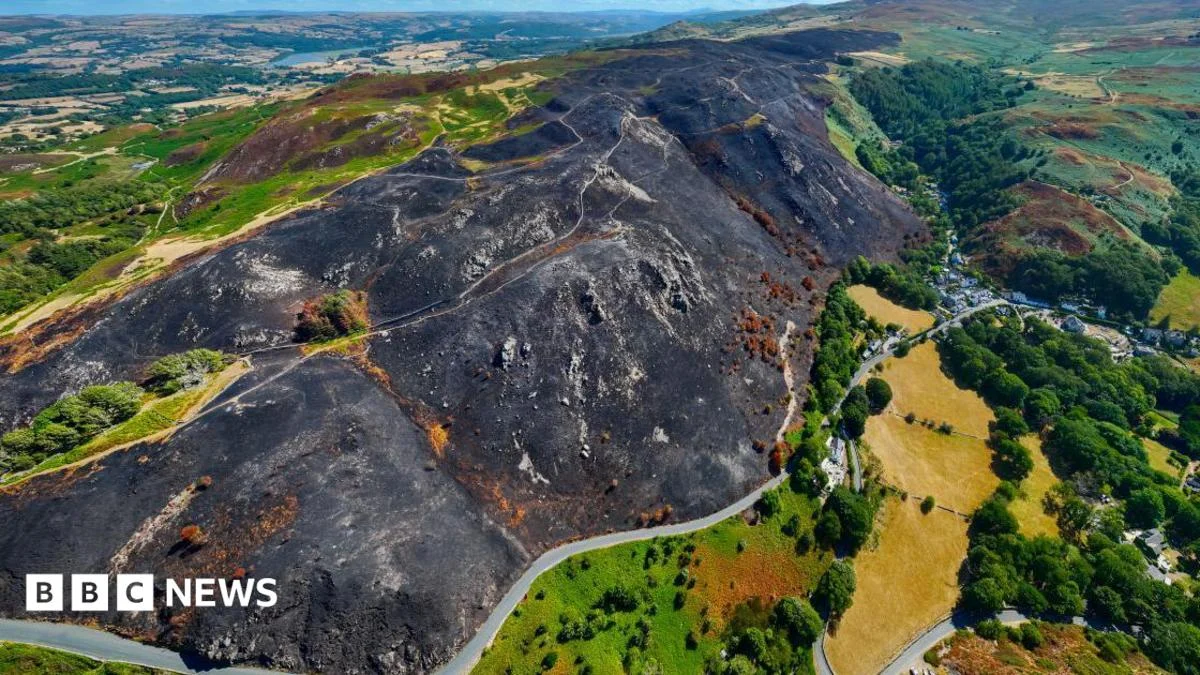
Thomas, reflecting on the unprecedented scale and intensity of the blazes, described the current period as unequivocally the worst Wales had ever experienced for wildfires. This assessment comes amidst a backdrop of increasing climate volatility, where hotter, drier summers and prolonged periods of drought create tinderbox conditions across the Welsh landscape. Beyond the immediate destruction of natural habitats and the tragic loss of animal life, Thomas issued a grave warning about the broader ecological ramifications, specifically highlighting the critical loss of soil structure. He explained that healthy upland soils, particularly peat, act as a vital "sponge," absorbing vast quantities of rainfall and slowly releasing it, thereby regulating river flows and mitigating flood risks downstream. When this natural sponge is destroyed by fire, its capacity to hold water is severely diminished, leading to increased surface runoff, accelerated erosion, and a heightened risk of flash flooding in communities below.
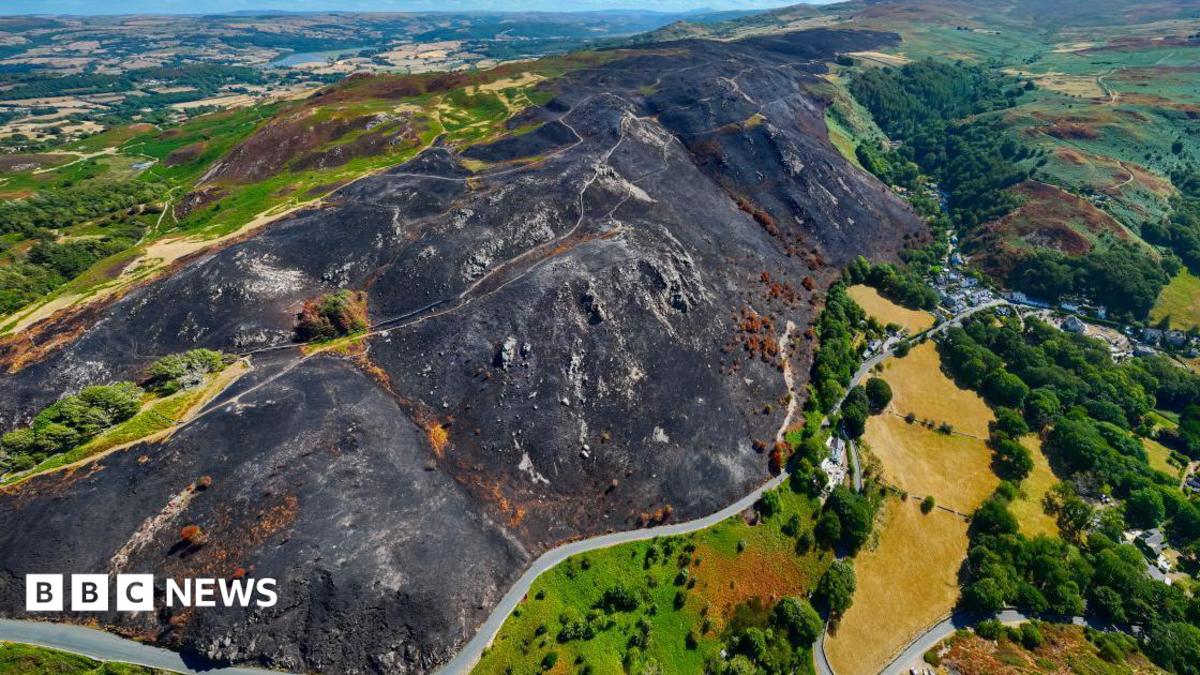
Wales has endured an extraordinary and challenging summer, marked by a succession of immense wildfires that have scorched thousands of acres of precious land. Among the most significant incidents was a major blaze in Conwy county, which necessitated the evacuation of a village, disrupting lives and underscoring the immediate threat these fires pose to human settlements. Perhaps the most visually striking and ecologically devastating inferno raged across the majestic Rhinogydd mountain range in Gwynedd. This area is not only a jewel of Welsh natural heritage but also home to a designated National Nature Reserve and a Special Area of Conservation, recognized for its unique biodiversity and geological features. The fire, which burned relentlessly for nearly two weeks, consumed more than 2,000 acres of this irreplaceable landscape, leaving a vast scar visible even from space – a stark testament to its overwhelming scale.
Another significant incident unfolded in Blaenavon, Torfaen, where the acrid smell of the burning landscape permeated the air as far away as Cardiff, tens of miles to the south. This widespread sensory impact served as a visceral reminder of the fires’ reach and the potential implications for air quality and public health across broader regions. While official statistics indicated a marginal reduction in the number of wildfires reported in the latter half of the summer across England and Wales compared to the previous year, Thomas’s assessment remained resolute. "This year seems to have been worse, I would say, than any of the ones I can remember," he stated, adding, "I would expect this to probably be the worst year for wildfires perhaps we’ve ever had." This sentiment reflects not just the sheer number of incidents, but their intensity, the critical habitats affected, and the profound long-term consequences.
The recovery trajectory for fire-affected areas is highly variable, Thomas explained, depending critically on the depth and intensity of the burn. Some superficial burns in certain vegetation types might see relatively quick recovery, potentially within a couple of years. However, the scenario is dramatically different when the fire penetrates the soil itself. "If a fire burns into the soil and incinerates the soil… then you’ve lost hundreds of years worth of soil," he warned. "So it’s going to take hundreds of years really for that vegetation to come back in a similar way to what it was." This is particularly pertinent for peatlands, which are globally significant carbon sinks and support unique, specialized ecosystems. Peat forms over millennia from the slow decomposition of plant material in waterlogged, anaerobic conditions. A single deep burn can erase thousands of years of this natural accumulation, releasing vast quantities of stored carbon into the atmosphere and fundamentally altering the landscape’s hydrological and ecological characteristics. The loss of this ancient soil structure also means the intricate web of microbial life, fungi, and invertebrate communities vital for nutrient cycling and plant growth is destroyed, further impeding recovery.
The human element of these environmental tragedies is keenly felt in communities bordering the affected areas. The Pensychnant reserve, a cherished local conservation centre, relies heavily on the dedication of volunteers like Gwyndaf Pritchard from Dwygyfylchi, who help preserve and manage the site. Pritchard articulated the deep emotional connection many feel to these natural spaces, describing the loss of wildlife and habitat as "tragic." His words carried an urgent plea for action: "We’ve talked about it for years and years, but now climate change is here and we have to start to respect the countryside and we have to be in a position to actually stop these fires happening again." This highlights a growing recognition that wildfires are no longer isolated incidents but an escalating symptom of a changing climate, demanding a fundamental shift in land management practices and public awareness. The impact extends beyond the visible scorch marks, affecting iconic species such as ground-nesting birds, rare insects, and small mammals that lose their homes and food sources, often without warning.
Evie Roberts, a silversmith who teaches jewellery-making at the Pensychnant centre, echoed the call for increased public education and responsibility. She emphasized the critical role of human behaviour in preventing these devastating events, particularly highlighting the dangers of carelessly discarded items like glass bottles, which can magnify sunlight and ignite dry vegetation, or cigarette butts, which remain a persistent fire hazard. "Your actions can have devastating effects and I think that education for people is vital to stop this," Roberts asserted. Her concern is palpable, reflecting the community’s frustration and alarm at the frequency of recent incidents: "There’s a new fire every week at the moment, and there’s so much of our land damaged."
The escalating frequency and intensity of wildfires in Wales, alongside similar trends globally, are intrinsically linked to the broader climate crisis. Rising global temperatures contribute to hotter, drier weather patterns, extending wildfire seasons and increasing the flammability of vegetation. This creates a dangerous feedback loop: wildfires release immense amounts of stored carbon, particularly from peatlands, further exacerbating global warming and increasing the likelihood of future fires. The long-term implications for Wales’s unique biodiversity, water security, and rural economies are profound. Ecologists warn that the shift in vegetation types following severe fires could lead to the permanent loss of sensitive species, replaced by more fire-adapted or invasive plants, further diminishing the ecological richness of the landscape.
To mitigate future risks and support long-term recovery, a multi-faceted approach is urgently required. This includes enhanced public awareness campaigns, particularly targeting visitors to rural and upland areas, promoting responsible recreation and adherence to fire safety guidelines. Land management strategies must also evolve, incorporating measures such as creating strategic fire breaks, controlled burns in appropriate conditions to reduce fuel loads, and investing in advanced fire detection and suppression technologies. Furthermore, significant investment in peatland restoration projects is crucial. These initiatives aim to re-wet degraded peatlands, fostering the conditions necessary for peat formation and enhancing their resilience to fire, while also boosting their capacity as carbon sinks and natural flood defences. The collective challenge, as articulated by environmentalists and local communities alike, is to acknowledge the new reality of climate change and implement comprehensive, proactive measures to protect Wales’s invaluable natural heritage for future generations. Without such concerted efforts, the specter of centuries-long recovery periods will continue to loom large over the scorched landscapes of the nation.



 atisusanti
 George Anjay
 Nakalama John

 Ramos Leo