George Anjay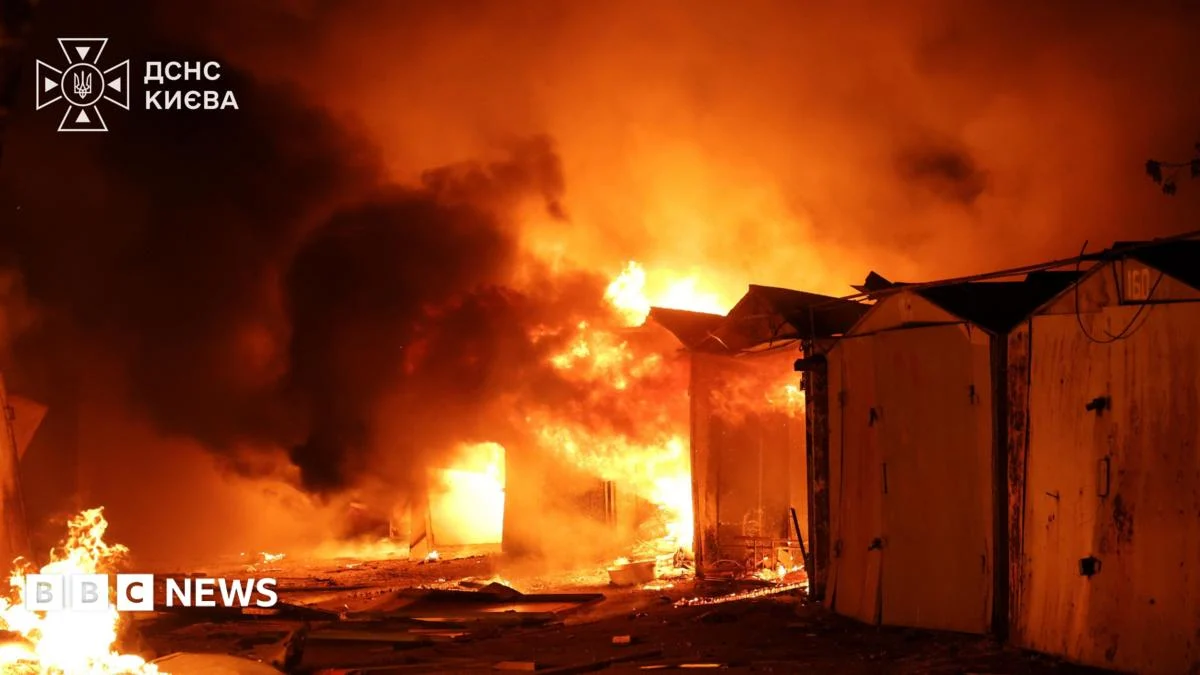
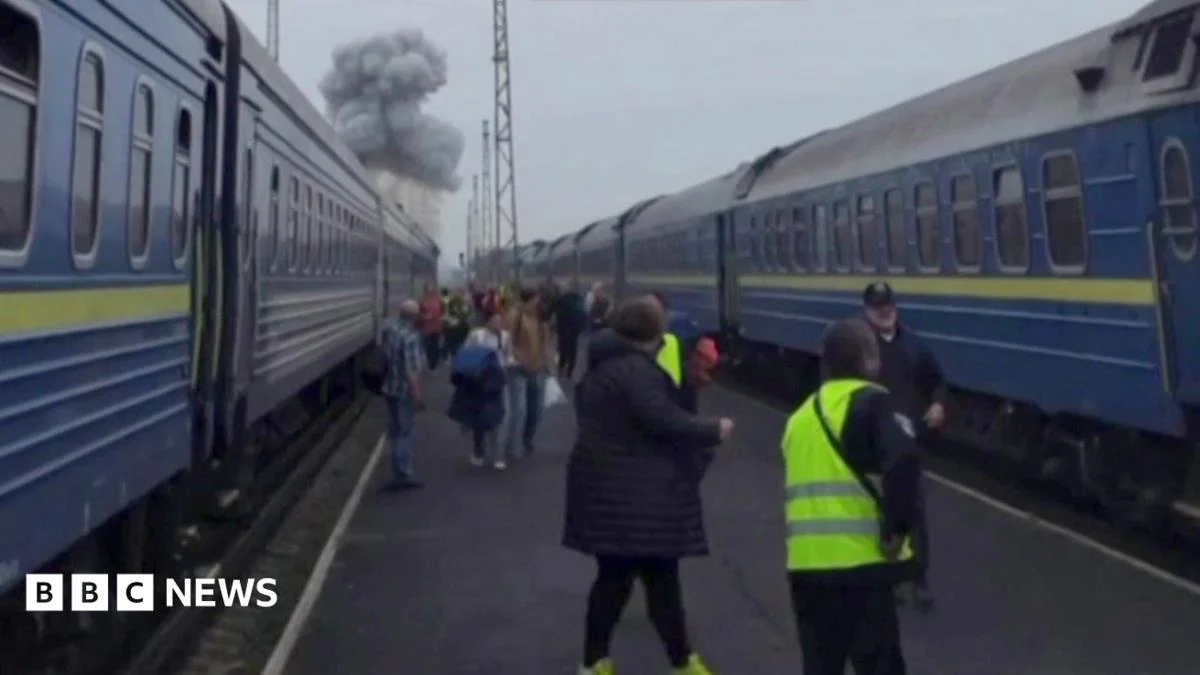
At least three people, including a child, have been killed in overnight Russian attacks near the Ukrainian capital Kyiv, a local official said, marking another grim chapter in the ongoing conflict and underscoring the persistent threat to civilian life even as diplomatic efforts continue elsewhere. In the early hours of Saturday, a barrage of missiles targeted areas east of the capital, unleashing powerful explosions that rattled the region and echoed the devastating strikes that claimed 21 lives across Ukraine just days prior. The targeted ballistic missile strikes, according to Timur Tkachenko, the head of the regional military administration, resulted in the tragic deaths of three individuals and left another three wounded. The impact of the explosions was further exacerbated by falling debris, which inflicted damage on apartment buildings and vehicles, while a separate building was engulfed in flames, adding to the chaos and destruction.
The immediate aftermath saw emergency crews bravely battling the infernos. Mayor Vitaly Klitchko reported on Telegram that firefighters were actively engaged in combating fires at a building and a fuel tank within Kyiv, highlighting the widespread nature of the damage. The State Emergency Service of Ukraine (DSNS) provided a stark visual testament to the devastation through photos shared on social media, depicting garages, a business, and a residential building consumed by fire in Kyiv. The DSNS stated that the exact number of victims was still being clarified, a grim indication that the casualty count might rise.
These brutal attacks unfold against a backdrop of heightened diplomatic activity. President Volodymyr Zelensky has embarked on his first visit to the Serbian capital, Belgrade, a move signaling Ukraine’s continued efforts to forge broader international support. During his visit, Zelensky is scheduled to engage in crucial discussions with Serbian President Aleksandar Vučić, focusing on a range of critical issues including economic ties, pressing security concerns, and Ukraine’s aspirations for closer relations with the European Union. This diplomatic outreach comes as Zelensky actively seeks to galvanize global solidarity and secure more robust assistance for Ukraine’s defense and reconstruction efforts.
However, the path to achieving widespread support is fraught with complexities, particularly in the context of Serbia’s geopolitical stance. President Vučić has notably refused to implement sanctions against Russia, a decision that complicates Ukraine’s efforts to isolate Moscow economically and politically. While Serbia has expressed its commitment to joining the European Union and has provided humanitarian aid to Ukraine, along with promises to contribute to its post-war reconstruction, its reluctance to align with Western sanctions on Russia presents a significant challenge. This divergence in policy underscores the intricate geopolitical landscape that Ukraine must navigate as it seeks to bolster its international standing and secure the resources necessary for its survival and eventual recovery.
President Zelensky has been an outspoken critic of what he perceives as insufficient support from international partners, particularly regarding the timely delivery of anti-ballistic missile systems. Earlier in the week, he articulated that delays in receiving these crucial defensive assets have directly led to "horrific casualties and destruction." He emphasized that a more robust interceptor capability would have "saved lives" during recent deadly assaults, pointing to a critical gap in Ukraine’s defense infrastructure. This sentiment was further reinforced when Zelensky later disclosed that the supply of interceptors from allies had seen a "significant reduction" this year, a statement that carries profound implications for Ukraine’s ability to protect its cities and citizens from aerial attacks.
The recent escalations in violence are also intertwined with strategic actions taken by Ukraine. Earlier in the week, Ukraine successfully targeted two oil refineries deep inside Russian territory, as well as Moscow-linked vessels in the Black Sea. Zelensky stated that these operations were aimed at curtailing oil revenues that Russia uses to "finance" its war in Ukraine. These actions represent a strategic attempt by Ukraine to cripple Russia’s economic capacity to sustain its military aggression, highlighting the multifaceted nature of the conflict, which encompasses both direct military engagement and economic warfare.
The ongoing cycle of attacks and counter-attacks underscores the breakdown of recent mediation talks, a development that has unfortunately led to an intensification of hostilities between both sides. The lack of a diplomatic resolution has created a volatile environment where civilian populations bear the brunt of the conflict. The tragic loss of life, including that of a child, in the latest strikes near Kyiv serves as a stark reminder of the devastating human cost of this protracted war and the urgent need for a cessation of hostilities and a sustainable peace process. The international community continues to watch with concern as the conflict grinds on, impacting not only Ukraine but also the broader global security and economic landscape. The resilience of the Ukrainian people in the face of such relentless aggression remains a testament to their determination to defend their sovereignty and territorial integrity, even as they grapple with the immense challenges and profound grief that this war has inflicted upon them. The international community’s role in providing sustained support, both humanitarian and military, remains critical in helping Ukraine weather this storm and ultimately rebuild its nation.


 Nakalama John
 Ramos Leo
 Nana Banana