
 Nakalama John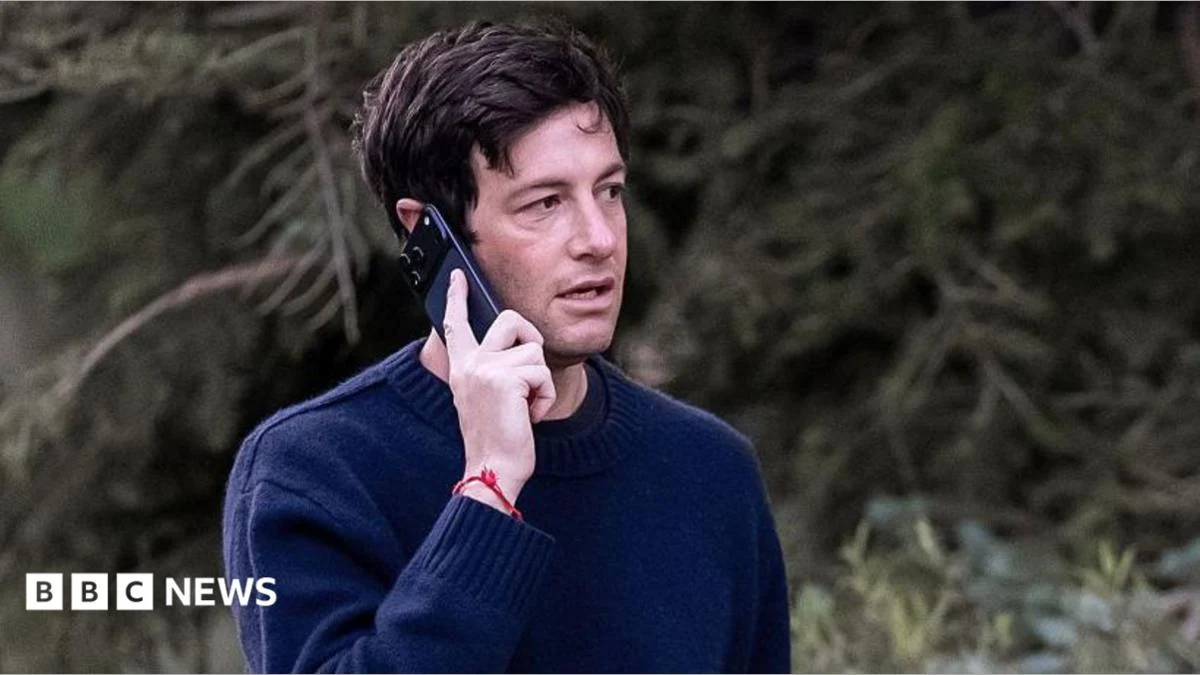
Fifa recently found itself in the unenviable position of being forced to abandon a highly controversial proposal to sell off a significant minority stake in its flagship tournament, the World Cup. This dramatic U-turn came in response to fierce and widespread opposition from confederations, national football associations, and fan groups alike, with threats of future boycotts looming large and even explicit calls for the resignation of Fifa president Gianni Infantino. The intensity of the backlash underscored deep-seated concerns about the commercialization of the sport’s most treasured asset and the potential erosion of its governance. Yet, the central question remains: why did a sophisticated group of tech investors, primarily focused on cutting-edge artificial intelligence, see such immense value in the World Cup, and are similar, perhaps even more audacious, proposals for private equity involvement in global sport truly inevitable?
At the heart of this intriguing pursuit was Thrive Eternal, a newly formed investment arm spun off from the prominent venture capital firm Thrive Capital. In an era where the rapid advancement of artificial intelligence threatens to profoundly reshape – and even upend – traditional forms of human recreation and entertainment, executives at Thrive Eternal identified a unique opportunity. They envisioned leading a consortium of investors to inject substantial capital into the planet’s biggest sporting competition, the Fifa World Cup. This strategic move was not merely about quick financial returns; it represented the latest manifestation of a novel investment philosophy from the firm, one predicated on the conviction that live, human-centric sport would not only withstand the impending AI revolution but would, in fact, significantly appreciate in value as other sectors become increasingly automated.
Thrive Capital, the parent entity, is co-founded and run by Joshua Kushner, a figure whose public profile is enhanced by his familial connection as the brother of Jared Kushner, former US President Donald Trump’s son-in-law and adviser. Based in New York City, Thrive Capital has built its reputation and fortune primarily through shrewd investments in technology companies at the forefront of artificial intelligence development, notably becoming a major financial backer of OpenAI, the creator of ChatGPT. However, in April of this year, a strategic pivot saw the creation of Thrive Eternal. This new investment vehicle was explicitly designed to channel capital into areas possessing "qualities that cannot be replicated by technology." Within this distinctive framework, sport emerged as a central pillar, and consequently, football – specifically securing a minority stake in the World Cup under Fifa’s proposed Forward Enterprise (FFE) – became an irresistible opportunity.
The core thesis driving Thrive Eternal’s interest in football posits that the sport’s intrinsic tradition, profound cultural significance, and powerful identity aspects will serve as an impenetrable shield against disruption by AI. This view stands in stark contrast to other forms of entertainment, such as the film and music industries, where generative AI is already demonstrating capabilities that are beginning to replace human creative input across various stages of production and consumption. For Thrive Eternal, the communal experience, unpredictable drama, and deep emotional connection inherent in live sporting events, particularly football, represent an enduring human need that AI simply cannot replicate or diminish. These elements, they believe, are what will make sports like football not just survive, but thrive, in an AI-dominated future.
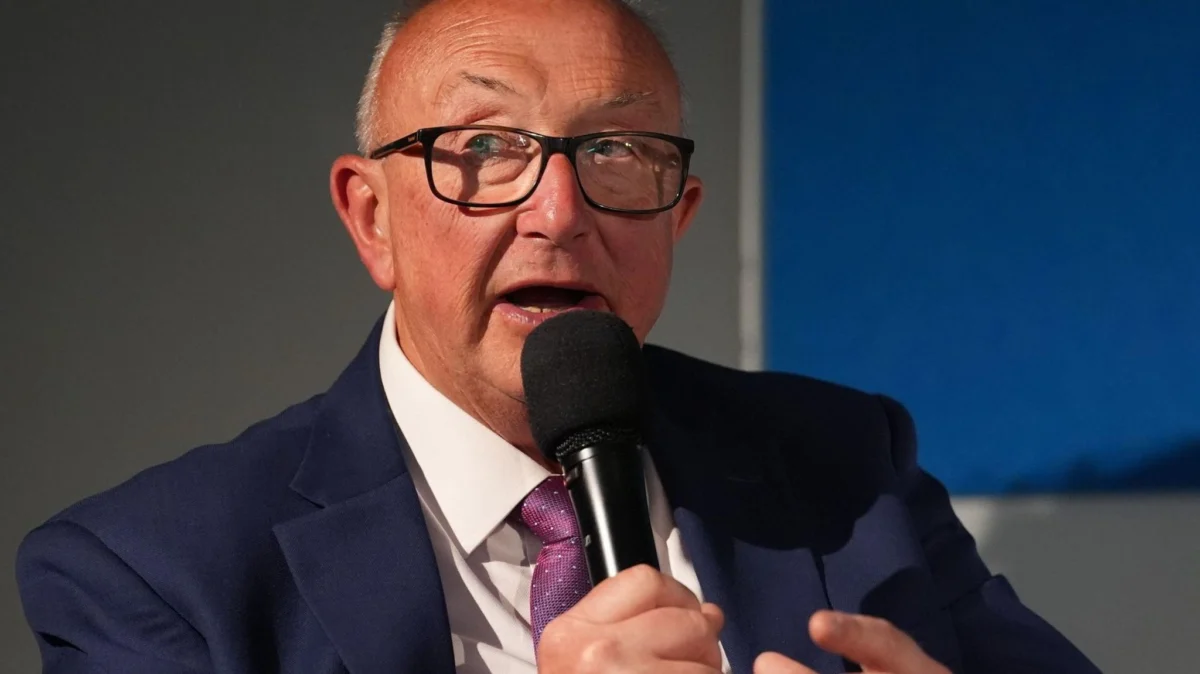
Professor Simon Chadwick, a veteran with three decades of experience in the global sports industry, having advised fan groups, football clubs, and governing bodies including Fifa and Uefa, offered a critical perspective on this burgeoning trend. He observed that the escalating interest from investment firms and the broader commercialization of sport meant that an increasing number of pivotal decisions regarding football and its fans were now being made far from the pitches and terraces – specifically, "in Wall Street and Silicon Valley." Chadwick articulated a sense of unease, suggesting that this shift had "crept up on us" and that "a lot of people haven’t really thought about what’s happening." While acknowledging the complex governance questions it raised for Fifa, he pragmatically added: "Whether people like it or not, private equity investment in sport is happening." His insights underscore the growing tension between the sport’s traditional custodians and the powerful financial forces increasingly shaping its future.
Despite the highly visible commercialization already evident, particularly with the upcoming 2026 World Cup set to be hosted across the US, Canada, and Mexico, the BBC understood that initial discussions surrounding the FFE proposal involving Thrive Eternal had commenced as early as last year. To bolster their strategic capabilities, Thrive brought in high-profile commercial advisors, including Greg Maffei, the former CEO of Liberty Media, renowned for his instrumental role in acquiring the commercial rights for Formula 1 and transforming its global appeal. Additionally, Thrive enlisted the expertise of former Disney chief executive Bob Iger, whose extensive background in media, entertainment, and global brand management offered invaluable strategic counsel. These appointments signaled the serious intent and sophisticated approach Thrive Eternal was bringing to its ambitions in the sports investment landscape.
Thrive Eternal’s investment strategy extends beyond football. As part of its formal launch, the firm announced a significant agreement to acquire a substantial stake in the iconic San Francisco Giants baseball team, a testament to its belief in the enduring value of established sports franchises. Furthermore, there have been credible reports suggesting the firm is actively exploring a bid for a new NBA franchise, potentially in Las Vegas. The company’s website articulates its investment philosophy clearly, stating that such "iconic franchises and cultural institutions rooted in tradition, identity, and shared experience" are not merely expected to survive the AI revolution but are predicted to "matter even more" in the years to come. This consistent approach across different sports underscores a unified vision for a future where live, community-driven experiences retain, and even increase, their allure.
While Joshua Kushner and Thrive Eternal have maintained a strategic silence regarding the specific Fifa investment plan and its subsequent, dramatic fallout, a source intimately familiar with the firm’s strategy offered some crucial insights to the BBC. The source emphasized that the plan, which would have necessitated the approval of Fifa’s numerous member associations, was fundamentally different from a "typical investment fund looking for a speedy return on investment." Investors, who were prepared to commit an initial sum of $4.2 billion (approximately £3.1 billion), were reportedly doing so with an exceptionally long-term horizon, expecting no return for "a long period of time – decades." This extended timeline was facilitated by Thrive Eternal’s structure as a holding company, allowing for patient capital deployment.
The source further highlighted that, had the FFE proposal been activated, it would have allocated each of Fifa’s 211 member associations a stake potentially worth as much as $91 million, based on the World Cup’s proposed $20 billion valuation. Crucially, the source stressed that this equity would have remained under the control of Fifa, not the investors, and any decision to sell part of that equity would have rested solely with individual member associations. The underlying rationale for seeking external investment, according to the source, was to "channel more resources upfront to countries that wouldn’t typically get access to outside funding – so they could invest in things like stadiums and training to be able to develop their game domestically." This narrative presented the FFE as a mechanism for global football development, particularly benefiting nations with less financial clout.
Fifa, for its part, framed the aim of the FFE as an attempt "to separate the business of football from the governance of the sport." This mirrors, in some ways, the evolution seen in England, where the business of football has experienced an explosive growth trajectory since the establishment of the Premier League in the early 1990s. The financial intricacies, colossal transfer deals, and incessant boardroom gossip have, for many fans, become as compelling and popular a topic of conversation as the action unfolding on the pitch itself. The influx of US investment into football is certainly not a novel phenomenon; the amount of American capital flowing into English and other major European clubs has been steadily increasing for over two decades, a trend notably accelerated since the Glazer family’s controversial takeover of Manchester United in 2005.
However, many observers and critics questioned whether Fifa – and by extension, the World Cup – truly needed this particular cash injection. Fifa has repeatedly asserted that the World Cup is "under-monetised," implying that its commercial potential is not being fully realized. Yet, this claim stands in stark contrast to the tournament’s undeniable financial success. Innovations such as hydration break advertisements, dynamic ticket pricing models, and record-breaking broadcast and sponsorship rights deals have already positioned the expanded 2026 edition of the World Cup to generate unprecedented revenues. The strategic expansion to a 48-team tournament, with the tantalizing prospect of an even larger 64-team competition in the future, offers a clear roadmap for further commercial opportunities. More participating countries inevitably translate into more viewers, which in turn equals more money, seemingly negating the need for external equity investment.
Christina Philippou, an associate professor in accounting and sport finance at the University of Portsmouth, critically assessed Fifa’s approach. She noted that seeking outward investment is a strategy commonly adopted by other sports or individual football clubs when facing significant cash flow problems. However, Philippou argued that "Fifa are not in a position where they are desperate for money. In fact, they could very easily, with the money they already have, increase those payouts to the member associations. So there is no need to go external." Her analysis directly challenged Fifa’s justification, suggesting that the governing body possessed sufficient internal resources to achieve its stated goals of supporting member associations without relinquishing a stake in its most valuable asset.
While Thrive Eternal is understood to respect Fifa’s ultimate decision to withdraw the FFE proposal, it is abundantly clear that the broader interest in football as an investment opportunity, whether from this specific group or other private equity firms, remains undiminished. The episode highlights a fundamental and ongoing tension within global sport: the delicate balance between preserving the integrity and cultural heritage of the game, and the relentless drive for greater commercialization and monetization. As technology continues its rapid march, posing existential questions for many industries, the allure of "AI-proof" assets like live sport will likely only intensify. The recent World Cup proposal may have been shelved, but it serves as a powerful harbinger of future battles over who controls, and who profits from, the world’s most popular pastime. The question is not if private investment will seek new avenues into football, but when, and under what terms will the sport’s guardians choose to engage.


 atisusanti
 Nana Banana
 George Anjay
 Ramos Leo