Nana Banana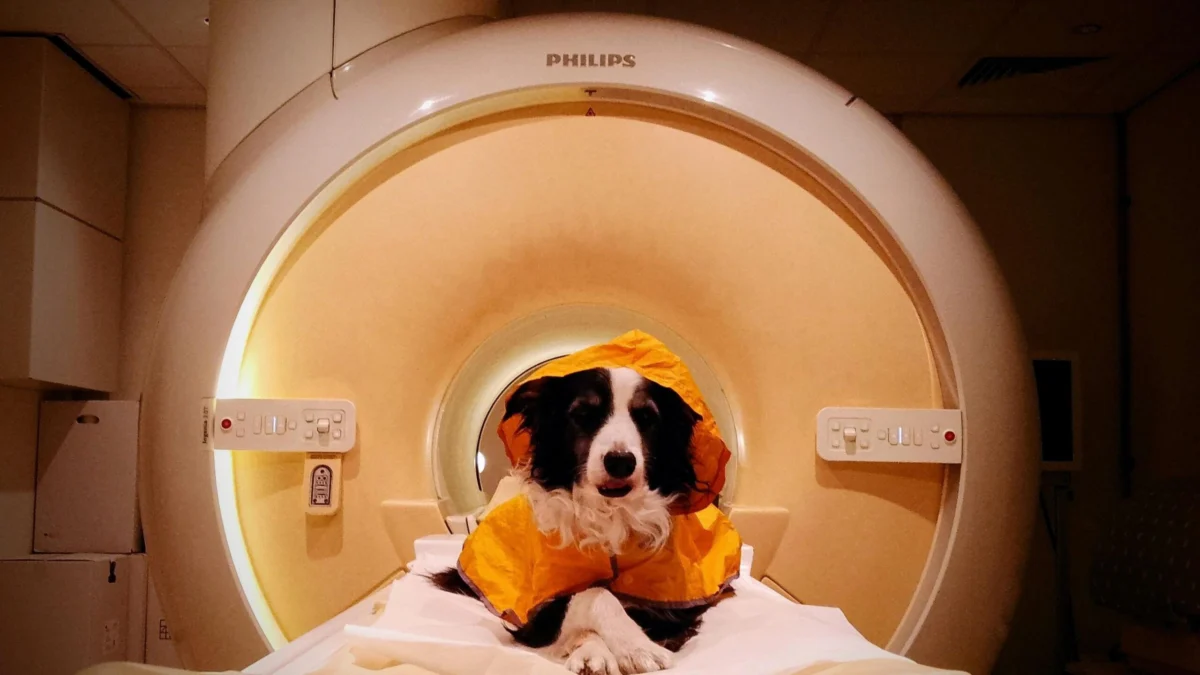
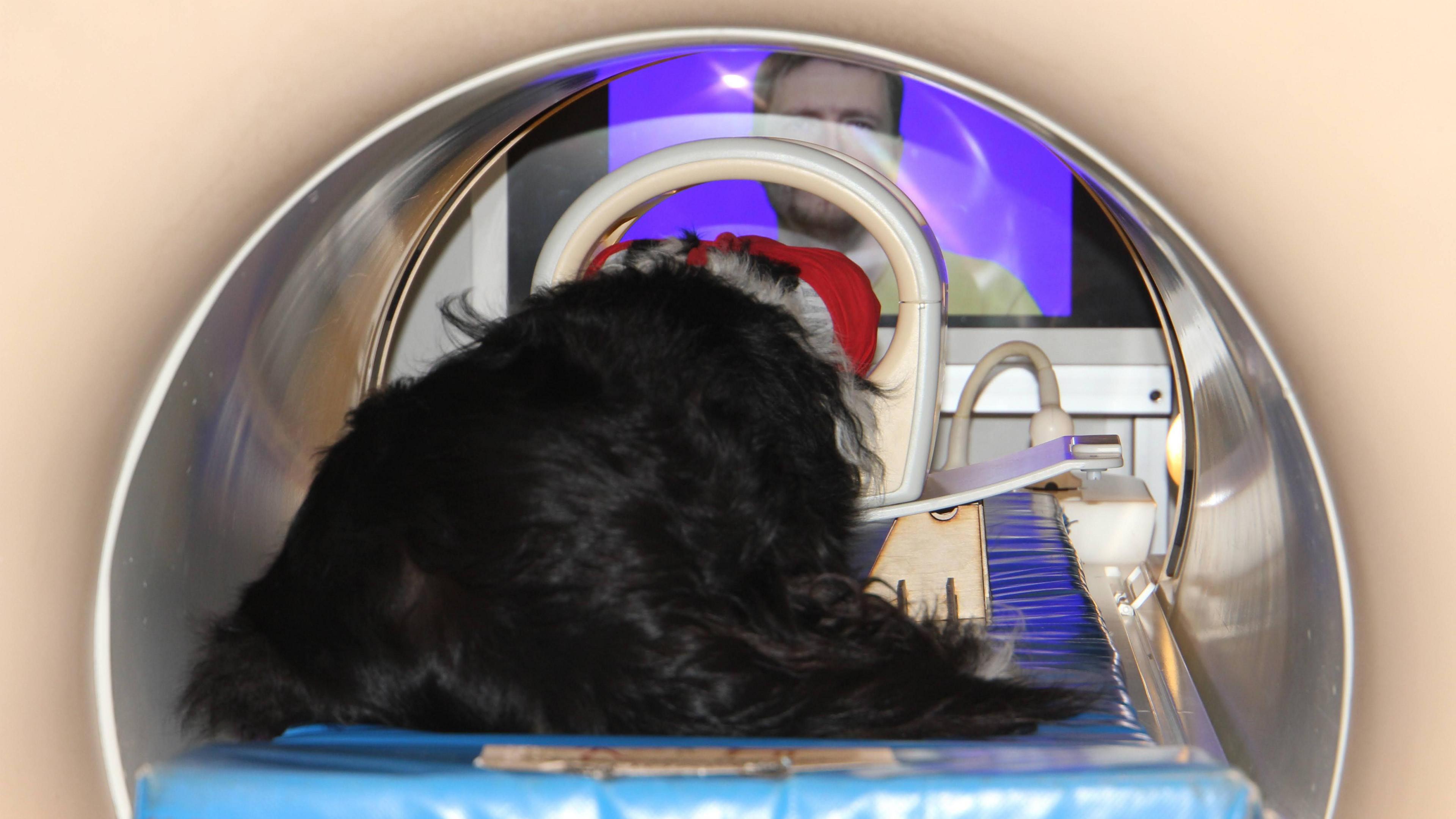
The study, a significant step forward in canine cognition, involved a cohort of 14 highly cooperative dogs. Each participant underwent functional magnetic resonance imaging (fMRI) scans, a sophisticated neuroimaging technique that measures brain activity by detecting changes associated with blood flow. For the study, these dogs were trained through positive reinforcement to sit remarkably still within the fMRI scanner while being presented with a series of digital images displaying human faces. The images varied in emotional expression, showcasing faces that were happy and smiling, as well as those depicting anger, fear, and sadness.
A pivotal discovery emerged when the dogs were shown photographs of happy, smiling human faces. In response, a specific region of the canine brain, intimately linked with reward processing, exhibited a pronounced increase in activity – it literally "lit up" on the fMRI scans. This neural activation signifies a robust positive response within the brain’s reward circuitry, a complex system responsible for processing motivation, pleasure, and learning. In humans, this same reward pathway is famously associated with the release of dopamine, often dubbed the "dopamine hit," triggered by experiences such as achieving a goal, enjoying a delicious meal, or receiving positive feedback on social media. For dogs, this finding suggests that a human smile carries an intrinsic positive value, akin to a cherished treat or the comforting presence of a familiar person.
Previous research in canine neuroscience has consistently demonstrated that this very same brain region activates when dogs anticipate highly desirable outcomes, such as an upcoming tasty snack or the distinctive scent of their beloved human. Laura Cuaya, one of the lead researchers from the University of Vienna, articulated the significance of this finding: "It controls us having motivation to do things – wanting to do things. So this finding suggests that happy faces, even those of strangers, have a positive value for dogs." This implies that a smiling face isn’t just a neutral visual input; it’s a signal that dogs interpret as inherently good and potentially rewarding.
Cuaya and her co-researcher, Raúl Hernández-Pérez, extended their investigation to observe how dogs responded to other human emotions. While the reward circuitry showed a clear preference for happy faces, it did not exhibit the same differential activation for negative emotions. Dogs could distinguish between positive emotions and all other expressions, but they appeared to group various negative emotions—anger, fear, and sadness—together without fine-grained differentiation. Hernández-Pérez elaborated, "Dogs can distinguish between positive emotions and all the others, but they don’t seem to be able to distinguish between the different negative emotions." This fascinating insight suggests that while dogs are acutely sensitive to positive human signals, their processing of negative emotional cues might be less nuanced, perhaps serving as a general warning signal rather than specific emotional identification. This could be an evolutionary adaptation, where a broad understanding of negative human states is sufficient for avoidance or appeasement, while positive signals are crucial for reinforcing beneficial interactions.
Laura Cuaya and Raúl Hernández-Pérez are not just research colleagues but also partners in life, forming what could be described as a canine-cognition power couple. Their journey began in secondary school in Mexico, leading them to collaborate on numerous research endeavors that have progressively unveiled the intricate ways dogs interpret and react to human language and behavior. Their work has provided invaluable insights into the neurological underpinnings of the extraordinary relationship between humans and their domesticated companions.
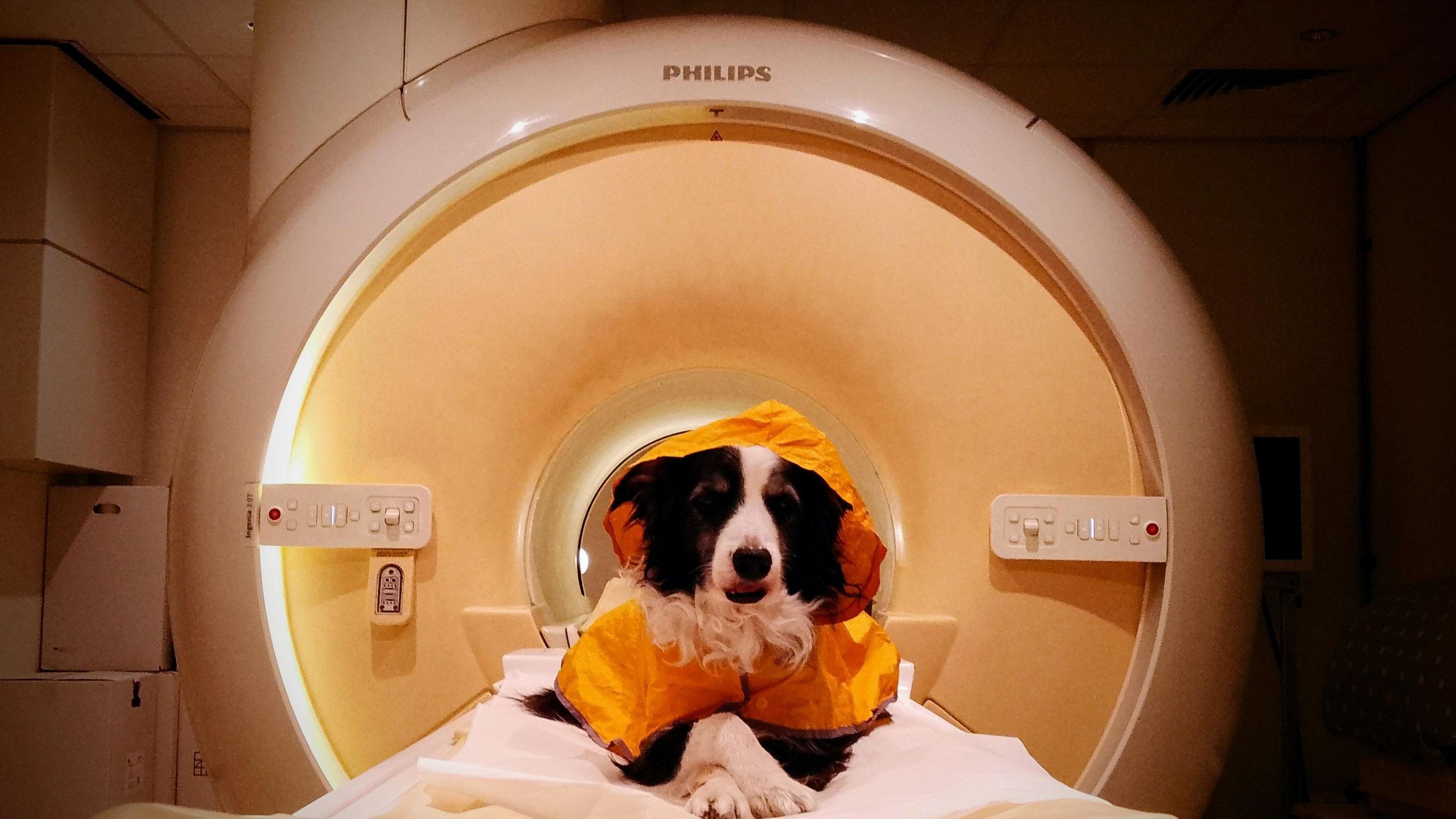
The couple’s own border collies, Odín and Kun-kun, are seasoned participants in their scientific explorations, including this latest fMRI study. Their comfort and cooperation within the scanner are testament to the gentle and patient training methods employed by the researchers. Beyond their own pets, Cuaya and Hernández-Pérez expanded their study by recruiting other canine volunteers. Their method involved a rather charming approach: politely engaging with dog owners they encountered in local dog parks. "If we saw someone with a dog that was the right size [for the scanner] – and looked calm and like it was well trained, we’d ask if they would be interested in helping," Hernández-Pérez recounted, highlighting the importance of temperament and training for successful participation in such demanding scientific procedures.
From a neuroscientific perspective, Cuaya emphasizes that "the dog’s brain is quite fascinating." She points out their remarkable aptitude for understanding human emotions, particularly given that humans are a species entirely distinct from them. This research is meticulously piecing together the puzzle of how thousands of years of shared existence with humans have profoundly shaped and molded dogs’ brain circuitry, leading to this unparalleled interspecies communication.
Comparing human cognitive abilities with other primates often involves tracing back to common ancestors and shared evolutionary paths. However, with dogs, the narrative is entirely different. They embarked on a vastly divergent evolutionary trajectory, yet through the process of domestication, they developed an astonishing array of social abilities specifically tailored to comprehend and collaborate with humans. This co-evolutionary process likely involved a strong selection pressure for individuals more attuned to human cues, leading to changes in brain regions associated with social cognition and reward processing. Over generations, dogs that were better at interpreting human signals, including facial expressions, would have been more successful at living alongside humans, securing food, shelter, and protection, thus passing on these advantageous traits. This phenomenon highlights domestication not merely as a change in physical traits but as a profound rewiring of social intelligence.
Cuaya and Hernández-Pérez are optimistic that their findings will not only advance scientific understanding but also empower people to communicate more effectively and meaningfully with their cherished canine companions. The implications are clear and deeply heartwarming: "We can reward our dogs with treats, but also reward them with happiness," Cuaya stated. This powerful insight transforms our understanding of interaction. It suggests that a genuine smile from a human is not just a pleasant gesture but a potent positive reinforcement for a dog, activating the same reward pathways as a physical treat. Therefore, the simple act of smiling becomes a valuable tool for building trust, fostering positive emotional states, and strengthening the bond between humans and dogs. The researchers conclude with a compelling, yet simple, recommendation: "So we should smile at the dogs – even at random dogs in the street." This gentle encouragement underscores the profound impact our facial expressions can have on our canine friends, transforming every interaction into an opportunity for positive connection.
This significant study, shedding new light on the intricate neurobiology of human-dog interaction, was published in the esteemed scientific journal iScience. It serves as a powerful reminder of the deep, reciprocal relationship we share with dogs, a bond continually being revealed through the lens of scientific inquiry.




 George Anjay
 Nakalama John
 atisusanti
 Ramos Leo