
 Nakalama John
Starting this September, schools across England will be required to cap the number of items featuring a school logo to just three – typically a blazer, jumper, or sportswear, along with a tie for secondary school pupils. This change follows widespread calls for greater affordability and a push to reduce the reliance on expensive, branded attire often available only from a limited number of suppliers. While the government projects these changes could save families "up to £50 per child," Zia Lee, a representative from Clothing Coventry, firmly believes that this saving is insufficient and that the legislation needs to be more robust. "To have three compulsory logo items, I mean you’re still looking at a lot of money, you know, one to two hundred pounds for one child," Lee explains, highlighting the substantial financial outlay still required even under the new regulations. This figure can escalate dramatically for families with multiple children, turning the annual uniform shop into a significant financial hurdle.
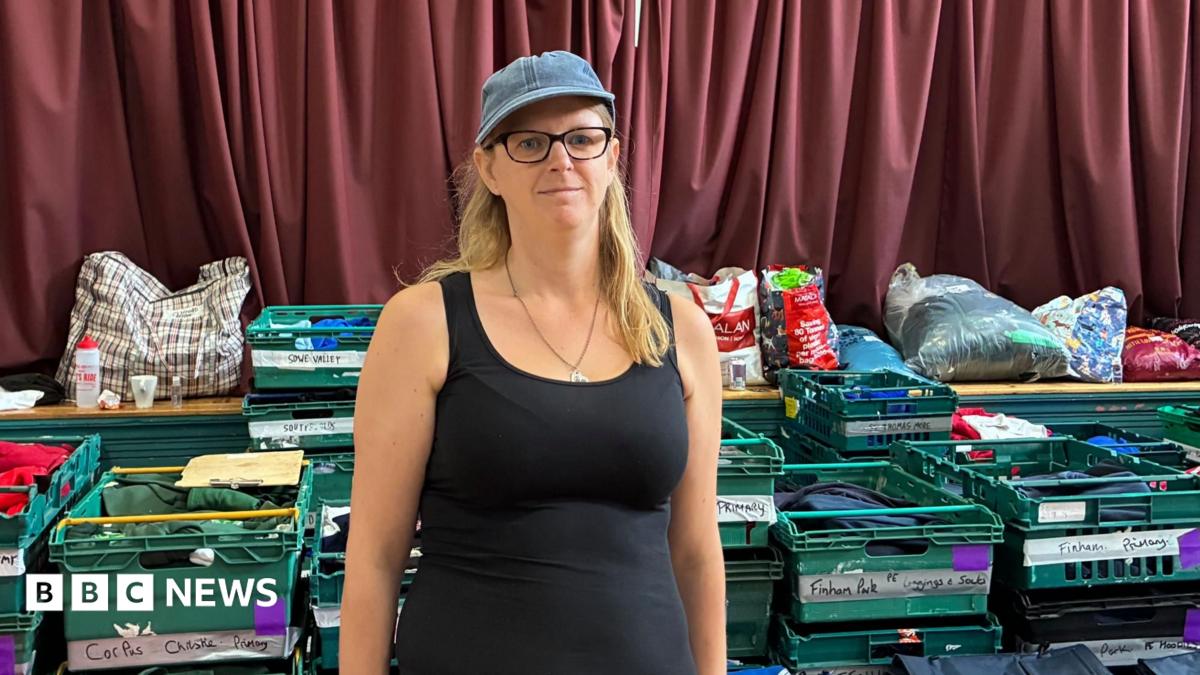
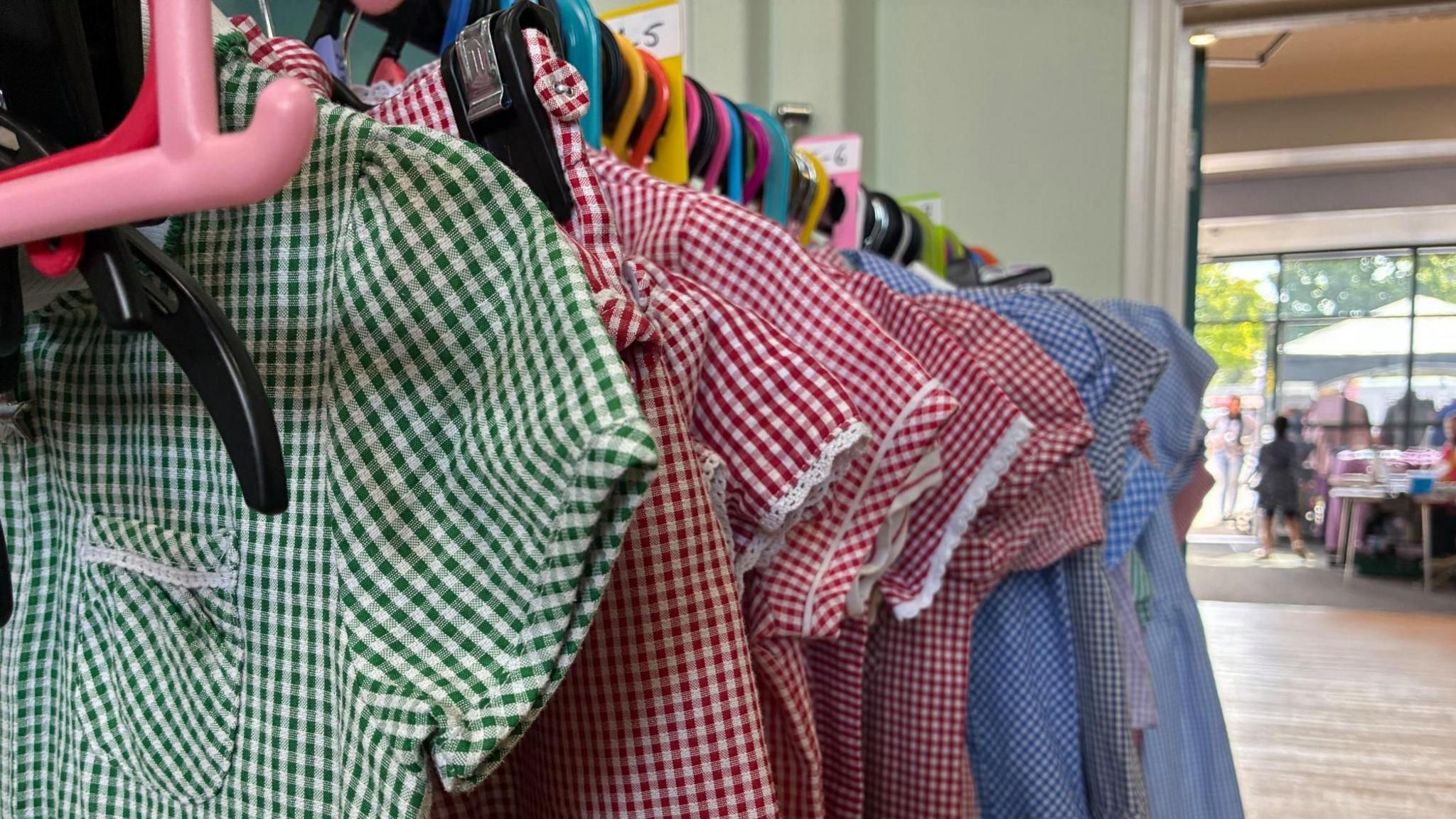
The launch of Clothing Coventry’s pop-up comes at a critical time, as families across the city prepare for the new school year amidst a cost-of-living crisis. Parents are increasingly vocal about the prohibitive costs, with many reporting spending hundreds of pounds per child on uniforms alone, excluding other essential school supplies like shoes, bags, and stationery. The charity’s uniform bank, which runs every summer, has become an indispensable resource, providing a sustainable and affordable alternative to purchasing brand-new items. Carefully sorted and often nearly new, the donated uniforms offer a lifeline to those struggling to meet school requirements.
Eniole Okwuosa, a mother of three, vividly illustrates the challenges faced by many. She estimates that secondary school uniforms for her children typically exceed £200, with blazers alone costing between £40 and £45. "Two of my girls, the schools they do go to, their clothes have to be logoed, the blazer and the jumpers. So, they can’t really wear the regular ones," she shares, underscoring how specific school policies can restrict families’ choices and drive up expenses. While she acknowledges the new limits on logoed items as a positive step, her optimism is guarded: "It’s a brilliant idea if it works," she adds, reflecting a cautious hope that the regulations will genuinely translate into tangible savings for families like hers.
According to recent government data, approximately 23% of secondary schools will be compelled to revise their uniform lists to align with the new rules by September. This statistic reveals the extent to which schools previously imposed extensive branded uniform requirements. However, the changes have also introduced a degree of uncertainty for schoolwear suppliers, who now face fluctuating demand for logoed items. Concerns have also been raised by the Schoolwear Association, which posits that reducing the number of branded items might inadvertently lead parents to purchase lower-quality, generic garments that may not offer the same durability as their branded counterparts, potentially leading to more frequent replacements and, ironically, increased long-term spending. Conversely, the Association of School and College Leaders, a head teachers’ union, suggests that the actual difference in cost for most families might only be marginal. This divergence of opinions highlights the complexity of balancing affordability with quality and school identity.
The financial pressure extends beyond existing pupils to those just starting their educational journey. Angelica Jaros, who is preparing her son for reception and her daughter for Year 2, faces the daunting prospect of purchasing uniforms for two children simultaneously. She estimates the total cost could easily reach £300 per child, a figure that includes not only uniforms but also the associated pressure to buy new clothes, bags, and shoes. "Because you remember when you were a child, you wanted to go to school with brand new things, you want the same thing for your kids as well," Jaros explains, articulating the emotional and social dimensions that often compel parents to stretch their budgets. This desire for children to fit in and feel confident in new attire adds another layer of financial strain, particularly when combined with mandatory branded items.
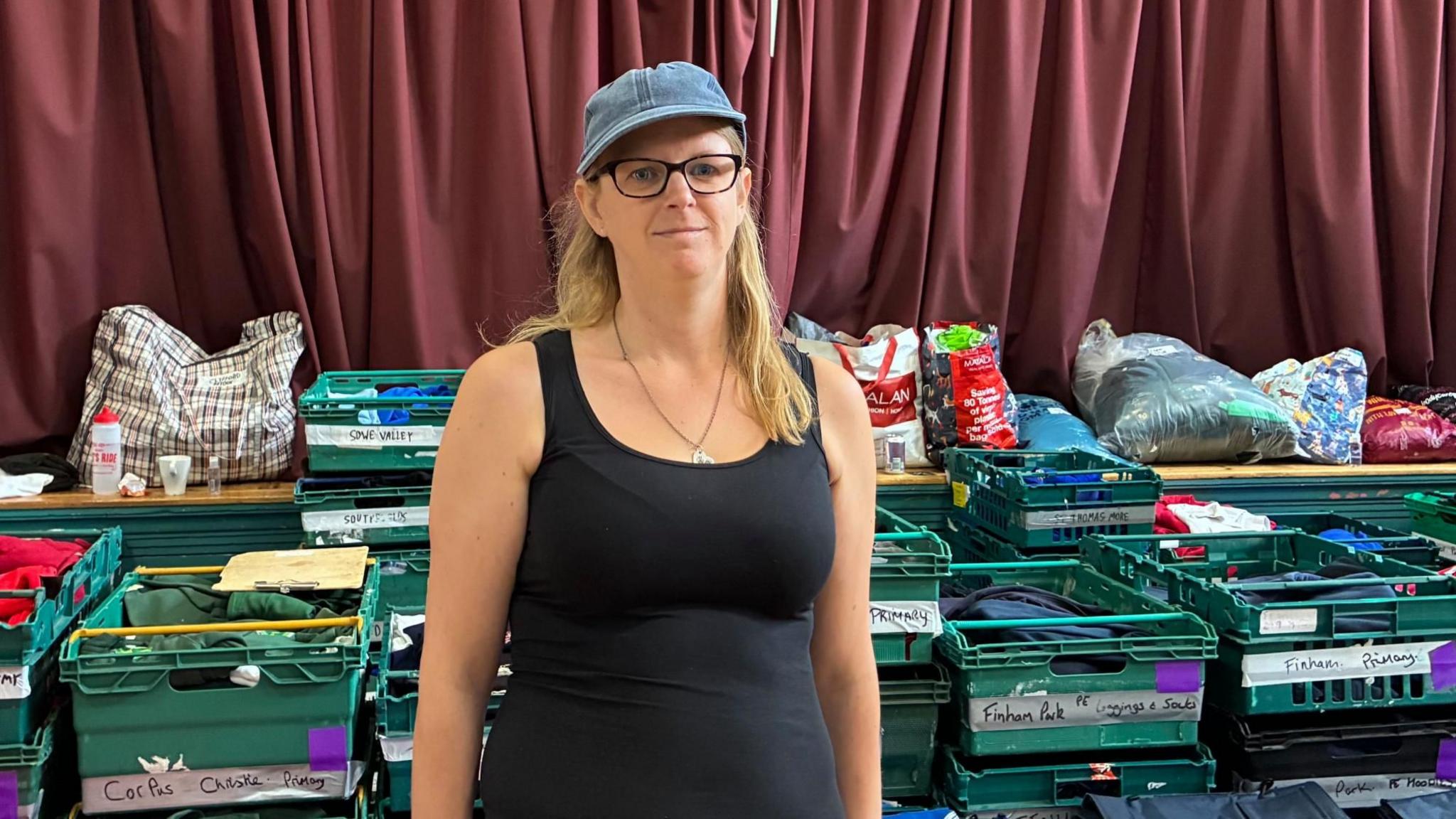
The invaluable work of Clothing Coventry is powered by dedicated volunteers who understand the importance of community support. Meme Horner, 21, volunteers at the charity, motivated by her own childhood experiences. "As a child I got hand-me-downs, my mum got quite a lot of help, so it’s kind of like just giving back to the community in a way, I feel good doing it," she reflects. Meme also echoes Zia Lee’s concerns about the new uniform rules, arguing that three branded items are still excessive. "The crisis of money nowadays, the inflation has gone up so dramatically, and parents are struggling to do the basic necessities, let alone get children three pairs of logoed clothing for school," she asserts, emphasizing the broader economic context in which these uniform costs are being borne. Her perspective underscores the urgent need for more comprehensive support for families facing unprecedented financial pressures.
Seyedeh Naseriniaki, another dedicated volunteer at the uniform bank, also draws from personal experience. Having been supported by charities in Coventry herself when she first moved to the UK, she now dedicates her time to helping others. She recounts the challenges her family faced with changing uniform requirements: "Last year we had to change twice," she shares. "And going for a specific uniform cost a lot for us. With the help of charities, we had a better chance, but we could choose the newer uniform if it was not logoed." Her testimony highlights how charity support can provide crucial flexibility and choice, enabling families to navigate the often-rigid demands of school uniform policies more effectively. The ability to choose non-logoed items, even if second-hand, would offer significant relief, she contends.
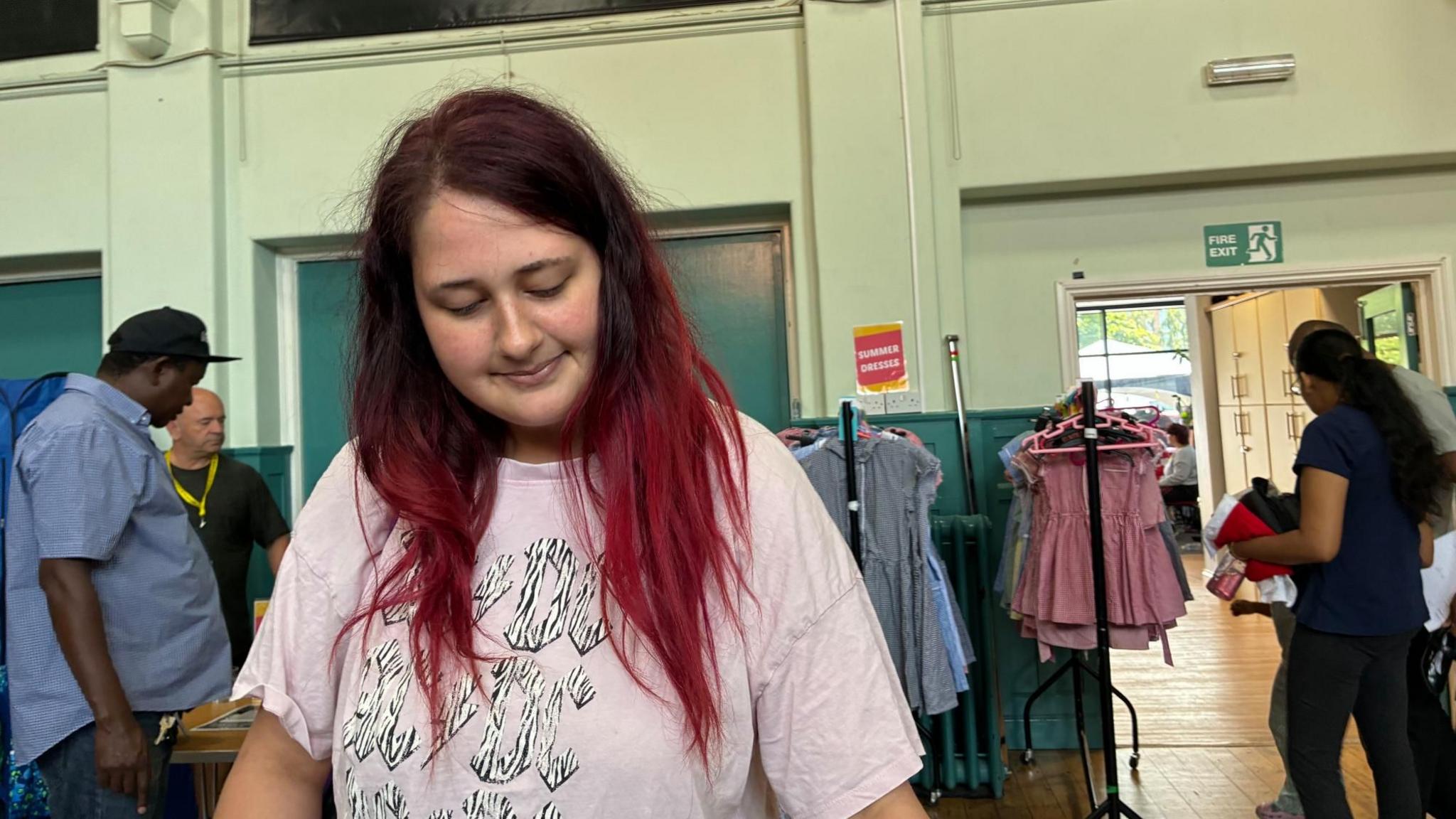
The education secretary possesses legal authority to compel schools to comply with the new uniform regulations. This power is critical to ensuring that the rules are enforced consistently across all educational institutions. However, the charity and many families advocate for a more stringent approach, pushing for policies that further minimise or entirely eliminate the requirement for logoed items, thus promoting greater accessibility and affordability for all. Clothing Coventry’s school uniform pop-up, located in the heart of the community, will remain open by appointment only until August 28th, serving as a beacon of hope and practical assistance for families preparing for the academic year ahead. Beyond providing clothing, such initiatives foster a sense of community resilience and mutual support, reminding families that they are not alone in facing these challenges. The charity also encourages local residents to "Get in touch" and share stories that highlight the ongoing need for such vital services, helping to inform and shape future support efforts within Warwickshire. The enduring presence of charities like Clothing Coventry underscores the persistent demand for equitable access to education, unhindered by financial barriers presented by school uniform costs.




 atisusanti
 Nana Banana
 George Anjay

 Ramos Leo