
 Ramos Leo
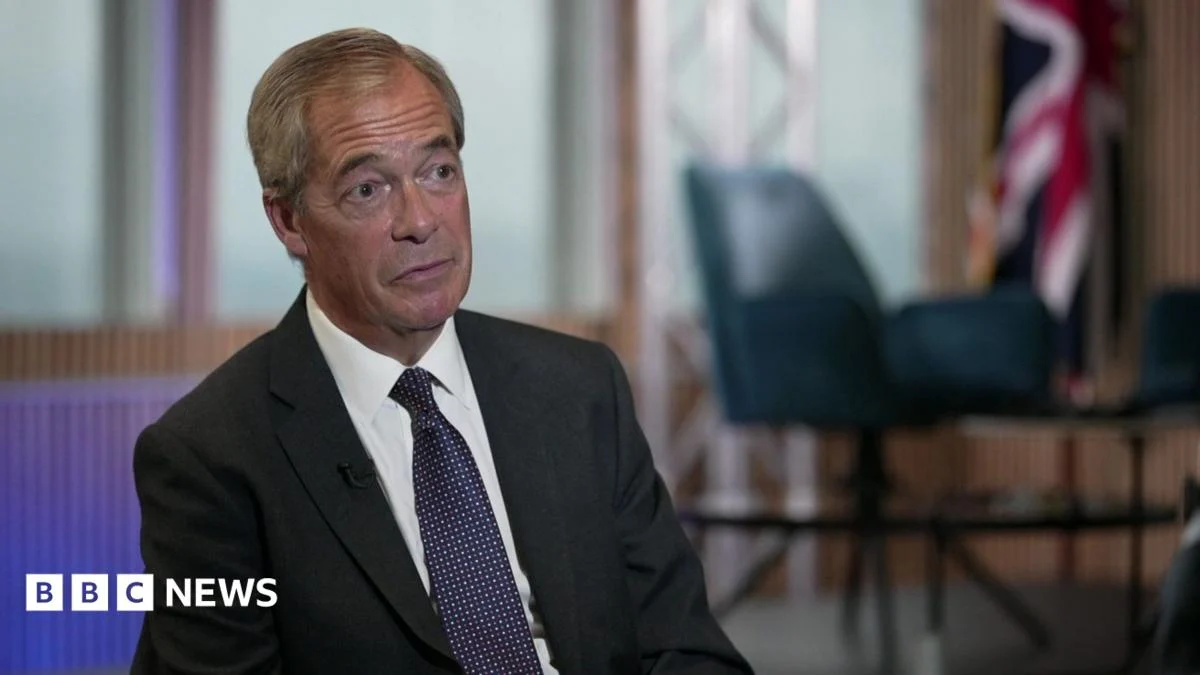
Farage secured a commanding mandate with 22,239 votes in the by-election, which he himself triggered by resigning his seat in July amid a deepening row over his financial affairs. This decisive win saw him significantly outpace his closest challenger, the self-styled intergalactic space warrior Count Binface, who garnered 9,455 votes. The by-election was notable not only for the high number of candidates (34, leading to three-foot-long ballot papers) but also for the unprecedented boycott by the other major British political parties – the Conservatives, Labour, Liberal Democrats, and Greens – who opted not to field candidates against him. Despite this lack of mainstream opposition, Farage’s vote count exceeded his performance in the 2024 general election, where he secured 21,225 votes against a full slate of opponents and a much higher turnout of 58%, compared to Thursday’s 44%.
However, Farage’s return to Parliament is not without immediate challenge. The parliamentary investigation into his conduct, specifically concerning alleged undeclared financial support and benefits, which was the catalyst for his resignation, will now continue. Furthermore, the Metropolitan Police are also conducting an investigation into related matters. This dual scrutiny casts a shadow over what would otherwise be an unblemished victory for the Reform UK leader, adding another layer of complexity to the public’s perception in Clacton.
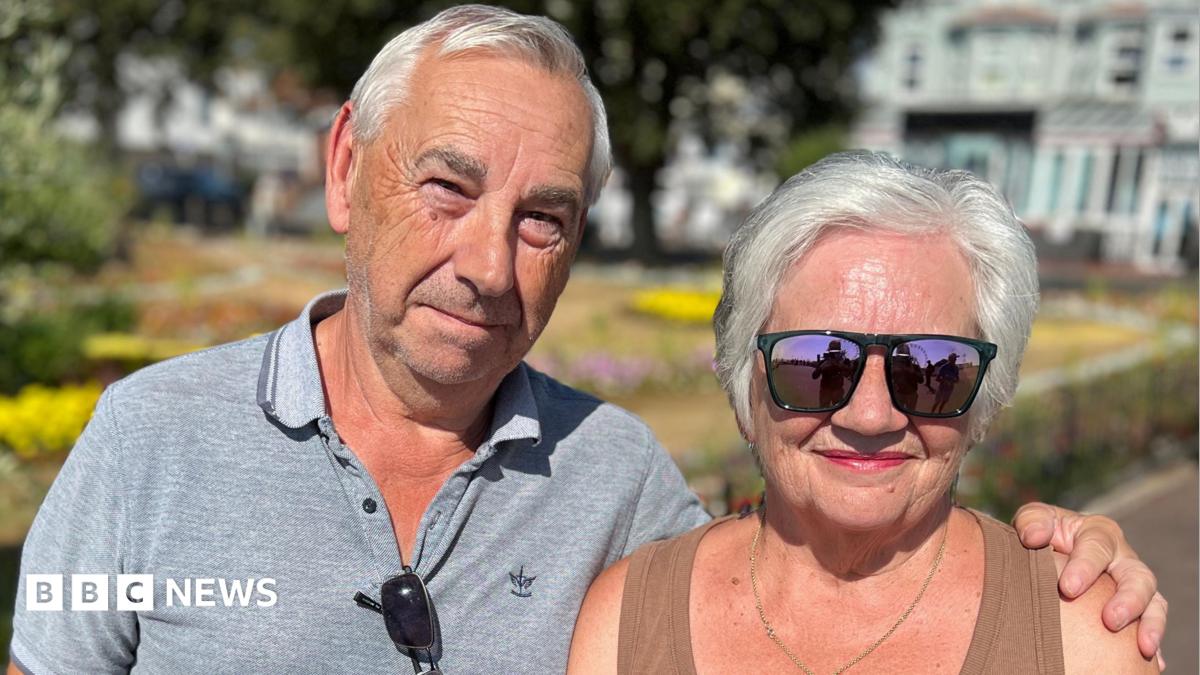
The sentiment on the ground in Clacton-on-Sea is a microcosm of the broader national debate surrounding Farage and the state of British politics.
‘What’s the big deal?’
For some, like Zak Apsey, the by-election was an unnecessary distraction, though he welcomed the outcome. "It was a good result for Nigel," Apsey stated, "but it shouldn’t really have needed to happen." His frustration stems from the parliamentary investigation into Farage’s financial support, which he believes is being overblown. "The investigation into Farage was not a big deal," he insisted, reflecting a common sentiment among his supporters that the political establishment is unfairly targeting their chosen representative. Farage’s decision not to attend the result declaration, with his party citing police advice (which the BBC understands was not the case), also failed to dampen Apsey’s enthusiasm. "I wasn’t disappointed he wasn’t at the count. He was at his event, which is fine," Apsey added, dismissing the controversy. "He was still in the constituency, so what’s the big deal?" This perspective highlights a willingness among many Farage supporters to overlook or downplay controversies, focusing instead on his broader political message and perceived authenticity. For them, the detailed scrutiny of financial declarations feels like a bureaucratic attempt to silence a popular voice.
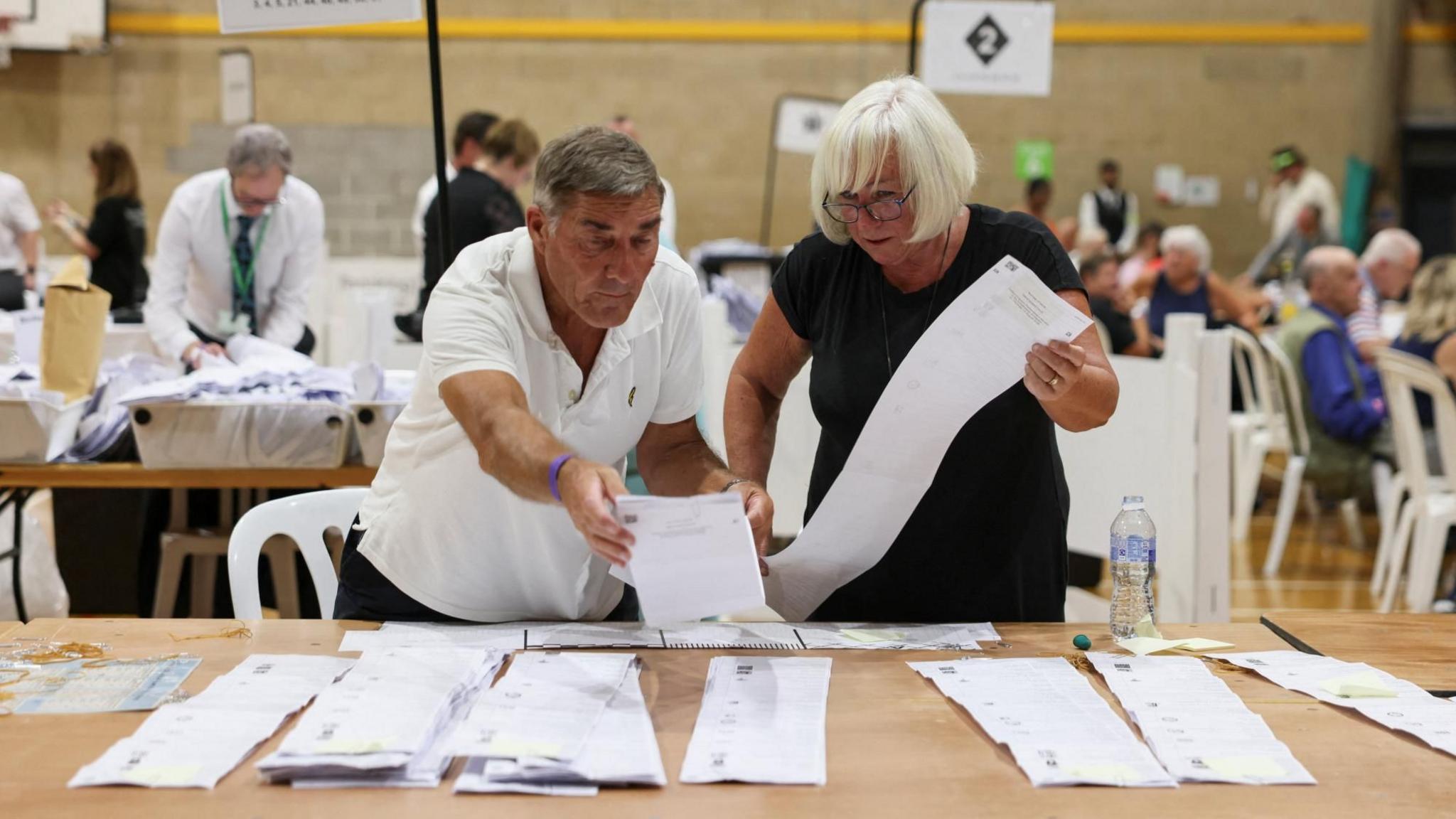
‘Absolutely thrilled’
Jenny Hopkins, who travelled from Gloucestershire to be in Clacton, epitomised the fervent support for Farage. Her delight was palpable: "I was delighted, absolutely thrilled with the result." For Hopkins, the by-election and its surrounding controversies are clear evidence of a political vendetta. "The fuss they’ve made about this so-called donation, gift or whatever it is – I think it is ridiculous," she asserted. "They just want rid of Nigel Farage." Her conviction that the investigations are politically motivated underscores a deep distrust of mainstream institutions and a belief that Farage is a victim of a coordinated attack. Hopkins’ journey from outside the constituency also points to the broader appeal Farage holds, attracting support from across the country from those who see him as a champion for their views. Her confidence that "However many by-elections they have, I think he’ll win" suggests an unwavering loyalty, viewing the Clacton result as a definitive statement from the electorate against the political establishment’s efforts to sideline him. For supporters like Hopkins, Farage embodies a direct, unvarnished challenge to the status quo, and his victory is a win for the people over political elites.
‘He’s never in Clacton’
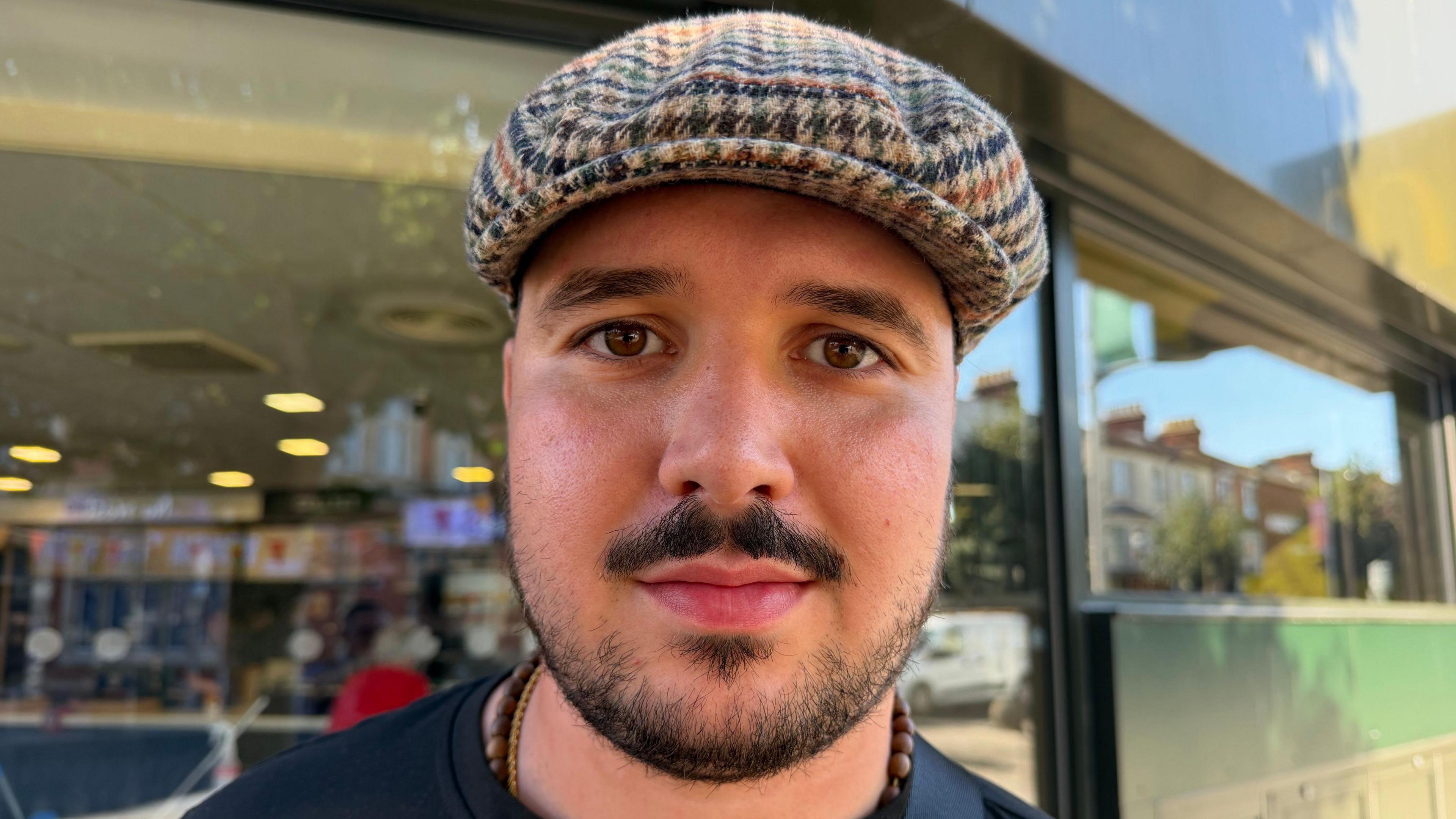
However, not all residents share this enthusiasm. Linda Robinson expressed a profound sense of weariness and disillusionment with the entire process. She felt the by-election was entirely "unnecessary" and made no secret of her lack of admiration for Farage. Her primary concern revolved around his perceived absence from the local community. "He’s never here, is he? He’s never in Clacton," she lamented. This criticism touches on a fundamental expectation many voters have of their MP: to be present, visible, and actively engaged in local issues. Robinson questioned what Farage had genuinely achieved for the town during his previous tenure and wondered what difference his return would make. For her, an MP’s national profile, while perhaps beneficial for party branding, should not come at the expense of dedicated local representation. This perspective highlights the tension between Farage’s role as a national political figure and the everyday needs and expectations of a constituency MP. For many, local engagement and tangible improvements within the community are paramount, and Farage’s perceived detachment from these aspects is a significant drawback.
‘Binface would’ve brought tourism’
Max Barrett, a Clacton resident, offered a unique perspective, having cast his vote for the satirical candidate Count Binface. His choice was a protest vote, but one rooted in a desire for local benefit. "It would be nice if he won, because it would be good for the area," Barrett said, humorously suggesting that a Binface victory "There’d be a lot more tourism and it’d just be interesting him representing this area." While his vote was for a non-serious candidate, Barrett found a silver lining in the by-election’s broader impact. Despite the myriad of opinions and the intense political spotlight, he observed a positive outcome: "The whole community has come out. We’re all talking to each other, which is very nice, no matter the difference in opinion. We haven’t had that for a very long time." This insight speaks to the rare moments when political events, even contentious ones, can foster local engagement and dialogue, transcending ideological divides. Barrett’s perspective suggests that even if the chosen representative isn’t everyone’s ideal, the act of collective participation and discussion can have its own intrinsic value for community cohesion.
‘Nasty’
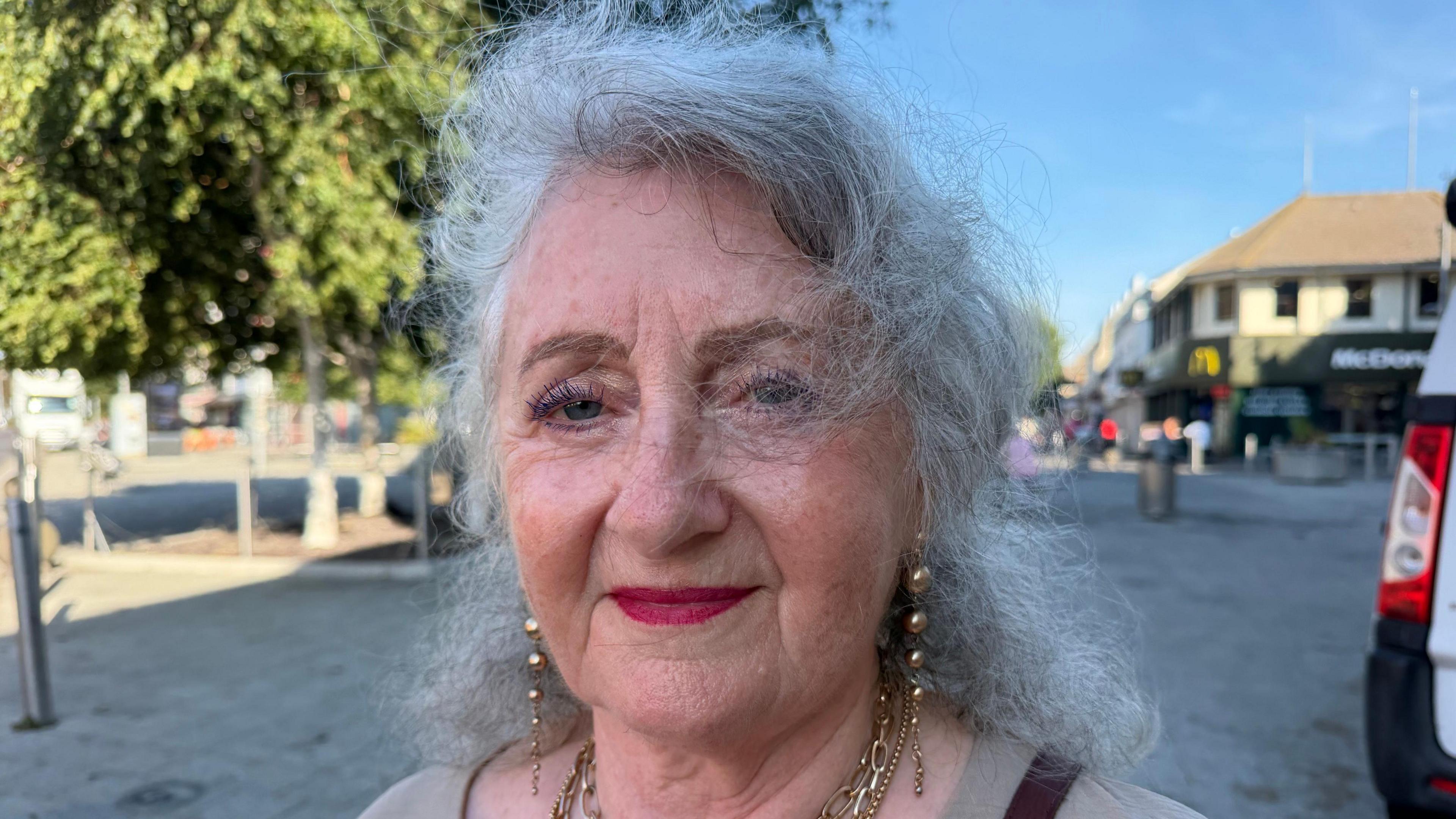
The by-election also exposed a sense of betrayal and exasperation among some, particularly regarding the major parties’ decision not to stand. Sue Wackett, 70, articulated a feeling that the people of Clacton were being used as pawns in a larger political "game." She expressed deep disappointment with the Conservatives, Labour, the Liberal Democrats, and the Greens for effectively leaving voters with limited serious options. "It’s got really nasty and for the first time in our lives, we try not to get involved in politics because it’s scary," Wackett stated, highlighting a broader unease with the increasingly confrontational and personal nature of political discourse. Her plea for a more humane approach – "We need to all rethink and start thinking of each other as human beings, all entitled to our own opinions" – resonates with a desire for less tribal and more respectful political engagement. For the Wacketts, the by-election was less about local representation and more about a disturbing trend in national politics that leaves ordinary citizens feeling alienated and disrespected.
‘Farage is the only answer’
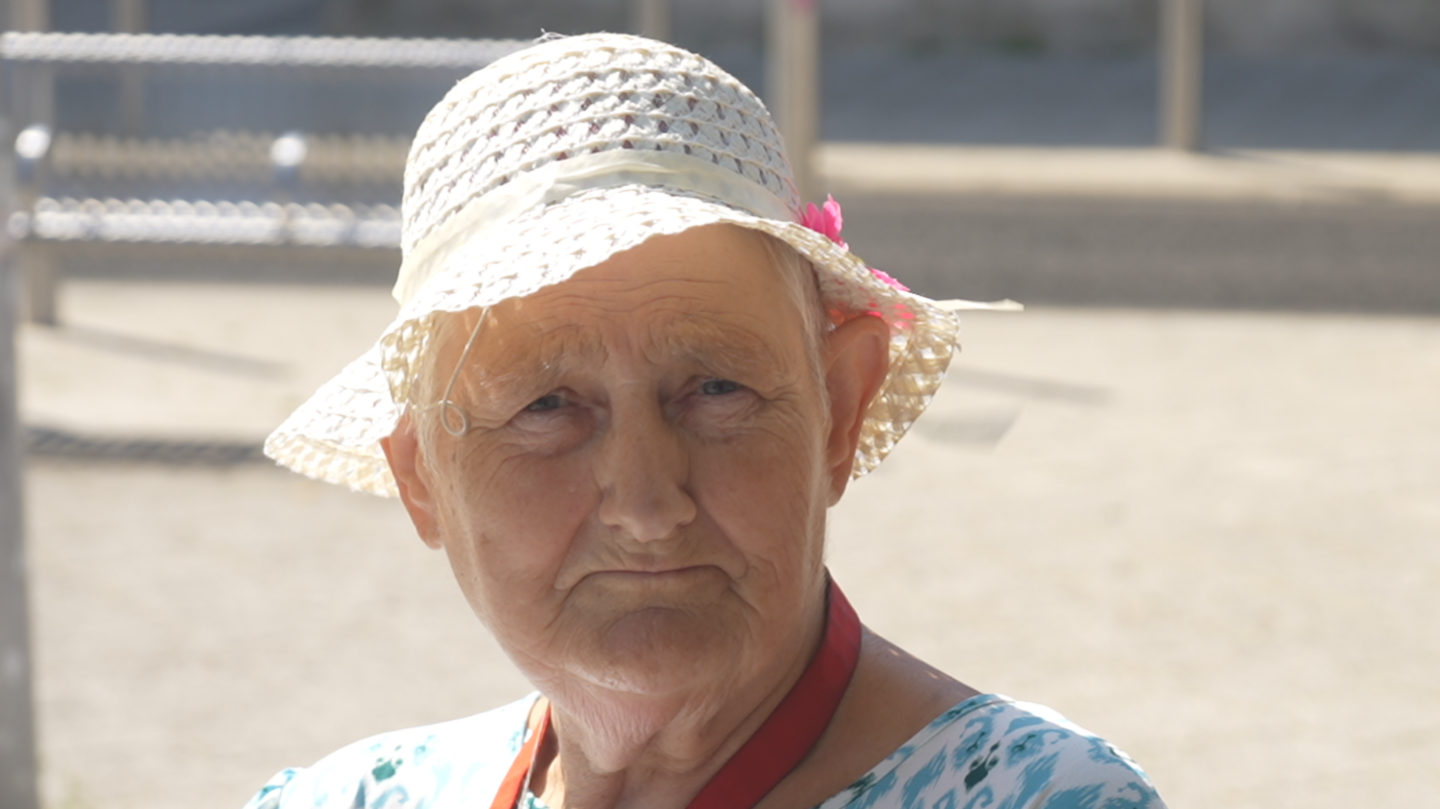
Conversely, Mary Williams, who journeyed from Wales to Clacton to lend her support to Farage, embodied the unwavering belief in his unique leadership. "I think the other parties were cowards not to stand," she declared, echoing the sentiment of many Farage supporters who see the boycott as an admission of weakness or a deliberate attempt to undermine his campaign. Williams firmly believed that the controversies surrounding Farage were manufactured: "They’ve tried to make it into a circus. They’re all absolutely convinced he’s going to be found guilty of something." She referenced the recent allegations, including the Sunday Times report regarding undeclared benefits and staff supplied by long-term ally George Cottrell, and questions about a significant £5m gift from cryptocurrency investor Christopher Harborne, which Farage had not registered. For Williams, these are mere distractions from what she views as the critical mission. "I’m worried. I’m really concerned because I think Nigel Farage is the only answer, the only hope we’ve got in Great Britain," she concluded, articulating a deep-seated conviction that Farage is the last bastion against a failing political system. Her journey from Wales further illustrates the national resonance of Farage’s appeal, extending far beyond the immediate confines of his constituency.
The Clacton by-election, therefore, transcends a simple local contest. It is a potent reflection of the current political climate in Britain, marked by a deep sense of disenchantment with established parties, a yearning for strong, anti-establishment voices, and a pronounced polarisation of opinion. Farage’s victory, achieved on a relatively low turnout and amidst a boycott by major parties, signals his enduring ability to mobilise a dedicated base and command media attention. While local issues might have taken a backseat during this particular campaign, as noted by BBC East’s political editor Andrew Sinclair, the result undoubtedly has national implications for Reform UK and the broader political landscape ahead of the next general election. As national political correspondent Joe Pike highlighted, the ongoing parliamentary inquiry and potential Met Police investigation add a layer of uncertainty to Farage’s return. The diverse reactions in Clacton underscore that while Farage is back in Westminster, the conversations, conflicts, and complexities he embodies are far from settled, leaving the town – and indeed the nation – grappling with a fragmented political reality.

 George Anjay
 Nakalama John
 atisusanti
 Roy Suryo
 Nana Banana