
 Nana Banana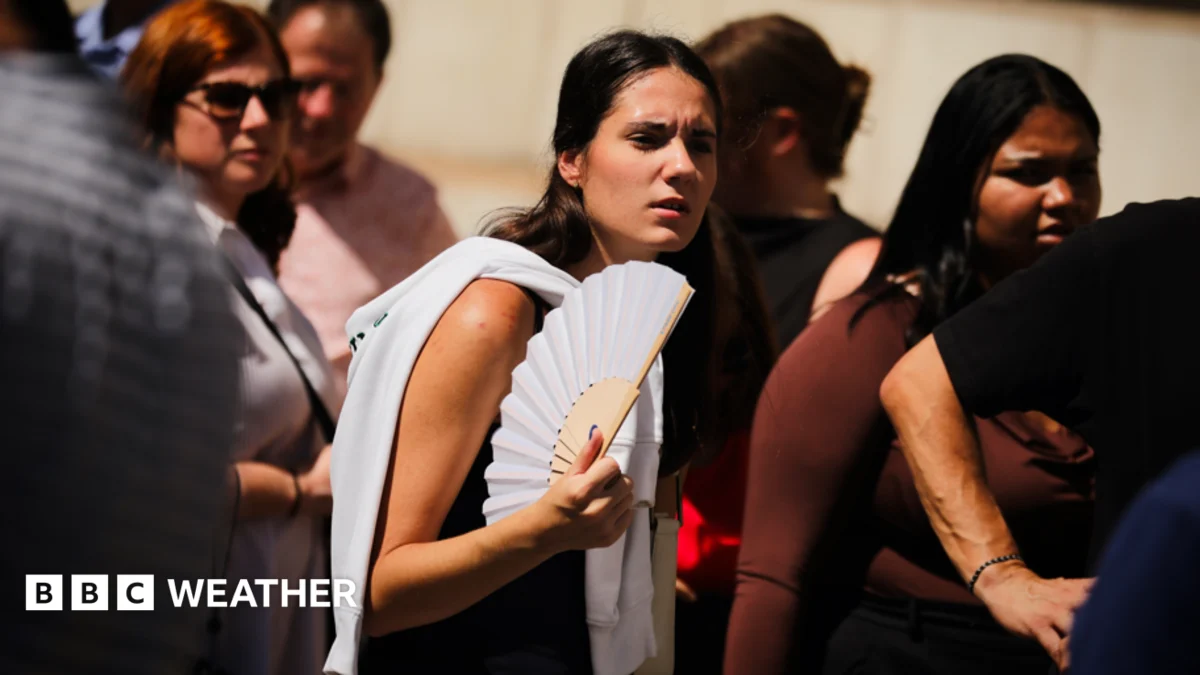
Thursday’s sweltering conditions also marked the 38th day this year where temperatures somewhere within the UK have exceeded 30C. This figure shatters the previous record of 34 days, a benchmark that had stood for several years, further solidifying 2026 as a year of exceptional and prolonged heat. This relentless succession of hot days adds to a long and growing list of other meteorological records that have been emphatically broken throughout the year, signalling a profound shift in the nation’s climate patterns. The amber extreme heat warning accompanying these temperatures highlights significant potential impacts, including risks to public health, strain on infrastructure, and increased demand for services. The Met Office and UK Health Security Agency (UKHSA) have issued urgent advice, urging the public to stay hydrated, seek shade, and check on vulnerable individuals.
The record-breaking trend began early in the summer season, with Wednesday standing out as a particularly significant day. It became the first day in August to reach a blistering 35C or more, an exceptional feat for the usually milder late summer month. Even more remarkably, this marked the fourth consecutive month—following May, June, and July—to witness temperatures of 35C or higher, an unprecedented streak that speaks volumes about the sustained warmth experienced across the country. This sustained period of extreme heat places immense pressure on ecosystems, agricultural systems, and human health, far beyond the typical challenges of a British summer.
One of the most striking records established this year occurred on June 26th, when Lingwood in Norfolk registered an astonishing 38C. This figure not only constituted a new UK temperature record for the month of June but also stood as the highest reading recorded anywhere in the country so far this year, a testament to the early onset and severity of the summer’s heat. The previous June record had been a full degree lower, illustrating the magnitude of this particular event. Such temperatures in June are highly unusual for the UK, historically associated with mid-summer peaks rather than the beginning of the season. The impact on infrastructure, particularly transport networks like roads and railways, was immediate, with speed restrictions implemented to prevent buckling rails and melting tarmac.
As the current heatwave persists, attention is now turning to the existing hottest August day on record, which stands at an formidable 38.5C, registered during the infamous 2003 heatwave. While Thursday’s peak of 38C narrowly missed this all-time August high, the ongoing pattern of escalating temperatures means that the possibility of surpassing this long-standing record remains a distinct and concerning prospect for the coming days. Meteorologists are closely monitoring conditions, with models indicating that the ridge of high pressure responsible for the current heat is set to remain dominant, potentially leading to further temperature increases.
Beyond individual daily records, the cumulative effect of this year’s warmth is leading to a more profound overarching record. As long as August temperatures continue to remain at or above the average for the month as a whole, this summer is projected to replace 2025 as the warmest on record. The summer of 2025 itself was notable for its sustained warmth and several significant heat events, but 2026 appears poised to eclipse it by a considerable margin. This isn’t merely about higher peaks, but about a consistently elevated temperature baseline across the entire season, creating a sustained period of heat stress.
The implications of such a record-breaking summer are far-reaching and multifaceted. Environmentally, the prolonged heat and reduced rainfall have exacerbated drought conditions across vast swathes of the country. Reservoir levels are dwindling, agricultural yields are under threat, and the risk of wildfires has escalated dramatically, leading to numerous incidents of grass and heathland fires requiring emergency services intervention. The delicate balance of natural ecosystems is being severely tested, with impacts on biodiversity and water quality.
From a public health perspective, the continuous high temperatures pose significant risks, particularly to vulnerable populations such including the elderly, very young children, and those with pre-existing health conditions. Hospitals are experiencing increased admissions for heat-related illnesses, and emergency services are under unprecedented pressure. The UKHSA has emphasized the importance of adequate hydration, avoiding strenuous activity during the hottest parts of the day, and creating cool spaces within homes. There’s also a growing concern about the impact of "tropical nights," where overnight temperatures remain high, preventing effective recovery from daytime heat and leading to sleep deprivation, which further exacerbates health risks.
Infrastructure resilience is also being severely tested. Roads have buckled, railway lines have expanded and warped, leading to widespread travel disruption and cancellations. Power grids face increased demand from air conditioning units, straining capacity and raising the spectre of localized power outages. Water companies are implementing or considering hosepipe bans and other restrictions to conserve dwindling supplies. The economic impact is also considerable, affecting productivity in various sectors, impacting tourism, and altering consumer behaviour.
Experts from the Met Office and climate research institutions unequivocally link the increasing frequency and intensity of these extreme heat events to human-induced climate change. While natural weather patterns, such as persistent high-pressure systems, play a role in specific heatwaves, the underlying and amplifying factor is the warming of the planet due to greenhouse gas emissions. The "new normal" for British summers appears to be shifting towards longer, hotter, and more frequent periods of extreme heat, a trend predicted by climate models for decades. This necessitates a fundamental rethink of national infrastructure, public health strategies, and urban planning to adapt to a hotter future.
The current amber extreme heat warning serves as a stark reminder of the urgent need for both mitigation efforts to reduce emissions and robust adaptation strategies to cope with the inevitable impacts of a changing climate. As temperatures continue to climb and records fall with unsettling regularity, 2026 is cementing its place as a pivotal year in the UK’s climate history, offering a sobering glimpse into the challenges that lie ahead. The nation must brace itself not only for the immediate heat but for the long-term implications of a warming world.



 atisusanti
 George Anjay
 Nakalama John

 Ramos Leo