
 Nana Banana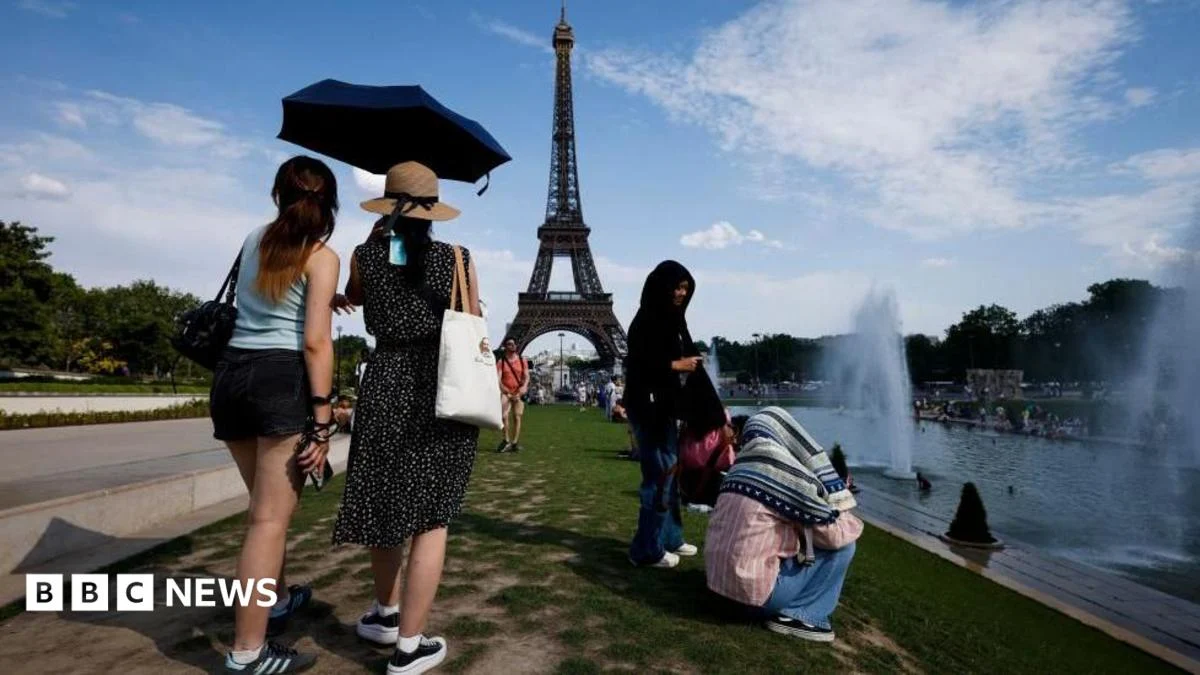
The current summer season has seen France, along with its southern European neighbors Spain and Italy, endure a relentless succession of heatwaves. These scorching conditions have not only driven people to seek relief in natural and artificial bodies of water but have also ignited massive wildfires, which have ravaged thousands of hectares of land across the region. The interplay between soaring temperatures, widespread drought, and human behavior creates a dangerous environment, contributing to the tragic loss of life.
Minister Ferrari, speaking on France Inter radio, pointed to a concerning trend of individuals taking undue risks in their attempts to cool down. "Many deadly accidents have occurred in areas that are not authorised or supervised for swimming," she stated, emphasizing the critical lack of safety infrastructure in these locations. This includes a significant number of drownings reported in "open water, in canals for example," where currents can be unpredictable, depths unknown, and rescue services often far from reach. Such areas, while offering a tempting respite from the heat, pose inherent dangers that many people underestimate or simply disregard.
The minister further elaborated on the government’s commitment to addressing this escalating crisis, indicating collaborative efforts with regional authorities "to improve swimming areas and make things safer." This initiative aims to enhance supervision, install clearer signage, and potentially restrict access to particularly hazardous zones. The urgent need for such measures is reinforced by the fact that heatwaves are becoming more frequent and intense, making water safety a paramount concern for public authorities.
A significant portion of the recent drownings, particularly among the elderly, has occurred in individual pools, Ferrari noted on Friday. This highlights a different facet of the problem, where the perceived safety of a private setting can lead to complacency. For older individuals, sudden immersion in cold water on a hot day can trigger a physiological response known as cold shock. This involuntary gasp for air, hyperventilation, and rapid increase in heart rate and blood pressure can lead to disorientation, difficulty breathing, and in severe cases, cardiac arrest, even for experienced swimmers. Furthermore, the extreme heat can lead to exhaustion and dehydration, making individuals more susceptible to exceeding their physical capabilities while swimming, regardless of age.
Ferrari had previously issued warnings in June, urging caution as too many people were attempting to cool off in rivers and canals "without necessarily taking the risks into account." These warnings, it appears, have not been sufficient to prevent the tragic surge in fatalities. The allure of cool water, especially after prolonged exposure to sweltering temperatures, can override rational judgment, leading individuals to enter unfamiliar or dangerous waters without proper assessment of the risks involved. This includes ignoring warning signs, swimming under the influence of alcohol, or attempting to swim in fast-flowing currents.
The underlying driver of these extreme weather events is climate change, which is unequivocally pushing global temperatures upwards. Europe, in particular, finds itself at the forefront of this phenomenon, warming at twice the global average rate, according to the Copernicus climate service. This makes it the fastest-warming continent on Earth. The consequence is an increased frequency and intensity of heatwaves, not just in France but across the continent, transforming what were once occasional meteorological events into a regular summer threat. The sustained high temperatures create a desperate need for cooling, leading to an amplified desire for water-based activities, which, without adequate precautions and awareness, can turn deadly.
Beyond the immediate tragedy of drownings, the prolonged heatwaves pose broader public health challenges. Heatstroke, dehydration, and the exacerbation of pre-existing conditions place immense strain on healthcare systems. The wildfires, triggered by dry conditions and high temperatures, destroy ecosystems, homes, and livelihoods, further burdening emergency services and local communities. The psychological toll on those affected by these disasters, including the families of drowning victims, is profound and long-lasting.
In response to the escalating crisis, French authorities are exploring a multi-faceted approach to water safety. This includes bolstering lifeguard presence at supervised beaches and public pools, launching extensive public awareness campaigns about the dangers of unsupervised swimming, and providing clearer guidance on safe practices. Emphasis is placed on educating the public about the physiological risks of cold shock, the importance of swimming in designated areas, and the necessity of supervising children and vulnerable adults near water. For private pool owners, advice includes installing safety barriers, ensuring proper maintenance, and being aware of the risks to elderly family members or guests.
The collaboration between the central government and regional authorities is crucial for implementing localized strategies that account for the diverse geographical and socio-economic conditions across France. This might involve identifying specific high-risk rivers or lakes, increasing signage in local languages, and engaging community leaders to disseminate vital safety messages. Furthermore, there is a growing recognition of the need for long-term adaptation strategies to cope with the changing climate, including urban planning that incorporates more green spaces, cooling centers, and sustainable water management practices.
As heatwaves become the new normal, the challenge for France and other affected nations is to adapt swiftly and effectively. This involves not only reactive measures to prevent immediate tragedies but also proactive, systemic changes to protect public health and safety in the face of an increasingly warmer world. The tragic toll of drownings serves as a stark reminder of the urgent need for heightened vigilance, comprehensive education, and robust safety protocols to navigate the dangerous realities of climate change. The figures reported by Minister Ferrari are a sobering indicator of the profound human cost associated with these environmental shifts, necessitating a concerted and sustained national effort to mitigate further loss of life.



 atisusanti
 George Anjay
 Nakalama John

 Ramos Leo