
 atisusanti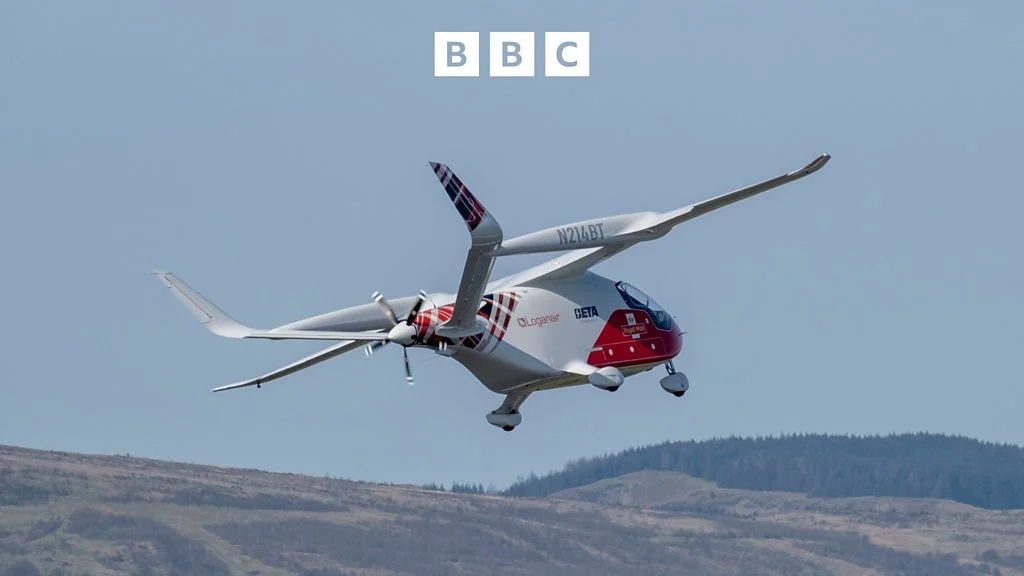
The skies of tomorrow may soon hum with a new kind of power, one that promises to be cleaner, quieter, and potentially more accessible than the jet fuel-guzzling behemoths of today. While the automotive world has embraced the electric revolution with open arms, the aviation industry has, until recently, lagged behind. However, a wave of innovation is now taking flight, as explored in a recent episode of BBC Sounds’ "Tech Life." This in-depth look at new developments in electric aviation reveals that the dream of silent, emissions-free air travel is rapidly moving from the realm of science fiction to tangible reality.
For decades, the iconic image of flight has been inextricably linked to the roar of jet engines and the unmistakable scent of jet fuel. This reliance on fossil fuels has contributed significantly to aviation’s carbon footprint, a growing concern in an era of escalating climate change. The transition from petrol to electric cars is already well underway, demonstrating the viability and growing appeal of sustainable energy in transportation. The question then arises: why have most aircraft in the skies remained tethered to the past? The answer lies in the unique challenges of aviation: the immense power required to lift heavy aircraft off the ground and maintain flight over long distances, coupled with the critical need for safety and reliability. Batteries, historically, have been too heavy and offered insufficient energy density to make electric flight a practical proposition for anything beyond very small, short-range aircraft.
However, the landscape is changing dramatically. Breakthroughs in battery technology are at the forefront of this transformation. Researchers and engineers are developing lighter, more powerful, and more efficient battery systems that are finally making electric propulsion a viable option for a wider range of aircraft. These advancements are not only focused on increasing energy density but also on improving charging speeds and overall lifespan, addressing key concerns for commercial viability.
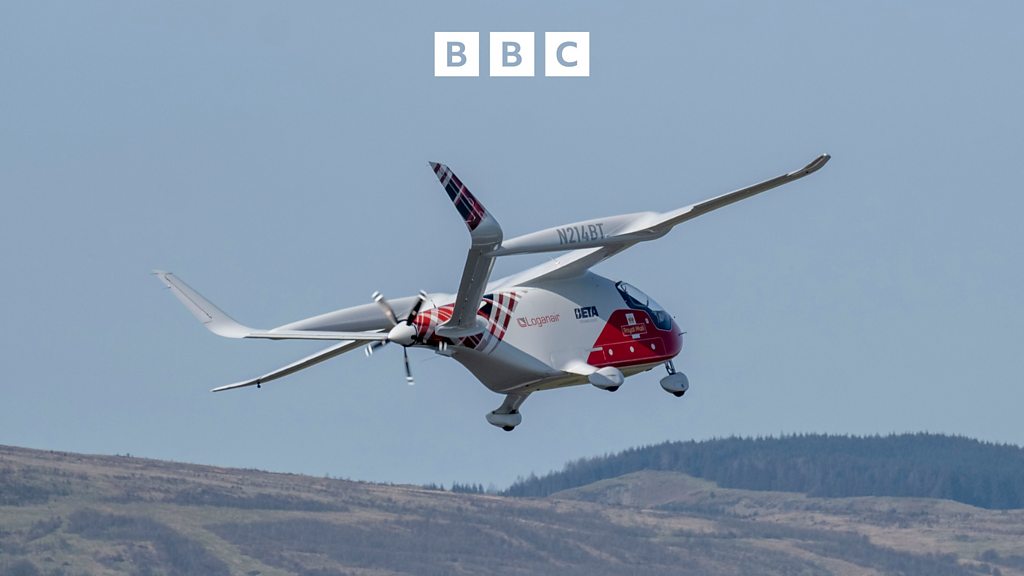
The episode highlights various pioneering initiatives and companies pushing the boundaries of electric aviation. We see glimpses of sleek, all-electric aircraft like the CX300 from BETA Technologies, captured in demonstration flights. These smaller aircraft, often with propellers ingeniously integrated into their rear fuselages, represent the vanguard of this new era. Their silent operation and zero-emission profile offer a stark contrast to traditional aviation, hinting at a future where airports could be significantly quieter and the air cleaner.
The implications of widespread electric aviation are far-reaching. For passengers, it could mean a more pleasant and less disruptive travel experience, with reduced noise pollution at airports and in the skies. For communities near flight paths, the reduction in noise and air pollution would be a significant quality-of-life improvement. Environmentally, the shift to electric power offers a crucial pathway towards decarbonizing air travel, a sector that has been notoriously difficult to address in climate mitigation efforts. Imagine regional flights powered entirely by renewable energy, connecting cities and towns without leaving a significant environmental trace.
Beyond passenger transport, electric aviation holds immense potential for cargo delivery, emergency services, and even personal air mobility. Drones and electric vertical take-off and landing (eVTOL) aircraft are already being explored for rapid delivery services, medical supply transportation to remote areas, and potentially even air taxis within urban environments. The ability to operate these smaller, agile electric aircraft from more localized hubs could revolutionize logistics and emergency response.
Of course, the transition is not without its hurdles. Scaling up production of electric aircraft, developing the necessary charging infrastructure at airports, and ensuring regulatory frameworks keep pace with technological advancements are significant challenges that need to be addressed. The "Tech Life" episode likely delves into these practical considerations, offering a balanced perspective on the opportunities and obstacles ahead. The safety certification process for new aircraft designs is rigorous, and bringing electric propulsion systems up to the exacting standards of aviation will require extensive testing and validation.
The episode also touches upon another critical aspect of modern life: keeping children safe online. In a world where digital interaction is increasingly integrated into young people’s lives, this discussion provides a timely reminder of the ongoing efforts by international child charities to address the complex challenges of online safety. This segment underscores the broad scope of "Tech Life," extending beyond technological marvels to encompass the societal impact of our increasingly connected world.
The journey towards a future dominated by electric flight is an exciting one, marked by rapid innovation and a growing commitment to sustainability. While commercial passenger jets are still some way off from being fully electric, the progress being made in smaller aircraft and regional travel is undeniable. The "Tech Life" episode on the future of flying serves as an inspiring dispatch from the cutting edge of aviation, offering a compelling vision of cleaner, quieter, and more sustainable skies for generations to come. As Shiona McCallum and producer Tom Quinn guide listeners through these developments, they paint a picture of a future where flight is not only faster and more efficient but also a responsible steward of our planet. The integration of electric propulsion into aviation represents a significant leap forward, mirroring the broader societal push towards a more sustainable and technologically advanced future.



 George Anjay
 Nakalama John
 Ramos Leo
 Roy Suryo
 Nana Banana