
 Nana Banana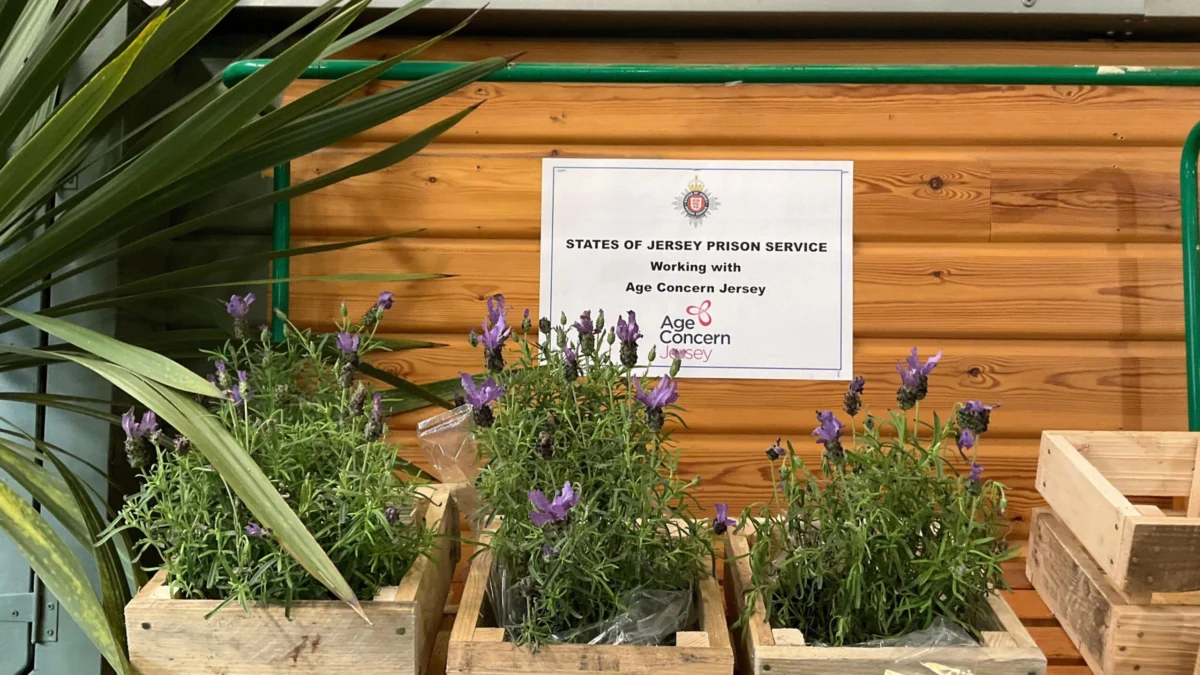
Peter Gould, the vocational manager at HMP La Moye, articulated the multifaceted benefits of such projects, emphasizing their potential to significantly reduce reoffending rates. "It is profoundly important for prisoners to witness the tangible, positive impact their vocational work has on the local community," Gould stated. He explained that engaging in meaningful work like this instills practical skills that are directly transferable to future employment opportunities, thereby empowering inmates with the tools for a successful reintegration into society. Beyond the practical skills, the project cultivates a deeper sense of responsibility and connection to the community, aspects often crucial for successful rehabilitation.

Dru Burdon, a dedicated representative from the Jersey Hedgehog Preservation Group, expressed immense satisfaction with the partnership and the quality of the work. "If it helps with carpentry skills training, so much the better, these boxes are certainly saving hedgehogs’ lives," Burdon affirmed. Her words underscore the dual impact of the project: providing essential shelter for hedgehogs facing increasing environmental pressures, while simultaneously offering a pathway to positive change for the inmates involved. The sturdy, well-constructed boxes provide safe havens for hedgehogs to feed without disturbance, hibernate securely through the winter months, and raise their young in protected environments, away from predators and human-induced hazards.
The craftsmanship involved in creating these vital wildlife habitats goes beyond basic woodworking. Gould elaborated that the project meticulously teaches health and safety best practices, ensuring that inmates learn to operate machinery and equipment responsibly and proficiently. This hands-on experience in a structured environment mimics real-world employment scenarios, preparing them for the rigours and standards expected in professional trades. "For some, the project provides a valuable introduction to skills that could lead to recognized qualifications and careers in the construction industry," Gould highlighted, pointing to the long-term career prospects that can emerge from such vocational training initiatives. The ability to measure, cut, assemble, and finish wooden structures, while adhering to safety protocols, provides a comprehensive skill set highly valued in various sectors.

The psychological benefits for the inmates are equally significant. Gould stressed that the project helps inmates cultivate a "sense of purpose, achievement and connection to the community," qualities he described as "incredibly valuable" for their personal growth and successful rehabilitation. In a carceral environment, opportunities for creative and constructive output are often limited. This initiative provides a tangible link to the outside world, allowing inmates to see their efforts directly translate into a positive community outcome, fostering self-esteem and a feeling of worth that can be instrumental in breaking cycles of reoffending. Knowing that their hands have contributed to the survival of a beloved local species can be a powerful motivator for change.
The genesis of this impactful collaboration stemmed from a rather fortuitous encounter. Dru Burdon recounted how the scheme developed from a chance meeting with a prison officer at a local veterinary clinic. "He found a little hedgehog in need of care and we got talking," she explained, detailing how a simple conversation about a rescued animal blossomed into a meaningful partnership. Following this initial discussion, Burdon provided the prison’s vocational workshop with detailed templates for both the nesting and feeding boxes, ensuring the designs met the specific needs of hedgehogs for safety, insulation, and accessibility. This grassroots beginning underscores how small acts of compassion can lead to significant community benefits.

The response from the public to these inmate-crafted boxes has been overwhelmingly positive. Burdon reported that of the 20 boxes generously provided by the prisoners earlier in August, all the feeding boxes, priced at £20 each, were swiftly snapped up by eager members of the public and supporters of the charity. Only a few of the slightly larger, more intricate nesting boxes, which retailed at £25, remained available. "The response from the public and our members has been terrific," she added, reflecting on the community’s enthusiasm for supporting both local wildlife and a meaningful rehabilitation program. The funds generated from these sales are directly reinvested into the Jersey Hedgehog Preservation Group’s vital work, covering costs for veterinary care, rehabilitation efforts, educational outreach, and the general upkeep of rescued hedgehogs.
This project with HMP La Moye is not an isolated endeavour for the prison service. It forms part of a broader philosophy within the Jersey prison system to engage inmates in vocational work that benefits various local charities and community groups. As subtly hinted by the image caption featuring a sign for ‘States of Jersey Prison Service working with Age Concern Jersey’, the institution is committed to a range of community-focused initiatives. These partnerships exemplify a modern approach to incarceration, moving beyond mere punishment to focus on rehabilitation, skill-building, and fostering a sense of civic responsibility among inmates. By contributing to the welfare of the elderly, the environment, or other community needs, prisoners gain valuable experience, a sense of belonging, and a clearer path towards a constructive future.

The plight of hedgehogs in Jersey, much like in the wider British Isles, is a pressing conservation concern. Native hedgehog populations have been in significant decline for decades, threatened by habitat loss due to urbanisation and intensive agriculture, increased road traffic, the use of pesticides, and dangers in domestic gardens such as netting, slug pellets, and strimmers. Providing safe, purpose-built shelters and feeding stations is a crucial intervention to help these nocturnal creatures survive and thrive. The boxes created by the HMP La Moye inmates offer a vital refuge, protecting them from harsh weather conditions, predators like badgers, and giving them a secure place to raise their litters, thus directly contributing to the species’ long-term survival on the island.
In essence, the collaboration between HMP La Moye and the Jersey Hedgehog Preservation Group stands as a shining example of how innovative partnerships can yield profound benefits on multiple fronts. It underscores the belief that rehabilitation is most effective when it combines skill development with opportunities for meaningful contribution. For the inmates, it’s a chance to learn, grow, and reconnect with their community, laying foundations for a more positive future. For the hedgehogs of Jersey, these carefully crafted wooden boxes represent a lifeline, offering a sanctuary amidst a challenging world. And for the community, it’s a testament to the power of compassion and collaboration, demonstrating that even behind prison walls, lives can be transformed, and nature can be protected, one reclaimed pallet at a time. This initiative truly embodies the spirit of giving back, benefiting both people and wildlife in a deeply impactful way.


 George Anjay
 Nakalama John
 atisusanti
 Ramos Leo
 Roy Suryo