
 Nana Banana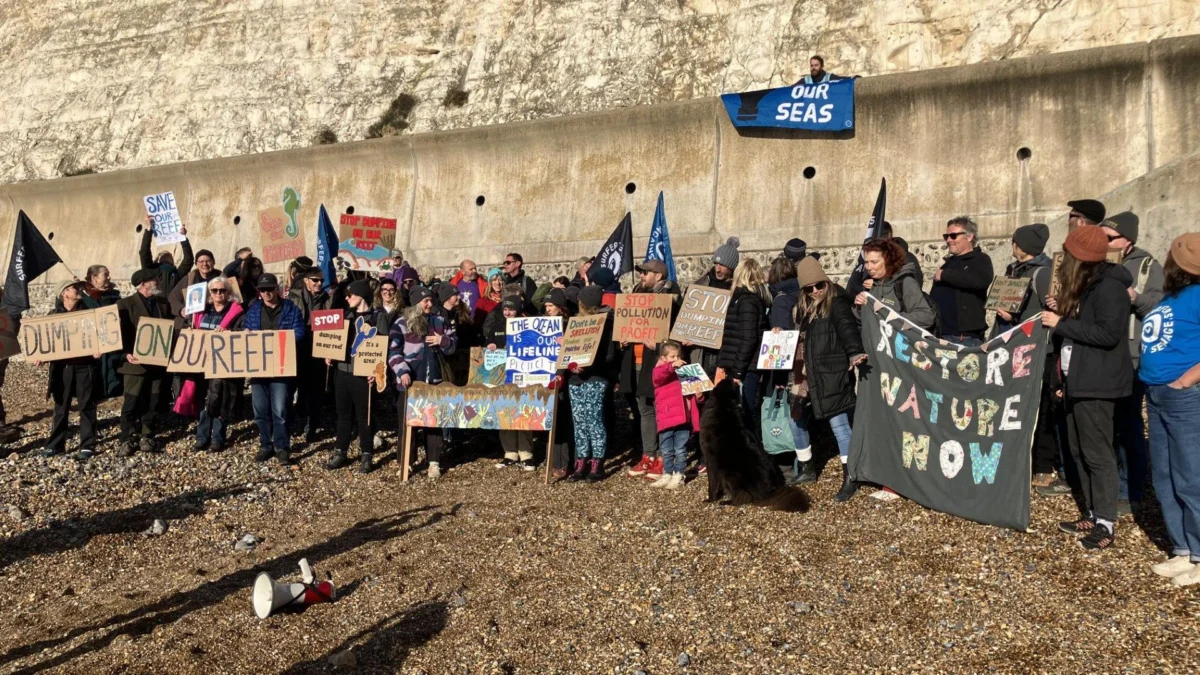
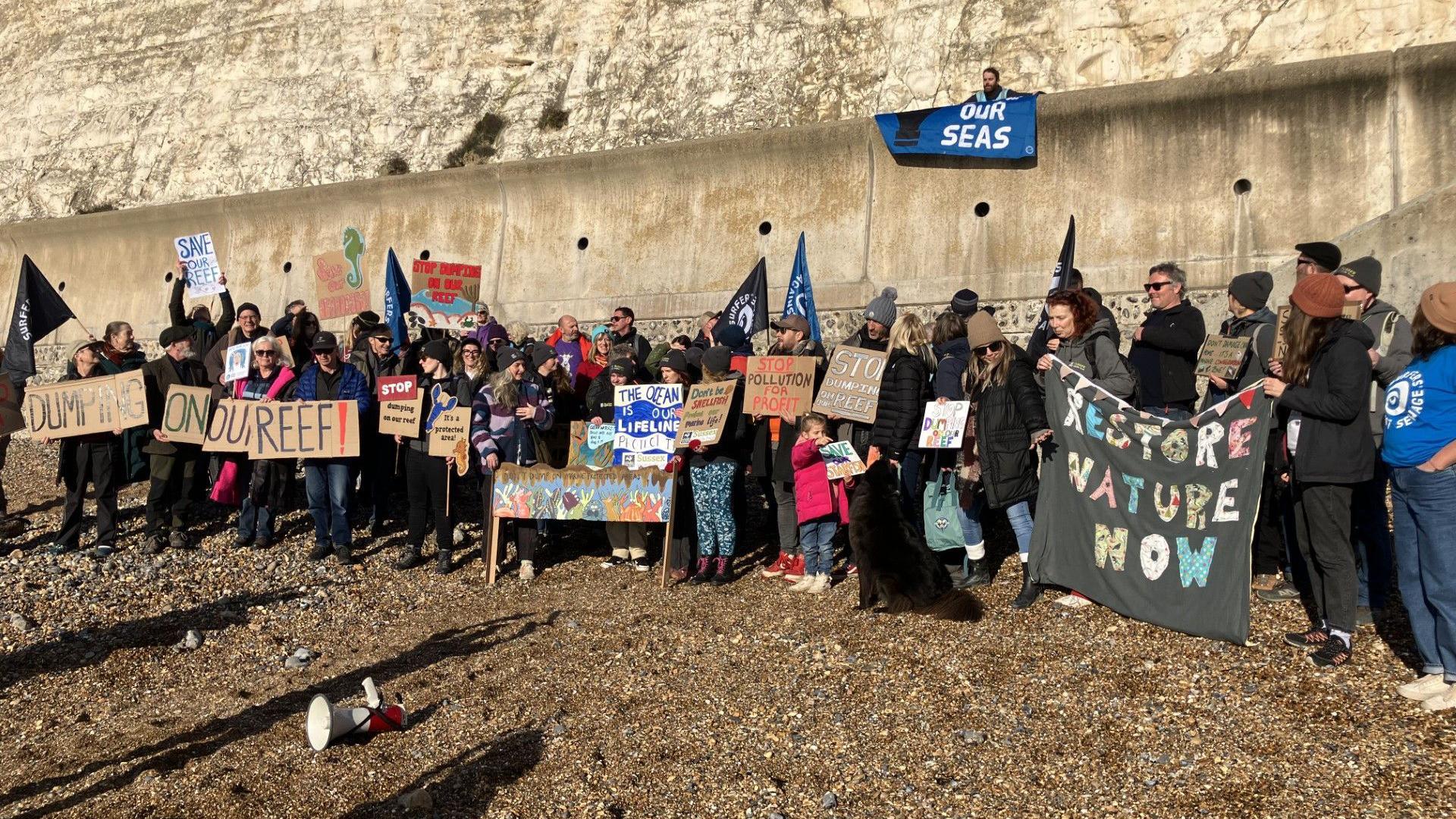
The Sussex Wildlife Trust (SWT) has intensified its appeal for the identification of a new, appropriately located offshore disposal site for sediment regularly dredged from Brighton Marina. This urgent call comes amidst ongoing concerns regarding plans to explore a potential disposal location off the coast of Newhaven, a site the trust views with considerable apprehension due to its ecological sensitivity. The pressing need for a long-term solution to the marina’s dredging requirements stems from a pivotal moment in the recent past when the Sussex Wildlife Trust successfully challenged a licence that would have permitted the disposal of sediment at Rottingdean. This challenge, which concluded in the period leading up to 2025, effectively halted the previous disposal strategy and forced Premier Marinas, the owners of Brighton Marina, to seek alternative arrangements.
Brighton Marina, a vital hub for maritime activity and economic prosperity in the region, finds itself in a precarious position. The continuous accumulation of silt within its basins necessitates regular dredging to maintain safe navigational depths for the multitude of vessels that use its facilities. Without this essential maintenance, access to the marina would become increasingly restricted, posing significant safety hazards and severely impacting its operational viability. However, Premier Marinas acknowledges the inherent challenges in identifying suitable disposal sites, stating that options are "limited." This scarcity of viable locations underscores the complex balance between maintaining essential infrastructure and protecting fragile marine ecosystems.

The Sussex Wildlife Trust’s apprehension regarding Newhaven is rooted in its designation as a "protected area," lying in close proximity to the Beachy Head West Marine Conservation Zone (MCZ). Marine Conservation Zones are designated under the Marine and Coastal Access Act 2009 to protect nationally important marine wildlife, habitats, and geology. The Beachy Head West MCZ, in particular, safeguards a diverse range of species and habitats, including rare chalk reef formations and important breeding grounds for various marine life. The trust fears that the introduction of dredged sediment into this area could have detrimental effects, potentially smothering sensitive habitats, altering water quality, and disrupting the delicate ecological balance that these zones are designed to protect.
The debate surrounding the dredged material itself has been contentious. Campaigners, often driven by local environmental concerns, have previously described the silt as a "black, thick, slimy, petrochemically smelling sludge." This vivid description paints a picture of heavily contaminated material, raising alarms among the public about potential environmental harm. Such claims suggest the presence of pollutants common in busy marina environments, including hydrocarbons from boat engines, anti-fouling paints, and other chemical residues that accumulate in sediment over time. However, Premier Marinas has consistently countered these assertions, stating that the dredged silt is "regularly sampled to confirm it was not harmful." This implies that the material undergoes rigorous testing to ensure it meets regulatory standards for offshore disposal, which typically involves analyses for heavy metals, organic pollutants, and other contaminants. The discrepancy between public perception and scientific assessment often lies in the interpretation of "harmful" – while regulatory limits may deem the sediment safe for disposal, local communities and environmental groups often advocate for higher standards, particularly when sensitive marine environments are involved.
John Cervenka, Chief Operating Officer of Premier Marinas, has unequivocally articulated the critical importance of dredging to the marina’s continued operation. "Maintaining safe navigational access to Brighton Marina is not optional," Cervenka stated, emphasizing that it is "a legal requirement and fundamental to the operation of the marina." This highlights the regulatory obligations placed upon marina operators to ensure safe passage for vessels, without which the marina could face severe penalties and operational restrictions. Beyond legal compliance, Cervenka underscored the marina’s significant economic contribution to the region, describing it as a "major centre of economic activity."
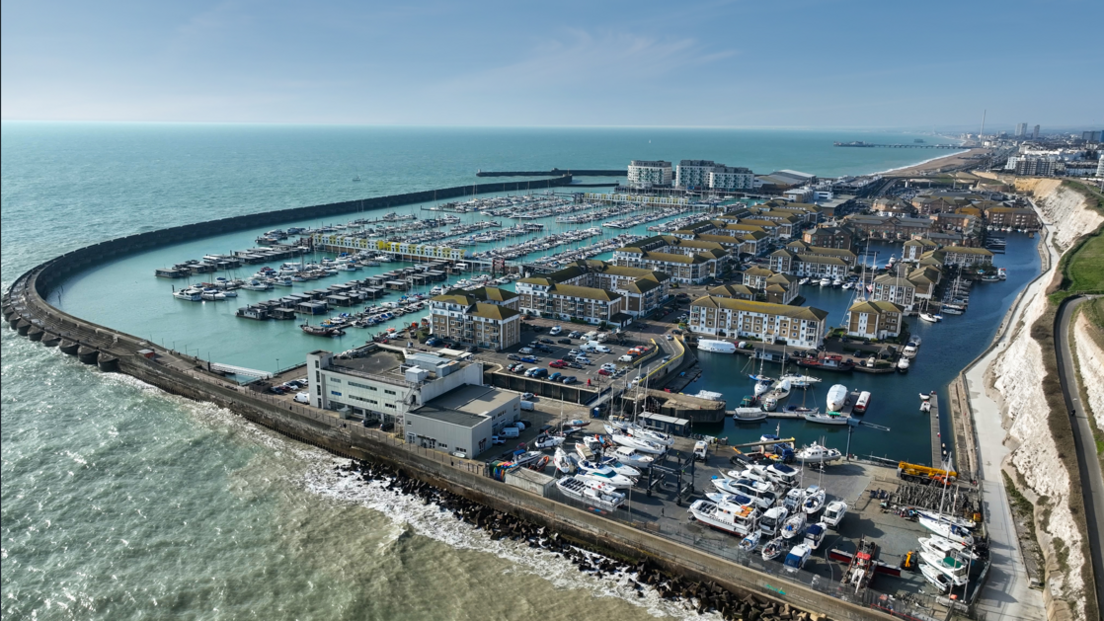
The economic footprint of Brighton Marina is substantial and far-reaching. According to Premier Marinas, approximately 150 businesses are directly or indirectly reliant on the site’s operations. These businesses encompass a diverse range of sectors, including yacht sales and brokerage, marine engineering and repair services, chandleries supplying boating equipment, sailing schools, and various leisure and hospitality venues such as restaurants, cafes, and retail outlets. This intricate network of enterprises collectively generates employment for an estimated 1,200 people, providing vital jobs and supporting local livelihoods. Furthermore, the marina acts as a significant tourist magnet, attracting more than eight million visits each year. These visitors comprise not only boat owners and marine enthusiasts but also day-trippers and tourists drawn by the marina’s vibrant atmosphere, dining options, and unique coastal setting. Any disruption to the marina’s accessibility due to unsufficient dredging would inevitably ripple through this economic ecosystem, potentially leading to job losses, business closures, and a reduction in tourist revenue for the wider Brighton area.
Interestingly, while Premier Marinas identified Newhaven as a potential alternative, they also indicated that it was the Sussex Wildlife Trust that suggested this site. However, the trust has been quick to clarify its position, stating emphatically in a public statement on social media: "We have not promoted or endorsed Newhaven over any other option." This clarification is crucial in managing public perception and ensuring that the trust’s stance on environmental protection remains unambiguous.
The trust’s primary concern regarding Newhaven remains its proximity to the Beachy Head West MCZ. "Newhaven sits adjacent to Beachy Head West MCZ, and we remain concerned about potential impacts on this protected area," the trust reiterated. Their "preferred option is a new offshore disposal site, well away from the MCZ." This preference stems from a precautionary principle, aiming to minimize any potential ecological disturbance to designated conservation areas. Locating a new offshore disposal site would involve extensive environmental impact assessments (EIAs), detailed oceanographic studies to understand currents and sediment dispersal patterns, and robust regulatory approval processes from bodies like the Marine Management Organisation (MMO). Such a site would ideally be situated in an area with less ecological sensitivity, where the dispersal of sediment would have minimal long-term effects on marine habitats and species. The cost and logistical complexities of establishing such a new site would be considerable, potentially involving longer transport distances for the dredged material and more extensive environmental monitoring.
The trust further elaborated on its reservations about Newhaven, noting that while Newhaven Port already utilizes the area for its own dredge disposal, there is currently "no available data on the impacts of additional disposal there." This lack of cumulative impact assessment is a significant concern for environmental organizations. Even if existing disposal activities are deemed acceptable, the introduction of a substantially larger volume of sediment from Brighton Marina could overwhelm the local environment’s capacity to absorb the impact, leading to unforeseen and potentially severe consequences. Without comprehensive data, it is impossible to accurately predict the long-term effects on marine life, water quality, and the overall health of the ecosystem adjacent to the MCZ. Therefore, the trust maintains that "Until it saw further evidence, it did not have a view on whether Newhaven was suitable," and affirmed, "We will respond to any future licence application based on the ecological evidence it contains." This highlights their commitment to evidence-based decision-making and their role as environmental watchdogs.
The regulatory process for marine activities, including dredge disposal, is overseen by the Marine Management Organisation (MMO). Any proposal for sediment disposal requires a marine licence application, which involves detailed submission of plans, environmental assessments, and public consultation. Brighton Marina’s intention to submit a marine licence application to the MMO in November marks a critical juncture in this ongoing saga. If this application is approved, it would pave the way for maintenance dredging to potentially restart as early as next spring. The outcome of this application will not only determine the future of Brighton Marina’s operations but also set a precedent for balancing economic imperatives with marine conservation efforts along the Sussex coast. The decision by the MMO will hinge on a thorough evaluation of the proposed disposal site, the nature of the dredged material, and the potential environmental impacts, taking into account the concerns raised by the Sussex Wildlife Trust and other stakeholders. The search for a sustainable and environmentally responsible solution continues to be a complex and multifaceted challenge, demanding collaboration and careful consideration from all parties involved.




 atisusanti
 George Anjay
 Nakalama John

 Ramos Leo