
 Ramos Leo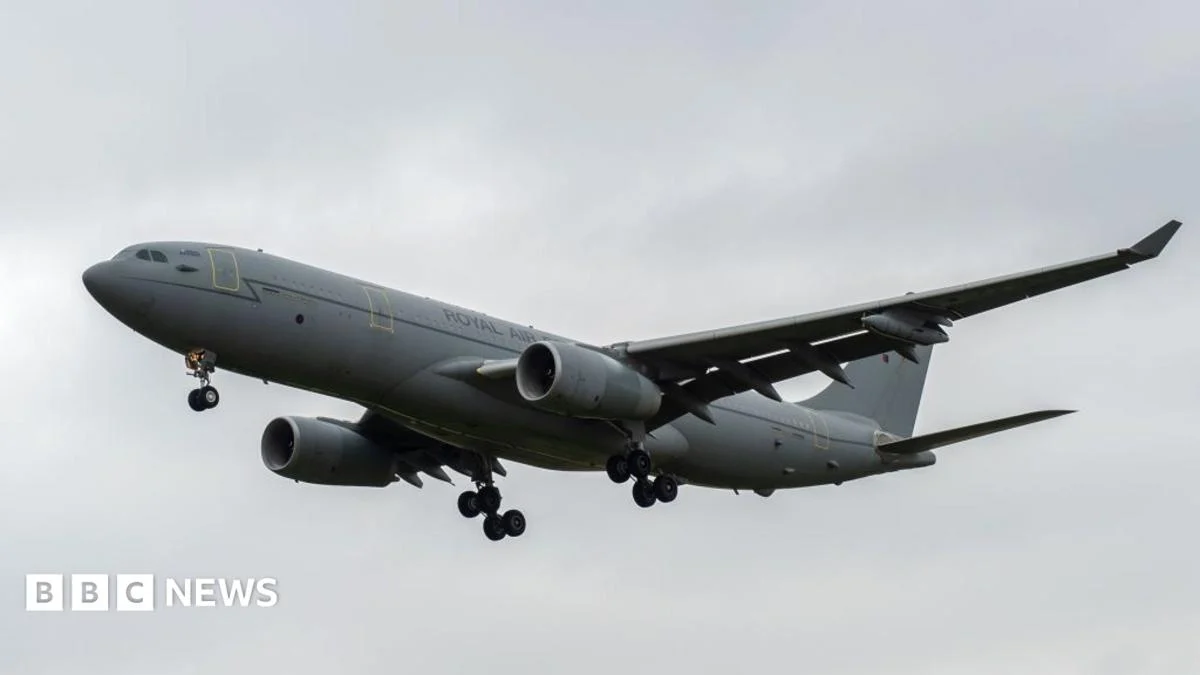
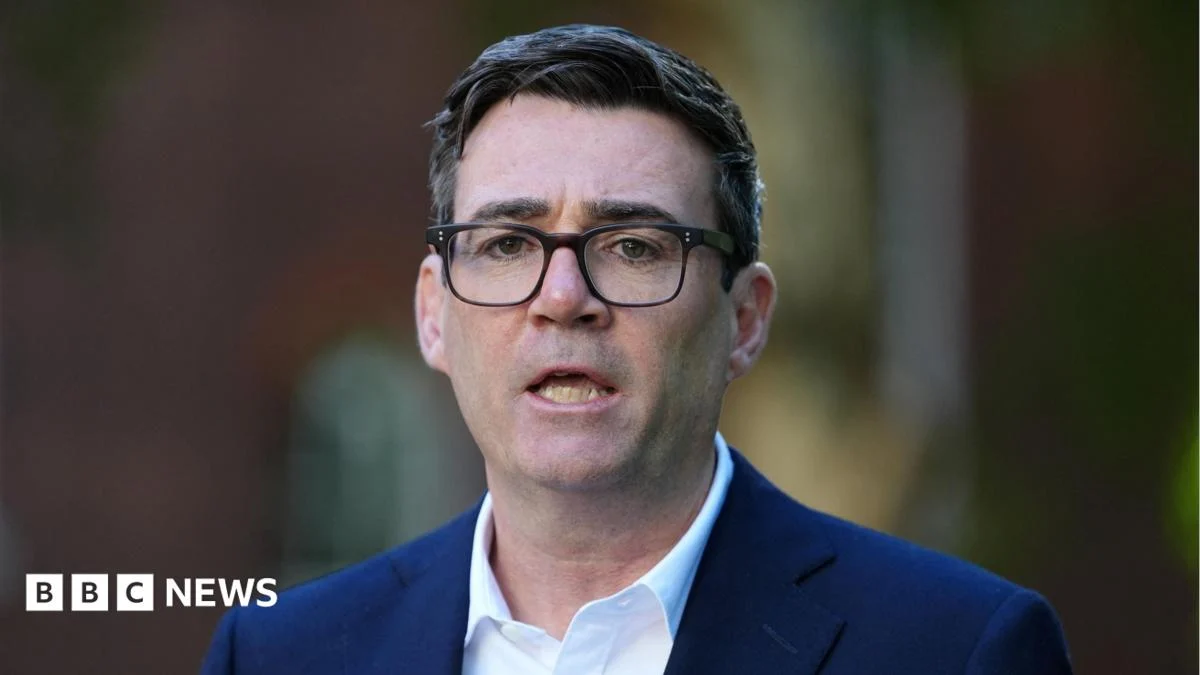
Prime Minister Burnham confirmed the decision, stating it followed a direct request from the Saudi government for "military support." The agreement was reached upon the advice of his Defence Secretary, Wes Streeting, and Foreign Secretary, Ed Miliband, highlighting a concerted effort within the government to address regional instability. Government officials have emphasized that this offer of support is "time limited," with an initial expected duration of "weeks," suggesting a flexible and responsive approach to the evolving security landscape in the Middle East.
The context for this intervention is the protracted civil war in Yemen, where the internationally recognized government, staunchly supported by Saudi Arabia, remains locked in conflict with the Houthi rebels. In recent days, the Houthi forces have intensified their cross-border aggression, claiming responsibility for a barrage of drone and ballistic missile attacks. These strikes have targeted key Saudi urban centers, including the capital Riyadh, and critical energy infrastructure along the kingdom’s Red Sea coast, posing a direct threat to Saudi sovereignty and economic stability.
UK officials have meticulously defined the nature of this "defensive support" as directly aiding Saudi air force jets in their efforts to intercept and neutralize incoming Houthi missiles and drones. Air-to-air refuelling is a crucial force multiplier, allowing fighter jets to remain airborne for extended periods, significantly increasing their patrol duration and their ability to respond swiftly to threats. This extended endurance is vital for maintaining a continuous defensive umbrella over vast areas and intercepting fast-moving ballistic missiles or swarms of drones, which require rapid reaction times and sustained air presence. The Voyager aircraft, a sophisticated multi-role tanker transport, is ideally suited for this mission, capable of delivering large quantities of fuel to multiple receiver aircraft simultaneously.
The singular Voyager aircraft designated for this deployment is part of the Royal Air Force’s (RAF) core fleet of nine such airframes – eight militarily registered and one civilian-registered. The RAF also maintains a further five Voyagers available for military recall should operational demands necessitate their deployment, underscoring the UK’s robust air refuelling capabilities. RAF Akrotiri in Cyprus serves as a pivotal strategic hub, offering a forward operating base that provides rapid access to the Middle East while ensuring logistical resilience and operational flexibility.
Speaking to reporters en route to the United Nations General Assembly in New York, Prime Minister Burnham directly linked the decision to broader economic concerns, particularly the "cost-of-living pressures" faced by British households. He articulated the government’s imperative to "secure the interests of Britain and the wider region," emphasizing the critical role of regional stability in global economic health. "Because of course Saudi Arabia has been experiencing attacks, is looking at potential further disruption, and we need to keep those pathways open, and hence our agreement to the request," Burnham stated, drawing a clear line between Middle Eastern security and domestic economic well-being.
The Red Sea shipping routes are indeed a vital artery of the global economy, facilitating a substantial portion of international maritime trade, including crucial oil and gas shipments. Instability in this region can have far-reaching implications for global energy prices and supply chains, directly impacting inflation and the cost of goods in the UK. The Houthis recently underscored their capacity to disrupt these vital routes by seizing control of the strategic port city of Mokha and Perim Island, a key gateway to the Red Sea, further heightening concerns about maritime security. Perim Island, situated at the mouth of the Bab al-Mandeb Strait, holds immense strategic value, as its control allows for significant influence over vessel traffic transiting between the Red Sea and the Gulf of Aden.
The UK’s commitment comes against a backdrop of increasing international concern. Last week, Nato Secretary-General Mark Rutte hinted at the likelihood of broader European support for Saudi Arabia during a BBC interview. He commented, "I would not be surprised if some phone calls were taking place between European allies, ‘hey, how are we going to deal with this?’ Let’s see what happens, and if Nato can help, we will always be helpful." This suggests a coordinated diplomatic effort among Western allies to address the Houthi threat. Furthermore, Energy Minister Martin McCluskey had previously informed Members of Parliament that the UK was already "providing air defence support" to Saudi Arabia through an existing defence partnership, though he refrained from discussing specific operational military activities. This latest announcement clarifies the specific nature of that evolving support.
This defensive posture marks a nuanced shift from previous UK actions in the region. In January 2024, the UK joined the United States in launching a series of offensive air strikes against Houthi targets across Yemen. Then-Prime Minister Rishi Sunak had justified those strikes as acts of "self-defence" following the Houthis’ persistent targeting of international shipping, including a Royal Navy warship, in the Red Sea. He had affirmed that the strikes were "necessary, proportionate, and targeted" to safeguard lives and ensure the freedom of commercial navigation. Subsequent joint air strikes from the UK and US continued throughout 2024, signaling a robust, if controversial, response to Houthi aggression against maritime commerce. The current deployment, however, emphasizes a more direct defensive aid to a regional ally, focusing on protecting Saudi territory from aerial threats rather than directly engaging Houthi launch sites. This distinction underscores a policy aimed at bolstering regional stability and protecting critical infrastructure through cooperative defence mechanisms, while carefully managing the UK’s direct military involvement in the Yemeni conflict.

 George Anjay
 Nakalama John

 atisusanti