
 atisusanti
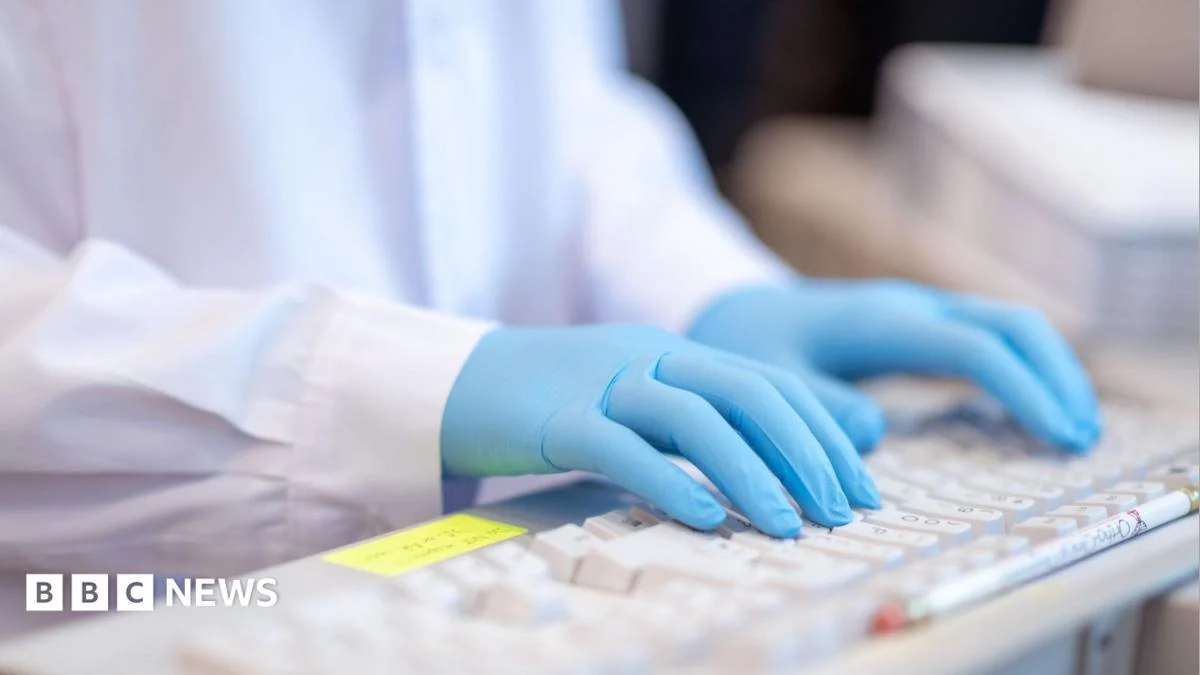
The United Kingdom is poised to establish a groundbreaking national AI Biosecurity Lab (AIBL), a pioneering initiative designed to bolster the nation’s defenses against an increasingly complex landscape of emerging biological threats. This ambitious undertaking, announced as part of the government’s latest Budget, will see a substantial investment of £100 million dedicated to the creation of this "world-first" institute, a project that will benefit from the collaboration and expertise of leading artificial intelligence firms. Beyond the AIBL, the Chancellor has also pledged significant funding across a spectrum of initiatives aimed at fortifying the UK’s resilience against evolving cyber, biological, and AI-enabled threats, underscoring a proactive and comprehensive approach to national security in the digital age.
John Healey, a prominent voice in the government, articulated the transformative potential of AI, stating, "AI will transform daily life: every firm, community, hospital, school, and every aspect of our economy can benefit." However, he also acknowledged and addressed the legitimate concerns surrounding the rapid advancement of this technology. "I understand and share the concerns of working people," Healey continued, "so I am setting out a distinctively British approach to AI. One that doesn’t leave workers behind and defends our national interest, while ensuring the benefits of AI-enabled growth are felt right across the country." While the full operational scope and specific responsibilities of the new AI Biosecurity Lab are yet to be fully detailed, the vision presented by AI Minister Kanishka Narayan paints a picture of a "major new global institution." Narayan emphasized that the AIBL will convene "world-leading scientific expertise" to ensure the UK can effectively safeguard its citizens and national objectives as AI technology continues its relentless development.
"That means staying ahead of emerging threats, from cyber attacks to biological risks, while building more of the critical technology our security depends on," Narayan stated, highlighting the dual mandate of threat mitigation and domestic technological advancement. He further elaborated on the strategic importance of this investment: "By backing British science, advanced chips and our own AI companies, we can strengthen our national security, rebuild Britain’s industrial strength and create good, skilled jobs across the country." The establishment of the AI Biosecurity Lab will also be significantly bolstered by the contributions of leading AI developers. Notably, OpenAI and Anthropic have committed to providing £200 million worth of AI model credits, offering the lab invaluable access to cutting-edge AI capabilities for its research and development efforts.
The Chancellor’s broader strategy to accelerate AI development and application within the UK extends to a further £120 million commitment to the UK’s AI Security Institute (AISI). The AISI, an entity established by the previous Conservative government in 2023, has already garnered recognition for its critical role in evaluating the potential risks posed by the most advanced and powerful AI models. Its work has been instrumental in fostering a collaborative and transparent approach to AI safety testing, and the additional funding will ensure its continued capacity to address the evolving challenges in this domain. This injection of capital is particularly pertinent amid growing international calls for robust technical standards and effective guardrails to govern the development and deployment of AI technologies.
Complementing these investments, the government is also launching a £60 million initiative dubbed the "National Cyber Shield." This program aims to leverage agentic AI—AI systems capable of autonomous action and decision-making—to significantly enhance the nation’s cyber defenses. Furthermore, a substantial £70 million is being allocated to the creation of a National Exposure and Real-Time Vulnerability (NERV) Centre. The NERV Centre is designed to harness advanced AI tools to proactively identify and address cyber vulnerabilities across the UK’s critical infrastructure and broader economy, providing a vital layer of preemptive security.
These significant investments in AI-driven security measures arrive in the wake of a recent global security alert. The UK government, alongside other international organizations, was compelled to temporarily take some of its online systems offline as a precautionary measure. This action was prompted by the identification of critical flaws within PHP, a widely used server-side scripting language that has been a cornerstone of web development for decades. Researchers who uncovered these vulnerabilities, collectively referred to as "php2shell," issued a stark warning that platforms reliant on PHP could become susceptible to potential hacking incidents.
While there have been no confirmed reports of successful exploits of the php2shell flaw to date, the incident serves as a potent illustration of the rapidly evolving threat landscape. Experts are increasingly concerned that the very advancements in AI that promise to enhance security could also be weaponized to discover and exploit dormant bugs with unprecedented speed and efficiency. The discovery highlights the critical need for continuous vigilance, proactive threat intelligence, and the development of sophisticated AI-powered defense mechanisms, such as those envisioned by the new AI Biosecurity Lab and the enhanced AI Security Institute, to stay ahead of potential adversaries. The government’s commitment to investing in these cutting-edge technologies signals a clear understanding of the imperative to adapt and innovate in the face of emerging national security challenges. The creation of the AI Biosecurity Lab, in particular, represents a forward-thinking strategy to address the unique and complex risks posed by the intersection of artificial intelligence and biological threats, positioning the UK as a global leader in this crucial area of defense.


 George Anjay

 Nakalama John

 Ramos Leo

 Roy Suryo

 Nana Banana
