Roy Suryo
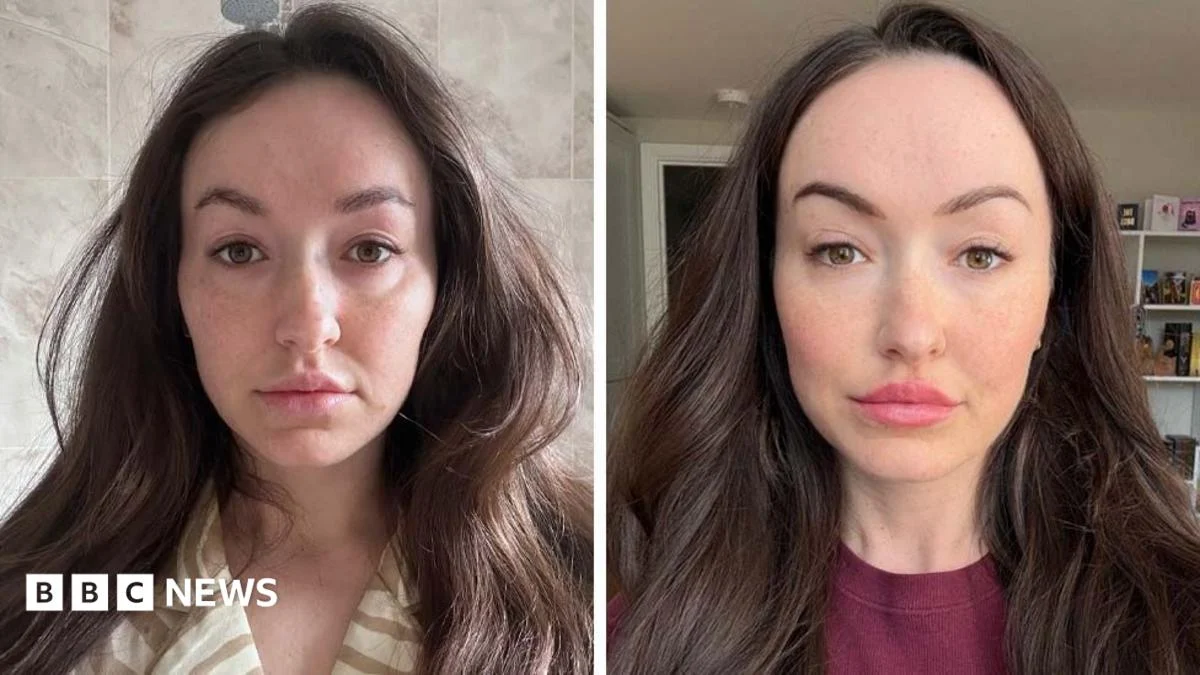
"Do you have ferritin face?" a young woman asks on TikTok, pointing to dark circles, washed-out skin, and brittle hair, alongside before-and-after style photographs. The content creator attributes these features to her iron levels. This is one of a growing number of videos and posts on platforms like TikTok and Instagram that claim low ferritin – a protein responsible for storing iron in the body – can leave visible clues on one’s face. Users on these platforms commonly list pale or grey-looking skin, dark under-eye circles, dry or cracked lips, significant hair shedding, and weak nails as indicators. Some even share portraits showcasing what they perceive as stark visual differences, with the phrase "ferritin face" rapidly gaining traction and accumulating millions of views across social media.
However, medical professionals emphasize that appearance alone is insufficient for diagnosing iron deficiency. Dr. Aziza Sesay, a General Practitioner based in the West Midlands, clarifies, "Ferritin face is not a medical diagnosis. However, it may be a clue to tell us that something is going on." She explains to BBC News that while symptoms like pale skin, hair shedding, or brittle nails can indeed accompany low iron levels, they are also frequently indicative of a range of other underlying health conditions. For clinicians, a patient’s subjective experience of their symptoms and how they generally feel are considered far more informative than their outward appearance.
The consensus among medical experts, including Dr. Sesay and Professor Sue Pavord, a hematologist, is that blood tests are paramount. These tests are not only crucial for confirming iron deficiency but also for identifying its root cause and subsequently guiding the most appropriate course of treatment. Both professionals stress that any treatment plan must comprehensively address the underlying reason for the low iron levels. Potential contributing factors include heavy menstrual bleeding, insufficient dietary iron intake, undetected gastrointestinal blood loss, and impaired iron absorption through the digestive system.
The standard medical approach to treating iron deficiency typically involves oral iron supplements. Professor Pavord offers practical advice on optimizing the efficacy of iron tablets, recommending they be taken on an empty stomach, ideally first thing in the morning. She also advises against consuming tea or coffee in close proximity to taking iron supplements, as these beverages can significantly inhibit iron absorption. For those seeking to increase their iron intake through diet, a variety of nutrient-rich foods are available. These include red meat, various types of beans and lentils, leafy green vegetables such as spinach and kale, and iron-fortified cereals.
The medical community cautions strongly against self-treating with iron supplements without a formal diagnosis. This practice can not only be harmful by leading to excessive iron accumulation, a condition known as iron overload, but it can also dangerously delay the diagnosis and treatment of a potentially serious underlying medical problem.
Despite these medical caveats, there’s an acknowledgment that social media has played a role in empowering women to take their symptoms more seriously. Content creators like Lucy, who identifies as someone experiencing low ferritin and sharing her journey, have given some women the confidence to voice their concerns and ask pertinent questions when something feels amiss. Lucy describes a powerful sense of solidarity among her followers, with many commenting, "Oh my gosh, this is me." She is careful to state that she is not a medical professional and presents her content as a personal narrative of her own experience. For her, this approach has been empowering, providing women with information that can help them advocate more effectively for their own health.
Dr. Sesay characterizes social media as a "double-edged sword." While it can undoubtedly encourage individuals to seek professional medical help, it also carries the significant risk of leading people to self-diagnose incorrectly based on brief online content. Lucy echoes this sentiment, emphasizing that the true value of these online discussions lies not in self-diagnosis based on appearance, but in fostering an awareness of when something feels genuinely wrong and, crucially, knowing when to seek professional medical advice and ask the right questions.
For individuals seeking to enhance their dietary iron intake, BBC Food offers a collection of iron-rich recipes designed to guide users in incorporating more of these vital nutrients into their meals. These resources provide practical and delicious ways to support iron levels through food, complementing medical advice and treatments. The conversation around "ferritin face" highlights a complex interplay between online health trends and medical guidance, underscoring the importance of discerning reliable information and prioritizing professional medical consultation for accurate diagnosis and effective treatment. The visible signs, while potentially a starting point for introspection, should always lead to a conversation with a healthcare provider to ensure proper management of iron levels and overall well-being. The rise of such online trends also signals a growing interest among the public in understanding their bodies and advocating for their health, a positive development that, when combined with accurate medical information, can lead to better health outcomes.



 Nana Banana

 atisusanti

 Nakalama John

 George Anjay