
 Nana Banana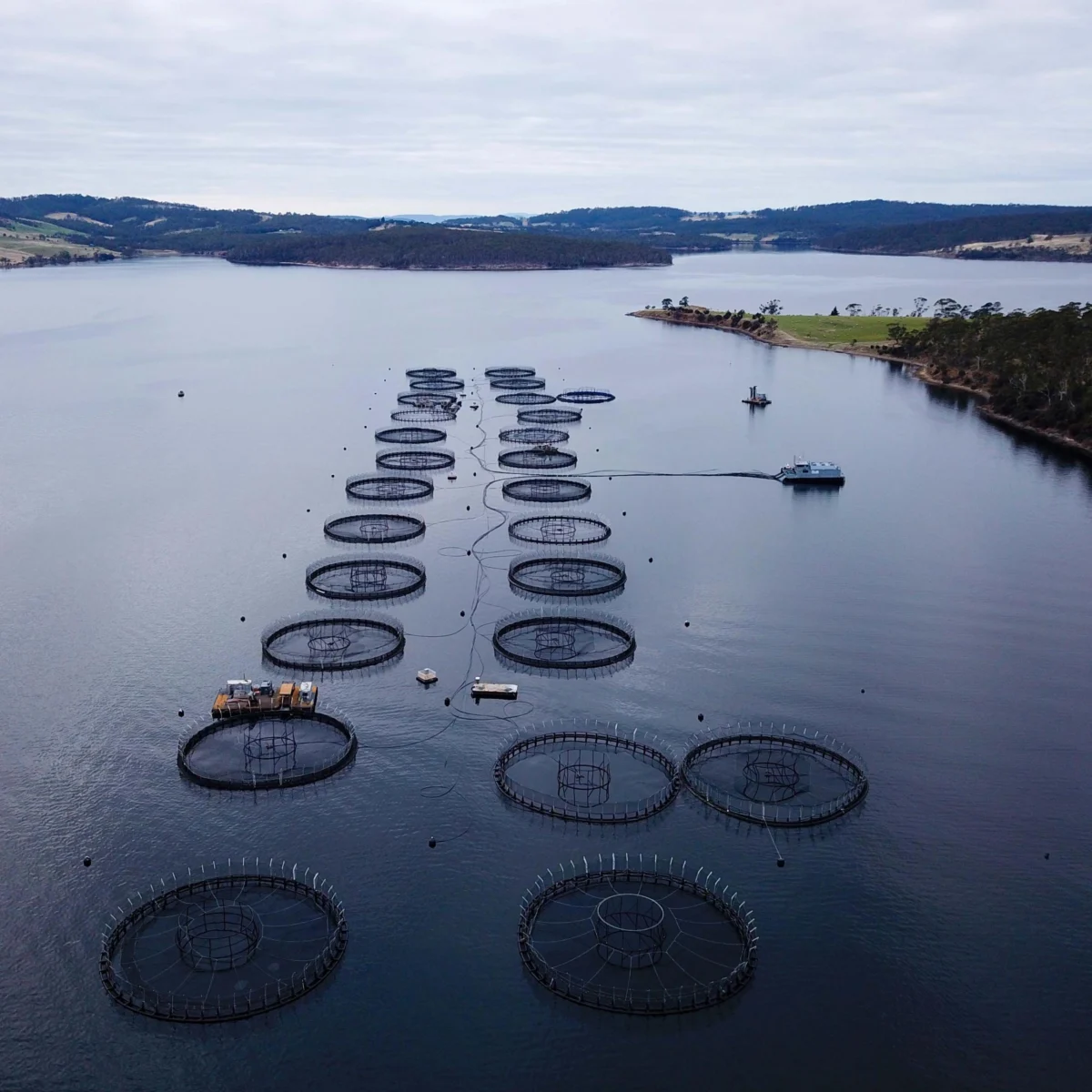
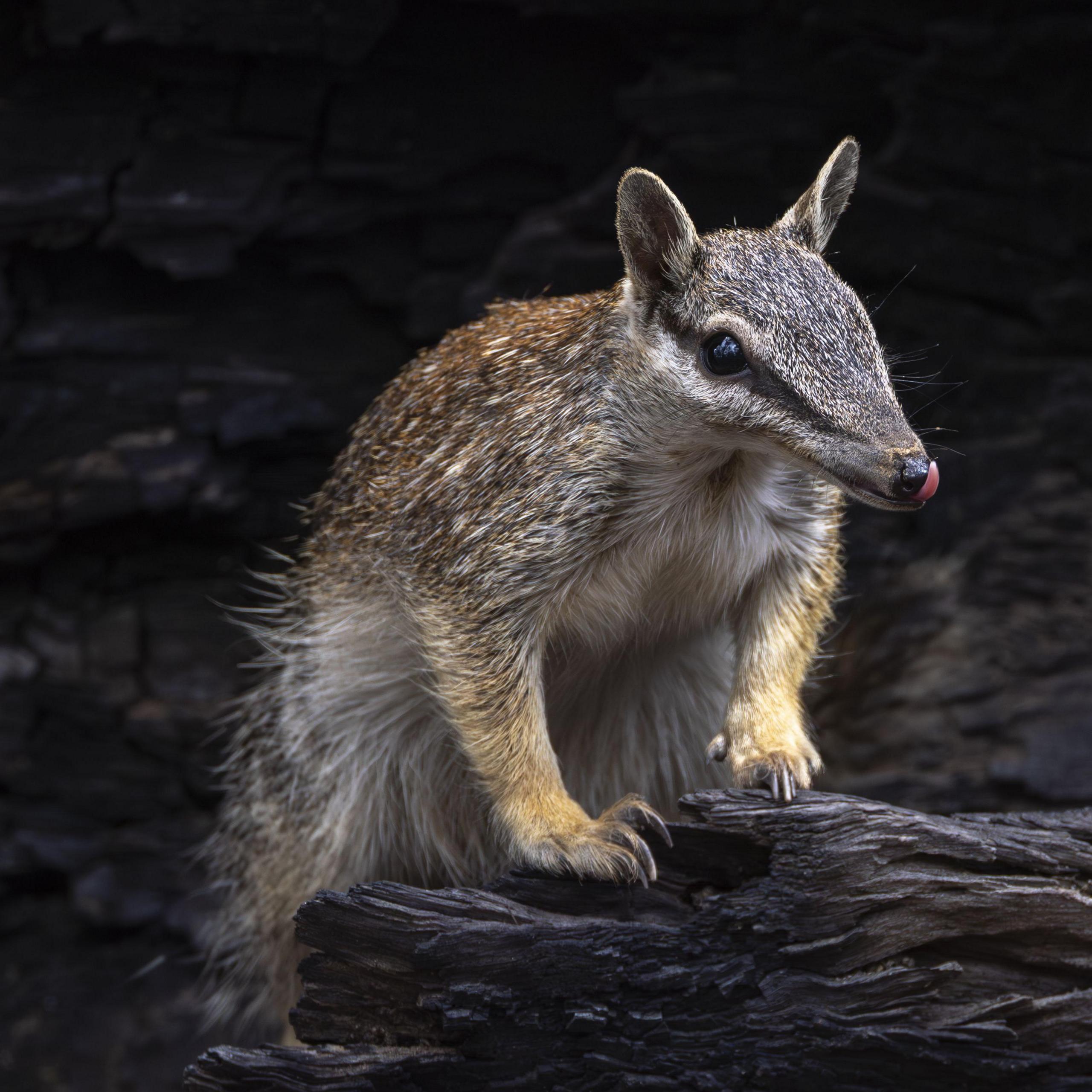
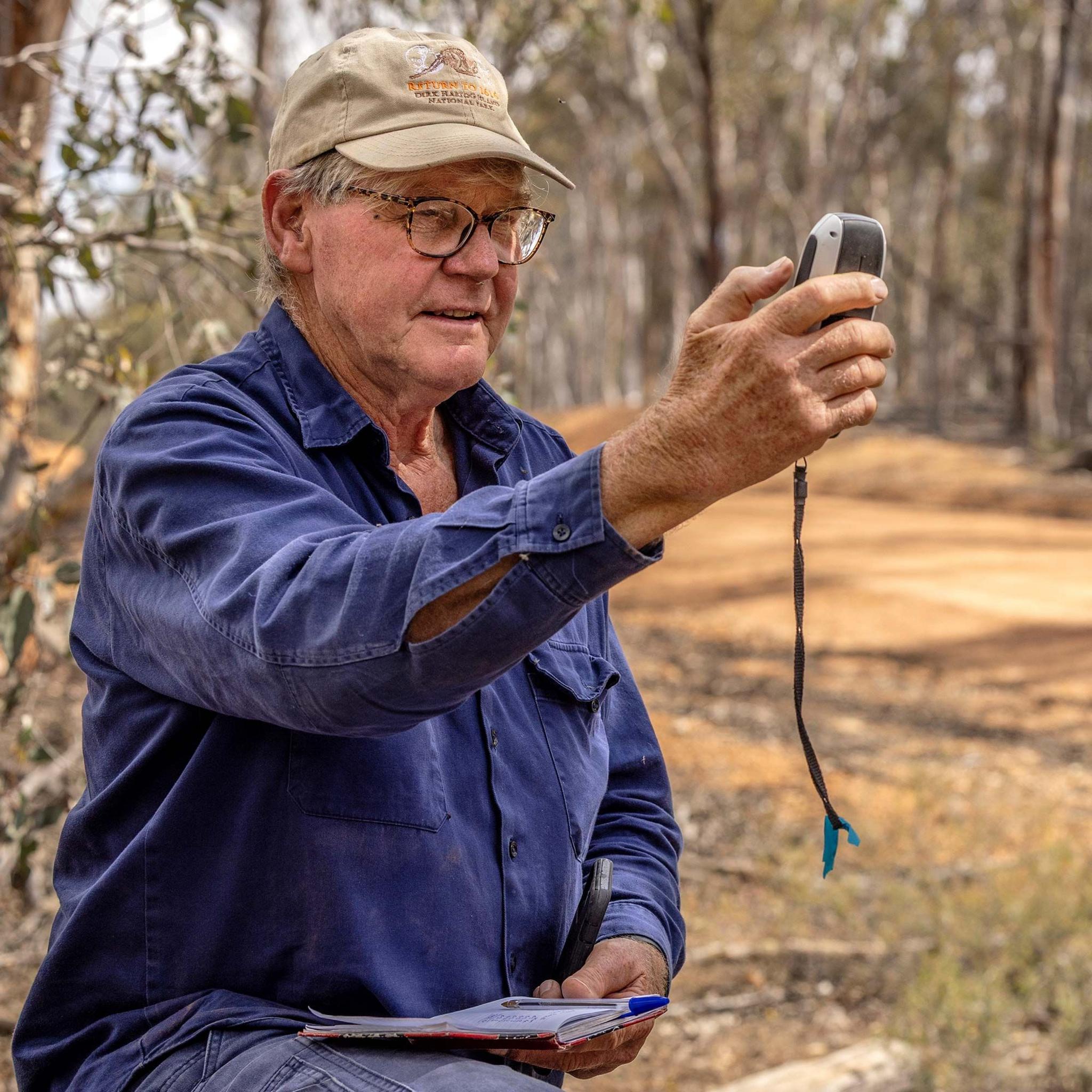
The mission is critical: to plot the species’ survival. For weeks each spring, as young numbats begin to venture from their burrows, the Numbat Taskforce drives a daily circuit, meticulously recording every sighting. GPS coordinates are logged, distances to the road are measured, and a complex equation is applied to estimate the density of these termite-eating marsupials within the woodland, providing a crucial barometer of broader population health. Their efforts have yielded remarkable success. Classified as endangered until recently, the numbat has defied the odds, bouncing back to the extent that it has been scratched off the international red list of threatened species. Now reclassified as "near-threatened," its story offers a rare and desperately needed glimmer of hope in a country facing an unprecedented biodiversity collapse.
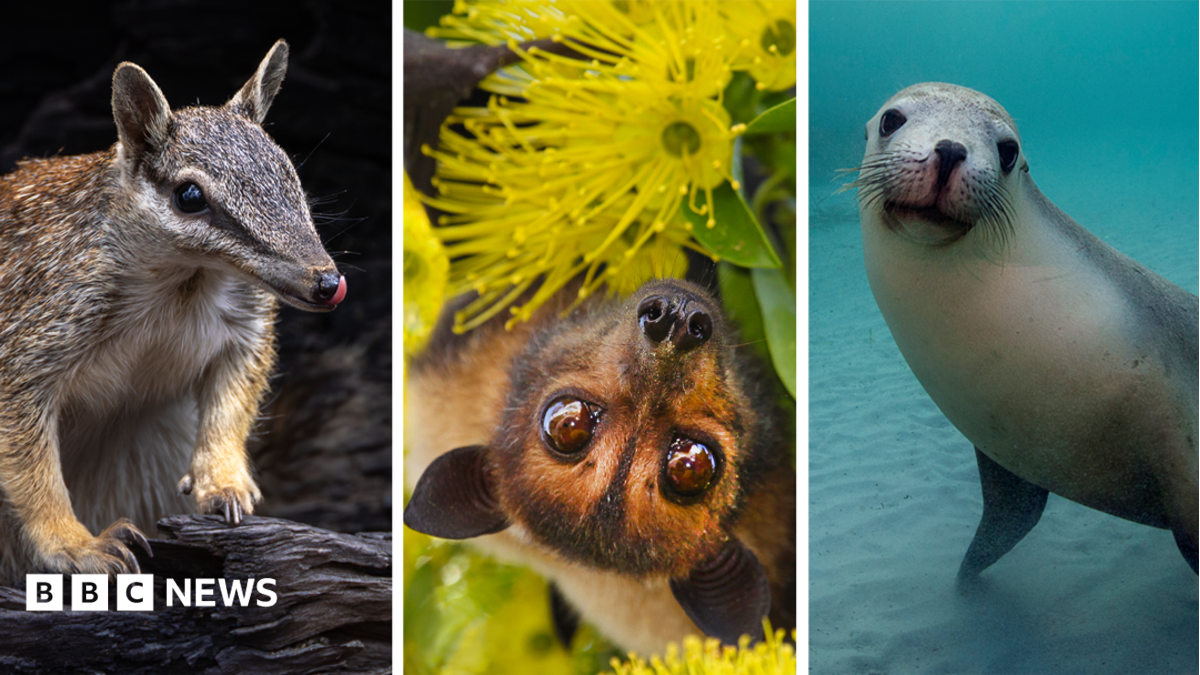
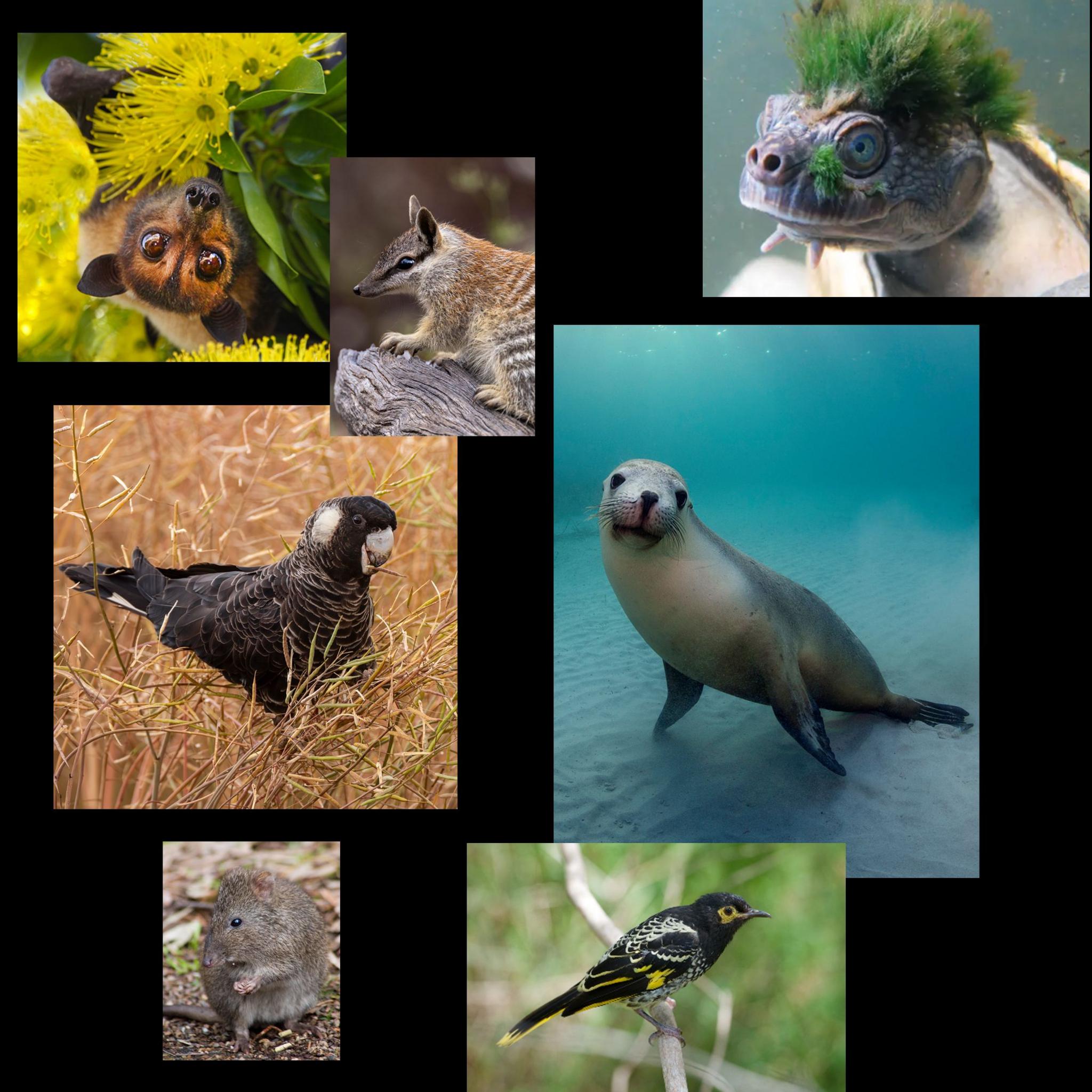
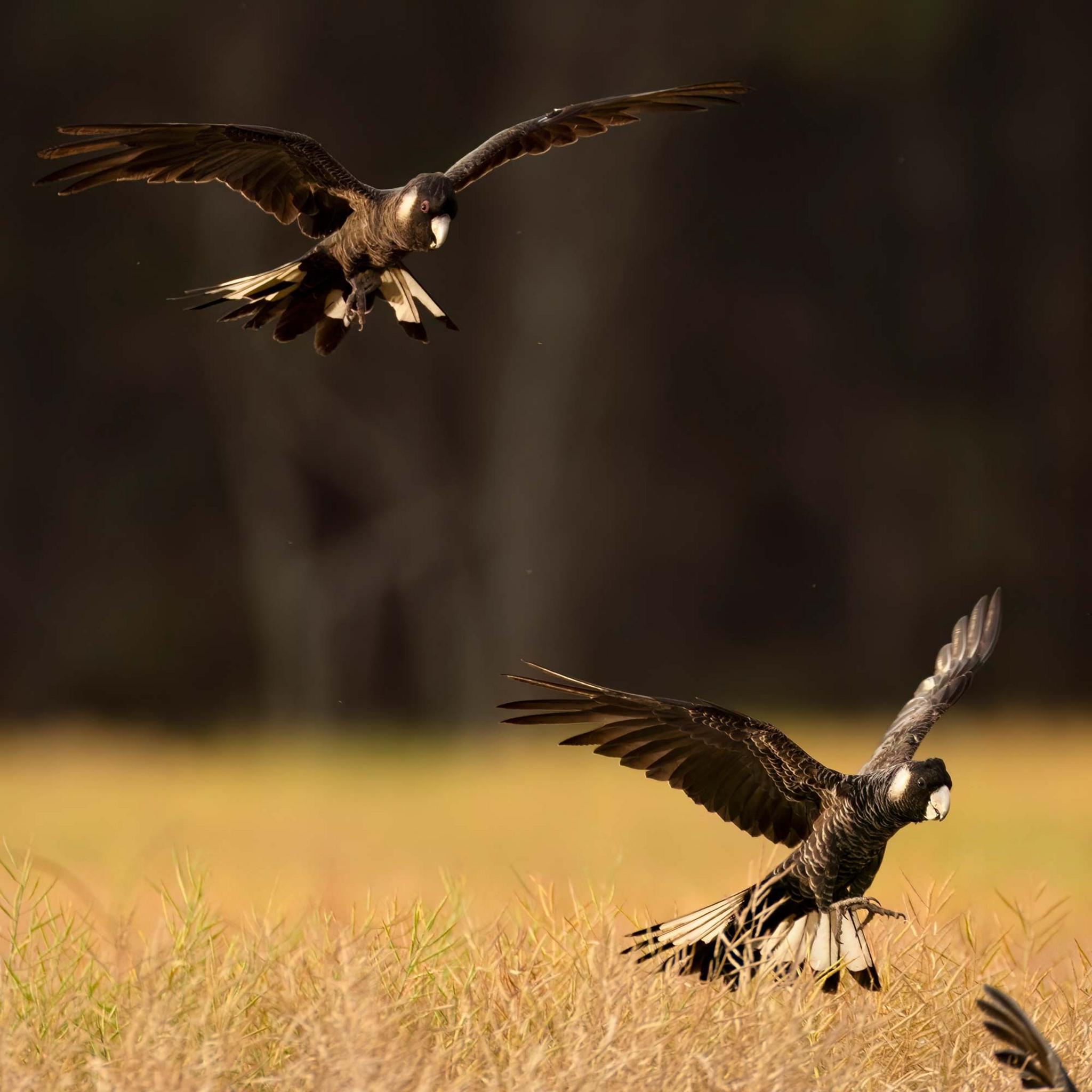
This corner of Australia, a biodiversity hotspot in its own right, epitomizes the crisis. It serves as a last stand for countless species driven to the brink by a relentless onslaught of threats. Overhead, the endangered Carnaby’s cockatoo wings its way through diminishing habitats. On nearby islands, one of the world’s rarest marsupials, the Gilbert’s potoroo, clings to survival in one of its last remaining pockets. In the sapphire waters surrounding the coast, the increasingly scarce Australian sea lion battles for existence. Australia, a land celebrated for its unique natural heritage, where over 80% of its plant and animal species are found nowhere else on Earth, has paradoxically become the extinction capital of the world. The nation loses an average of four species every decade, and experts warn that this devastating decline is only accelerating.
"It’s not even a case of imagining it, it’s happening in front of our own eyes," laments Professor Euan Ritchie, a prominent mammal ecologist. The challenge of spotting a numbat in the wild is immense; its squirrel-like size and striped camouflage make it a master of disguise. "They just slept in today," jokes Rob McLean, president of the Numbat Taskforce, during one particularly quiet morning. For hours, the team cruises along bush tracks, scanning the ends of logs, peering between dense scrub, their concentration unwavering. Through the trunks of the protected woodland, glimpses of cleared farmland, a stark reminder of habitat fragmentation, serve as a constant backdrop. On the side of one trail, a machine designed to detect and spray feral cats and foxes with poison stands as a grim testament to the pervasive perils numbats and other native species face.
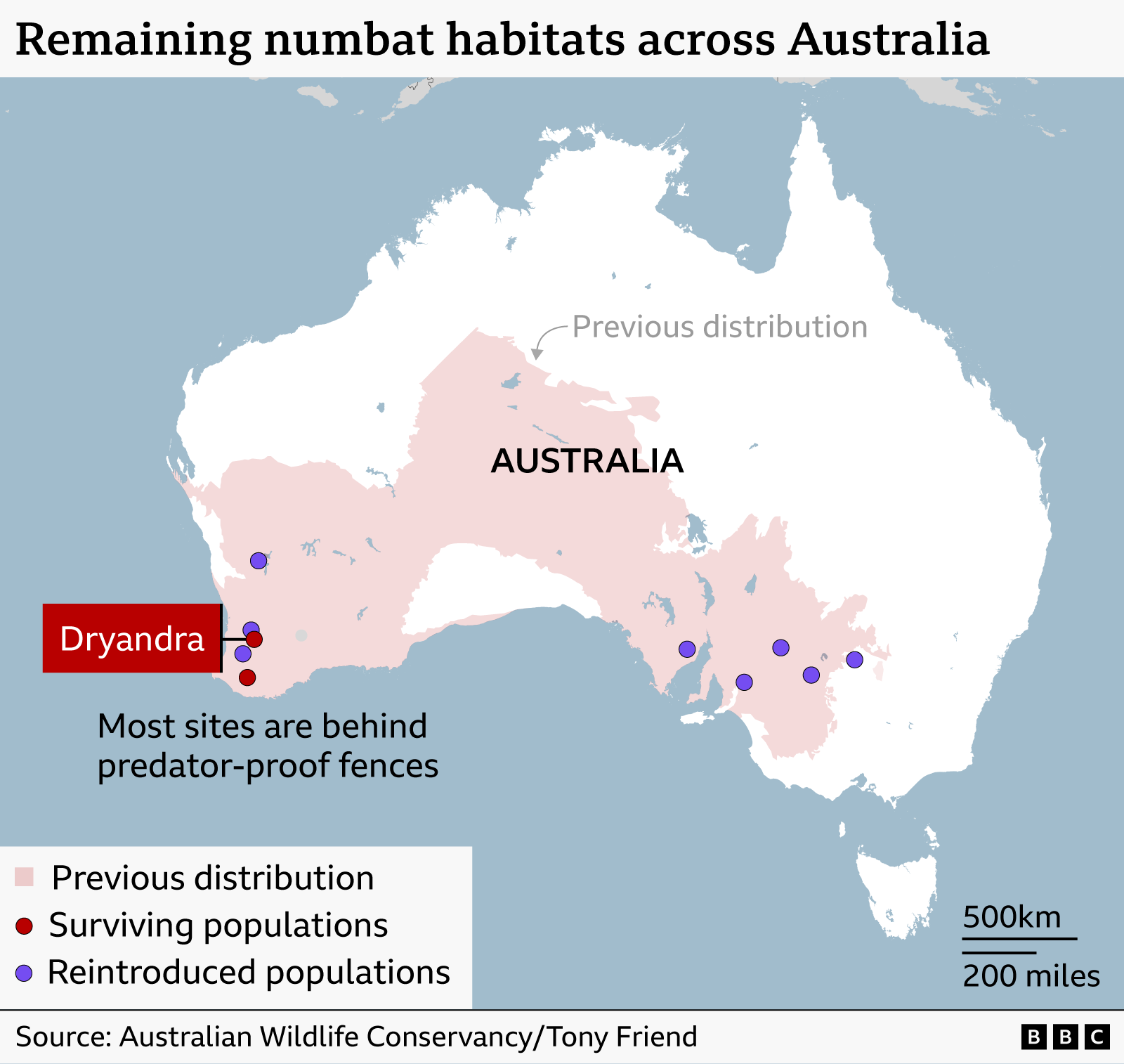
Dr. Tony Friend, often called the "godfather of conservation" in Western Australia, arrived at Dryandra in the 1980s to find the numbat population critically low, fewer than 50 individuals. The culprits then are largely the same ones still driving extinctions across the nation today. Swathes of critical habitat are being cleared at an alarming rate for urban development, agriculture, mining, and timber industries. This unbridled expansion leaves a trail of destruction, fragmenting ecosystems and isolating vulnerable populations.
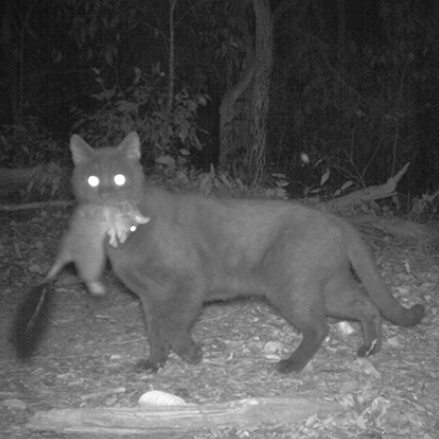
Introduced pests wreak havoc across the continent. Feral cats, a particularly devastating menace, kill an estimated three billion native animals each year, ranging from small marsupials like numbats and potoroos to ground-dwelling birds and reptiles. Foxes, another introduced predator, prey on a wide array of native fauna. Invasive species like fire ants and cane toads disrupt ecosystems, outcompeting native species and introducing new diseases. Invasive weeds, such as lantana, choke the Australian bush, altering natural fire regimes and reducing available habitat. Diseases also contribute significantly to the decline: chlamydia has pushed koala populations to the edge of existence in many regions, while the skin-eating chytrid fungus has caused seven known frog extinctions in Australia alone, with more expected.
The changing climate exacerbates these threats, creating unlivable conditions for many species. Native flying foxes, for example, have been observed dropping from trees in their thousands during extreme heatwaves, unable to cope with soaring temperatures. For others, climate change eliminates their food sources, alters breeding cycles, or destroys their homes through increasingly frequent and intense natural disasters. The infamous Black Summer bushfires of 2019-20 scorched vast tracts of land, killing an estimated three billion animals. The successive years of record-breaking flooding that followed were so widespread that their full impact on wildlife remains impossible to quantify. Many species, once abundant across the continent, are now isolated to increasingly small and disjointed patches, each impact compounding and leaving them more vulnerable to the next catastrophe.
Despite the daunting scale of the problem, small, yet determined efforts are underway to slow the momentum of decline. At Perth Zoo, a young numbat eagerly devours its breakfast – a special "custard with termite sprinkles" – as a keeper explains how this particular stud’s upcoming release at Dryandra will help boost genetic diversity within the wild population. "When you get that feedback: your babies have got babies, it’s very satisfying," says Vicki Power, a dedicated zoo keeper. Breeding programs like this have made it possible to establish additional populations of an array of threatened species. However, many cannot survive in the true wild, where large-scale predator control remains an endless, resource-intensive battle. Instead, they are often sent to fenced nature reserves, which themselves are high-maintenance undertakings facing their own problems, such as in-breeding and potential overpopulation.
Habitat protection and restoration projects are ramping up, but these efforts are not keeping pace with the destruction, particularly in the most critical biodiversity areas. Scientists are also working to combat diseases, an expensive and laborious endeavor that, for most species, buys only a little more time. Others are preserving genetic material in bio-banks, a desperate measure in case humanity ever develops the means to resurrect species from extinction.
Scientists widely agree that the world is currently experiencing its sixth mass extinction event, and the first caused by human activity. Australia, tragically, is at the forefront of this trend. It leads the world in mammal extinctions and holds a dismal record for the loss of other species classes as well. "Despite Australia being one of the wealthiest countries per capita in the world and having more than its fair share of world-leading scientists… we have a truly awful record of conserving species," Professor Ritchie emphasizes. "And things aren’t getting better." The Australian government’s official extinction list records 67 species, but researchers are confident that at least 100 plant and animal species have been lost forever. They suspect the true figure is far higher, with new species still being discovered only to find they have already been wiped out. While the rate of extinction in Australia has remained stable at around four species per decade, the number of threatened species is climbing quickly, and the deterioration of many is gathering speed.
This trajectory has frightening flow-on effects. Australia’s biodiversity "underpins everything," explains ecologist Jack Pascoe. It supports food production, tourism, construction – much of the nation’s economy. The loss of species stifles potential scientific breakthroughs in medicine, agriculture, and even climate change adaptation. For First Nations Australians, the decline of native flora and fauna also threatens their deep-rooted culture. "We think of ourselves as custodians of all life on Earth… so there’s a much more personal and social feeling of loss that comes when these things are not doing well or we lose them forever," says Pascoe, a man from the Yuin Aboriginal nation.
Though environmental protection is primarily a state responsibility, the federal government oversees matters of national importance. The Labor government, which took office in 2022, promised "no new extinctions under its watch" and has sought to make nature protection a defining feature of its second term. "It’s well understood that nature is facing many challenges in the world today, both here in Australia, and overseas… we are losing biodiversity at an alarming rate," Environment Minister Murray Watt stated. His party has significantly increased Australia’s emissions reduction efforts and massively boosted renewable energy projects. There has been some praise for their work on drawing critically endangered mammals back from the brink, and the passage of revamped environment laws last year was heralded as the most significant reform in a generation. The country also has an ambitious goal to halt and reverse biodiversity loss by 2030.
However, there is limited optimism that this will be a true turning point. The new laws are largely the "scaffolding of change," as critics describe them. The substantive details, in the form of National Environmental Standards (NES) and a federal watchdog to enforce them, are still being worked out. Many in the sector argue that the problem is not a lack of regulatory tools, but rather a persistent lack of political will to use them effectively. Robert Hill, Australia’s longest-serving environment minister, acknowledges that successive governments, including his own, have failed to adequately protect the environment over the past three decades. "We should have done more too," says Hill, who led the last major reforms in 1999 under John Howard’s conservative coalition.
Many challenges from Hill’s era continue to haunt leaders today. Australia’s wealth has largely been built upon its natural resources, often at the expense of the environment. These riches still underpin the economy and fund government spending on essentials like healthcare and housing. Industry lobbies exert immense pressure, and the competing interests of states blur lines of accountability, creating bureaucratic hurdles. These battles leave even the toughest environmental advocates within governments bruised. For example, the Albanese government last year rushed through laws protecting salmon farming after lobbying by Tasmanian state officials, silencing opposition from within its own ranks and ignoring advice from its department concerning the industry’s impact on the survival of the Maugean Skate, an endangered ray. "The axe falls on the environmental outcome if there’s the alternative of an economic one," Hill observes. "Even if [the federal government] does want to act, it’s still got to have the political strength to turn its aspirations into reality."
There is also a growing belief that greater regulation alone will achieve little. Too much conservation work currently relies on the limited cash of philanthropists and the tireless dedication of volunteers. Much more languishes on the to-do list due to a chronic lack of money. The federal government directly spends about A$700 million on nature protection, a mere fraction of the A$33 billion – or 1% of GDP – that conservationists say is actually needed. This figure, though eyebrow-raising to some, is argued to be reasonable by experts like Paul Elton. According to his research, which the government disputes, more than A$26 billion is still being spent on subsidies for environmentally harmful activities like mining, intensive agriculture, and fossil fuels, despite Australia signing global pledges to wind them back. "For every dollar the government is spending on positive biodiversity conservation action, there’s A$26 being spent on subsidies that are causing harm to nature," Elton tells the BBC. "That’s a pretty stark imbalance." Minister Watt did not directly respond to questions about conservationists’ financial demands, but affirmed, "We remain committed to long-term environmental recovery, in partnership with state and local governments, community and environmental groups."
Though public sentiment is slowly shifting, there is skepticism that the government will truly prioritize the environment amidst competing demands and compounding crises until voters unequivocally force them to do so. "The community will say to you, we should spend a lot of money on the environment. And then if you say, ‘Well, what are you prepared to sacrifice to ensure that funding base?’, then they’re no longer interested," Hill notes. In the face of so many challenges and what they perceive as little progress, advocates admit it’s hard to hold onto hope. "We know what the problems are. We know how to address them. We know when we spend money on the environment, it pays back many times over," Professor Ritchie asserts. "It’s like being a doctor and seeing all these sick people in the community and you know how to fix them, but no one will let you do that."
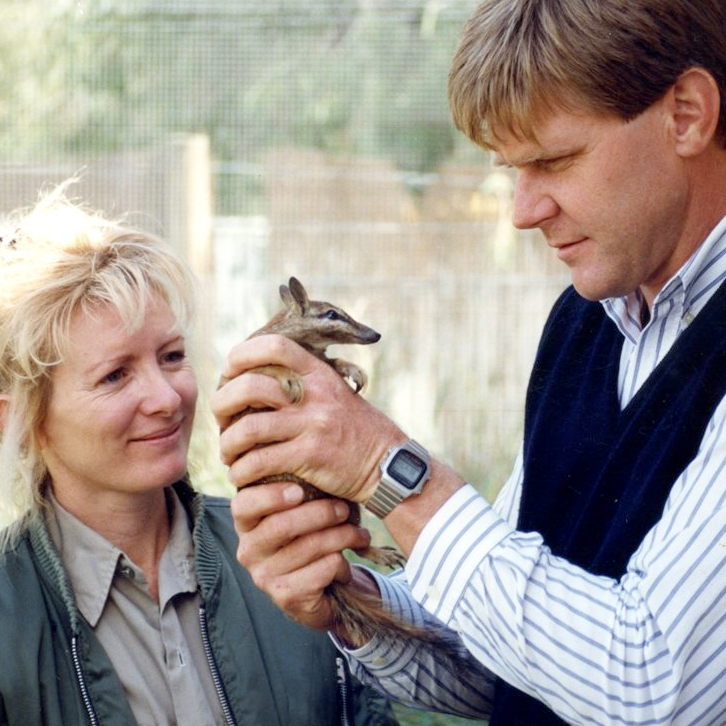
Yet, small wins, like the future of the numbat, keep them fighting. There are now approximately 3,000 numbats nationwide, and in Dryandra, their numbers have increased tenfold since Tony Friend began his work. The emotional payoff for the dedicated team is palpable. After five hours of searching, synchronized cries of excitement erupt from the driver’s seat and the back of the pick-up truck. A numbat stands frozen and alert at the end of a hollowing log, its striped back a fleeting vision of hope. "It’s not a competition," Rob McLean chuckles, pointing at his rival spotter, "But I beat him by a second." The dam breaks, and over the next short while, the team spots eight more numbats, including two pairs of babies, blinking in the dusky light. This year’s full count, Tony later confirms, is one of the best yet.
"But I remind people they’re not out of the woods yet," Tony says. The relief at the numbat’s revival is tempered by worry that its improved status might paradoxically make it harder to access the crucial funding and support needed to cement these gains. The woylie, or brush-tailed bettong, serves as a cautionary tale: it recovered slightly, was taken off the threatened list, only to be added again a decade later in an even worse state. "We can’t walk away," Tony insists, "and say ‘no, they’re fine,’ you know? It’s got to be accepted that continued work is needed to keep that animal on the planet." The numbat’s resilience offers a beacon, but the path to securing Australia’s unique biodiversity remains fraught with challenges, demanding unwavering commitment and political courage to translate aspiration into action.


 atisusanti
 George Anjay
 Nakalama John

 Ramos Leo