
 Nana Banana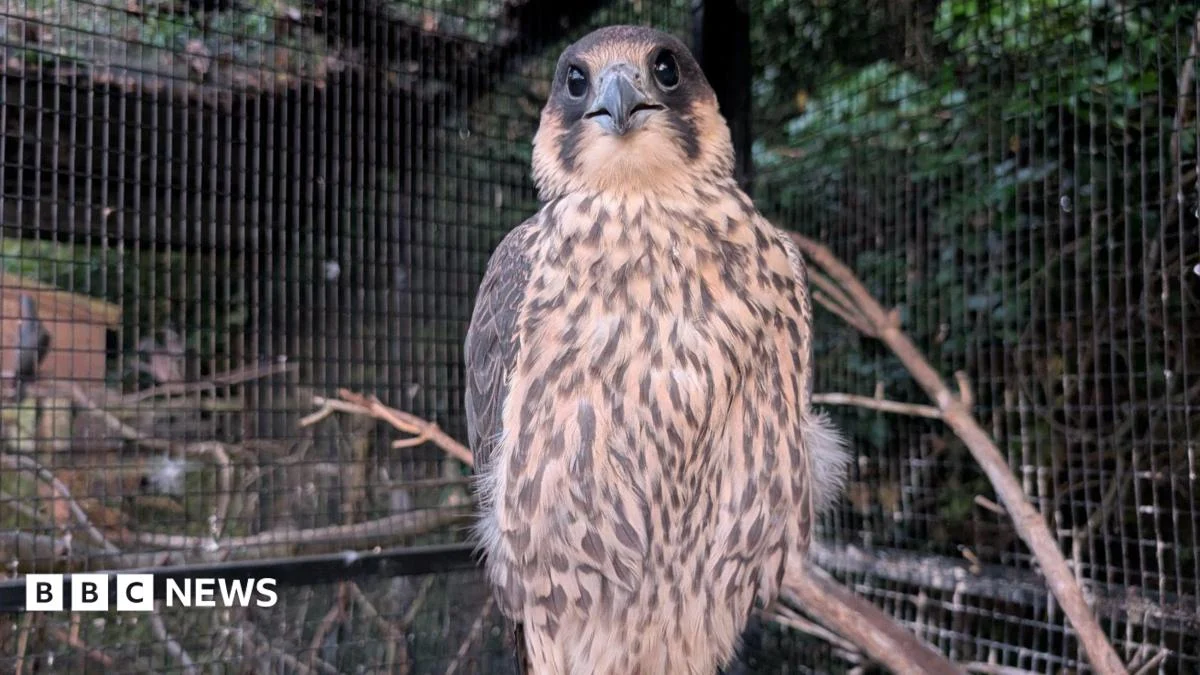
The discovery of a fledgling peregrine falcon grounded and injured in Nottingham sent ripples of concern through the local wildlife rescue community, particularly for Jon Beresford, one of the dedicated founders of Birds of Prey Aid and Rehabilitation (BAR). Beresford, a veteran in the field of raptor care, noted the unusual nature of the situation. "Unlike the vast majority of birds, when they fledge they don’t land on the ground, they have short flights from the nest and they go back to the nest," he explained, painting a vivid picture of the typical peregrine fledgling’s first forays into the sky. Peregrine falcons, renowned for their incredible aerial prowess and breathtaking speed, typically leave the nest, or eyrie, with a series of controlled, albeit sometimes clumsy, flights. These initial aerial excursions are usually short, designed to test their wings and build strength, with the young birds returning to the safety of their elevated nest or a nearby high perch under the watchful eyes of their parents. The fact that this particular young falcon was found on the ground, vulnerable and hurt, immediately signaled a significant problem.
The leading theory behind the injury pointed to a collision during one of these critical first flights. "So somehow she was found grounded and injured. So I suspect during her first trips from the nest flying, she’s come a cropper, she’s hit something," Beresford surmised. Urban environments, while offering abundant tall structures for nesting, also present a myriad of hazards for inexperienced fliers – reflective glass, power lines, and fast-moving vehicles all pose significant threats to young birds still mastering their formidable capabilities. The precise nature of the collision remained unknown, but the outcome was clear: the young falcon was in distress and desperately needed intervention.
Upon closer examination and through careful identification, a remarkable discovery was made, adding another layer of significance to the rescue effort. The injured bird was identified as the offspring of a male peregrine falcon that BAR had successfully treated and released just the previous year. This poignant connection underscored the ongoing commitment of BAR to the local peregrine population and brought a personal touch to the new patient’s plight. It highlighted the cyclical nature of wildlife rescue, where the fruits of past efforts often manifested in unexpected and deeply rewarding ways. The legacy of their work was quite literally flying, and now, a new generation needed their help.
Initial assessments at BAR confirmed the severity of the situation. While the exact injury was not publicly detailed, the bird’s inability to fly suggested potential wing damage, bone fractures, or significant soft tissue trauma. Treating a wild bird of prey, especially a peregrine falcon known for its fierce independence and powerful talons, requires immense skill, patience, and specialized equipment. The goal is always to minimize stress, provide expert veterinary care, and ensure the bird retains its wild instincts, making a successful return to nature possible. BAR, with its dedicated team and a wealth of experience, began the intricate process of stabilizing the young falcon.
However, BAR, while adept at initial treatment and rehabilitation, recognized a crucial limitation for this particular patient. The young falcon, still in its fledging phase, needed more than just recovery; it required a specialized environment to continue developing its flight skills safely and effectively. "But the shelter did not have the facilities for a young bird to continue to learn to fly," Beresford explained. This need necessitated a transfer to another facility better equipped for this specific developmental stage. The optimal environment for a fledgling peregrine to progress from injury recovery to full flight readiness involves vast, secure aviaries or flight tunnels that allow for sustained, strong flights without the risk of further injury or habituation to humans. Such facilities are rare and require significant space and resources.
Consequently, the young peregrine was transferred to an aviary at Leicestershire Wildlife Hospital, a partner organization renowned for its comprehensive rehabilitation programs. This collaboration between rescue centers is vital, leveraging the unique strengths of each to provide the best possible care for injured wildlife. At Leicestershire, the young falcon entered a new phase of its journey. Under the guidance of experienced wildlife rehabilitators, it would undergo a rigorous regimen designed to mend its injuries and recondition its powerful wings. This included carefully controlled exercise, a nutritious diet to support healing and growth, and meticulous observation to ensure its progress. The aim was not just to heal the physical wounds but to rebuild its stamina, agility, and confidence in flight, all while minimizing human interaction to preserve its wild nature. The expansive aviaries at Leicestershire provided the necessary space for the bird to stretch its wings, practice stoops, and gradually build the muscle memory essential for survival in the wild.
Weeks turned into months, a period of intense dedication from both teams. Every small improvement, every stronger flap of a wing, every successful short flight within the enclosure was a testament to the bird’s resilience and the unwavering commitment of its human caregivers. The journey was arduous, filled with both hope and challenges, but the ultimate goal remained clear: to return this magnificent creature to the skies where it belonged. Beresford and his team at BAR stayed in close contact, eagerly awaiting updates on their patient’s progress, their emotional investment deepening with each passing day. The privilege of working with such an iconic species, coupled with the personal connection to its lineage, fueled their determination.
Finally, the day arrived when the young falcon was deemed fit for release. The moment was meticulously planned, choosing a location that would give the bird the best chance of reuniting with its family, a critical factor for a fledgling still learning the ropes of independence. The air was thick with anticipation, a mix of excitement and apprehension. For Beresford and the team, it was the culmination of countless hours of work, worry, and hope. As the carrier opened, the peregrine hesitated for a brief, poignant moment, then launched itself into the sky with a powerful thrust of its wings, soaring upward with an elegance that belied its recent trauma.
Beresford, watching the falcon ascend, articulated the profound satisfaction that comes with such a success. "It’s a privilege not only to treat such a magnificent bird as a peregrine falcon, but also to release her and see her fly again so well," he stated, his voice filled with emotion. The sight of the bird, a symbol of freedom and raw power, reclaiming its rightful place in the heavens, was a reward far greater than any monetary compensation. It was a tangible victory for conservation, a testament to the impact of dedicated individuals.
The true magic, however, was yet to unfold. Shortly after its release, as the young peregrine navigated the familiar urban landscape, a series of distinct calls pierced the air. "After hearing ‘some squawks’," Beresford recounted, describing the unmistakable communication of peregrine falcons. These calls, a combination of sharp "kek-kek-kek" alarm cries and softer contact calls, are crucial for family cohesion. It wasn’t long before the released falcon, guided by instinct and the familiar sounds, located her family. There, perched on a high ledge, were her parents and siblings, their forms silhouetted against the sky. The reunion was instantaneous, a flurry of wingbeats and excited vocalizations as the family unit welcomed back their lost member.
The sight was overwhelming, even for seasoned rescuers. "It really brought tears to our eyes," Beresford confessed, his voice thick with emotion. This was more than just a successful release; it was a complete restoration of a natural order, a poignant reminder of the deep family bonds within the animal kingdom. To witness a wild creature, rescued from the brink, not only recover but also reintegrate into its family, was a profoundly moving experience. It transcended the clinical aspects of rehabilitation, touching the very core of what makes wildlife conservation so essential. It was a moment of pure, unadulterated joy and a powerful affirmation of the tireless efforts of everyone involved.
The story of this Nottingham peregrine falcon serves as a powerful testament to the resilience of wildlife and the unwavering dedication of organizations like BAR and Leicestershire Wildlife Hospital. Peregrine falcons, once severely endangered by pesticide use, have made a remarkable comeback, particularly in urban environments where tall buildings mimic their traditional cliff nesting sites. However, their urban existence is not without peril, as this incident clearly demonstrates. Collisions, habitat encroachment, and human disturbance continue to pose threats. The success of this reunion underscores the critical importance of wildlife rescue and rehabilitation efforts, which not only save individual lives but also contribute to the overall health and genetic diversity of local populations. It highlights the vital role these organizations play in mitigating the impact of human activity on the natural world, offering a second chance to creatures that, through no fault of their own, find themselves in distress.
Beyond the immediate emotional impact, stories like this resonate deeply, inspiring greater public awareness and support for wildlife conservation. They remind us of the intricate web of life we share our planet with and our responsibility to protect it. Every donation, every volunteer hour, every person who knows to call a rescue organization when they find an injured animal, contributes to these vital successes. The tears in Jon Beresford’s eyes were not just for one bird, but for the profound connection between humanity and the wild, a connection strengthened by compassion, dedication, and the shared joy of seeing a magnificent peregrine falcon soar free and rejoin its family in the vast, open skies of Nottingham. This triumphant reunion stands as a beacon of hope, a powerful narrative of survival, and a reminder of the enduring beauty and fragility of the natural world.


 atisusanti
 George Anjay
 Nakalama John

 Ramos Leo