
 Ramos Leo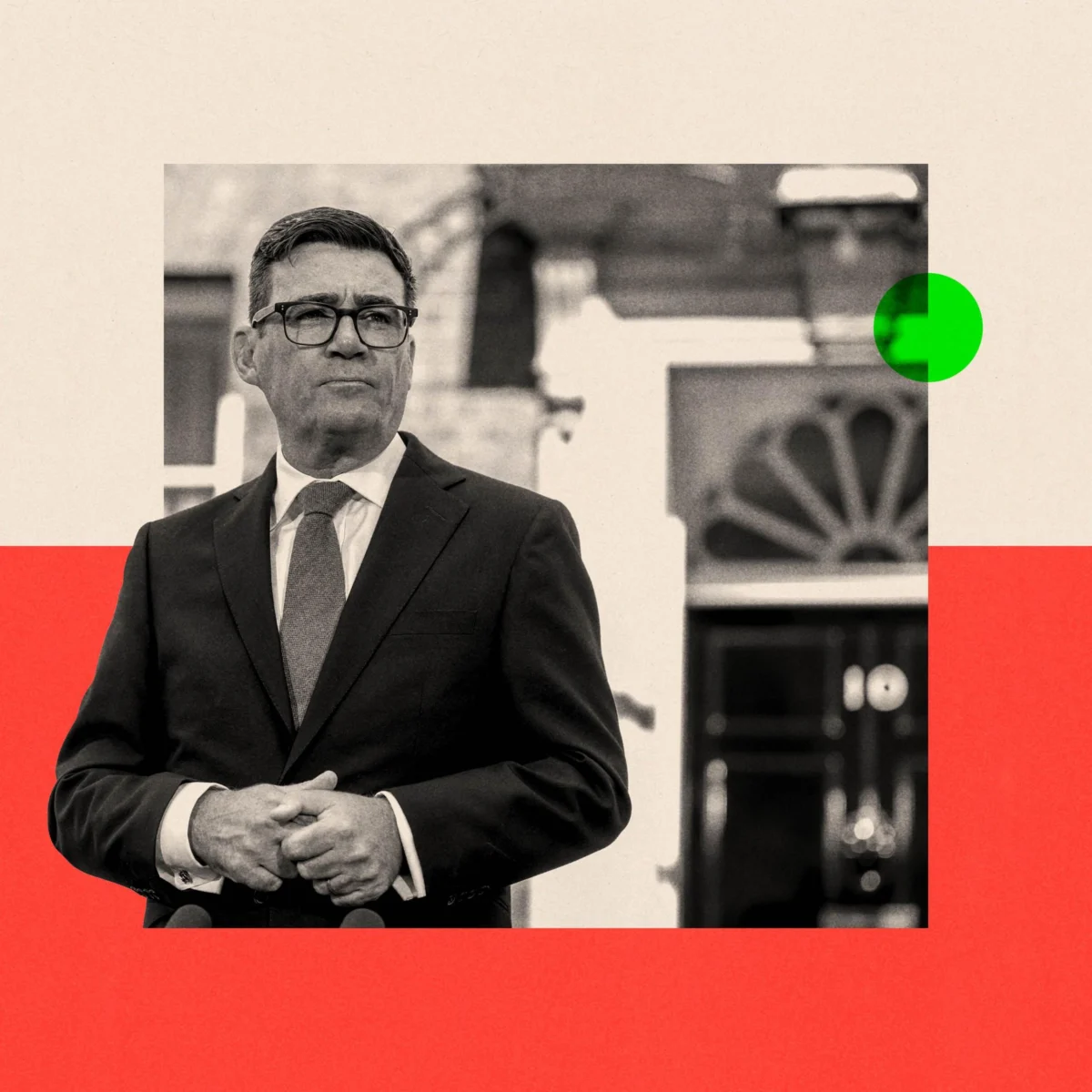
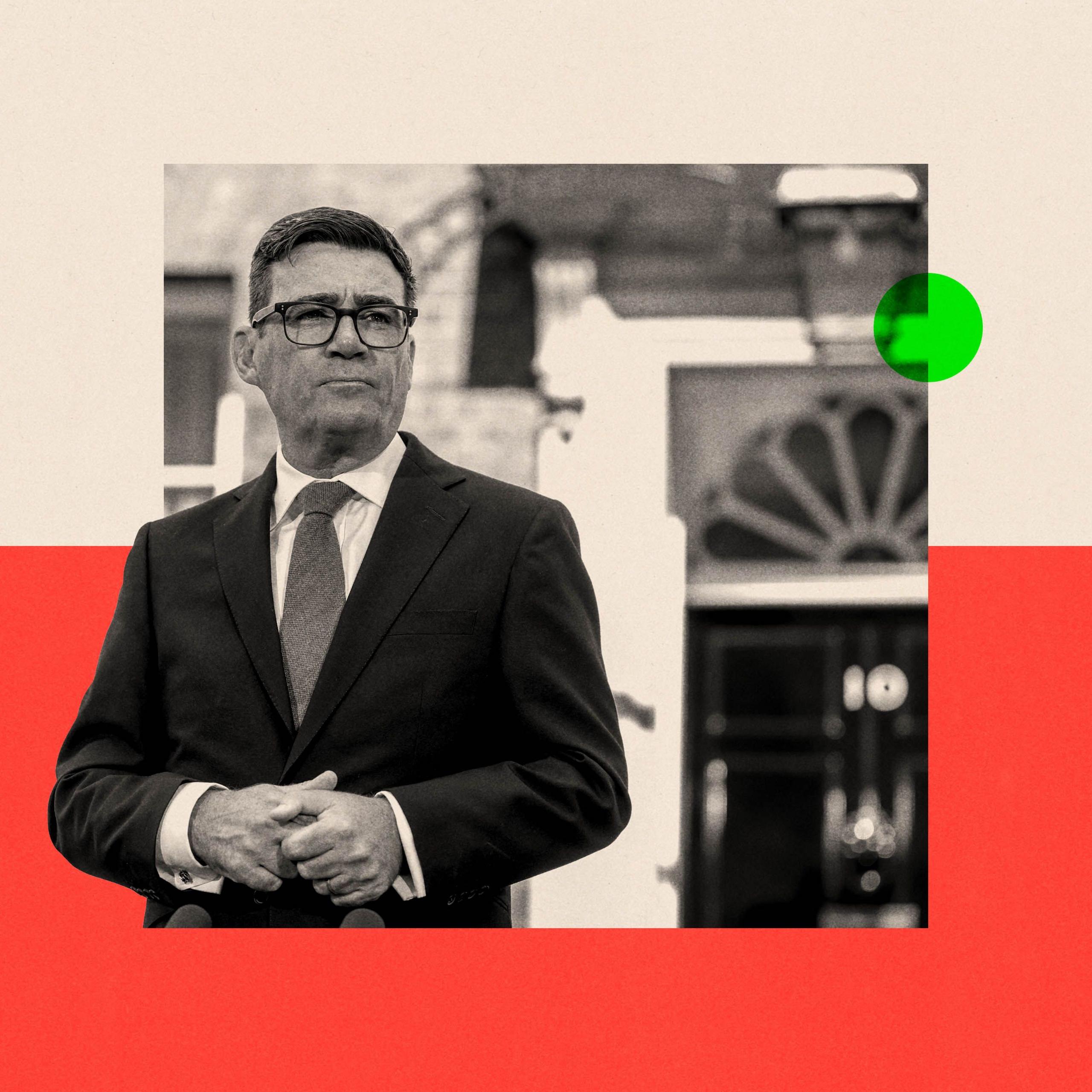
"You can clap now," a Downing Street official with a clipboard instructed the staff eagerly lining the halls of No 10, their faces a mixture of anticipation and nervous excitement, in the moments before the new prime minister walked in. The buzz was palpable, a low hum of chatter that instantly transformed into a crescendo of applause as the famous black door swung open. The first sight and sound to greet Andy Burnham and his wife were crowds of clapping staff, a human tunnel stretching the length of the Downing Street hall, all the way to the threshold of the Cabinet Room – deliberately left ajar for him to walk straight in and, symbolically, get down to work.
Having witnessed numerous prime ministers arrive and depart from outside the iconic address, I had never before been granted access inside at such a pivotal moment. To hover outside the Cabinet Room, to grab a quick word with the country’s new leader at this intense, symbolic juncture, offered an unparalleled glimpse into the transition of power. I have rarely seen a politician look as thoroughly delighted as Burnham, pride radiating from his meticulously buttoned-up suit – a distinct departure from the more casual T-shirt and bomber jacket that had become his signature during his mayoral tenure, clearly not deemed appropriate for the gravitas of No 10. He was a leader who seemed to want to stop and shake every hand, a trait that immediately set a different tone.
No 10 staff are already wondering if they’ll ever be able to stick to a regular prime minister’s schedule, normally designed with military precision. Burnham’s evident desire for personal connection, his willingness to engage with everyone, suggests a potential disruption to the rigid timetable of prime ministerial life. If Andy Burnham was able to take the time to stop and speak to everyone in the country, I suspect he probably would. This innate approachability is a sign of his different style, one that was immediately evident in the unprecedented access granted to our team. We were given permission to be behind the scenes at three key moments in the 59th prime minister’s first week in charge: when he became Labour leader, when he walked into No 10, and on day one at his new Manchester outpost, No 10 North.
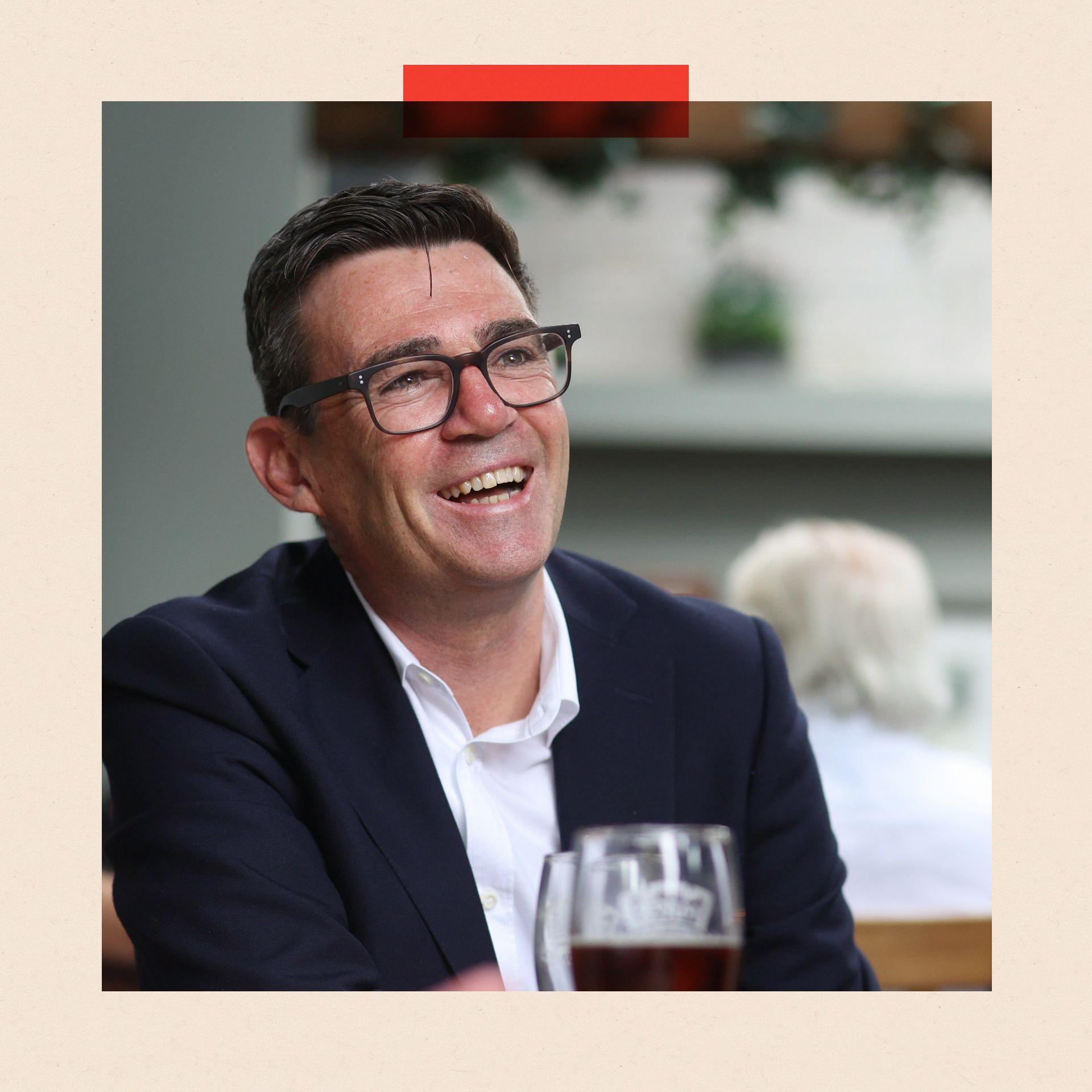
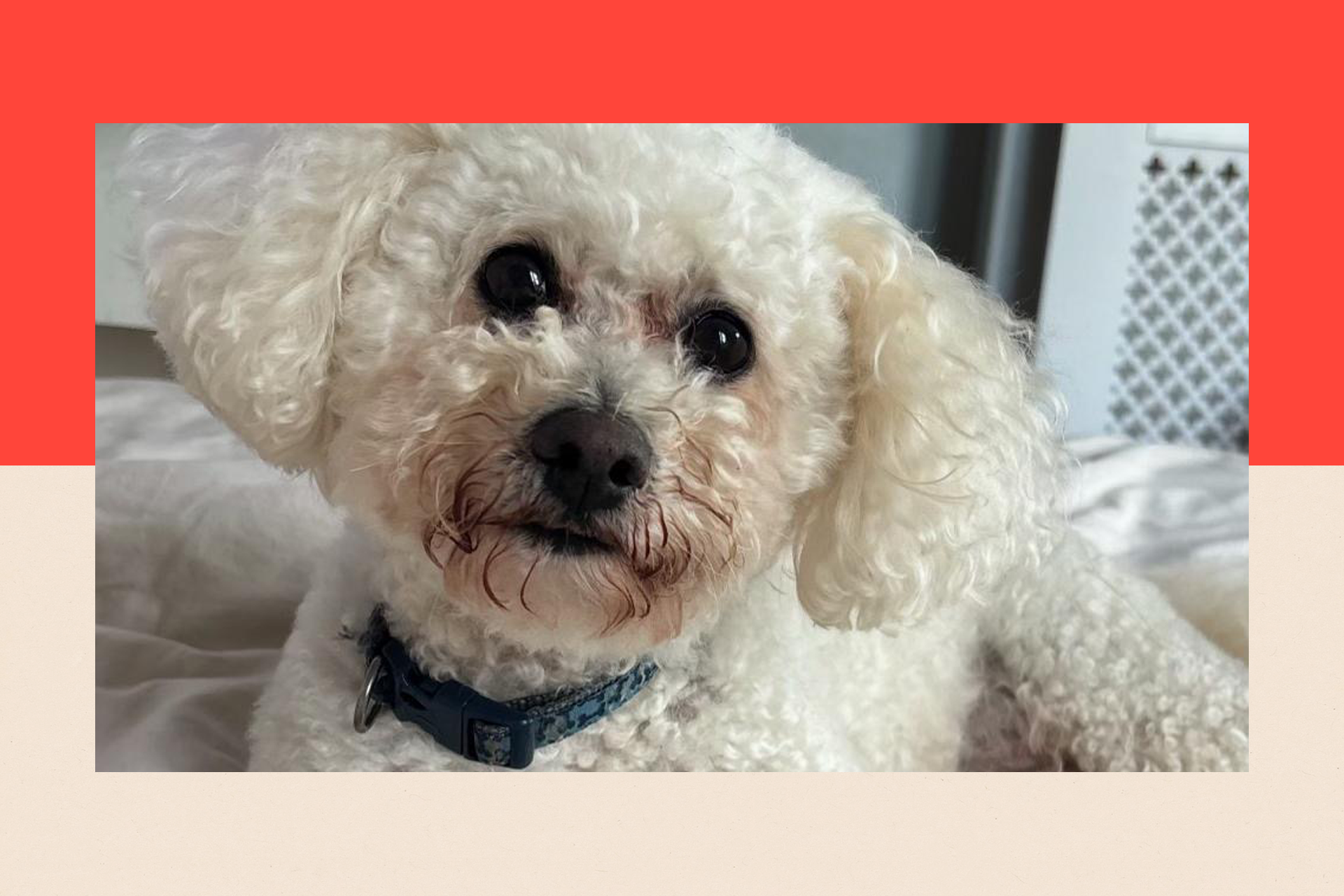
Most important by far was our half-hour interview in that shiny new office, a crucial opportunity after weeks during which Burnham was chased by accusations he’d avoided tough questions during the leadership campaign. But the extra glimpses we were given, alongside Burnham’s own voracious appetite for social media, display a prime minister that’s not just at ease in front of the cameras, but a leader who actively wants to bring the public along for the ride. These included revealing moments that are normally hidden from public view – his first steps into the Cabinet Room to appoint his new team, the casual banter of rating pub snacks with his new Chancellor, John Healey, captured in an Instagram post, and sharing pictures with us of the family dog, Axel, whom he describes as having "angry little man energy." This deliberate openness seeks to foster a sense of relatability and authenticity, hallmarks of his political brand.
"Comms" – how politicians communicate, explain themselves, and talk to the public – is not the be-all and end-all of governance. Burnham’s exploits online, while undoubtedly bringing some mockery and launching a thousand memes, are a calculated move. Yet, if a leader can’t effectively capture public attention to make their arguments – a challenge that his predecessor, Sir Keir Starmer, found particularly arduous – ultimately, they are not going to get very far at all. The biggest difference in the Labour reboot so far is profoundly evident in how the government looks and sounds. They’ve placed an obvious priority on punter-friendly announcements such as cutting VAT from energy bills and introducing tax breaks for pubs – policies designed to offer immediate, tangible relief to ordinary households and businesses. However, it is crucial to note that the intricate details on how to pay for all of these significant pledges are not yet clear, a financial tightrope walk that will define his early economic credibility.
For Burnham, telling his story, connecting with the public on a personal level, is the easy part. Joking about the unique stink that accompanies Scampi Fries, or proudly showing me his gold disc on loan from The Smiths’ legendary guitarist Johnny Marr, are effective ways to build rapport. However, these anecdotes, while charming, won’t help him navigate the complexities of dealing with a potentially unpredictable US President Donald Trump, find the billions needed for defence spending in a volatile world, or create a truly comprehensive new service to care for the elderly and vulnerable in England. Nor will they be any use as he grapples with the country’s huge national debts, the profound implications of changing demographics, or the deeply entrenched public concerns about immigration. These are the intractable challenges that await any occupant of No 10.
Listening carefully during our interview, it seemed Burnham operated with distinct gears. He was fluent, passionate, and utterly convincing on his familiar ground: his deeply held desire to reform social care, his proven track record as Mayor of Greater Manchester, and his ambition to run a government that feels relevant and effective where people actually live. This vision includes empowering local leaders, eager to make many more decisions and able to spend taxpayers’ money more freely without constant permission from Whitehall. These are his core beliefs, arguments he’s articulated hundreds, if not thousands of times, refined over years in regional government.
But when it came to how he’ll apply what he thinks in principle to what he does in practice, that was not always so clear. On social care, for example, he has long championed the idea of a National Care Service, akin to the NHS. Yet, in a major speech scheduled for Wednesday, that is not likely to be what he unveils. Instead, he told me he’d "brought it straight forward," understood to mean accelerating the government review by Baroness Louise Casey of what ought to be done, rather than immediately presenting a fully formed, costed plan. This suggests a more pragmatic, perhaps cautious, approach to monumental reforms.
When faced with questions that are landing on his desk for the first time as prime minister, a rhetorical contradiction emerged. Burnham repeatedly stated his commitment to sticking to the manifesto the country voted for in 2024. Yet, he has also vowed that his arrival in office will usher in the biggest change in four decades. You don’t have to be a student of political history to find a significant mismatch there – how can he promise to broadly adhere to Sir Keir Starmer’s established plan, yet simultaneously shift the government more fundamentally than even Brexit or the 2008 financial crash? The tension between continuity and radical transformation will be a defining feature of his premiership.
Beyond this rhetorical tension, Burnham gave clear indications that he would apply "new eyes" to existing policies. Will he stick to the previous home secretary’s contentious plans to make migrants wait 10 years or more before they can permanently stay in the UK? "He’s looking at that again," he told me, hinting strongly that care workers, a sector facing critical shortages, could possibly be exempt from such stringent conditions. What about welfare? Remember, Sir Keir Starmer famously ditched most significant reforms in the face of resistance from his own back benches. While seeking not to "blame" anyone receiving benefits, Burnham asserted that the country had to "get serious" about getting the welfare bill down, and suggested he might make it harder for some people to claim, potentially by imposing extra conditions. These would be significant shifts, risking backlash from elements within his own party and from political opponents.
He remained coy about precisely where he was going to find the extra billions for defence or to adequately fund public services. He reiterated his pledge to stick to the promises on income tax, VAT, and National Insurance made in 2024. However, the prime minister clearly pointed to a possible shake-up of the council tax system, hinting that those with the most expensive properties might have to pay considerably more. Changes like that to council tax, or to welfare, would represent huge political moves, inevitably putting him on a collision course with some of his party’s traditional supporters, as well as with the opposition.
Then, when it comes to matters of war and peace, which for Burnham are genuinely new responsibilities, it felt we could see him thinking in real time how to answer the question, perhaps trying to balance giving a flavour of who he is, without creating a political accident. Does he trust Trump? Twice he wouldn’t say, offering instead: "It’s a changing world," as his second, more diplomatic answer. Would he take a call from Russian President, Vladimir Putin? A pause, then: "I’d have to know the circumstances." These hesitations underscore his relative inexperience on the global stage, a vulnerability he will need to quickly address.
As mayor, Burnham evidently spent years thinking hard about how to use power, and how he wants to shift the balance in the UK away from the perceived centralisation of Westminster. The impact of that stance could be profound, far beyond some admirably shiny No 10 signs emblazoned all over one floor of a government building in Manchester. Mayors are now expected to gain the power to spend nationally collected income tax, and crucially, to spend billions without the usual Whitehall strings attached, a radical departure from current practice. Burnham also spent significant time as mayor absorbing people’s experiences, their hardships, and frustrations, which he views as a critical foundation for national leadership. "My strength always is in remaining close to people, close to the public, that will not change because I am prime minister," Burnham told me. Although don’t be in any doubt, he also spent considerable time thinking and planning about how to make a return to the political heart of this country, the very Westminster he believes is so flawed.
But when it comes to the gravest matters that prime ministers have to deal with – national security, the projection of power around the world, or the country’s long-term economic stability – we’re perhaps yet to see if Burnham’s ambition for No 10 is accompanied by truly new big ideas that match the scale of his rhetoric. There are worries on the right of the Labour Party that Burnham has not fully absorbed the harsh reality of the country’s economic position – years of stuttering growth and sky-high levels of debt that leave the UK incredibly vulnerable to the financial markets’ judgements, whether he likes it or not. And concerns on the left, that he’s tickled their bellies with promises of "authentic Labour," flirting with the ideas of increasing state control of vital industries, but which might not actually come through. And like most incoming prime ministers, he has precious little experience of handling international events. The moments in our interview where he was least sure-footed were precisely those answering questions about how he’d manage relationships with figures like Donald Trump and Vladimir Putin.
One minister, reflecting on Burnham’s blend of populism and pragmatism, suggested he’d "vibe left, but govern from the centre." Perhaps, as he’s tried to give firms and families a "breathing space" when it comes to the cost of living, he’ll ask for similar "breathing space" from the public before his complete, detailed programme becomes clear. Burnham has long been an unusual politician – a leader who has managed to be genuinely popular in a time when politicians often disappoint and are sometimes despised. He knows he’s walking into a job that’s been marked by failure for a decade. As he told me, "the onus is on me not to be another one who just doesn’t change things." He sees himself as part of a political generation he proclaims to be "just not good enough," a powerful motivator for change.
Remember, his own career has had plenty of moments of failure too. It took Burnham three goes to become the leader of his party, a testament to his persistence. As he arrived, straightening his tie, to be confirmed in the top job in central London 10 days ago, I asked him why he’d taken so long. He laughed and told me, "I like to make an entrance." Andy Burnham has now truly arrived. But he knows all too well, there won’t be applause everywhere he goes, and the real work, far removed from pub snacks and social media, has only just begun.



 Roy Suryo

 Nakalama John
 atisusanti
