Ramos Leo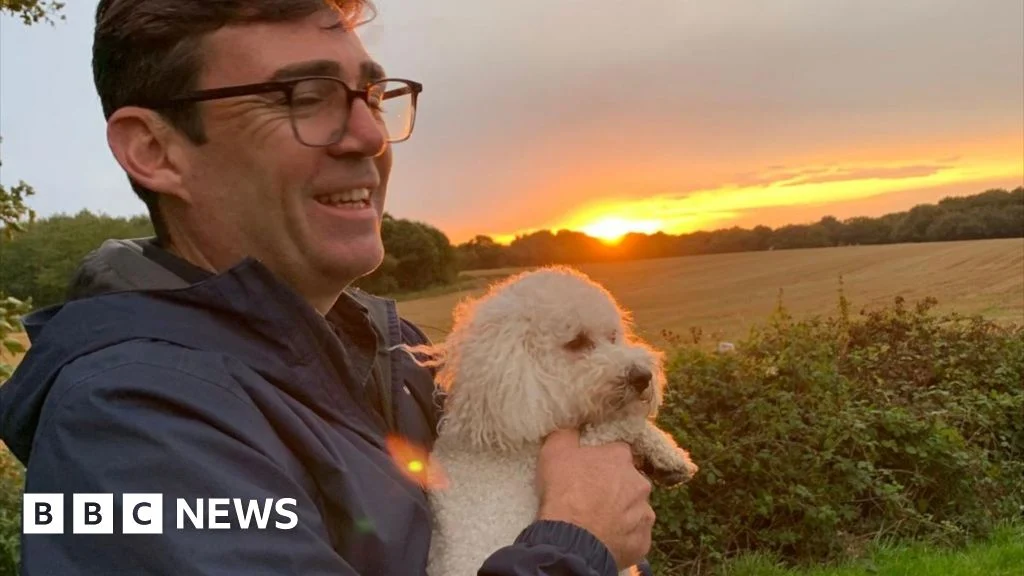
The announcement offers a rare glimpse into the personal considerations faced by a Prime Minister, balancing the immense responsibilities of state with the simple affections of home life. Burnham’s dog, Axel, a lively and affectionate poodle-mix, has been a constant companion through his years as Mayor of Greater Manchester, often seen alongside him during walks or in social media posts, embodying a grounded connection to everyday life. However, the unique ecosystem of No 10, particularly its feline monarch, Larry, presented an insurmountable challenge for a peaceful cohabitation. Larry, a brown-and-white tabby, was adopted from Battersea Dogs & Cats Home in 2011 during David Cameron’s premiership and has since become a global icon, a permanent fixture transcending political administrations. He has outlasted three Prime Ministers before Burnham, witnessing the tenures of Cameron, Theresa May, and Boris Johnson, and has consistently maintained his independent, often aloof, persona.
Burnham’s concern for Larry’s established domain and Axel’s potential disruption highlights a thoughtful consideration for the resident cat’s well-being and the symbolic importance he holds. Larry is not merely a pet; he is an institution, celebrated for his perceived indifference to the political machinations around him, and for his steadfast presence. His legendary feuds with other Downing Street animals, notably the Foreign Office cat Palmerston, were well-documented by the press, underscoring the delicate balance of power within Whitehall’s animal kingdom. Larry’s enduring popularity and his role as a calming, apolitical figure mean that any new animal entering his territory would be subject to intense scrutiny, both from the cat himself and the admiring public.
The decision to keep Axel in Greater Manchester speaks volumes about Burnham’s enduring ties to the region he has represented for so long. While the Prime Minister will now reside at No 10, Axel will continue to live in the family home in Manchester, presumably cared for by other family members or close friends. This arrangement allows Axel to maintain his familiar routine and environment, shielding him from the intense public glare and the potential stress of a new, high-profile setting. For Burnham, it also provides a tangible link to his roots and perhaps a quiet refuge from the unrelenting pressures of his new role, knowing his dog is content and well-cared for in a familiar place. It reinforces an image of a leader who values personal connections and understands the practicalities of domestic life, even when operating on the global stage.
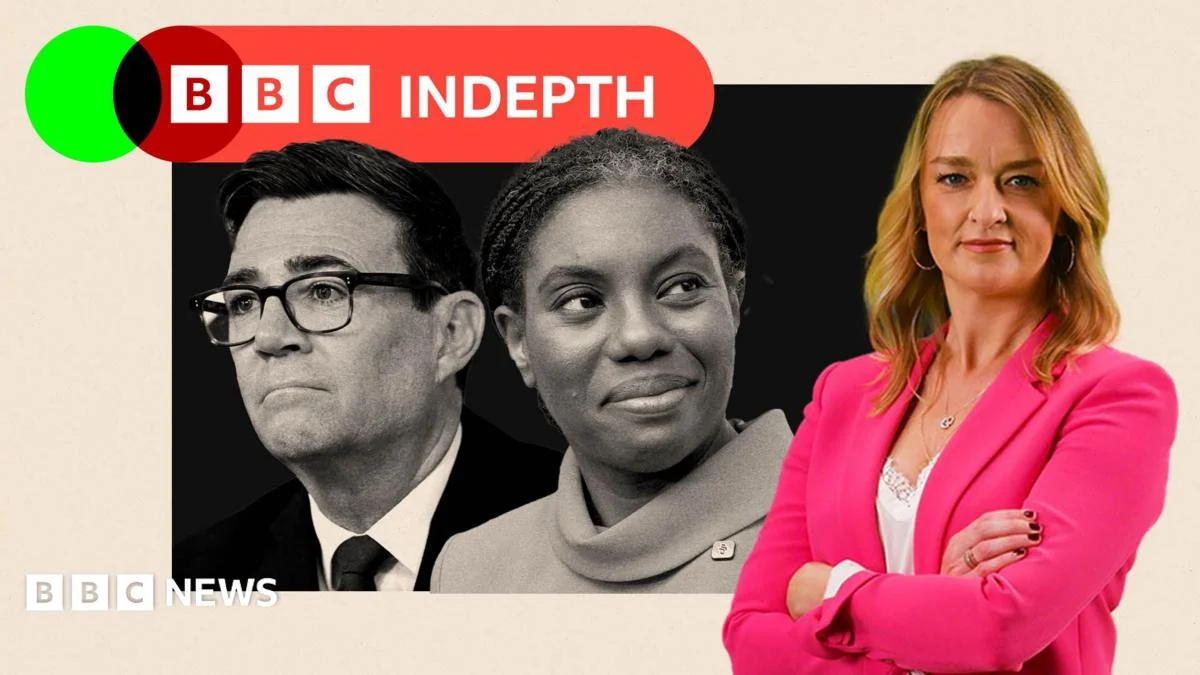
The Prime Minister’s comments were made during the highly anticipated “Panorama Andy Burnham: The Laura Kuenssberg Interview,” which promises to be a revealing insight into his vision for the country and his approach to leadership. Such interviews, particularly early in a Prime Minister’s tenure, are crucial for setting the tone of an administration, and while policy and national challenges will undoubtedly dominate, personal anecdotes like the one about Axel and Larry serve to humanise the figurehead. They allow the public to connect with leaders on a more relatable level, fostering a sense of shared experience beyond the often-abstract world of politics. Laura Kuenssberg, known for her incisive questioning and ability to elicit candid responses, likely steered the conversation through a range of serious topics before touching upon the more personal aspects of life in No 10. The inclusion of such a detail, even a seemingly minor one, underscores the comprehensive nature of the interview, aiming to present a holistic picture of the new Prime Minister.
Larry the Cat’s status as Chief Mouser is not merely ceremonial. He earned his title by demonstrating a keen aptitude for pest control, a vital service in a building of No 10’s age and historical significance. Over the years, he has been photographed interacting with numerous world leaders, often with an air of nonchalant superiority, further cementing his iconic status. His presence provides a continuous thread through the often tumultuous changes in British politics, a silent, furry testament to the enduring nature of the institutions he guards. For Axel, a poodle-mix, the energetic and sometimes territorial nature of his breed, combined with Larry’s established dominance, would likely have led to unavoidable friction. Poodle-mixes are often intelligent, playful, and require significant mental and physical stimulation, and a confined space shared with an independent, seasoned feline could easily become a source of stress for both animals. Burnham’s decision reflects a responsible pet ownership, prioritising the welfare and comfort of both Axel and Larry over the convenience of having his dog with him in London.
The public’s fascination with political pets is a long-standing phenomenon. From the corgis of Queen Elizabeth II to Bill Clinton’s cat, Socks, and George W. Bush’s dog, Barney, animals associated with leaders often become beloved figures in their own right, offering a glimpse into the more private lives of powerful individuals. They can soften a politician’s image, making them appear more approachable and compassionate. In Burnham’s case, the story of Axel staying in Manchester while he tackles the nation’s challenges at No 10 adds a layer of relatable sacrifice and pragmatic decision-making. It highlights the compromises inherent in such a demanding role, where even personal comforts must sometimes be set aside for the greater good, or in this instance, for the sake of feline-canine peace. The narrative reinforces Burnham’s image as a grounded and thoughtful leader, attuned to the subtle dynamics of his environment, be it political or domestic.
The full interview, “Panorama Andy Burnham: The Laura Kuenssberg Interview,” is scheduled for broadcast, providing ample opportunity for the public to delve deeper into these and other insights. It will be available for streaming on BBC iPlayer from 06:00 BST on Monday, 27th July 2026, offering an early morning viewing option for those eager to hear from the new Prime Minister. Later the same day, at 20:00 BST, it will receive a prime-time terrestrial broadcast on BBC One, ensuring a wide audience across the nation. This dual release strategy underscores the significance of the interview, allowing both digital-first viewers and traditional television audiences to engage with Burnham’s initial reflections and plans as he embarks on his premiership. While the national and international implications of his leadership will undoubtedly form the core of the discussion, the charming anecdote about Axel and Larry offers a moment of light-heartedness, reminding everyone that even Prime Ministers face the universally relatable challenge of ensuring peace and harmony among their beloved pets.


 Roy Suryo
 Nakalama John
 atisusanti