Nana Banana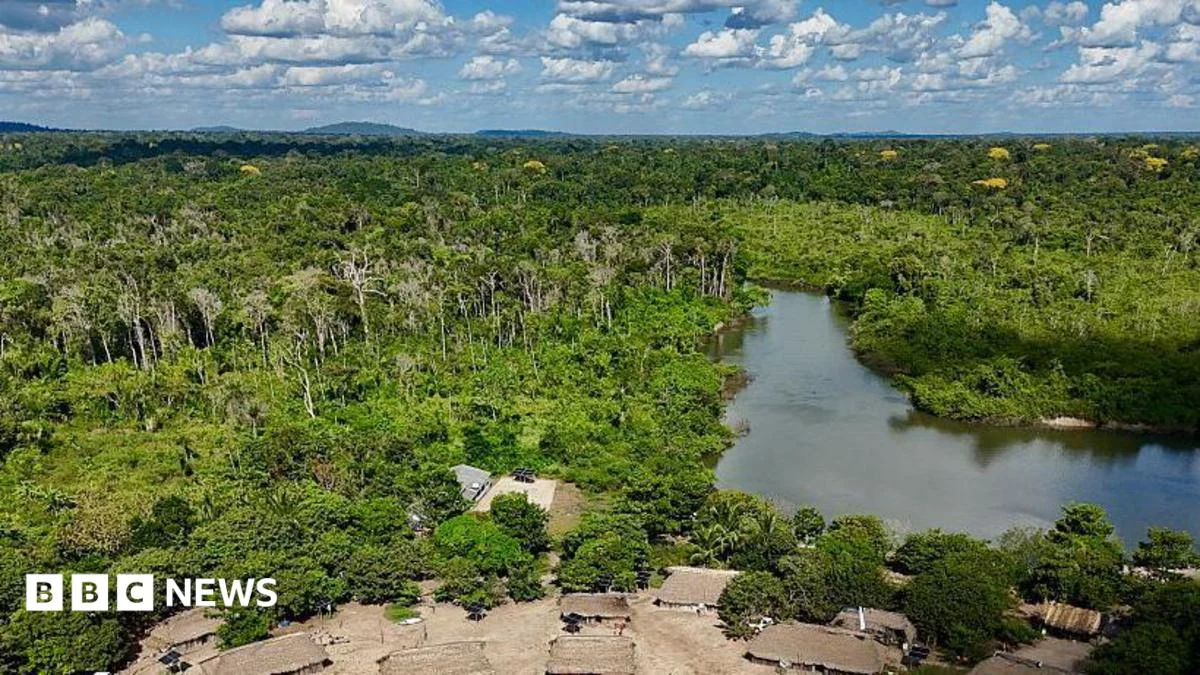
According to the latest report from MapBiomas, a collaborative network of NGOs, universities, and technology companies monitoring land use in Brazil, approximately 12.7 million hectares were burned across the entire country in 2025. This figure represents a profound drop compared to the staggering 30 million hectares engulfed in flames during 2024. To put this into historical perspective, the highest number of hectares burned in Brazil since records began was 30.7 million in 2007, making the 2024 figures alarmingly close to an all-time high. The 2025 data, therefore, signifies a near 60% reduction in the total area burned nationwide year-on-year, an achievement that analysts are scrutinizing for both its immediate causes and long-term implications.
Vera Arruda, a distinguished researcher at the Amazon Environmental Research Institute (IPAM) and a key coordinator at MapBiomas, highlighted the profound significance of these 2025 figures. "The 2025 figures are significant and show that it is possible to reduce the burned area in the country," Arruda told the BBC, emphasizing the tangible impact of concerted efforts. Specifically concerning the Amazon, Arruda noted, "The 31% drop compared to the historical average – driven primarily by the lowest number of fires recorded in the Amazon in 41 years – is positive news." This particular statistic for the Amazon biome represents a remarkable achievement, suggesting a level of control and mitigation not seen in over four decades.
However, Arruda tempered this optimism with a crucial caveat, warning against complacency. "It does not yet allow us to conclude that this is an established trend or to scale back prevention efforts," she added. This caution underscores the volatile nature of the Amazonian ecosystem and the numerous factors, both anthropogenic and natural, that influence fire risk. While the 2025 decline is undoubtedly positive, a single year’s data is insufficient to declare a definitive shift in the long-term trajectory of fire incidence. Sustained monitoring, robust policy enforcement, and continued investment in prevention remain paramount.
Part of the decline in the 2025 figures can be attributed to a natural climatic shift. The easing of the unprecedented fires of 2024 was partly helped by the prevalence of cooler La Niña conditions, which typically bring increased rainfall and lower temperatures to much of the Amazon region. This stands in stark contrast to the warmer, drier conditions associated with El Niño, which was a significant exacerbating factor in the severity of the 2024 fire season. La Niña, characterized by cooler-than-average sea surface temperatures in the equatorial Pacific Ocean, influences global weather patterns, often leading to a wetter rainy season and a less intense dry season in parts of South America, thereby reducing the conditions conducive to widespread fires.
Despite the immediate relief provided by La Niña, MapBiomas issued a stark warning regarding the future. The natural weather pattern of El Niño, which invariably pushes up global temperatures and can lead to prolonged droughts, could re-emerge or intensify, potentially extending this year’s dry season and significantly increasing the risk of forest fires in subsequent years. The cyclical nature of these oceanic phenomena means that while La Niña offered a reprieve, the underlying vulnerability of the Amazon to fire remains, particularly under the persistent pressure of climate change.
Tropical rainforests like the Amazon are indispensable global assets. They are home to an estimated 10% of the world’s known species, including countless endemic plants, insects, and animals, many of which are yet to be discovered. Beyond their unparalleled biodiversity, these forests play a critical role in regulating the Earth’s climate by acting as massive carbon sinks, absorbing vast quantities of planet-warming carbon dioxide from the atmosphere. When these forests burn, they release stored carbon back into the atmosphere, contributing to global warming and creating a dangerous feedback loop where higher temperatures lead to more fires, which in turn release more carbon. Furthermore, the Amazon profoundly influences regional and global hydrological cycles, generating significant rainfall that extends far beyond its borders.
For decades, the Amazon has been under escalating pressure. Deliberate land clearance for agriculture, primarily cattle ranching and soy cultivation, alongside illegal logging and mining, has driven extensive deforestation. These activities not only destroy pristine forest but also create conditions ripe for fires. Cleared land is often burned to prepare it for pasture or crops, and these fires frequently escape into adjacent forest areas, especially during dry periods. Climate change exacerbates this vulnerability, leading to longer dry seasons, higher temperatures, and more intense droughts, which scientists warn can create the perfect storm for larger, more destructive fires to spread.
The political landscape in Brazil has played a significant role in the fate of the Amazon. When President Luiz Inácio Lula da Silva took office on January 1, 2023, he made an emphatic pledge to reverse the alarming rates of deforestation that characterized the presidency of his predecessor, Jair Bolsonaro. On his very first day in office, Lula declared, "Our goal is to achieve zero deforestation in the Amazon." This commitment was warmly welcomed by environmentalists globally, who had watched with dismay as deforestation accelerated under Bolsonaro.
Jair Bolsonaro’s administration adopted a different philosophy, arguing that increased farming and mining in the Amazon would alleviate poverty in the region. Critics and environmental organizations accused his government of systematically weakening environmental protection agencies, dismantling enforcement mechanisms, and encouraging land grabbing and illegal activities. The data starkly illustrated the impact of these policies: three years into Bolsonaro’s four-year term, the amount of trees cut down in the Amazon rainforest had surged by 75%, erasing years of progress in curbing deforestation.
Lula’s administration, in contrast, has signaled a renewed focus on environmental protection, promising to strengthen federal agencies like Ibama (Brazilian Institute of Environment and Renewable Natural Resources) and ICMBio (Chico Mendes Institute for Biodiversity Conservation), and to crack down on environmental crimes. The 2025 fire figures could be an early indicator of the positive impact of these policy shifts, potentially reflecting increased surveillance, stricter enforcement, and a more robust stance against illegal land clearing.
However, Lula’s environmental agenda has not been without its complexities and criticisms. Despite his staunch promise to protect the Amazon, his decision to approve oil exploration at the mouth of the Amazon river has drawn widespread condemnation from environmental activists. Opponents argue that such a move flies directly in the face of his pledge to safeguard the Amazon region, citing the significant risks of oil spills in a highly sensitive ecological area, the contribution of fossil fuel extraction to climate change, and the perceived hypocrisy of promoting conservation while simultaneously expanding hydrocarbon exploration. This controversy highlights the ongoing challenge for Brazil’s government to balance economic development with environmental preservation, a dilemma that continues to shape the future of the Amazon.
In conclusion, the sharp decline in burned area across Brazil, particularly in the Amazon, in 2025 represents a moment of cautious optimism. It demonstrates that with a combination of favorable climatic conditions, such as La Niña, and potentially renewed governmental commitment to environmental protection, significant progress can be made in mitigating the devastating impact of forest fires. Yet, the warnings from experts like Vera Arruda and organizations like MapBiomas serve as a critical reminder that this positive trend is not yet established. The persistent threats of deforestation, climate change, and the potential return of extreme El Niño conditions necessitate sustained vigilance, robust policy implementation, and global cooperation to ensure the long-term health and survival of the Amazon, an irreplaceable natural treasure.




 Roy Suryo

 Nakalama John
 atisusanti
 Ramos Leo