
 Nana Banana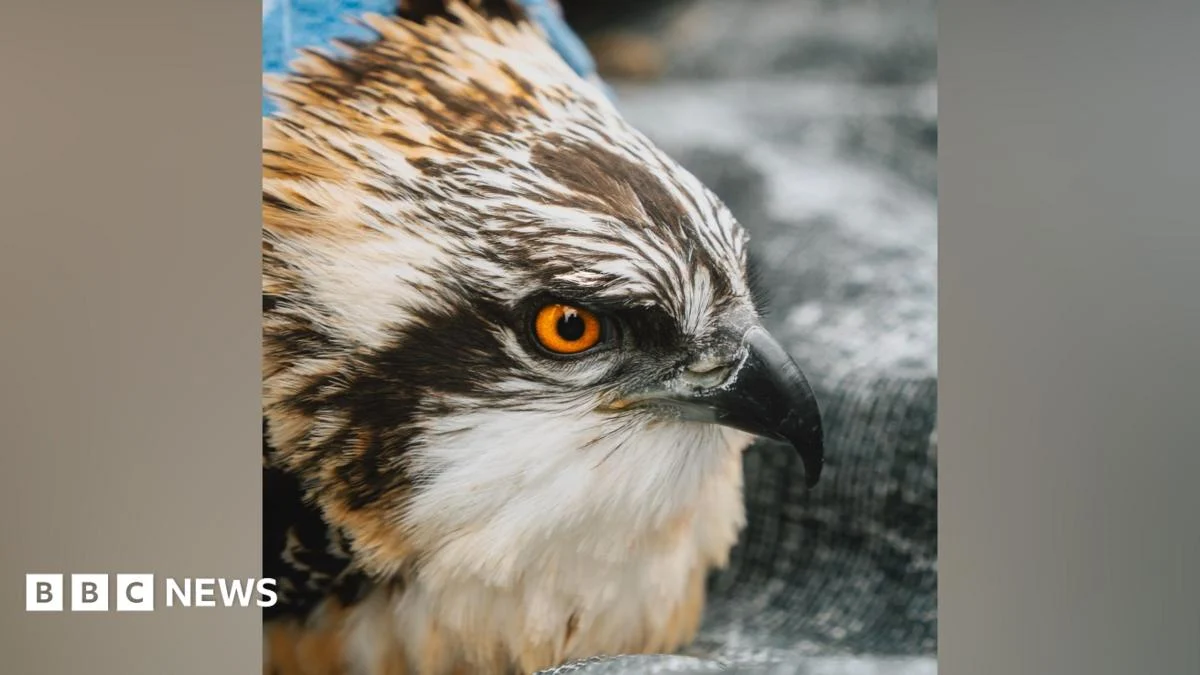
A momentous achievement in conservation has unfolded at Foulshaw Moss Nature Reserve in Cumbria, where birdwatchers and conservationists are celebrating a record-breaking season for ospreys. Five healthy osprey chicks, a number unprecedented for the site, have successfully hatched and been fitted with leg rings and tags, marking a significant milestone in the recovery of this majestic raptor species in the region. This remarkable success is attributed to the flourishing presence of two distinct breeding pairs, signaling a robust and expanding osprey population within the carefully managed wetland environment.
Foulshaw Moss, nestled in the South Lakeland district of Cumbria, has emerged as a beacon of wildlife conservation. Once a vast commercial peat bog, the reserve underwent an ambitious large-scale habitat restoration programme orchestrated by the Cumbria Wildlife Trust. This transformative project involved rewetting vast areas, creating diverse water bodies, and establishing suitable perching and nesting platforms, meticulously designed to attract and support a variety of wildlife, particularly migratory birds and birds of prey like the osprey. The successful rewilding efforts have not only made the reserve a prime breeding ground but also a vital stepping stone in the broader ecological network.
The history of ospreys in the United Kingdom is a testament to both human impact and dedicated conservation. Hunted to extinction in England by the early 20th century, primarily for their eggs and feathers, their return has been a slow but steady process, driven by reintroduction programmes and natural recolonisation from robust Scottish populations. Ospreys are now protected under the Wildlife and Countryside Act 1981, making their breeding success at Foulshaw Moss particularly poignant and indicative of a wider positive trend in their recovery across the UK.
Ospreys, scientifically known as Pandion haliaetus, are distinctive raptors, easily identifiable by their dark brown upperparts, white underparts, and a striking dark stripe running through their eyes. They are highly specialized piscivores, meaning their diet consists almost exclusively of fish. Their hunting technique is mesmerizing: soaring high above water, they plunge feet-first to snatch fish from the surface, often submerging completely before emerging triumphantly with their prey. This unique hunting style necessitates clear, fish-rich waters, making Foulshaw Moss’s restored wetland habitat an ideal environment.
The long-standing and much-loved breeding pair at Foulshaw Moss, known by their ring codes Blue 35 and White YW, have once again demonstrated their enduring vitality. Cumbria Wildlife Trust estimates this pair to be approximately 18 years old. Given that the life expectancy for ospreys typically ranges up to 25 years, their continued breeding success is viewed as an extraordinary bonus by conservationists. Paul Waterhouse, the charity’s reserve officer, expressed his delight, stating, "Every year they breed feels like a real bonus now." This veteran pair first graced Foulshaw Moss in 2013, shortly after the habitat restoration had created an inviting landscape. Their consistent return and successful rearing of chicks over the past decade have been instrumental in establishing Foulshaw Moss as a reliable osprey breeding site.
The excitement this season was further amplified by the significant progress of a newer pair, Blue 717 and her mate Blue 476. These younger ospreys joined the reserve last year, establishing a second nest. As is often the case with less experienced ospreys, their inaugural breeding season in 2023 yielded only one chick. However, their remarkable improvement this year, producing three healthy chicks, speaks volumes about their adaptation to the environment and their growing breeding proficiency. "It’s wonderful to see this pair return, and with three healthy chicks this year," Waterhouse remarked, highlighting the encouraging sign for the future of the osprey population at the reserve. The combined efforts of both pairs, with the veteran pair producing two chicks and the newer pair contributing three, have collectively shattered the previous reserve record of three chicks in a single season.
The practice of ringing and tagging these magnificent birds is a cornerstone of modern conservation efforts. Each chick is carefully fitted with lightweight, uniquely coded leg rings and sometimes satellite tags. This crucial process allows conservationists to track their movements, understand their migratory routes, monitor their survival rates, and gain invaluable insights into their life history. The data collected from these rings helps researchers understand dispersal patterns, identify threats during migration, and assess the overall health and connectivity of osprey populations across different regions. This scientific approach is vital for informing future conservation strategies and ensuring the long-term survival of the species.
The journey for these young ospreys is just beginning. They are expected to remain at Foulshaw Moss Nature Reserve throughout the summer, honing their hunting skills and strengthening their wings. As September approaches, these fledgling ospreys, along with their parents, will embark on their epic annual migration. Their destination lies thousands of miles away, across continents, to their wintering grounds in the Iberian Peninsula or further south to the warmer climes of West Africa. This perilous journey, often the most challenging period of an osprey’s life, tests their endurance and navigation skills against natural predators, adverse weather conditions, and human-made obstacles.
The presence of two active nests, particularly the second nest established last year, brings with it a heightened responsibility for visitors to the reserve. The Cumbria Wildlife Trust has issued a cautionary note, emphasizing that this newer nest is "quite close to the boardwalk and is vulnerable to disturbance." To mitigate any potential impact on the delicate breeding process, the charity is earnestly requesting visitors to be exceptionally mindful of the nest’s proximity and to utilize the nearby hide "responsibly." Disturbance during the nesting period can be catastrophic, potentially leading to nest abandonment, increased stress on the parent birds, and heightened vulnerability for the young chicks. Hides are strategically placed to offer excellent viewing opportunities without causing any stress or disruption to the wildlife, ensuring that both birds and birdwatchers can coexist harmoniously.
Cumbria Wildlife Trust’s dedication extends beyond just the ospreys. The continuous management of Foulshaw Moss involves maintaining optimal water levels, controlling invasive species, and ensuring a rich biodiversity that supports the entire ecosystem. This holistic approach benefits not only the ospreys but also other rare and protected species that call the reserve home, from elusive otters to a diverse array of dragonflies and butterflies. Public engagement is also a key component of their work, with information points and sometimes webcams allowing a wider audience to connect with and appreciate the wonders of nature.
The record-breaking season at Foulshaw Moss Nature Reserve is more than just a local triumph; it contributes to the broader narrative of osprey recovery across the UK. While significant progress has been made since their near-extinction, challenges such as habitat fragmentation, pollution, and the impacts of climate change on migration routes persist. However, the consistent success at sites like Foulshaw Moss offers profound hope and demonstrates the tangible positive outcomes of dedicated conservation efforts, habitat restoration, and careful management. This year’s five new chicks represent a vital infusion into the wider osprey population, promising a brighter future for these magnificent fish-eating raptors in the British landscape.



 Roy Suryo

 Nakalama John
 atisusanti
 Ramos Leo
